



Magnesium forms compared
Magnesium comes in many forms, and they are not interchangeable. Each is magnesium bound to a different partner, which changes how much magnesium you get per capsule, how much you absorb, whether it loosens your stools, and what it is marketed for. This grid compares the nine you will meet most often. A separate grid for each form compares the products you can actually buy.
Last updated
How to choose
Start with why you want magnesium. Most forms raise your magnesium about equally well; the real differences are digestive effects, cost, and marketing claims that are often ahead of the research.
Match the form to the goal
- Constipation: citrate or oxide. Both draw water into the bowel, and both are sold as laxatives.
- Daily top-up with a gentle stomach: glycinate, malate or taurate. They are much less likely to loosen stools.
- Lowest cost per mg: oxide, but only a small share is absorbed.
- Baths and soaks: sulfate (Epsom salt) or chloride flakes. Whether magnesium passes through skin in useful amounts is unproven.
- Brain or heart claims: L-threonate, taurate and orotate are marketed that way, with limited human evidence, and cost more.
Read the label carefully
Check the line that says elemental magnesium. A capsule that says 500 mg of magnesium oxide holds far less actual magnesium than that, and the amount varies a lot by form (see Magnesium by weight).
Check before you start
- People with kidney disease should ask a doctor first, because the kidneys clear extra magnesium.
- Magnesium can interact with some antibiotics, osteoporosis drugs, and blood pressure medicines. Ask a pharmacist.
- Start with a small dose and increase slowly. Loose stools mean the dose is too high.
Answer
Browse the table. Filter to what matters.
Use the filters below, then sign in if you want to shortlist and decide with friends.
Sign in to vote, hide products and features, and reorder.
Verified: hover a cell and click its green dot for the source Estimate: no cited source
| Feature | ⠿ | ⠿ | ⠿ | ⠿ | ⠿ | ⠿ | ⠿ | ⠿ | ⠿ |
|---|---|---|---|---|---|---|---|---|---|
|
⠿
Main use
|
Bath flakes, topical oils, and oral tablets
|
||||||||
|
⠿
Bound to
|
|||||||||
|
⠿
Magnesium by weight
|
60.3%
|
15.5%, anhydrous
|
8.3%, anhydrous
|
8.9%, anhydrous
|
9.9%, heptahydrate, Epsom salt
|
12%, hexahydrate
|
7.3%, anhydrous
|
||
|
⠿
Absorption
|
Good, aimed at raising brain levels
|
Good, though little direct data
|
Good in theory, little direct data
|
||||||
|
⠿
Laxative effect
|
Low, gentlest on the gut
|
Mild at normal doses
|
Low at normal doses
|
Low at normal doses
|
Low at normal doses
|
||||
|
⠿
Good for constipation
|
|
|
|
|
|
|
|||
|
⠿
Marketed for sleep or relaxation
|
|
|
|
|
|
|
|
|
|
|
⠿
Marketed for heart health
|
|
|
|
|
|
|
|
|
|
|
⠿
Marketed for brain function
|
|
|
|
|
|
|
|
|
|
|
⠿
Main way used
|
Oral: capsules, tablets, powder
|
Oral: capsules, powder, liquid
|
Oral: tablets and capsules
|
Oral: capsules, tablets, powder
|
Oral: capsules and powder
|
Oral: capsules and tablets
|
Bath soak, oral laxative, IV in hospitals
|
Topical oil, bath flakes; oral tablets
|
Oral: capsules and tablets
|
|
⠿
Cost per mg of magnesium
|
Medium
|
Low
|
Medium
|
High
|
Medium
|
Lowest
|
Low
|
High
|
|
|
⠿
Strength of evidence
|
Limited, mostly small studies
|
Moderate, many trials but poor absorption
|
Limited, few direct trials
|
Limited, small trials, some industry funded
|
Limited, little direct human data
|
Strong for medical and laxative use
|
Limited for skin use, moderate by mouth
|
Why these features matter
-
Main use
Magnesium forms are not interchangeable: each has a different strength and a different job, so start with what you want it for.
-
Bound to
The partner molecule drives absorption, gut effects and the marketing claims, and some (glycine, taurine) are active in their own right.
-
Magnesium by weight (%)
Doses on labels are often the whole compound, not the magnesium. A low percentage means more capsules for the same magnesium.
-
Absorption
Absorbed magnesium is what raises your levels; unabsorbed magnesium stays in the gut and acts as a laxative.
-
Laxative effect
The top reason people stop taking magnesium. It is wanted for constipation and unwanted for everyone else.
-
Good for constipation
If constipation is the goal, this is the short list.
-
Marketed for sleep or relaxation
Sleep and calm are the most common reasons people buy magnesium, so it helps to see which forms are sold that way and to remember the proof is thin.
-
Marketed for heart health
Heart claims are common for a few forms and are worth discussing with a doctor, especially with blood pressure medicines.
-
Marketed for brain function
Only one form is sold mainly for the brain, and it costs more.
-
Main way used
A bath salt and a capsule are very different products, even when the magnesium looks the same.
-
Cost per mg of magnesium
A cheap capsule can be expensive per mg of magnesium if it holds little of it.
-
Strength of evidence
Many claims for magnesium forms come from small or industry-funded studies, so know how firm the ground is.
About the products
-
Magnesium glycinate
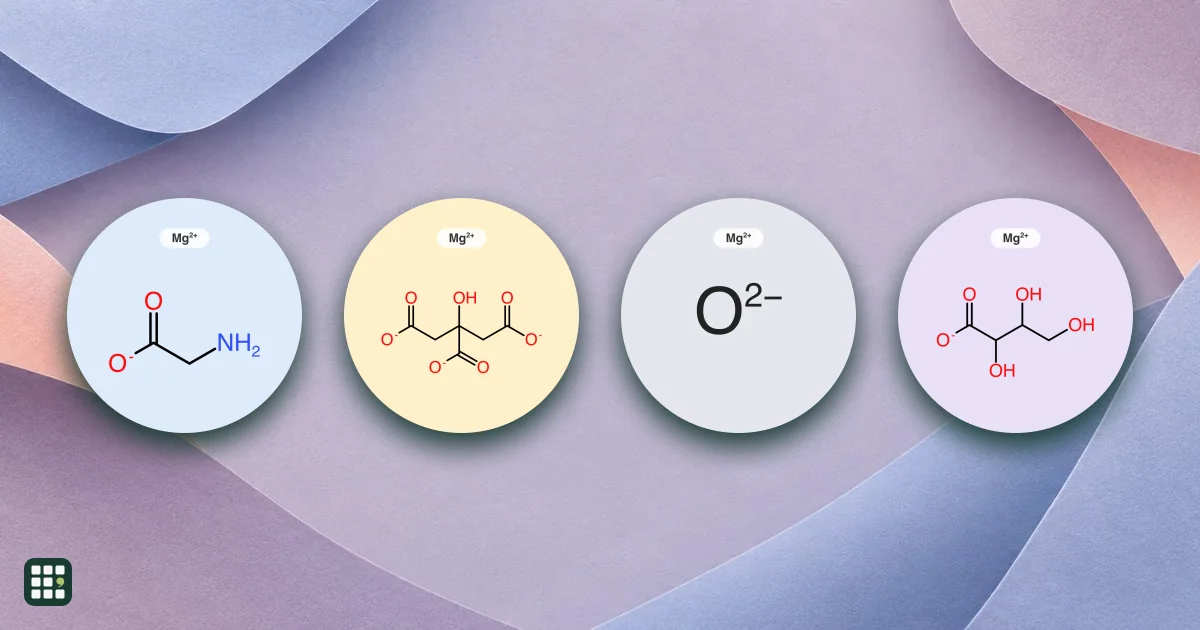
Magnesium bound to glycine, an amino acid. Gentle on the stomach, so it is the usual pick for people who want to raise magnesium without a laxative effect.
-
Magnesium citrate
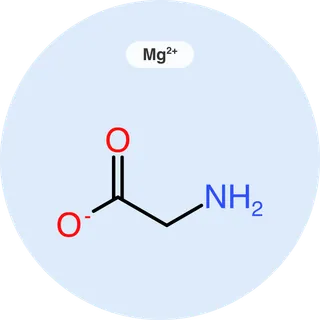
Magnesium bound to citric acid. Well absorbed and cheap, but it draws water into the bowel, so higher doses loosen stools.
-
Magnesium oxide
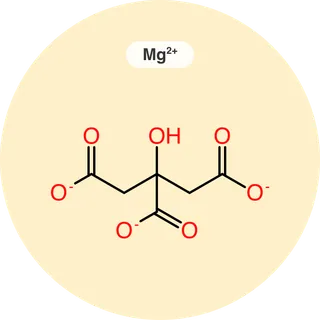
Magnesium bound to oxygen. Packs the most magnesium per pill and costs the least, but only a small share is absorbed; it is mainly used as an antacid and laxative.
-
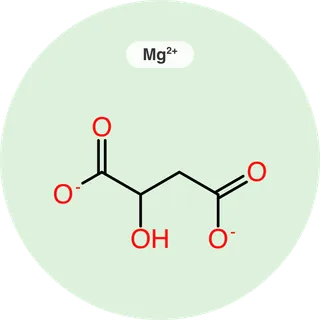
Magnesium malate
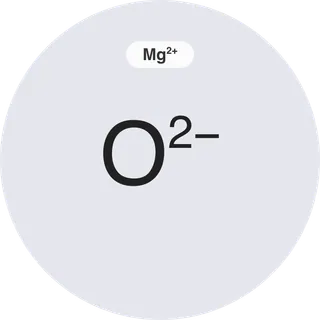
Magnesium bound to malic acid, the acid found in apples. A well-tolerated everyday form that is often marketed for energy and muscle comfort.
-
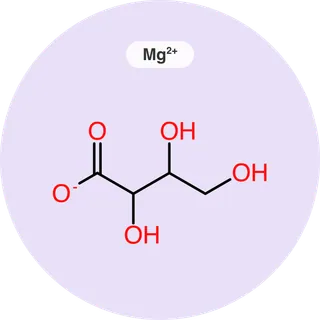
Magnesium L-threonate
Magnesium bound to threonic acid, a vitamin C breakdown product. Marketed for brain and memory support because it is reported to cross into the brain more easily; pricey and low in magnesium per capsule.
-
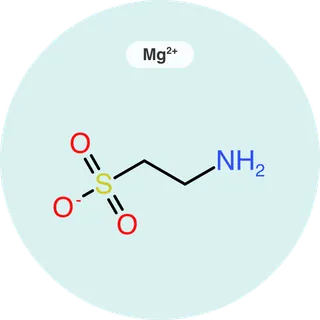
Magnesium taurate
Magnesium bound to taurine, an amino acid. Marketed for heart, blood pressure and calm; gentle on the stomach, with little direct research on the combined compound.
-
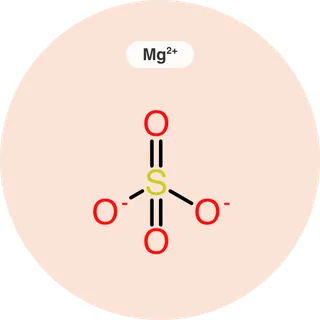
Magnesium sulfate
Epsom salt. Mostly used in baths, as an oral laxative, and by injection in hospitals; it is not a normal daily supplement.
-
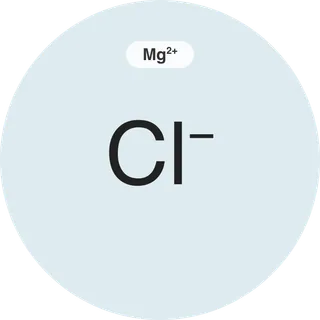
Magnesium chloride
Magnesium bound to chloride. Sold as oral tablets, topical oils and sprays, and bath flakes; absorbs well by mouth, and skin absorption is unproven.
-
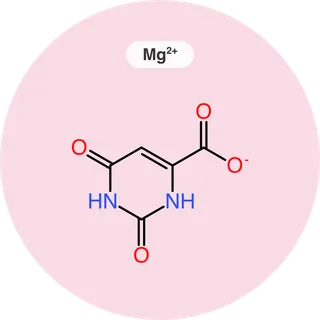
Magnesium orotate
Magnesium bound to orotic acid. Marketed for heart health and athletic performance, with only one notable small trial; pricey and low in magnesium per capsule.
Suggest a change
Related comparisons
-
 Magnesium citrate products compared
Magnesium citrate is a well-absorbed, low-cost form that also loosens stools at higher doses. This grid compares US supplements (capsules, tablets and powders, not the saline laxative bottles) by price, magnesium per serving, cost per 100 mg and testing.
-
 Magnesium oxide products compared
Magnesium oxide packs the most magnesium into a pill and is the cheapest form, but little of it is absorbed and it acts as a laxative and antacid. This grid compares the US oxide supplements still sold.
-
 Acid reflux treatments
Compare common OTC options for heartburn by cost per tablet, label use, daily routine, course limits, and selected warnings. Calcium carbonate is an antacid used as symptoms occur; famotidine is an H2 acid reducer; OTC proton pump inhibitors are labeled for frequent heartburn and may take 1 to 4 days for full effect. These labels do not replace a clinician's assessment of persistent or severe symptoms.
-
 Gluten-free restaurants in Amsterdam, Netherlands
Compare 12 Amsterdam restaurants and cafés that either have a fully gluten-free kitchen or a substantial gluten-free menu. Dedicated kitchens such as Bloem, Craft and Croque Madame sit alongside mixed kitchens with gluten-free menus, including Cafe Piazza and Spaghetteria. The grid records each venue’s stated cross-contact precautions and menu prices; it cannot promise a meal is safe for coeliac disease, so confirm directly with the restaurant.
-
 Gluten-free restaurants in Paris, France
Paris now has a good number of places where the whole kitchen is gluten-free: Italian trattorias making their own pasta and pizza, Thai and Cambodian canteens, Levantine flatbreads, Japanese bento, vegan and raw cafés, and coffee shops with gluten-free pastry. This grid compares them branch by branch across the city: whether the kitchen is entirely gluten-free, what each one says about cross-contact, whether it also drops dairy, what a main costs, where it is, and whether it is open for dinner. It records what the restaurants say, not a promise that any meal is safe for celiac disease.
-
 Gluten-free restaurants in Boston, US
Boston has only a handful of fully gluten-free kitchens, but plenty of restaurants that mark gluten-free dishes or make them on request. This grid compares both kinds inside the city, from a gluten-free tea room and poke counter to North End Italian and a South End Asian favorite, on kitchen type, stated cross-contact precautions, menu labeling, price, hours, booking and delivery.