



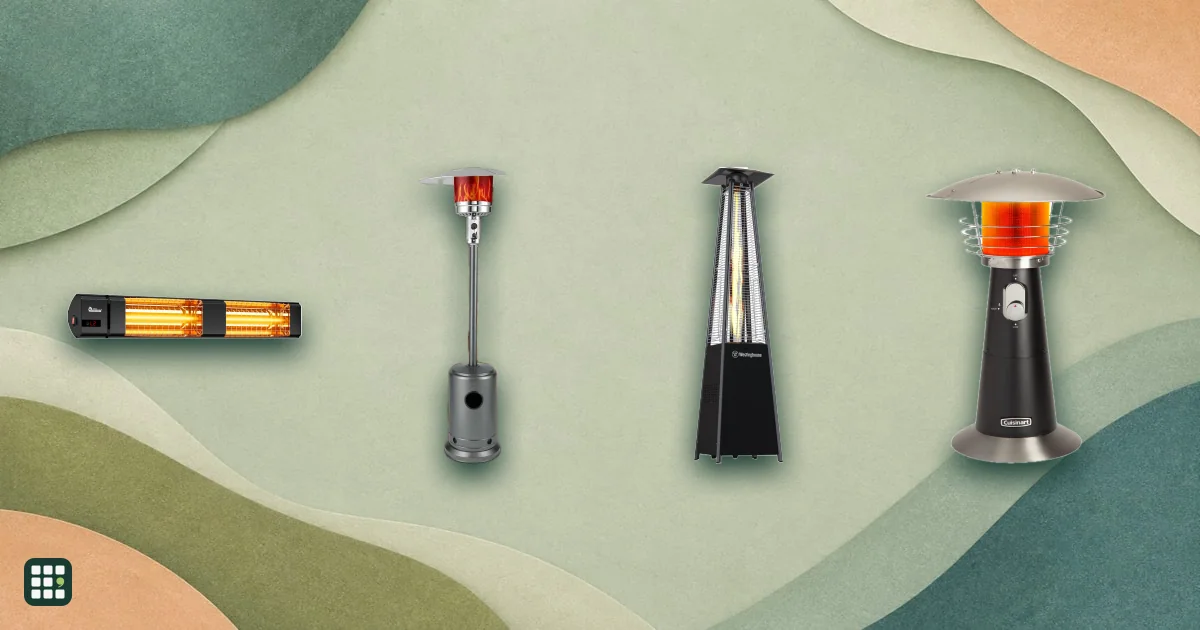
Patio heaters
Patio heaters warm outdoor seating so you can use a patio or deck in cool weather. This grid compares propane towers, tabletop propane heaters and hardwired electric infrared heaters side by side on heat output, coverage, safety features, installation and cost. The main trade-off is convenience against power: propane is portable and strong, electric is quiet and fuel-free but needs wiring.
Last updated
How to choose
Start with where it will sit. A freestanding propane tower warms a seating area of a few people and moves where you need it. A tabletop heater warms only the table in front of it. A wall or ceiling electric heater is a permanent fixture and needs an electrician.
Check the deal-breakers
- Wind and cover: gas heaters need ventilation; never use one in an enclosed space. Electric infrared works better under covered patios.
- Safety: look for a tip-over shutoff and a flame-out valve on gas models.
- Fuel: propane means refilling 20 lb tanks; electric means a dedicated circuit.
Compare heat honestly
BTU and watts are not comparable with each other. Coverage areas are makers’ best-case claims in still air, so size up for a windy or large space. Check the full cost: the heater, the tank or installation, and a cover.
Before you buy
Confirm the exact model is still sold and read the warranty term, which is often only one year.
Answer
Browse the table. Filter to what matters.
Use the filters below, then sign in if you want to shortlist and decide with friends.
Sign in to vote, hide products and features, and reorder.
Verified: hover a cell and click its green dot for the source Estimate: no cited source Not stated: the maker doesn't publish it
| Feature | ⠿ | ⠿ | ⠿ | ⠿ | ⠿ | ⠿ | ⠿ | ⠿ | ⠿ |
|---|---|---|---|---|---|---|---|---|---|
|
⠿
Price
|
|||||||||
|
⠿
Fuel or power source
|
|||||||||
|
⠿
Style and mounting
|
|||||||||
|
⠿
Heat output BTU
|
Doesn't apply
|
Doesn't apply
|
Doesn't apply
|
||||||
|
⠿
Power watts
|
Doesn't apply
|
Doesn't apply
|
Doesn't apply
|
Doesn't apply
|
Doesn't apply
|
Doesn't apply
|
|||
|
⠿
Heating area
|
|||||||||
|
⠿
Height
|
|||||||||
|
⠿
Weight
|
|||||||||
|
⠿
Tip over shutoff
|
Doesn't apply
|
Doesn't apply
|
Doesn't apply
|
||||||
|
⠿
Flame out safety valve
|
Doesn't apply
|
Doesn't apply
|
Doesn't apply
|
||||||
|
⠿
Ignition or controls
|
|||||||||
|
⠿
Remote control
|
|
|
|
|
|
|
|||
|
⠿
Adjustable heat levels
|
|
||||||||
|
⠿
Wheels
|
Doesn't apply
|
Doesn't apply
|
Doesn't apply
|
|
|
||||
|
⠿
Weather resistance
|
|||||||||
|
⠿
Fuel run time
|
Doesn't apply
|
Doesn't apply
|
Doesn't apply
|
||||||
|
⠿
Professional installation needed
|
|
|
|
|
|
|
|||
|
⠿
Warranty
|


Why these features matter
-
Price ($)
The upfront cost; gas heaters are cheapest to buy, hardwired electric costs more before installation.
-
Fuel or power source
Decides where you can use it and what you must buy or install.
-
Style and mounting
Towers cover a seating area, tabletop units warm one table, mounted electrics free up floor space.
-
Heat output BTU (BTU)
Higher output warms a wider area and works better in cold or windy spots, but burns more fuel.
-
Power watts (W)
Higher wattage heats a larger area but needs a bigger circuit.
-
Heating area (sq ft)
Match this to the seating area you want warm; claims are best case, in still air.
-
Height (in)
Tall towers need clearance under covers and roofs.
-
Weight (lb)
Lighter units are easier to move or store; consider the tank weight too.
-
Tip over shutoff
A key safety feature for windy patios, kids and pets.
-
Flame out safety valve
Stops gas from leaking if wind blows the flame out.
-
Ignition or controls
Easy starting matters if you use it often.
-
Remote control
Lets you adjust heat without getting up.
-
Adjustable heat levels
Lets you save fuel or power in mild weather.
-
Wheels
Wheels make a heavy tower easy to reposition.
-
Weather resistance
Tells you whether it can stay out in rain and damp.
-
Fuel run time (hr)
Longer runs mean fewer refills during an evening.
-
Professional installation needed
Adds cost for hardwired heaters.
-
Warranty
A longer warranty lowers repair risk.
About the products
-
Tungsten Smart-Heat Electric 6000W · Bromic
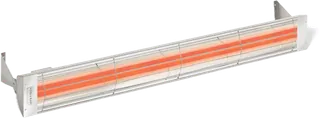
Hardwired electric infrared heater for covered patios and restaurants: wall, pole or recessed mount, two elements controlled separately. Needs a licensed electrician and no fuel tank; the strongest electric option here.
-
WD Series 33-inch 3000W · Infratech
Hardwired 240V dual-element infrared heater with a UL listing for indoor and outdoor use; mounts to a wall, ceiling or pole. Quiet and fuel-free, but installation by an electrician is expected.
-
DR-238 Carbon Infrared Heater · Dr. Heater USA
Low-price 1500W carbon infrared heater with a remote and three heat levels, for wall or ceiling mounting. Covers a small seating area; needs a 120V connection set up by an electrician.
-
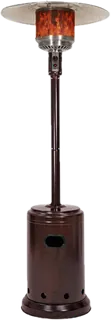
Commercial Series Hammered Platinum (62555) · Fire Sense
Classic 48,000 BTU propane tower on wheels with piezo ignition and tip-over protection. Runs on a standard 20 lb tank (not included) for about 10 hours.
-
48,000 BTU Heater with Table (HLDS01-CGT) · Hiland
48,000 BTU propane tower with a built-in side table and push-button ignition. A budget freestanding pick at about 87 inches tall.
-
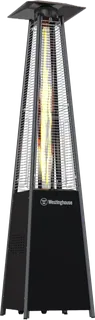
Propane Patio Heater with Wheels 48,000 BTU (WES31-9200) · Westinghouse
Tower-style 48,000 BTU propane heater on wheels with electric pulse ignition and a variable gas valve.
-
46,000 BTU Patio Heater with Wheels (61826) · Amazon
Large 46,000 BTU propane tower with wheels and adjustable temperature knob. Its Amazon listing showed as unavailable when checked, so confirm stock.
-
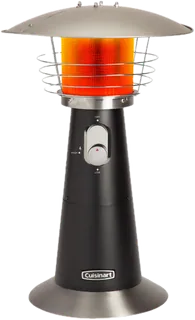
Portable Tabletop Patio Heater (COH-500P) · Cuisinart
11,000 BTU propane heater small enough for a dining table, warming about 30 sq ft. Runs on 1 lb canisters or a 20 lb tank with an optional regulator.
-
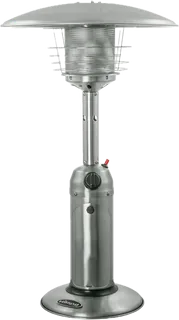
11,000 BTU Tabletop Heater (HLDS032-B) · Hiland
Stainless-steel 11,000 BTU propane tabletop heater with a protective cover. Takes a 1 lb cylinder; about 38 inches tall.
Suggest a change
Related comparisons
-
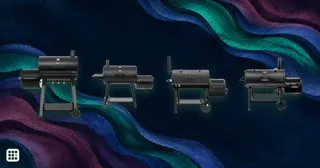 Offset smokers
 burn charcoal or wood in a side firebox and pull the smoke and heat through a separate cooking chamber, the classic Texas-style way to smoke brisket and ribs. They reward fire tending with real wood flavor, but they range from thin-walled barrel-grill combos under $400 to hand-built pits over $2,000. This grid compares size, weight, heat design and warranty.
-
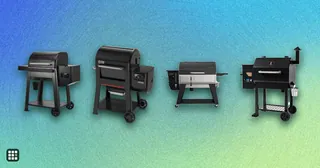 Pellet grills
 burn hardwood pellets fed by an auger and a thermostat, so you set a temperature and the grill holds it like an oven while adding real wood smoke. This grid compares 27 full-size models from Traeger, recteq, Weber, Camp Chef, Pit Boss, Z Grills, Green Mountain Grills and Yoder, from about $380 to $3,500. The big trade-offs are cooking space, how hot the grill gets (most can't sear without a direct-flame feature), hopper size for long cooks, app control, and how solidly it's built.
-
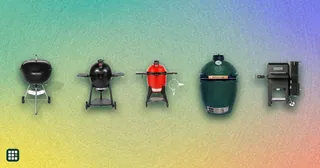 Charcoal grills
Compare current charcoal grills from compact portable kamados to full-size kettles, ceramic cookers, and gravity-fed digital grills. Price, primary cooking area, and grate diameter show the size trade-off; maximum temperature, airflow control, lid design, and cleanup separate simple kettles from kamados and digital cookers.
-
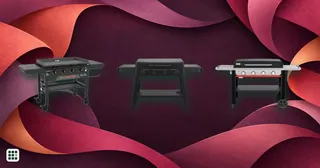 Flat-top griddles
Outdoor flat-top griddles (also called flat top grills or Blackstone-style griddles) cook breakfast, smash burgers, fried rice and fajitas on one big steel plate. This grid compares freestanding carts and tabletop units from Blackstone, Traeger, Weber, Camp Chef, Pit Boss and recteq. The trade-offs are cooking area, heat zones, how well the steel resists rust, and whether the lid, shelves and grease system suit how you cook.
-
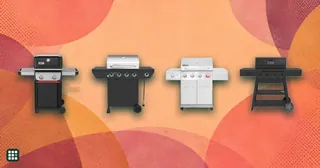 Gas grills
Compare propane gas grills side by side: burners, cooking area, BTU, grates, side and sear burners, ignition, smart features, cart, warranty and price. Two discontinued models are kept for reference and marked. The real trade-offs are price versus build quality and warranty, grilling space versus patio space, and extras like side burners and app probes versus simplicity.
-
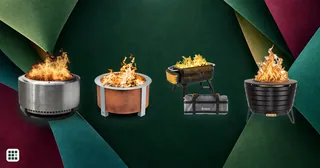 Smokeless fire pits
Compare smokeless fire pits side by side: Solo Stove, Breeo, BioLite and TIKI wood, pellet and propane pits, from a tabletop bowl to 30-inch backyard centerpieces. The real trade-offs are size and heat versus weight and wood use, whether it can sit on a deck as sold, and how much the cooking add-ons and warranty are worth to you.