



Puffer jackets
Puffer jackets trap warmth in stitched, insulated baffles. This grid compares popular men's hip-length puffers, from a $129 budget down jacket to premium ultralights, on insulation, fill power, weight, hood, packability and how the finish is made.
Last updated
How to choose
Start with the weather you will wear it in. Down is the lightest and warmest for its weight, but loses warmth when soaked. Synthetic insulation costs more weight for the same warmth, but keeps working damp and is easier to wash.
Compare the deciding features
- Fill power (down only): 650 is fine for everyday cold; 800 and up packs smaller and weighs less for the same warmth, at a higher price.
- Weight and packability: under 12 oz stuffs into a bag as a spare layer; heavier, boxier jackets are for wearing, not carrying.
- Hood: adds warmth and weather cover, and is often a separate hoody version.
- Shell fabric: thin 10 to 20 denier shells are light but snag easily; a thicker shell lasts longer.
- Weather: most shells are only water-repellent. For wet snow or rain, wear a waterproof shell over it.
Check values and ethics
Look for Responsible Down Standard certification if animal welfare matters, and a PFAS-free water repellent if you want to avoid fluorine chemicals. Prices vary a lot with sales, so compare regular prices first.
Answer
Browse the table. Filter to what matters.
Use the filters below, then sign in if you want to shortlist and decide with friends.
Sign in to vote, hide products and features, and reorder.
Verified: hover a cell and click its green dot for the source Estimate: no cited source Not stated: the maker doesn't publish it
| Feature | ⠿ | ⠿ | ⠿ | ⠿ | ⠿ | ⠿ | ⠿ | ⠿ |
|---|---|---|---|---|---|---|---|---|
|
⠿
Price
|
||||||||
|
⠿
Insulation type
|
||||||||
|
⠿
Down fill power
|
Doesn't apply
|
|||||||
|
⠿
Weight
|
||||||||
|
⠿
Back length
|
||||||||
|
⠿
Hood
|
|
|||||||
|
⠿
Packable
|
|
|||||||
|
⠿
Responsible Down Standard
|
Doesn't apply
|
|||||||
|
⠿
Shell fabric
|
||||||||
|
⠿
PFAS free water repellent
|
|





Why these features matter
-
Price ($)
Puffers run from about $130 to $400. Sales are common, so treat this as the starting point.
-
Insulation type
Down is lighter and warmer for its weight but loses warmth when soaked. Synthetic keeps insulating when damp and is easier to care for.
- Down
- : Light, very warm and compressible. Best for cold, dry weather; it loses warmth when soaked.
- Synthetic
- : Keeps most of its warmth when damp and dries faster. Slightly heavier for the same warmth.
- Blend
- : Down for warmth, with synthetic placed where moisture gets in. Costs more and sits between the two.
-
Down fill power (fill)
Higher fill power means more warmth for the same weight, but it costs more. 650 is fine for everyday use; 800+ is for light packing.
-
Weight (oz)
Weight decides whether you carry it or leave it home. Under 12 oz is a true ultralight.
-
Back length (in)
Longer backs cover more of your hips and stay put under a pack; shorter is more versatile as a layer.
-
Hood
A hood adds warmth and weather cover, but costs weight and bulk. Hooded versions are often sold as a separate hoody.
-
Packable
A packable jacket rides in a bag as a spare layer, worth it for travel and hiking.
-
Responsible Down Standard
RDS certifies the birds were not live-plucked or force-fed. It matters if animal welfare is a purchase factor.
-
Shell fabric
A thinner shell is lighter but tears and snags more easily. Thicker shells last longer.
- Recycled nylon
- : Strong, light and smooth. Recycled content lowers the environmental cost without changing how it wears.
- Recycled polyester
- : Dries quickly and resists water a little better than nylon, but feels slightly less silky.
-
PFAS free water repellent
PFAS finishes persist in the environment. PFAS-free finishes repel light rain and snow almost as well.
About the products
-
Down Sweater Jacket · Patagonia
The classic lightweight down puffer: 800-fill goose down in a thin recycled nylon shell. No hood, packs small; best for cold, dry days or as a layer.
-
Nano Puff Jacket · Patagonia
A synthetic-insulated puffer that keeps warming when damp and is easier to care for than down. Heavier for its warmth, but forgiving in drizzle.
-
Cerium Jacket · Arc'teryx
A premium 850-fill down jacket with synthetic insulation in damp-prone spots. Very light for its warmth and built as an alpine layer, at a premium price.
-
1996 Retro Nuptse Jacket · The North Face
The boxy, big-baffle street-style puffer with 700-fill goose down and a stowable hood. Warm and fashionable, but bulkier than the technical lightweights.
-
Ghost Whisperer Down Hoody · Mountain Hardwear
An ultralight hooded 800-fill down jacket in a 10-denier shell. Among the lightest puffers here; the thin fabric calls for gentle use.
-
650 Down Jacket · REI Co-op
The budget down pick: 650-fill down in a windproof, water-resistant recycled shell at about a third of the premium price. Lower loft means less warmth for its weight.
-
Fuego Down Jacket · Cotopaxi
A mid-priced 800-fill down jacket with a roomier fit and a recycled DWR shell. A relaxed everyday layer rather than a slim technical piece.
-
Helium Down Hoodie · Outdoor Research
A hooded 800-fill down jacket with waterproof overlays on the hood, shoulders and upper sleeves, where down jackets get wet first. Heavier than the ultralights, with the best weather protection here.
Suggest a change
Related comparisons
-
 Women's winter coats
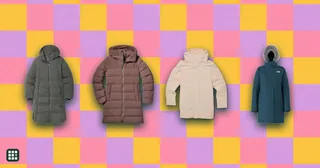
Insulated parkas for women who need to stay warm from the commute to the trailhead. The decision comes down to down or synthetic insulation, how waterproof the shell is, length, and how much you pay.
-
 Wireless bras
 swap the underwire for molded cups, bonded fabric or a stiffer band. This grid compares everyday wire-free bras on padding, coverage, size range, straps, closure, fabric, washing and return terms so you can pick one that fits your size and wardrobe.
-
 Women's Pajama Sets
Compare women’s pajama sets with full-length pants by fabric content, top and pant design, waistband, pockets, sizing, care, and listed price when a US price is available. The options range from woven cotton and flannel to cotton knits and bamboo-viscose blends.
-
 Daypacks
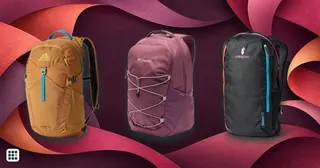
Compare seven current 12–20 L daypacks by price, capacity, weight, hydration storage, bottle pockets, hip and sternum straps, laptop or tablet sleeves, rain cover, and water repellency. The lineup spans light trail-focused packs and everyday models with laptop organization; published reservoir compatibility and pack weight vary by model.
-
 Camping hammocks
 trade a flat ground bed for lighter weight, comfort on rough terrain, and a faster setup between two trees. The real decisions are single or double width, how much weight you carry, whether bug netting, a rainfly and straps come in the box, and what load the fabric is rated for.
-
 Camping tarps and shelters
A tarp or open shelter keeps rain and sun off without the weight and bulk of a tent, or adds a dry kitchen and living room next to one. The choice is mostly about where you'll carry it: ultralight tarps and pyramids weigh a pound or less but need trekking poles or trees and some pitching skill, while canopies and vehicle tarps stand on their own poles and weigh 8 to 12 lb.