



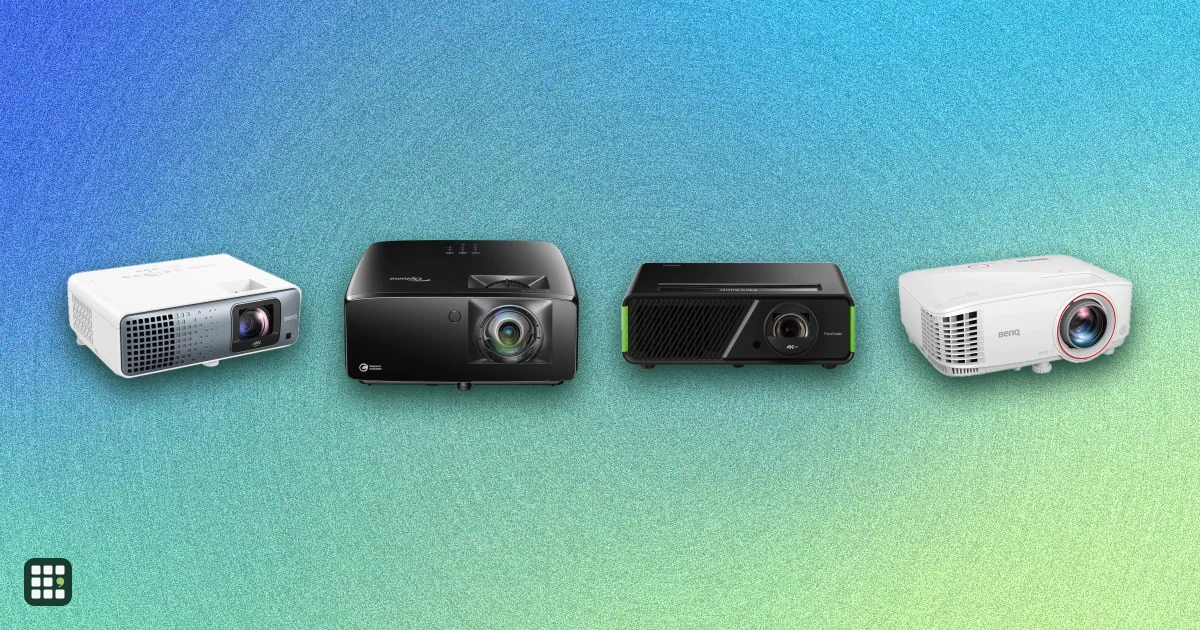
Short-throw projectors
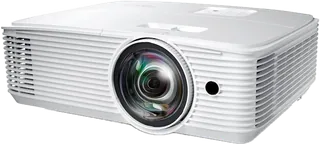
Short-throw projectors put a 100-inch picture on the wall from about 3 to 7 feet away, so they fit apartments, bedrooms and game rooms where a regular projector would need the back of the room. The choice comes down to how close it must sit (throw ratio), 4K or 1080p, laser, LED or lamp light, brightness for rooms that aren't dark, and input lag if you game. This grid compares current BenQ, Optoma and ViewSonic models, plus earlier ones still in stores.
Last updated
How to choose
Measure the room first
Measure from where the projector will sit (a coffee table, shelf or ceiling mount) to the wall or screen. Divide that distance by the screen width you want: the result is the throw ratio you need. A 100-inch 16:9 screen is about 7.3 feet wide, so a 0.5 ratio needs about 3.6 feet and a 0.69 ratio about 5 feet. If the projector must sit closer than about 3 feet, you want an ultra-short-throw model instead.
Rule out deal-breakers
- Room light: for a living room with lamps on or daylight, look for 3,000 lumens or more; 2,000 is enough for a dark room.
- Gaming: check input lag at the resolution you play (1080p at 120 or 240 Hz, or 4K at 60 Hz) and the highest refresh rate. Under about 20 ms feels responsive.
- Placement: short-throw lenses rarely have lens shift, so the projector usually has to sit level with the bottom (or top, if ceiling mounted) of the picture. Keystone correction fixes a tilted setup but softens the image.
- Netflix and apps: built-in Android TV dongles often lack Netflix. Budget for a streaming stick if you need it.
Compare the key trade-offs
- 4K or 1080p: most 4K DLP projectors use pixel shifting to show 4K on a smaller chip; it looks noticeably sharper on screens of 100 inches and up. 1080p models cost less and can reach higher refresh rates.
- Laser, LED or lamp: laser and LED last 20,000 hours or more with no bulb to buy and turn on instantly. Lamps are cheaper up front but dim over time and need replacing every few thousand hours.
- Sound: built-in speakers suit casual viewing. For films, an HDMI ARC or eARC port lets a soundbar take over with one cable.
- Fan noise: a short-throw projector often sits right beside the couch, so its fan is closer to your ears than a ceiling-mounted model's.
Check the full cost
Add a screen (an ambient-light-rejecting screen for bright rooms must be made for short-throw angles), a streaming stick if the built-in apps fall short, 3D glasses if you want 3D, and, for lamp models, replacement lamps. Check the warranty, especially how long the lamp or laser is covered.
Judge the claims
Makers measure contrast and brightness in different ways; ANSI lumens are the most comparable. Treat small gaps in contrast ratio as noise, and look for independent measurements before paying more for a spec.
Answer
Browse the table. Filter to what matters.
Use the filters below, then sign in if you want to shortlist and decide with friends.
Sign in to vote, hide products and features, and reorder.
Verified: hover a cell and click its green dot for the source Estimate: no cited source Not stated: the maker doesn't publish it
| Feature | ⠿ | ⠿ | ⠿ | ⠿ | ⠿ | ⠿ | ⠿ | ⠿ | ⠿ | ⠿ | ⠿ | ⠿ | ⠿ | ⠿ | ⠿ | ⠿ | ⠿ |
|---|---|---|---|---|---|---|---|---|---|---|---|---|---|---|---|---|---|
|
⠿
Price
|
$1,899
|
$1,999
|
$1,699
|
$949
|
$1,549.99
|
$1,199.99
|
|||||||||||
|
⠿
Throw ratio
|
|||||||||||||||||
|
⠿
Distance for 100 inch image
|
5.01 ft
|
5.01 ft
|
5 ft
|
||||||||||||||
|
⠿
Native resolution
|
|||||||||||||||||
|
⠿
Light source
|
|||||||||||||||||
|
⠿
Brightness
|
|||||||||||||||||
|
⠿
Contrast ratio
|
|||||||||||||||||
|
⠿
Color gamut
|
|||||||||||||||||
|
⠿
HDR formats
|
None
|
||||||||||||||||
|
⠿
Optical zoom
|
|||||||||||||||||
|
⠿
Lens shift
|
None
|
None
|
None
|
None
|
None
|
None
|
None
|
None
|
None
|
None
|
None
|
None
|
None
|
None
|
|||
|
⠿
Image correction
|
|||||||||||||||||
|
⠿
Auto focus
|
|
|
|
|
|
|
|
|
|
|
|
|
|
||||
|
⠿
Input lag 1080p
|
|||||||||||||||||
|
⠿
Input lag 4K
|
Doesn't apply
|
Doesn't apply
|
Doesn't apply
|
||||||||||||||
|
⠿
Max refresh rate
|
|||||||||||||||||
|
⠿
4K input
|
|||||||||||||||||
|
⠿
3D support
|
|
|
|||||||||||||||
|
⠿
HDMI inputs
|
|||||||||||||||||
|
⠿
HDMI ARC or eARC
|
None
|
None
|
None
|
None
|
None
|
None
|
None
|
||||||||||
|
⠿
Built in streaming
|
None
|
None
|
None
|
None
|
|||||||||||||
|
⠿
Licensed Netflix
|
|
|
|
|
|
|
|
||||||||||
|
⠿
Speaker power
|
|||||||||||||||||
|
⠿
Bluetooth audio out
|
|
|
|
|
|
|
|
|
|
|
|
||||||
|
⠿
Light source life
|
|||||||||||||||||
|
⠿
Fan noise
|
|||||||||||||||||
|
⠿
Power consumption
|
|||||||||||||||||
|
⠿
Weight
|
|||||||||||||||||
|
⠿
Dimensions
|
|||||||||||||||||
|
⠿
Warranty
|
3 years limited
|
3 years limited
|
3 years limited
|
||||||||||||||
|
⠿
Release year
|
2024
|
2021
|
2022
|
2017
|
2022
|
2019
|
2023
|
2023
|
2021
|

Why these features matter
-
Price ($)
Short-throw models run from under $1,000 to over $2,500; brightness, 4K and laser light mostly decide where a model lands.
-
Throw ratio
Sets how close the projector can sit. Lower means a bigger picture from closer, which matters most in small rooms or with the projector on a coffee table.
-
Distance for 100 inch image (ft)
Measure your room: this tells you whether a 100-inch screen fits between the projector spot and the wall.
-
Native resolution
4K looks sharper on screens over about 100 inches or when you sit close; 1080p models are cheaper and still sharp at typical distances.
-
Light source
Laser and LED reach full brightness instantly and last for years with no bulb to buy; lamps are cheaper up front but dim over time and need replacing.
- Laser
- : Full brightness instantly and 20,000+ hours with no bulb to buy. Costs more up front.
- LED
- : Long-lasting like laser and usually quieter and cooler, but generally less bright.
- Lamp
- : Cheapest up front, but the bulb dims over a few thousand hours and costs money to replace.
-
Brightness (lm)
More lumens let you watch with lights on or daylight; around 2,000 is plenty for a dark room, 3,000+ helps in living rooms.
-
Contrast ratio
Higher contrast gives deeper blacks in a dark room; maker contrast claims are measured differently, so treat small gaps as noise.
-
Color gamut
Wider, more accurate color makes films look as intended; gaming and sports viewers notice it less than brightness.
-
HDR formats
HDR lets 4K streams and games show brighter highlights; projectors map it down to their brightness, so it matters less on dimmer models.
- HDR10+
- : Adds scene-by-scene brightness info some streaming services use. Nice to have; plain HDR10 covers most content.
- HLG
- : The HDR format used by live TV broadcasts and some sports streams.
-
Optical zoom (x)
Zoom lets you fine-tune picture size without moving the projector or losing sharpness, unlike digital zoom or keystone.
-
Lens shift
Lens shift moves the picture up or down without distorting it, which makes shelf or ceiling placement much easier.
-
Image correction
Auto keystone and focus help if you move the projector often; for a fixed setup they matter less.
- Corner or rotation fix
- : Lets you square up the picture corners or level a tilted image when the projector cannot sit perfectly straight.
-
Auto focus
Saves fiddling every time the projector is moved.
-
Input lag 1080p (ms)
Gamers want under about 20 ms; fast shooters and fighting games benefit from the lowest numbers.
-
Input lag 4K (ms)
Matters for console gamers playing in 4K; under about 20 ms feels responsive.
-
Max refresh rate (Hz)
High refresh (120 or 240 Hz) makes fast games smoother; for films and TV it makes no difference.
-
4K input
Lets you plug in a 4K console or streamer without changing its output settings.
-
3D support
Only matters if you have 3D Blu-rays or games; few new titles are made in 3D.
-
HDMI inputs
More inputs mean fewer cable swaps when you have a console, streamer and PC.
-
HDMI ARC or eARC
ARC/eARC sends sound to a soundbar or receiver over one cable, which simplifies a living-room setup.
- eARC
- : Sends full-quality sound, including Dolby Atmos, to a soundbar or receiver over one HDMI cable.
-
Built in streaming
Built-in apps mean no extra streaming stick, but a cheap external stick often works better and updates longer.
-
Licensed Netflix
Netflix is missing on many projector Android builds; if it matters, check this or plan on a streaming stick.
-
Speaker power (W)
Built-in sound is fine for casual viewing; for films most people add a soundbar.
-
Bluetooth audio out
Handy for wireless headphones or a portable speaker without cables.
-
Light source life (hr)
Longer life means fewer or no lamp replacements; laser and LED often last 20,000+ hours, lamps a few thousand.
-
Fan noise (dB)
Short-throw projectors sit near your seats, so a quieter fan matters more than with a ceiling-mounted model.
-
Power consumption (W)
Lower draw means less heat and cost over long gaming sessions.
-
Weight (lb)
Lighter units are easier to move between rooms or mount.
-
Dimensions
Check it fits the shelf or table where it will sit.
-
Warranty
A longer warranty covers costly repairs; lamp coverage is usually shorter.
-
Release year
Newer models usually bring brighter light, lower lag or better streaming at a similar price.
About the products
-
TK710ST · BenQ
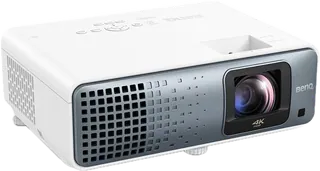
BenQ's 4K laser short-throw without built-in apps: 3,200 lumens, 240 Hz gaming at 1080p and eARC. Pick it if you already use a streaming stick or console.
-
TK710STi · BenQ
The same 4K laser short-throw as the TK710ST with Android TV built in, for a one-box living-room setup. Fixed lens position, so plan placement with keystone in mind.
-
TK700STi · BenQ · Superseded
The lamp-based 4K short-throw the TK710STi replaced. Its throw ratio is the longest here (about 6.5 ft for 100 inches), and Netflix doesn't run on its built-in apps.
-
TK705STi · BenQ
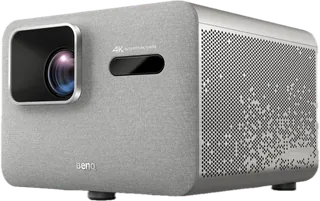
A compact 4LED 4K model with Google TV, auto focus and auto screen fit, built for moving between rooms. Fixed 0.8 lens with no zoom; max refresh is 60 Hz, so it's less suited to fast gaming.
-
X300G · BenQ · Discontinued
A small cube-shaped 4K 3LED gaming projector with an included Android TV dongle and 240 Hz at 1080p. Discontinued; BenQ points buyers to the TK705STi.
-
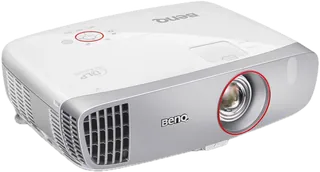
HT2150ST · BenQ · Discontinued
An older 1080p lamp short-throw for films and casual gaming, without 4K input or HDR. Discontinued; BenQ points buyers to the TK705STi.
-
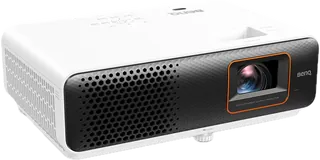
X500i · BenQ
BenQ's 4K 4LED short-throw gaming projector with 240 Hz at 1080p, 4.2 ms lag, eARC and an Android TV dongle. 2,200 lumens suits a dim room better than a bright one.
-
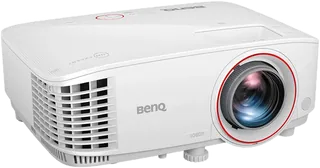
TH671ST · BenQ
The budget 1080p lamp short-throw: 3,000 lumens, 3D, and about 4.9 ft for a 100-inch picture. No 4K input, no HDR and no apps.
-
TH690ST · BenQ · Discontinued
A 1080p 4LED short-throw that accepts 4K HDR signals and runs 120 Hz with 8.3 ms lag, with no bulb to replace. No built-in apps; now end of life at BenQ.
-
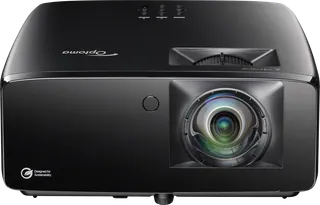
GT3900UHD · Optoma
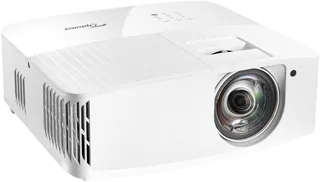
Optoma's 4K laser short-throw: 4,000 lumens, a 0.496 lens (about 3.6 ft for 100 inches), 240 Hz gaming and eARC. Fixed lens with no zoom and no built-in apps.
-
UHD35STx · Optoma · Superseded
A 4K lamp short-throw with a 0.5 lens and 240 Hz at 1080p for gaming. Older lamp design with a 1-year warranty; superseded in Optoma's lineup by the GT3900UHD.
-
GT2300HDR · Optoma
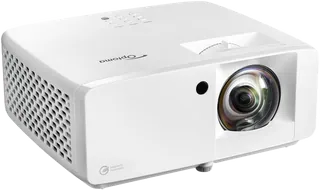
Optoma's current 1080p laser short-throw: 3,600 lumens, a 0.496 lens and four-corner keystone with Smart Fit auto alignment. Fixed lens and no built-in apps.
-
GT2100HDR · Optoma · Superseded
A bright 1080p laser short-throw (4,200 lumens) that fills 100 inches from about 3.6 ft. No ARC listed and no apps; replaced in Optoma's lineup by the GT2300HDR.
-
GT2000HDR · Optoma · Superseded
The earlier 1080p laser short-throw: 3,500 lumens, 4K HDR input and a 0.496 lens. No ARC and no apps; superseded by newer GT models.
-
GT1080HDR · Optoma · Superseded
An older 1080p lamp short-throw with the shortest throw here (0.49) and 3,800 lumens. The lamp lasts about 4,000 hours in normal mode.
-
X2-4K · ViewSonic
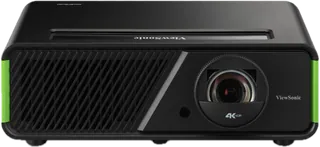
ViewSonic's 4K LED short-throw designed for Xbox, with 240 Hz at 1080p, auto focus and Harman Kardon speakers. ViewSonic US lists it with contact sales only, so stock is uncertain.
-
PX706HD · ViewSonic · Discontinued Feb 2024
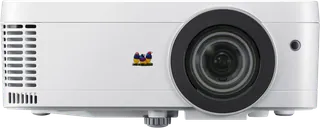
A 1080p lamp short-throw with USB-C input and 120 Hz gaming. Discontinued in 2024; still met as an upgrade-from model.
Suggest a change
Related comparisons
-
 Film genres
 are the labels that tell you what kind of story to expect. This grid compares 16 of them by where they came from, what they usually contain, the mood they aim for, how fast they move, and the films and directors that define them, so you can find what to watch next.
-
 Reel mowers
 cut grass with a scissor action that leaves a clean, even cut and uses no gas, oil or electricity. This grid compares push models from 14 to 20 inches wide on blades, cutting height, weight, wheels and warranty. The trade-off: they cut best on flat lawns of grass mowed often, and struggle with tall weeds, sticks and bumpy ground.
-
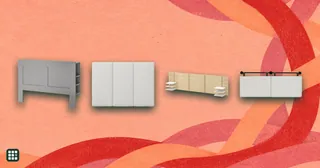 Headboards
A headboard is the panel behind your bed, and the choice comes down to how it attaches, how it feels to lean on and how much it costs. These grids compare wall-mounted, freestanding and storage headboards from IKEA, Nathan James and West Elm.
-
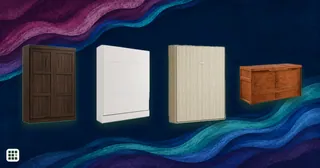 Murphy beds
 (wall beds) fold up out of the way so a guest room, office or studio apartment gets its floor back by day. This grid compares ready-to-assemble wall beds from Bestar, Lori and Expand Furniture with freestanding Murphy cabinet beds from Night & Day and AFI. The real trade-offs are wall mounting versus a freestanding cabinet, a lift mechanism versus lifting by hand, how much floor and ceiling space it needs, mattress limits, and what the price leaves out.
-
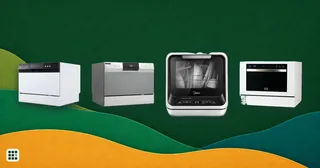 Countertop dishwashers
Compare countertop dishwashers for apartments, dorms, RVs, and small kitchens: faucet-connected six-place units from Midea, Danby, SPT, and Black+Decker, plus narrow two-place tank models that need no plumbing. The main trade-offs are capacity against counter space, noise, and whether you can hook it to your faucet.
-
 Portable washing machines
 let you do laundry in an apartment, dorm, RV, boat or cabin with no laundry hookup. This grid compares plug-in fully automatic washers, twin tub washers with a separate spinner, and no-electricity options like a hand-crank washer and a wash bag. The real trade-offs are capacity against effort: automatics run themselves but cost more and are heavier, twin tubs wash big loads cheaply but need you to move clothes, and manual washers go anywhere but only handle a few items.