



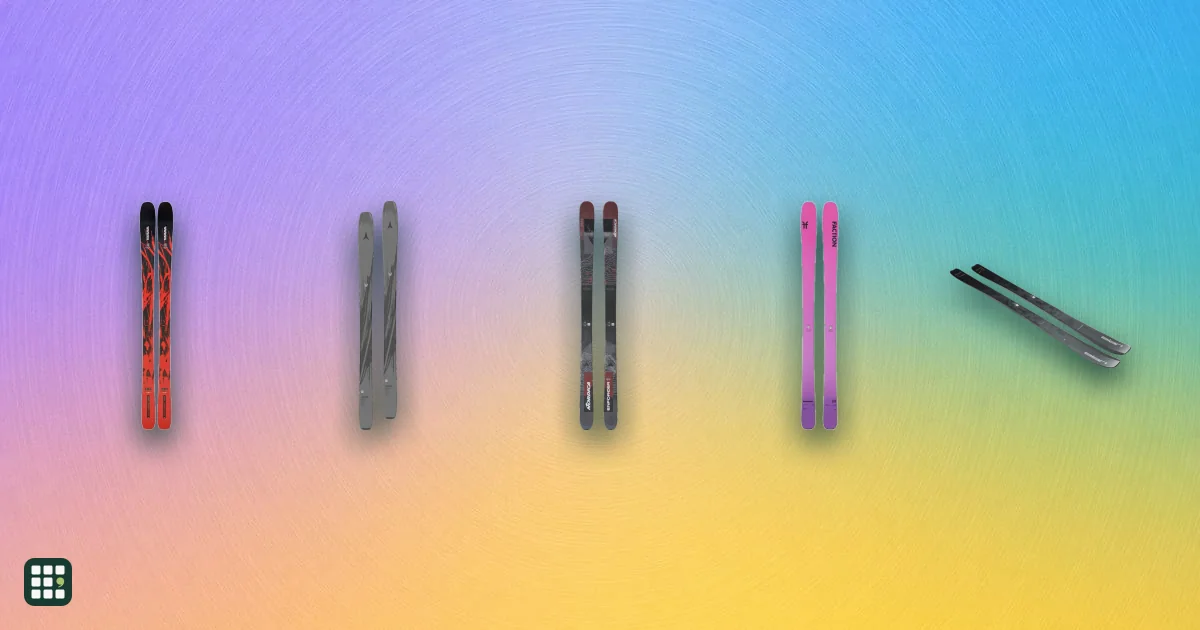
All-mountain skis
Compare current all-mountain skis by price, waist width, size range, turn radius, weight, profile, construction, and the terrain their makers describe them for.
Last updated
How to choose
Start with where you ski most. Narrower waists transition quickly edge to edge on firm groomers; wider waists offer more support in soft snow but feel slower on hardpack. A ski around 85–100 mm underfoot is a common resort compromise, though snow, terrain, and technique matter more than a single number.
Choose a length using the maker’s size chart and your height, weight, ability, and preferred turn shape. Longer skis generally add stability and float; shorter skis are easier to turn in tight terrain. Compare turn radius only at the same length, and remember that shape and flex affect how a ski feels.
Metal, wood, carbon, and elastomer layers change a ski’s weight, damping, and response. Compare the listed price for the flat ski itself: bindings, mounting, shipping, and seasonal discounts can change the total. Try a demo when possible and have bindings selected and mounted by a qualified ski shop.
Answer
Browse the table. Filter to what matters.
Use the filters below, then sign in if you want to shortlist and decide with friends.
Sign in to vote, hide products and features, and reorder.
Verified: hover a cell and click its green dot for the source Estimate: no cited source Not stated: the maker doesn't publish it
| Feature | ⠿ | ⠿ | ⠿ | ⠿ | ⠿ | ⠿ | ⠿ | ⠿ | ⠿ | ⠿ | ⠿ | ⠿ | ⠿ | ⠿ | ⠿ | ⠿ | ⠿ | ⠿ |
|---|---|---|---|---|---|---|---|---|---|---|---|---|---|---|---|---|---|---|
|
⠿
Price
|
||||||||||||||||||
|
⠿
Waist width
|
||||||||||||||||||
|
⠿
Available lengths
|
||||||||||||||||||
|
⠿
Turn radius
|
||||||||||||||||||
|
⠿
Published weight
|
||||||||||||||||||
|
⠿
Rocker profile
|
||||||||||||||||||
|
⠿
Core and reinforcement
|
||||||||||||||||||
|
⠿
Manufacturer stated use
|
||||||||||||||||||
|
⠿
Stiffness
|
||||||||||||||||||
|
⠿
Binding compatibility
|
||||||||||||||||||
|
⠿
Ability level
|
||||||||||||||||||
|
⠿
Womens version
|
No, separate Maven women's line
|
No, unisex model
|
No, unisex model
|
No, women's Experience W 86 is Basalt
|
No, separate Pandora women's line
|
|||||||||||||
|
⠿
Sidecut radius
|















Why these features matter
-
Price ($)
Skis span several hundred dollars; bindings, mounting and seasonal discounts can change the final setup cost.
-
Waist width (mm)
Narrower skis roll edge to edge quickly on firm snow; wider skis provide more flotation in soft snow.
-
Available lengths
Length affects stability, flotation and turning effort; choose using the maker’s size chart and your own measurements.
-
Turn radius
A shorter radius favors tighter turns, while a longer radius favors broader arcs; skier input and ski shape also matter.
-
Published weight
Lighter skis can feel easier to maneuver; heavier skis may feel more damped, though construction and balance matter too.
-
Rocker profile
Profile changes turn initiation, edge contact and flotation across firm and soft snow.
-
Core and reinforcement
Wood, metal, carbon and elastomer layers affect damping, stiffness, weight and the ski’s response.
-
Manufacturer stated use
Use labels help distinguish frontside-focused skis from wider models intended to explore softer snow and more terrain.
-
Stiffness
Stiffer skis hold their line at speed and on firm snow; softer skis bend more easily and forgive more in bumps and at lower speeds.
-
Binding compatibility
Most skis need a binding bought and mounted separately; knowing what the maker suggests and whether one is included helps you budget the full setup.
-
Ability level
Makers aim each ski at a skier level. A ski built for advanced skiers can feel demanding below that level, while one aimed at intermediates may not hold up to fast, aggressive turns.
-
Womens version
Women's versions often use lighter or softer construction and different graphics at similar widths; a separate women's line may ski differently from this model.
-
Sidecut radius (m)
A shorter radius turns more tightly and suits short, quick turns; a longer radius carves broader arcs at speed. Compare only at the same length.
About the products
-
K2 Mindbender 88 Men’s Skis (2027) · K2
88 mm all-mountain ski with a Titanal I-Beam, intended for piste, all-mountain and freeride use.
-
K2 Mindbender 96 Men’s Skis (2027) · K2
96 mm all-mountain ski with a Titanal I-Beam, intended for all-mountain and freeride use.
-
Atomic Maverick 96 CTI · Atomic
96 mm all-mountain ski with a carbon and Titanal reinforced wood core.
-
Nordica Enforcer 89 (2026/27) · Nordica
89 mm all-mountain ski aimed at trail skiing and firmer snow.
-
Faction Dancer 89 (2026/27) · Faction
89 mm approachable all-mountain ski with a lightweight poplar and fiberglass core.
-
Faction Dancer 99 (2026/27) · Faction
99 mm all-mountain freeride ski for exploring beyond groomers.
-
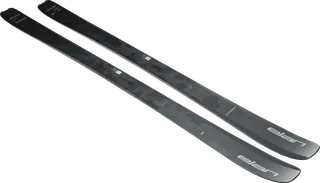
Elan Ripstick 88 Men’s Skis (2026/27) · Elan
88 mm resort ski for groomed and mixed conditions with an Amphibio profile.
-
Blizzard Rustler 9 (2026/27) · Blizzard
96 mm freeride ski with Trueblend Free woodcore and FluxForm Freeride Ti construction.
-
Blizzard Rustler 10 (2026/27) · Blizzard
102 mm freeride ski with Trueblend Free woodcore and FluxForm Freeride Ti construction.
-
Blizzard Rustler 11 (2026/27) · Blizzard
114 mm freeride ski with Trueblend Free woodcore and FluxForm Freeride Ti construction.
-
Rossignol Experience 82 Basalt (Konect) · Rossignol
82 mm all-resort ski with basalt layers, a paulownia core and integrated binding system.
-
Rossignol Experience 86 Ti Open · Rossignol
86 mm all-resort ski with Titanal layers and a PEFC-certified poplar wood core.
-
Rossignol Experience 86 Basalt Open · Rossignol
86 mm all-resort ski with basalt layers and a paulownia wood core.
-
Mantra 88 (2027) · Volkl
88 mm redesigned all-mountain ski with tailored carbon tips and a tailored titanal frame, for groomers, mixed snow and moguls.
-
Kore 88 Ti · HEAD
88 mm advanced freeride ski with two titanal layers, built for fast, long-radius carving and off-piste exploration.
-
Ranger 90 · Fischer
90 mm all-mountain ski for advanced skiers, with a titanal layer and sandwich sidewall construction; Fischer says it carves well and handles soft snow.
-
Camox · Black Crows
97 mm all-terrain ski, the fourth generation of Black Crows' versatile model, with a shorter radius and more even flex; Black Crows highlights its freestyle heritage.
-
LINE Chronic 94 (2027) · LINE
94 mm all-mountain freestyle ski; LINE lists it for all-mountain, freestyle and groomer use.
Suggest a change
Related comparisons
-
 Ski helmets
Ski and snowboard helmets range from simple, lightweight shells to feature-rich designs with adjustable vents, goggles-focused airflow, and built-in audio. Compare the safety standards each maker lists, impact-management systems, fit with your goggles, and the cost of replacing a helmet after a crash.
-
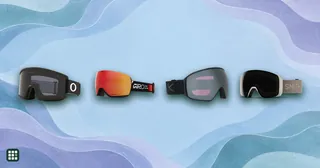 Ski goggles
Compare popular adult ski and snowboard goggles from Smith, Anon, Oakley and Giro. Start with the frame and helmet fit, then compare lens tint, spare lenses, swap systems and the gear included in the box. Regular prices and lens details refer to the linked configuration.
-
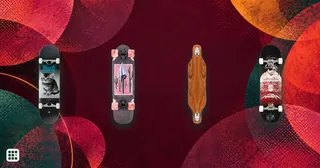 Skateboards
Complete skateboards come assembled with deck, trucks, wheels and bearings, so you can ride out of the box. This grid compares street, cruiser, longboard and surfskate completes by size, components and price, so you can see how a beginner street board differs from a carving longboard or a premium street setup.
-
 Golf push carts
 (push trolleys) let you walk the course without carrying your bag. They differ most in how small and how easily they fold, how much they weigh to lift into a trunk, three or four wheels, whether the front wheel swivels, the brake, and which holders come included rather than sold extra.
-
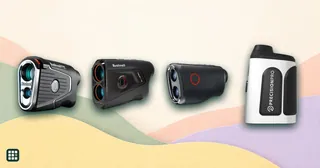 Golf rangefinders
Laser golf rangefinders compared on the things that change your yardages: slope and whether you can switch it off for tournaments, magnification and range, accuracy, pin-lock feedback, stabilization, display, battery, water resistance, weight, and price. Budget lasers now measure about as accurately as flagships; the extra money mostly buys brighter optics, steadier views, environmental slope, and GPS.
-
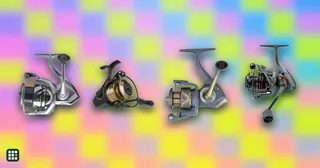 Spinning reels
A spinning reel is an easy-to-cast choice for freshwater and light inshore fishing. This comparison covers popular 2500-class reels from $69 to $255, with the trade-offs that matter most: price, weight, retrieve speed, maximum drag, line capacity and bearing count.