



VR headsets
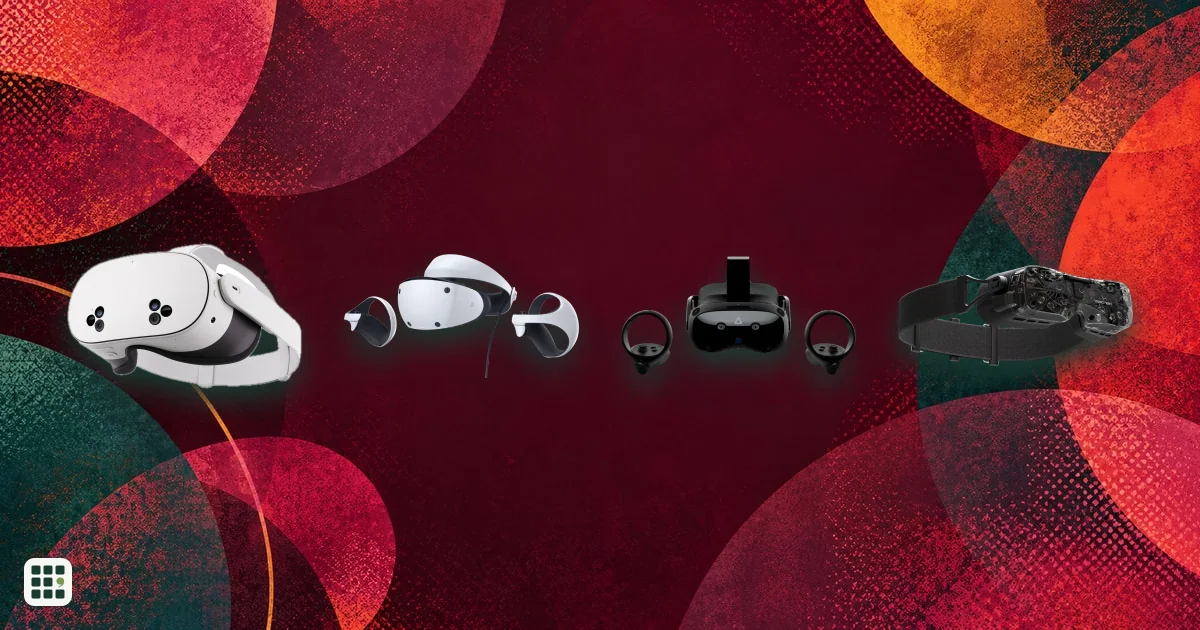
VR headsets put you inside games, workouts, movies and virtual workspaces; most now also do mixed reality, showing your room through cameras. This grid compares current headsets from Meta, Apple, Samsung, Sony, Valve, HTC and Bigscreen on price, standalone or tethered use, display sharpness, refresh rate, field of view, tracking, passthrough, weight and battery life. The big trade-offs are price against display quality, and the freedom of standalone headsets against the power of PC-tethered ones.
Last updated
How to choose
Decide what you will use it for
For games and fitness, a standalone headset with a big game store is the easiest start. For productivity, movies and virtual screens, display sharpness and comfort matter most. Serious sim racers and PC gamers get the most from PC-tethered headsets; PlayStation owners can use PS VR2.
Check what else you need
- Standalone headsets need only a phone app and Wi-Fi; many can also stream PC VR games.
- PC tethered headsets need a capable gaming PC with a recent graphics card, and some need external base stations.
- Console headsets need the matching console.
Compare the key specs
- Pixels per eye and display type: more pixels make text and distant detail sharper; OLED and micro-OLED give true blacks.
- Refresh rate and field of view: higher and wider feel smoother and more immersive.
- Weight and battery life: heavy headsets tire your neck; many last only about 2 hours unplugged.
- Passthrough and tracking: color passthrough enables mixed reality; hand and eye tracking let you skip controllers in menus.
Mind the ecosystem
Each platform has its own store. Check that the games and apps you want are available, whether you need an account (Meta requires one), and whether accessories such as a better strap or prescription lens inserts cost extra.
Comfort and safety
Try to check fit, especially with glasses. Clear a play space, take breaks if you feel motion sickness, and follow the makers' age guidance for children.
Answer
Browse the table. Filter to what matters.
Use the filters below, then sign in if you want to shortlist and decide with friends.
Sign in to vote, hide products and features, and reorder.
Verified: hover a cell and click its green dot for the source Estimate: no cited source Not stated: the maker doesn't publish it
| Feature | ⠿ | ⠿ | ⠿ | ⠿ | ⠿ | ⠿ | ⠿ | ⠿ | ⠿ | ⠿ |
|---|---|---|---|---|---|---|---|---|---|---|
|
⠿
Price
|
$999
|
$999
|
$1,099
|
$1,019
|
||||||
|
⠿
Type
|
Standalone, streams PC VR
|
Standalone, streams PC VR
|
Standalone
|
Standalone
|
Standalone, streams PC VR
|
PC tethered
|
Standalone, streams PC VR
|
PC tethered
|
||
|
⠿
Needs
|
Nothing
|
Nothing
|
Nothing
|
Nothing
|
Nothing
|
Base stations and gaming PC
|
Nothing
|
Base stations and gaming PC
|
||
|
⠿
Display type
|
LCD
|
LCD
|
LCD
|
LCD
|
LCD
|
|||||
|
⠿
Pixels per eye
|
11.5 MP
|
13.6 MP
|
4.7 MP
|
2.3 MP
|
6.6 MP
|
|||||
|
⠿
Max refresh rate
|
90 Hz
|
144 Hz
|
144 Hz
|
90 Hz
|
90 Hz
|
|||||
|
⠿
Field of view
|
110°
|
|||||||||
|
⠿
Lenses
|
Fresnel
|
Pancake
|
Pancake
|
Pancake
|
Aspheric
|
Pancake
|
Pancake
|
Pancake
|
||
|
⠿
Eye tracking
|
|
|
|
|
|
|
||||
|
⠿
Hand tracking
|
|
|
|
|
|
|||||
|
⠿
Controllers
|
Steam Frame Controllers (included)
|
Index controllers (included in kit)
|
VIVE controllers (included)
|
VIVE controllers (included)
|
Sold separately
|
|||||
|
⠿
Tracking
|
Inside-out
|
Inside-out
|
Inside-out
|
Inside-out
|
Base stations
|
Base stations
|
||||
|
⠿
Color passthrough
|
|
|
|
|
|
|
|
|||
|
⠿
Storage
|
Doesn't apply
|
256 GB
|
Doesn't apply
|
128 GB
|
Doesn't apply
|
|||||
|
⠿
Weight
|
514 g
|
515 g
|
560 g
|
440 g
|
809 g
|
785 g
|
625 g
|
|||
|
⠿
Battery life
|
Doesn't apply
|
Doesn't apply
|
Doesn't apply
|
|||||||
|
⠿
Operating system
|
Meta Horizon OS
|
Meta Horizon OS
|
PlayStation
|
SteamOS
|
SteamVR
|
VIVE OS
|
VIVE OS (Android-based)
|
SteamVR
|
||
|
⠿
Warranty
|
1 years
|
1 years
|
1 years
|
1 years
|
1 years
|
1 years
|
1 years
|
Why these features matter
-
Price ($)
Headsets run from about $300 to $3,500. Tethered headsets also need a PC or console, which can cost more than the headset.
-
Type
Standalone headsets work anywhere with no cables or computer. Tethered headsets need a PC or console but can run more demanding games.
-
Needs
The true cost includes the PC, console or tracking base stations a headset depends on.
-
Display type
OLED and micro-OLED give deep blacks and rich contrast for dark scenes; LCD is brighter and cheaper but grayer in the dark.
-
Pixels per eye (MP)
More pixels mean sharper text and less visible screen-door effect, which matters for productivity and watching video.
-
Max refresh rate (Hz)
Higher refresh rates make motion smoother and can reduce motion sickness.
-
Field of view (°)
A wider field of view feels more immersive; a narrow one feels like looking through binoculars.
-
Lenses
Pancake lenses allow slimmer headsets and are sharper edge to edge; Fresnel lenses are cheaper and can show glare rings.
-
Eye tracking
Eye tracking enables looking to select, more realistic avatars, and foveated rendering for better performance.
-
Hand tracking
Hand tracking lets you navigate menus and some apps without picking up controllers.
-
Controllers
Most VR games need tracked controllers; a headset without them in the box costs more to game on.
-
Tracking
Inside-out tracking needs no setup; base stations are more precise for fast games but must be mounted in the room.
-
Color passthrough
Color passthrough lets you see your room, place virtual screens around it, and play mixed-reality apps safely.
-
Storage (GB)
Games and apps can be several GB each; more storage means fewer deletions.
-
Weight (g)
Lighter headsets are more comfortable for long sessions and put less strain on the neck.
-
Battery life (hr)
Short battery life limits long movies or game sessions unless you play plugged in.
-
Operating system
The platform decides which apps and games you can get; libraries differ a lot between stores.
-
Warranty (years)
Headsets are worn, dropped and sweated in; a longer warranty covers early failures.
About the products
-
Meta Quest 3S · Meta
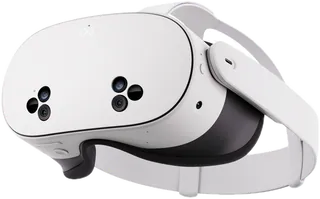
The cheapest way into VR and mixed reality: standalone, color passthrough, Touch Plus controllers and the full Quest game library. Uses older Fresnel lenses and a narrower 96° view than Quest 3.
-
Meta Quest 3 · Meta
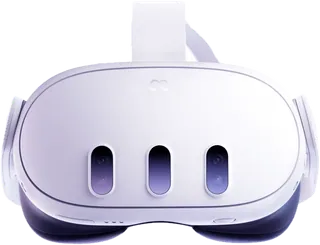
Meta's best headset: sharper 2064x2208 displays and pancake lenses with a 110° view, color mixed reality and 512 GB. Battery lasts about 2 hours; needs a Meta account.
-
PlayStation VR2 · Sony
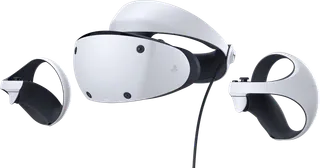
OLED headset with eye tracking and haptic Sense controllers for PS5 owners, tethered by one USB-C cable. Can also play SteamVR games with Sony's PC adapter (sold separately).
-
Apple Vision Pro · Apple
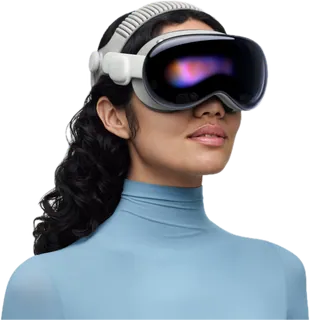
The sharpest headset here, with micro-OLED displays, eye and hand control and deep Mac and iPhone integration. Very expensive, heavy (750 g and up), and has few traditional VR games; controllers sold separately.
-
Galaxy XR · Samsung
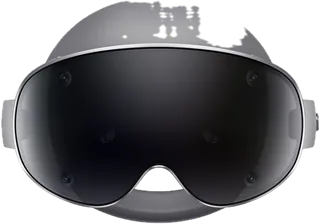
Android XR headset with 4K micro-OLED displays, eye and hand tracking and Google apps including Gemini, at about half the price of Vision Pro. Lighter (545 g); controllers sold separately.
-
Steam Frame · Valve
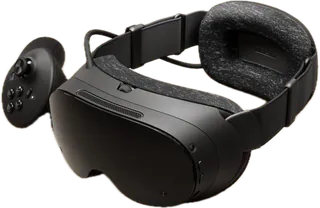
Valve's standalone SteamOS headset that also streams your PC's Steam library, with pancake lenses, eye tracking and included controllers. Sold through a reservation queue; passthrough is black and white only. Specs from press coverage of Valve's announcement.
-
Valve Index · Valve · Discontinued Oct 2026
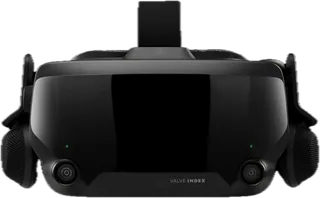
Valve's 2019 PC VR headset with 144 Hz LCDs, base-station tracking and finger-tracking Index controllers. Production has ended and remaining stock is selling out; needs a gaming PC and base stations.
-
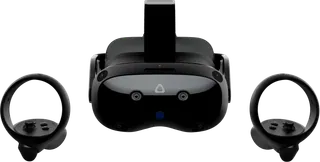
VIVE Focus Vision · HTC
Standalone headset with sharp 2448x2448 LCDs, eye tracking and color passthrough, which also plays PC VR over DisplayPort or Wi-Fi. Aimed at enthusiasts and businesses; smaller game store than Quest.
-
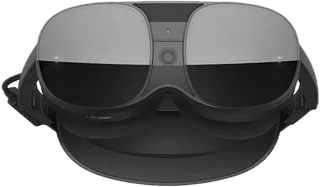
VIVE XR Elite · HTC
Compact convertible standalone headset with a removable battery and color passthrough. Older and lower resolution than Focus Vision.
-
Beyond 2 · Bigscreen
Ultralight (107 g) micro-OLED PC VR headset custom-fitted to your face. Needs SteamVR base stations, controllers and a strong gaming PC, all bought separately; the 2e version adds eye tracking.
Suggest a change
Related comparisons
-
 PC power supplies
A PC power supply converts wall power to the steady voltages every part in a desktop needs. This grid compares popular ATX and SFX units on wattage, efficiency, connectors, noise features and warranty.
-
 Game controllers
Compare game controllers by platform support, wired and wireless connections, stick sensing, rear controls, triggers, battery life, and US price. The best fit depends on what you play and which features matter to you.
-
 Steam Deck cases
A fitted shell protects the Deck while you play; a carrying case adds a barrier for storage and travel, often with room for accessories. Compare the two styles separately, and check whether your shell, dock and travel accessories fit together before buying.
-
 Nintendo Switch 2 cases
Compare travel cases and fitted protective shells designed for Nintendo Switch 2, including fit, dock use, controller clearance, and storage.
-
 Racing wheels
 range from $130 gear-driven sets to premium direct-drive bases. This grid compares popular wheel kits for PC, PlayStation and Xbox on torque, drive type, pedals, platform support and full cost, so you can match a wheel to how you race and what you already own.
-
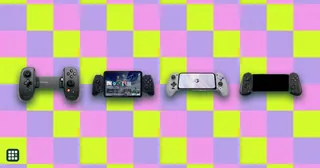 Gaming controllers for phones
Phone gaming controllers turn a phone into a handheld: plug-in clamps that hold the phone between two grips, or Bluetooth gamepads with a clip. This grid compares them on phone support, connection, battery, sticks, buttons, and price so you can match one to your phone and games.