



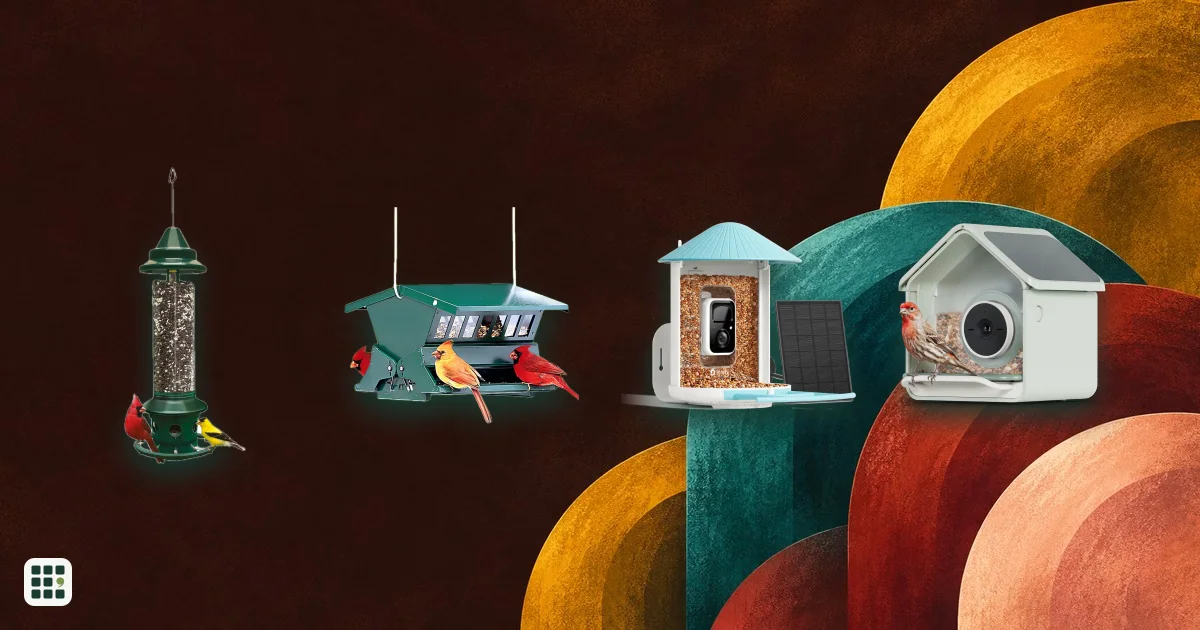
Bird feeders
Bird feeders range from simple seed tubes and hoppers to squirrel-proof designs and solar camera feeders that identify visiting species. This grid compares popular US models on price, what they hold, squirrel resistance, ease of cleaning, and what the smart ones cost to run.
Last updated
How to choose
Start with the birds you want to attract, then the pests you want to keep out.
Pick the food and feeder type
- Black oil sunflower seed suits most songbirds and fits hoppers and tube feeders.
- Nyjer (thistle) draws goldfinches and needs a feeder with very small ports.
- Suet cakes feed woodpeckers, nuthatches and chickadees and need a suet cage or feeder.
- Window feeders stick to the glass with suction cups for close-up viewing, but hold little.
Decide how much squirrels matter
If squirrels raid your yard, a weight-activated feeder that closes its ports or perches under their weight saves seed and money. It costs more up front. Without squirrels, a plain tube or hopper does the job. Note where you will hang it: squirrels jump, so mounting height and distance from branches count as much as the feeder.
Compare capacity and cleaning
A bigger hopper means fewer refills, but seed that sits too long goes bad. Look for a feeder you can take apart or open from the top, because dirty feeders can spread disease among birds. Wash them regularly and let them dry before refilling.
Think about a camera feeder
Smart feeders add a camera and species identification. Check the full cost: some features need a paid plan after a trial, and the feeder needs sun, a battery charge or a nearby power source. Also check Wi-Fi reach where you plan to hang it.
Check the warranty
Warranties run from one year to limited lifetime. For a feeder that lives outdoors, a longer one is worth a look.
Answer
Browse the table. Filter to what matters.
Use the filters below, then sign in if you want to shortlist and decide with friends.
Sign in to vote, hide products and features, and reorder.
Verified: hover a cell and click its green dot for the source Estimate: no cited source Not stated: the maker doesn't publish it
| Feature | ⠿ | ⠿ | ⠿ | ⠿ | ⠿ | ⠿ | ⠿ | ⠿ |
|---|---|---|---|---|---|---|---|---|
|
⠿
Price
|
||||||||
|
⠿
Feeder type
|
||||||||
|
⠿
Foods it holds
|
||||||||
|
⠿
Seed capacity
|
Doesn't apply
|
Doesn't apply
|
2.7 lb
|
1.6 lb
|
||||
|
⠿
Feeding ports
|
Doesn't apply
|
Doesn't apply
|
||||||
|
⠿
Squirrel resistance
|
None claimed
|
None claimed
|
None claimed
|
None claimed
|
||||
|
⠿
Material
|
||||||||
|
⠿
Mounting
|
||||||||
|
⠿
Height
|
13.25 in
|
18.625 in
|
||||||
|
⠿
Has camera
|
|
|
|
|
|
|
||
|
⠿
Camera resolution
|
Doesn't apply
|
Doesn't apply
|
Doesn't apply
|
Doesn't apply
|
Doesn't apply
|
Doesn't apply
|
||
|
⠿
Power
|
None needed
|
None needed
|
None needed
|
None needed
|
None needed
|
None needed
|
||
|
⠿
Subscription for full features
|
None
|
None
|
None
|
None
|
None
|
None
|
||
|
⠿
Warranty
|
||||||||
|
⠿
Easy cleaning
|

Why these features matter
-
Price ($)
Feeders run from about $20 to over $150, and smart feeders add an optional subscription; compare cost over the years you will keep it.
-
Feeder type
Style decides which birds come and how much seed spills or spoils.
- Tube
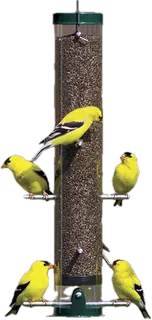
- : Vertical seed tube with ports and perches. Good for small songbirds; less so for larger birds.
- Hopper
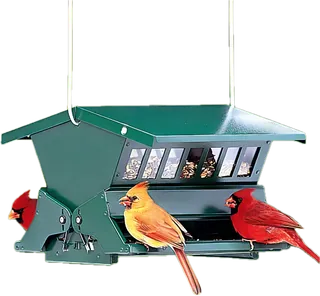
- : A roofed box that releases seed into a tray. Holds a lot and attracts a wider mix of birds.
-
Foods it holds
A feeder built for one food does poorly with another; match it to the birds you want.
- Nyjer
- : Tiny black thistle seed that goldfinches and other finches love; needs a feeder with very small ports.
-
Seed capacity (lb)
Larger capacity means fewer refills; small capacity keeps seed fresh in slow seasons.
-
Feeding ports
More ports let more birds eat at once, which reduces squabbles.
-
Squirrel resistance
Squirrels empty ordinary feeders in a day; a true squirrel-proof design saves seed but costs more.
- Weight-activated
- : A perch or shroud closes the seed ports when a squirrel's weight lands on it. Worth it if squirrels empty your feeder; skip it if you have none.
-
Material
Metal lasts longer and resists chewing; plastic is cheaper and lighter.
-
Mounting
Mounting decides where it can go and whether a pole must be bought separately.
-
Height (in)
Taller feeders need more hanging room and are harder to reach.
-
Has camera
Camera feeders let you watch and identify birds from a phone.
-
Camera resolution
Higher resolution gives clearer bird photos, but wifi range and the app matter as much.
-
Power
Solar models avoid charging chores; non-powered feeders have nothing to charge.
-
Subscription for full features
Subscriptions add yearly cost and sometimes gate cloud video or the best AI identification.
-
Warranty
A longer guarantee shows how long the maker expects the feeder to last.
-
Easy cleaning
Dirty feeders spread disease, so one you can take apart quickly gets cleaned more often.
About the products
-
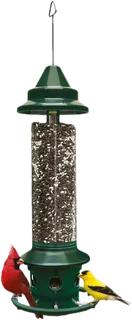
Squirrel Buster Plus · Brome
Largest tube feeder in Brome's squirrel-proof line; the shroud closes the ports under a squirrel's weight. Suits seed eaters who fight squirrels daily.
-
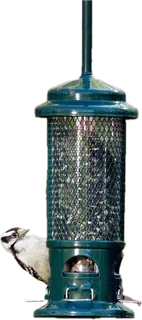
Squirrel Buster Standard · Brome
Smaller, cheaper version of the weight-activated Squirrel Buster tube feeder.
-
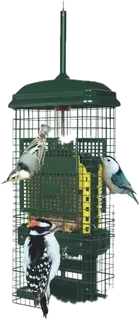
Squirrel Buster Suet · Brome
Squirrel-proof suet feeder for woodpeckers, nuthatches and chickadees.
-
Absolute II · Duncraft
Large all-steel hopper with spring-loaded perches that shut under a squirrel's weight; high capacity.
-
Classic Nyjer Tube · Duncraft
Simple tube feeder with tiny ports for nyjer (thistle) seed; aimed at goldfinches and other finches.
-
Cardinal Classic Window Feeder · Duncraft
Small tray feeder that sticks to a window for close-up viewing.
-
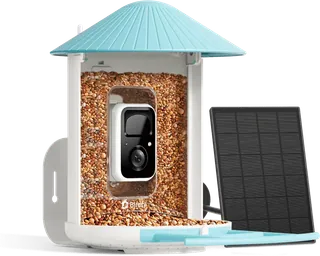
Birdfy Feeder (solar) · Birdfy
Smart feeder with built-in camera and AI bird identification, powered by a solar panel.
-
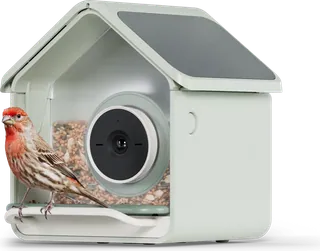
Birdbuddy Nook Solar · Bird Buddy
Smart camera feeder with AI species identification and a solar roof.
Suggest a change
Related comparisons
-
Bird travel carriers
Bird travel carriers range from light soft bags to rigid wire cages and airline-focused carriers. Compare size, price, carrying style, perch and restraint features, then choose for the bird, trip and transport rules you actually face.
-
 Greenhouses
Greenhouse kits let you start seedlings early, protect tender crops from frost and grow through a longer season. This grid compares backyard walk-in kits from small budget aluminum and polycarbonate models to premium and wood-framed greenhouses on size, glazing, weather ratings, vents, doors, warranty and price. The main trade-off is price against strength and insulation: budget kits are cheap but state few weather ratings, while premium kits cost many times more.
-
 Pruning shears
 (hand pruners or secateurs) are one-handed cutters for stems and small branches. The choice comes down to cut type (bypass slices live wood cleanly, anvil crushes dry wood, ratchet adds leverage), hand size, and whether you want a repairable tool that lasts decades or a cheap one you replace.
-
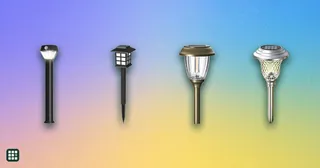 Solar pathway lights
Compare solar pathway lights by price per light, brightness, nightly runtime, battery, weather rating, and materials. Choices range from dim decorative plastic stakes to brighter metal lights and smart motion-sensing pathlights. Real output and runtime depend on sunlight, season, and shade.
-
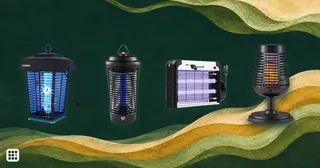 Bug zappers
 draw flying insects to a UV light and kill them on an electrified grid. The choice is between plug-in lanterns for the yard, quiet solar or cordless units, indoor models, and handheld rackets. They kill many harmless moths and beetles and fewer mosquitoes than their coverage claims suggest, so match the type to the pest and the place.
-
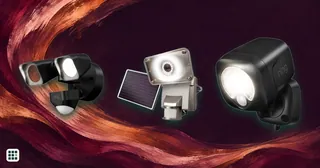 Motion sensor lights
 switch on when someone or something moves past, so you light a driveway, door or path only when needed. This grid compares outdoor models by power source (hardwired, battery or solar), real brightness, how far they sense motion, weather rating, smart features and warranty.