



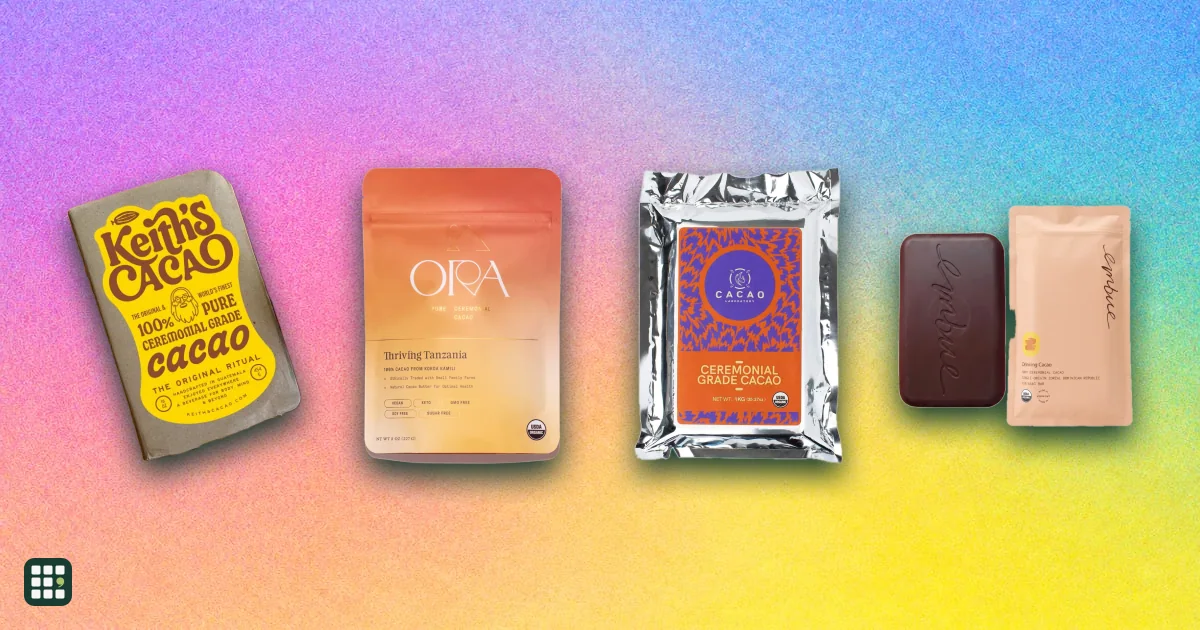
Ceremonial Cacao
Ceremonial cacao is whole cacao beans ground into a paste, with the cocoa butter left in, sold for drinking as a thick, unsweetened cup. Brands differ in origin and bean variety, whether the beans are roasted or raw, the form (blocks, discs, shavings or powder), how much they publish about heavy metals, and price per ounce, which ranges widely. This grid compares popular brands sold direct in the US.
Last updated
How to choose
"Ceremonial" is a marketing term, not a regulated grade. What you are really choosing is a single-ingredient cacao paste, and the differences that matter are where it comes from, how it was processed, how much you pay per cup, and what the maker can show about safety.
1. Decide how you will use it
- Daily cup: price per serving and a subscription matter most. Discs, wafers and shavings are easiest to measure every morning.
- Occasional or group ceremonies: a 1 lb or 1 kg block is usually cheapest per ounce, and chopping it is part of the ritual for many people.
2. Check the ingredient list
Most ceremonial cacao is 100% cacao. If you want sweetener, spices or mushrooms, you can add them yourself; blends cost more per ounce of cacao and you cannot adjust them.
3. Look for heavy metal results
Cacao naturally takes up cadmium from soil and can pick up lead after harvest. A ceremonial serving is often 20–40 g of pure cacao, far more than a square of chocolate, so this matters more than it does for candy. Prefer makers that publish lab results for the product you buy, not just a statement that they test. Pregnant people and children should be especially careful.
4. Compare price per serving, not per bag
Package sizes run from a few ounces to over two pounds, and recommended servings from about 10 g to over 40 g. Divide the bag's weight by the serving you will actually use. Subscriptions and free-shipping thresholds can change the real cost by 10–20%.
5. Origin, variety and processing
- Origin and variety shape flavor: Guatemalan and Peruvian native varieties tend to be earthy and fruity, Ecuadorian Nacional floral. Many drinkers try several.
- Raw vs roasted: raw (unroasted or sun-dried) cacao is marketed for preserved compounds, but there is little evidence it matters for a drink; lightly roasted cacao tastes more chocolatey and roasting reduces microbial risk.
6. Sourcing claims
Many brands say they work directly with farmers. Stronger claims name the cooperative or families, state the price paid, or come from producer- or Indigenous-owned companies. Fair Trade and organic certifications are checked by third parties; "grown organically" is not.
7. Before you buy
- Cacao is a stimulant (theobromine and some caffeine). Start with a smaller dose, and check with a doctor if you take MAOIs or antidepressants, have heart conditions, or are pregnant.
- Health and spiritual benefits on product pages are claims, not tested results.
Answer
Browse the table. Filter to what matters.
Use the filters below, then sign in if you want to shortlist and decide with friends.
Sign in to vote, hide products and features, and reorder.
Verified: hover a cell and click its green dot for the source Estimate: no cited source Not stated: the maker doesn't publish it
| Feature | ⠿ | ⠿ | ⠿ | ⠿ | ⠿ | ⠿ | ⠿ | ⠿ | ⠿ | ⠿ | ⠿ | ⠿ | ⠿ | ⠿ | ⠿ | ⠿ | ⠿ | ⠿ | ⠿ | ⠿ | ⠿ | ⠿ | ⠿ | ⠿ | ⠿ | ⠿ | ⠿ | ⠿ | ⠿ |
|---|---|---|---|---|---|---|---|---|---|---|---|---|---|---|---|---|---|---|---|---|---|---|---|---|---|---|---|---|---|
|
⠿
Price
|
$39.99
|
$59
|
$54
|
$54
|
$59.99
|
$58
|
|||||||||||||||||||||||
|
⠿
Package size
|
16 oz
|
16 oz
|
|||||||||||||||||||||||||||
|
⠿
Price per ounce
|
$3.44/oz
|
$3.38/oz
|
$4.06/oz
|
$3.12/oz
|
$4.99/oz
|
$2.34/oz
|
$4.06/oz
|
$4.06/oz
|
$4.37/oz
|
$4.37/oz
|
$4.37/oz
|
$4.37/oz
|
$3.69/oz
|
$3.38/oz
|
$3.38/oz
|
$4.36/oz
|
$3.25/oz
|
$2.44/oz
|
$3.75/oz
|
$3.44/oz
|
$3.44/oz
|
$3.12/oz
|
$3.63/oz
|
$2.63/oz
|
$2.50/oz
|
$2.88/oz
|
$2.81/oz
|
||
|
⠿
Origin
|
|||||||||||||||||||||||||||||
|
⠿
Cacao variety
|
Not stated
|
Not stated
|
Not stated
|
||||||||||||||||||||||||||
|
⠿
Form
|
Paste block
|
Paste block
|
Paste block
|
Paste block
|
Paste block
|
Paste block
|
Discs
|
Discs
|
Discs
|
||||||||||||||||||||
|
⠿
Processing
|
Roasted, stone-ground
|
Roasted, stone-ground (ORA standard process)
|
Roasted, stone-ground (ORA standard process)
|
Roasted, stone-ground (ORA standard process)
|
|||||||||||||||||||||||||
|
⠿
Single ingredient
|
|
|
|
|
|
|
|
|
|||||||||||||||||||||
|
⠿
Certified organic
|
|
|
|
|
|
|
|
|
|
|
|
|
|
||||||||||||||||
|
⠿
Heavy metal lab testing
|
None stated
|
None stated
|
None stated
|
None stated
|
None stated
|
None stated
|
None stated
|
None stated
|
None stated
|
None stated
|
None stated
|
Says tested, results not public
|
Says tested, results not public
|
None stated
|
|||||||||||||||
|
⠿
Sourcing model
|
|||||||||||||||||||||||||||||
|
⠿
Serving size
|
28 g
|
15 g
|
28 g
|
28 g
|
28 g
|
28 g
|
28 g
|
28 g
|
28 g
|
28 g
|
28 g
|
25 g, 2 Tbsp; 16 oz bag = 18 servings
|
|||||||||||||||||
|
⠿
Servings per package
|
16
|
16, at 1 oz daily dose
|
8, at 1 oz daily dose
|
16, at 28 g; about 10 at 42 g
|
|||||||||||||||||||||||||
|
⠿
Subscription discount
|
0%, no subscription
|
15%
|
0%, subscription offered, no discount
|
12.5%, 25% off first order, then $5 off ($34.99)
|
50%, Subscribe and Save offer; whether it lasts past the first order isn't stated
|
3%
|
0%
|
15%
|
15%
|
15%
|
0%, subscription offered, no discount
|
0%, subscription offered, no discount
|
0%, subscription offered for Zorzal only
|
0%, no subscription for this product
|
0%, no subscription
|
15%
|
5%
|
0%
|
7.5%
|
8.7%
|
0%
|
||||||||
|
⠿
Free US shipping threshold
|
$95
|
$95
|
$95
|
$95
|
$99.98, on 2 lb or more
|
Doesn't apply
|
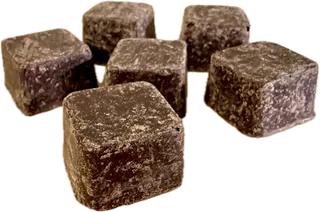
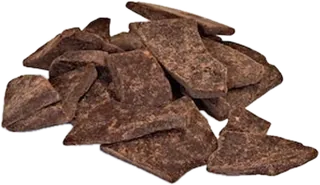
Why these features matter
-
Price ($)
The sticker price for one bag or block. Compare it with price per ounce, since sizes differ a lot.
-
Package size (oz)
Bigger packs cost less per cup but take months to finish; cacao keeps well, but smaller sizes are an easier first try.
-
Price per ounce ($/oz)
The fair way to compare value across brands sold in very different sizes.
-
Origin
Origin shapes flavor and tells you whose farms you are buying from; many drinkers try several.
-
Cacao variety
Heirloom and native varieties are prized for flavor and tradition; a vague answer may mean a commodity blend.
-
Form
Discs, shavings and powder dissolve fast and measure easily; blocks need chopping but are often the cheapest per ounce.
-
Processing
Raw cacao is marketed for preserved compounds; gently roasted cacao is safer from pathogens and tastes more chocolatey. Buyers who care either way should check this.
-
Single ingredient
Most ceremonial cacao is pure cacao so you control sweetness and spices; blends trade that for convenience.
-
Certified organic
A certification is checked by a third party; "grown organically" claims are not.
-
Heavy metal lab testing
Cacao can carry lead and cadmium, and daily ceremonial doses are large. Published results let you check what you drink.
-
Sourcing model
Ceremonial cacao is sold on its link to growers; direct relationships and published prices paid are stronger than general claims.
-
Serving size (g)
Serving sizes run from about 10 g to 45 g, which changes how long a bag lasts and how strong a cup is.
-
Servings per package
A truer measure of value than weight, since makers recommend different doses.
-
Subscription discount (%)
Daily drinkers can save noticeably by subscribing, though it locks in one origin and pace.
-
Free US shipping threshold ($)
Shipping can add 10–20% to a small order; a threshold shapes how much to buy at once.
About the products
-
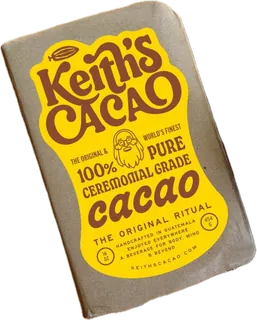
Keith's Cacao Ceremonial Cacao · Keith's Cacao
The long-running original ceremonial cacao brand: a solid block made by hand in San Marcos la Laguna, Guatemala, from native Criollo beans, sold for a strong 28 g cup. Suits people who want the classic brand; it publishes no organic certification or heavy metal results on the product page. Also sold as a 6 oz bar.
-
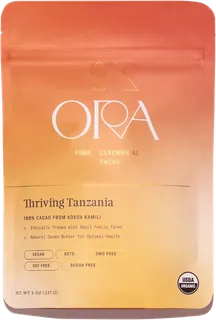
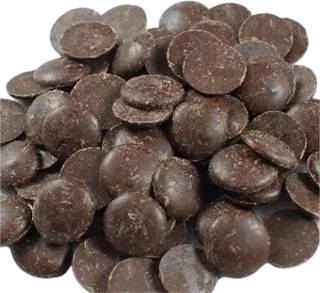
Thriving Tanzania · Ora Cacao
Certified organic cacao from Tanzania's Kilombero Valley, sold as small discs that are easy to count out and melt. Ora publishes heavy metal results by origin, and this origin tests very low for lead. Other single origins (Belize, India, Uganda, Guatemala, Colombia) and spiced or mushroom blends are sold too; some origins are often out of stock.
-
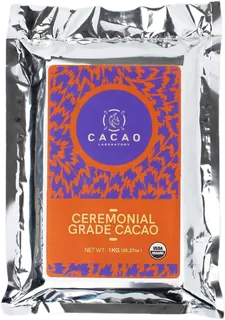
Arriba Nacional · Cacao Laboratory
A 1 kg (2.2 lb) block of organic heirloom Arriba Nacional cacao from Manabí, Ecuador, with floral, fruity notes. The big block makes it one of the cheapest per ounce here, and the maker publishes a heavy metal report. Also sold granulated in 1 lb bags and 8 oz tins for easier measuring.
-
Heart of the Earth · Soul Lift Cacao
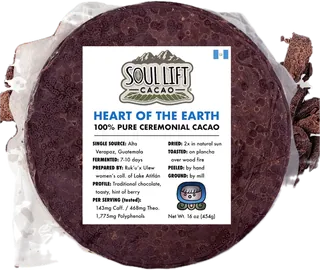
Paste from an Indigenous family farm in Alta Verapaz, Guatemala, roasted over a wood fire by a women's collective at Lake Atitlán. Soul Lift is strong on telling you whose cacao you're buying, but it costs more per ounce than most and the subscription saves only 3%. It also sells Mexican and Costa Rican origins, and a pre-chopped version.
-
High Amazon Basin · Cacao Adventures
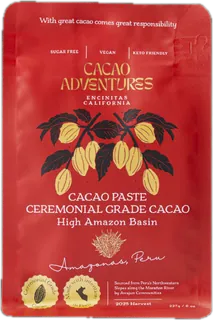
Coins of native Amazon cacao bought directly from Awajún communities in Amazonas, Peru. The coins make daily doses easy (about 4 coins for 21 g). Its lab testing covers polyphenols; it doesn't publish heavy metal results. Other origins include Sacred Valley (Chuncho) and Tropical Desert.
-
KORACAO Ceremonial Cacao Shards · KORACAO
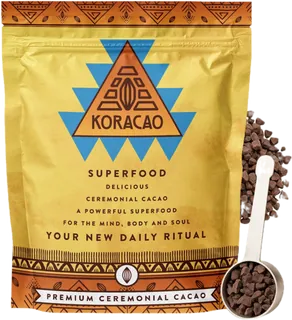
Sun-dried Peruvian Criollo cacao in small shards that melt quickly, sold in a 227 g bag with multi-bag and subscription discounts. Small bags make it an easy first try, but it is the priciest per ounce here and publishes no organic certification or heavy metal results.
-
Embue Zorzal Ceremonial Cacao Bar · Embue Cacao
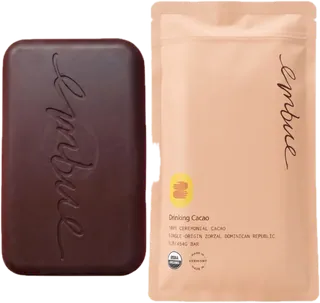
A 1 lb bar of USDA Organic cacao from one farm, Reserva Zorzal in the Dominican Republic, made in Vermont and shaved into the cup. It is the cheapest per ounce here and publishes its full Eurofins lab numbers (lead, cadmium, flavanols, caffeine). Also sold as 8 oz flakes and from Uganda.
-
Lavalove · Soul Lift Cacao
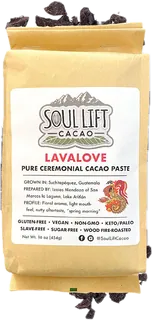
A blend from small neighboring farms on Guatemala's volcanic Pacific Coast, roasted and peeled by hand: malty and floral, lighter than Soul Lift's highland cacaos. Sold as a 1 lb block or pre-chopped.
-
Mitla · Soul Lift Cacao
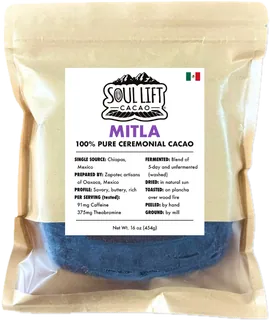
Mexican cacao grown in Soconusco, Chiapas, and toasted and peeled by Zapotec women in Oaxaca. A Soul Lift exclusive and its first Mexican cacao; 1 lb or 1/2 lb blocks.
-
Betena · Soul Lift Cacao
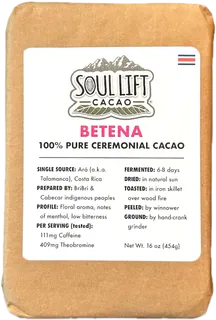
The only Costa Rican cacao here, from the southern lands of the BriBri and Cabécar peoples. Also sold in 1/2 lb and 1/4 lb blocks, a cheap way to try it.
-
Pacalá · Soul Lift Cacao
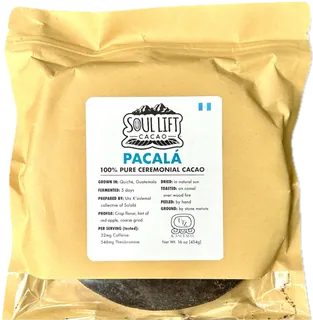
A newer variety from the Utz K'aslemal collective, grown in northern Guatemala and roasted over a wood fire in Sololá. Block or pre-chopped, 1 lb.
-
El Grano de Oro · Soul Lift Cacao
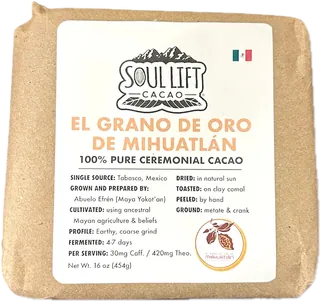
Cacao from Abuelo Efrén's farm in Miahuatlán, Tabasco, grown in the Yokot'an Maya tradition. No subscription option; 1 lb or 1/2 lb blocks.
-
Nativo Blanco · Soul Lift Cacao
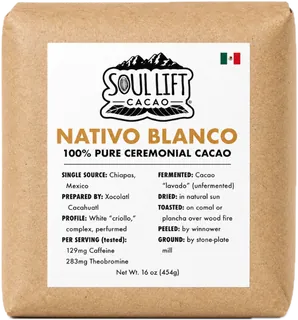
Made from washed, unfermented white cacao from Chiapas, which gives an unusual, milder flavor. 1 lb block only.
-
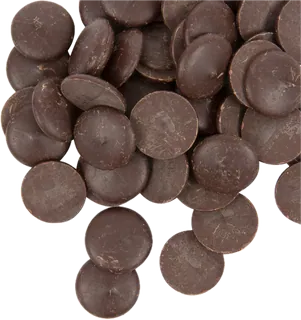
Boundless Belize · Ora Cacao
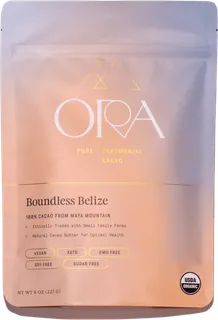
Organic discs from Maya Mountain in Toledo, Belize, and one of Ora's lowest-lead origins in its published tests. Sold in 1/2 lb to 5 lb sizes.
-
Illuminating India · Ora Cacao
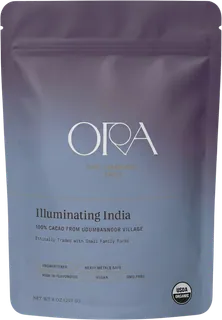
Organic discs from about 200 smallholder farmers around Udumbannoor village in India's Western Ghats; an unusual origin with low published lead.
-
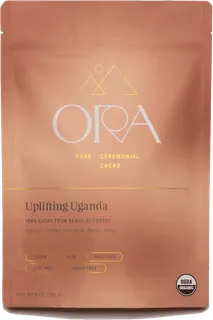
Uplifting Uganda · Ora Cacao
Organic discs from the Semuliki Forest Collective in western Uganda. Ora's published lead result for this origin is its highest, though still low, and it says it is working to cut it.
-
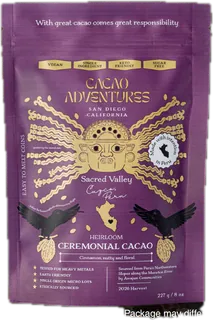
Sacred Valley · Cacao Adventures
Coins of Chuncho, Peru's prized native variety, from small family farms in Quillabamba near Cusco. Warm and cinnamon-like; sold in 1/2 lb bags only, so it costs more per ounce than the brand's 1 lb origins.
-
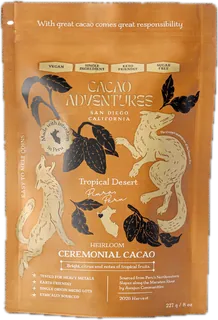
Tropical Desert · Cacao Adventures
Coins from small family farms in the dry Morropón region of Piura on Peru's north coast, with a cleaner, less tannic flavor than jungle cacao. 1 lb or 1/2 lb.
-
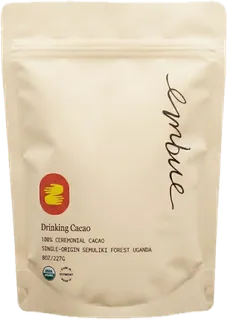
Embue Semuliki Forest Flakes · Embue Cacao
USDA Organic flakes from smallholder farmers near Uganda's Semuliki Forest, made in Vermont. Flakes melt fast and need no chopping; sold in 8 oz bags or a case of six.
-
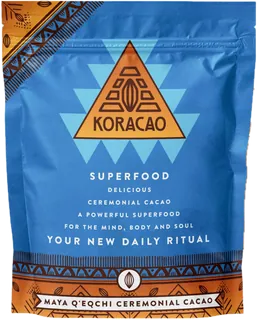
Maya Q'eqchi · KORACAO
KORACAO's Guatemalan cacao from the Maya Q'eqchi' community in the highlands; a bigger 30-serving bag with steep multi-bag discounts. Package weight isn't stated, and the single-bag price only shows in its bundle maths.
-
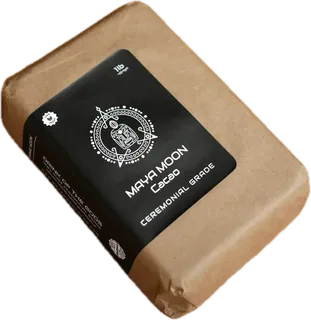
Maya Moon Ceremonial Cacao Block · Maya Moon Cacao
A 1 lb block from Alta Verapaz, Guatemala, roasted, peeled and ground by Indigenous mothers at Lake Atitlán. Carries the brand's own Certified Ceremonial Cacao label; a 1/2 lb block is also sold.
-
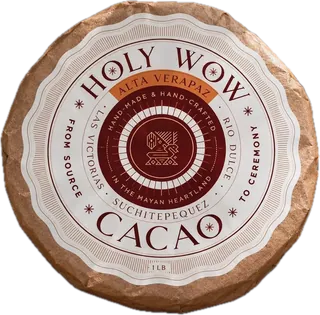
Holy Wow Ceremonial Cacao · Holy Wow Cacao
Blocks made by a women's collective at Lake Atitlán, with five Guatemalan origins to choose from (Río Dulce, Suchitepéquez, Las Victorias, Alta Verapaz, El Mestizo) at the same price. Good for tasting origins side by side; a 5-origin mini set is sold too.
-
Diego's GuateMayan Ceremonial Cacao Block · Diego's Chocolate
A 1 lb block of heirloom Kampura cacao, fire-roasted and made by a Tz'utujil Mayan family workshop at Lake Atitlán that has made chocolate since 1990. Free shipping only when you buy 2 lb.
-
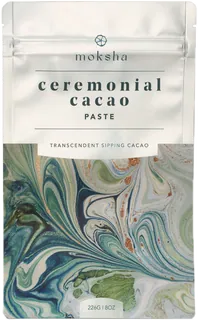
Moksha Ceremonial Reserve Cacao Paste · Moksha Chocolate
Stone-ground paste squares from the same Zorzal farm in the Dominican Republic as Embue, made by a small Boulder chocolate maker. The cheapest bar to try here, but the page doesn't state its weight.
-
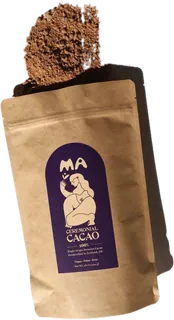
Ma Cacao 100% Ceremonial Cacao · Ma Cacao
Heirloom Peruvian cacao from family farms on the Ucayali River, slow-roasted, stone-ground and then ground to a powder that keeps its cacao butter. Powder dissolves easily; 8 oz or 1 lb bags.
-
Ecuador Paste · The Cacao Connection
Fair Trade Nacional cacao from family farms in Esmeraldas, Ecuador, as stone-ground wafers. Flat-rate shipping is included in the price, but it ships only to the continental US and offers no subscription.
-
Peru Criollo Wafers · The Cacao Connection
Certified organic Criollo wafers from southern Peru; the maker says every lot is lab-tested for lead and cadmium but doesn't post results. Shipping included; small discount on a subscription.
-
Colombia Cubes · The Cacao Connection
Pre-cut cubes of lightly roasted cacao from one multigenerational family farm in Colombia's highlands; four cubes make a ceremonial cup. Shipping included.
-
Silvermoon Ceremonial Cacao Paste · Silvermoon Chocolate
A blend rather than a single origin: Peruvian Criollo and Trinitario, plus Ecuadorian Arriba Nacional when available, sold raw by a small chocolate maker. No subscription.
Suggest a change
Related comparisons
-
 Specialty coffee shops in Montmartre, Paris, France
The Butte Montmartre now has a dense cluster of specialty coffee shops, from café-roasters on rue des Trois Frères and rue Ravignan to brunch spots on rue des Martyrs and tiny espresso bars by Abbesses. This grid compares them café by café: who roasts the coffee, filter or espresso, what a flat white costs, opening days, food, seating and terraces, and what each café actually says about laptops, Wi-Fi, power outlets and wheelchair access.
-
 Mushroom coffee
 blends coffee with functional mushroom ingredients and comes in instant, ground, pod and ready-to-mix formats. Compare serving cost, caffeine, preparation and which ingredients the label actually lists; published mushroom amounts and extraction details vary.
-
 Coffee grinders
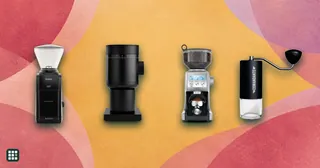
Compare burr coffee grinders sold in the US, from budget hand grinders to single-dose electric grinders: Baratza, Breville, OXO, Cuisinart, Fellow, Niche, Timemore, 1Zpresso, and Comandante. The key choices are whether you need espresso, hand or electric, and hopper or single dose.
-
 Cold brew makers
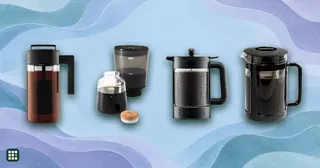
Compare currently sold home cold brew makers from Takeya, OXO, Hario, Toddy, KitchenAid, Asobu, Bodum, and Primula. Options range from compact filter pitchers and travel brewers to large drain-through concentrate systems; compare price, batch size, brew and filter methods, fridge fit, and cleanup.
-
 Milk frothers
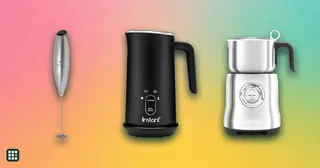
 range from small handheld whisks to countertop jugs that heat milk and make hot or cold foam. Compare whether you need a separate heater, batch size, cleanup, and what the maker charges.
-
 Countertop ice makers
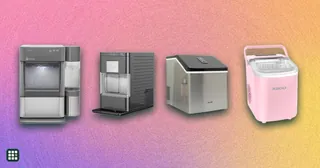
 plug into an outlet and turn tap water into ice in minutes, so you stop running out of freezer trays. Bullet machines are cheap and fast, nugget machines make the soft, chewable ice people love from restaurants, and clear-ice machines make slow-melting cubes for drinks. The real trade-offs are ice type against price, a small bin against how much you need at once, and how much counter and cleaning time you can give it.