



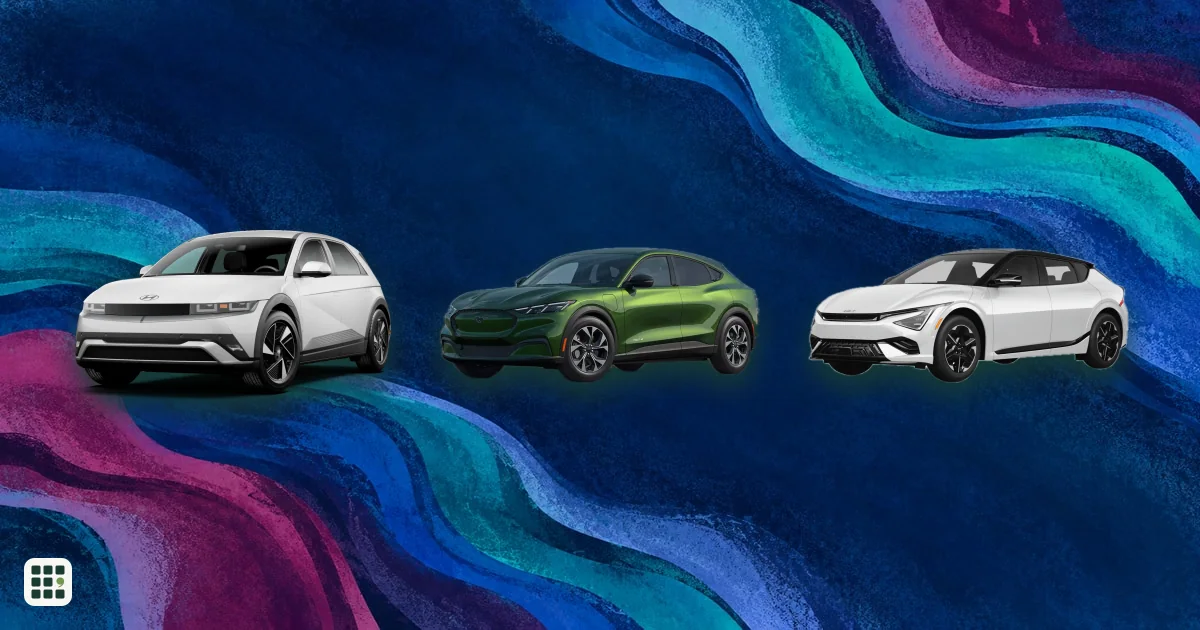
Electric cars
Compare eleven entry trims of 2026-2027 electric crossovers by price, EPA range, battery size, fast-charge speed and time, power, towing, charge-port type, drivetrain, cargo space, and battery warranty. Specs are manufacturer-listed and change; check a dealer for current availability and fees.
Last updated
How to choose
Start with your usual driving distance and whether you can charge at home. EPA range is a comparison estimate, not a promise; cold weather, speed, and cabin heating can reduce it. Check DC fast-charge capability for road trips, but actual charging speed depends on the charger, battery temperature, and state of charge. Compare the trim-level drivetrain and battery warranty, then confirm the final out-the-door price with a dealer.
Prices are U.S. manufacturer starting MSRPs for the listed 2026 base trims, in USD, before tax, title, and license; destination-charge treatment follows the maker’s stated pricing terms. Range is EPA-estimated for the specified drivetrain. DC rate is the maker-listed maximum input capability, not a typical charging speed. Warranty is the manufacturer’s battery coverage term and mileage limit; exclusions and conditions apply.
Answer
Browse the table. Filter to what matters.
Use the filters below, then sign in if you want to shortlist and decide with friends.
Sign in to vote, hide products and features, and reorder.
Verified: hover a cell and click its green dot for the source Estimate: no cited source Not stated: the maker doesn't publish it
| Feature | ⠿ | ⠿ | ⠿ | ⠿ | ⠿ | ⠿ | ⠿ | ⠿ | ⠿ | ⠿ | ⠿ |
|---|---|---|---|---|---|---|---|---|---|---|---|
|
⠿
Price
|
|||||||||||
|
⠿
EPA estimated range
|
|||||||||||
|
⠿
Maximum DC charge input
|
150 kW
|
150 kW
|
85 kW
|
||||||||
|
⠿
Drivetrain
|
FWD
|
||||||||||
|
⠿
Battery warranty
|
|||||||||||
|
⠿
Maximum cargo volume
|
|||||||||||
|
⠿
Battery capacity
|
|||||||||||
|
⠿
DC fast charge time
|
|||||||||||
|
⠿
Horsepower
|
|||||||||||
|
⠿
Towing capacity
|
|||||||||||
|
⠿
Native NACS charge port
|

Why these features matter
-
Price ($)
The starting price helps compare entry configurations, but destination charges, options, local fees, and dealer pricing can change the amount paid.
-
EPA estimated range (miles)
Range affects how often you charge and whether longer trips need stops. Real range varies with speed, temperature, terrain, and driving.
-
Maximum DC charge input (kW)
A higher peak can shorten a compatible fast-charge stop, but charge curves, battery temperature, and charger limits affect actual time.
-
Drivetrain
FWD and RWD have different traction and handling trade-offs; AWD can help in low-grip conditions but may cost more and reduce range.
-
Battery warranty
Battery warranty length and mileage matter for long-term ownership; check the full terms for capacity thresholds, transfer rules, and exclusions.
-
Maximum cargo volume (cu. ft.)
Maximum cargo capacity indicates how much room is available for larger loads when the rear seats are folded.
-
Battery capacity (kWh)
More energy usually means more range and longer towing or highway buffer, but also more weight and cost; compare with EPA range for efficiency.
-
DC fast charge time (min)
A shorter stop matters most on road trips; at home, overnight AC charging makes it matter less.
-
Horsepower (hp)
More power means quicker acceleration and passing; for commuting, most buyers will not miss the difference.
-
Towing capacity (lb)
If you tow a trailer or carry a bike or cargo carrier, a rated capacity is required; otherwise ignore it.
-
Native NACS charge port
A native NACS port plugs straight into Tesla Superchargers, the largest fast-charge network; adapters work but are extra and slower to set up.
About the products
-
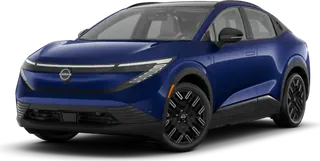
LEAF S+ · Nissan
The lowest starting price in this group and a long EPA range for a subcompact crossover. The S+ is front-wheel drive; verify dealer destination and availability.
-
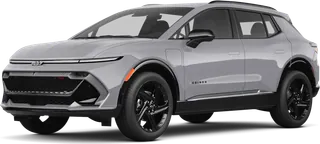
Equinox EV LT1 FWD · Chevrolet
A midsize crossover with 319 miles of EPA-estimated range and a broad cargo area. The LT1 FWD is the front-wheel-drive entry configuration.
-
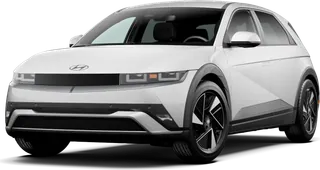
IONIQ 5 SE Standard Range RWD · Hyundai
A compact crossover with a relatively low entry price and 245 miles of EPA-estimated range. This standard-range trim is rear-wheel drive.
-
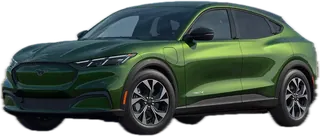
Mustang Mach-E Select RWD · Ford
A sporty compact crossover with 260 miles of EPA-estimated range in the Select RWD configuration. Ford lists 29.7 cu. ft. of cargo space behind the rear seat.
-
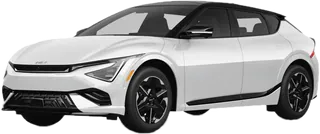
Kia EV6 Light SR RWD · Kia
A compact crossover with a 237-mile EPA range and a 180 kW maximum DC input rating for the Light standard-range battery.
-
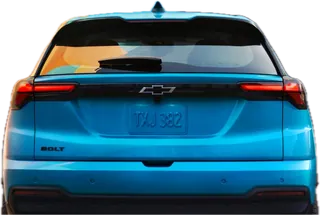
Bolt LT · Chevrolet
The least expensive new EV in this group, rebuilt for 2027 with a native NACS port and quick 25-minute fast charging. Short on drivetrain choice (single motor) and not rated to tow.
-
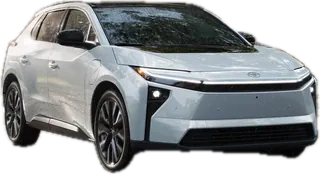
bZ XLE FWD · Toyota
Toyota's 2027 compact electric crossover in its entry front-drive form, with a native NACS port and a modest 57.7 kWh battery.
-
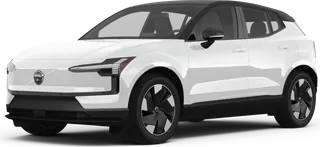
EX30 Single Motor Extended Range · Volvo
A small premium crossover with the quickest 10-80% charge stop here and a 3,527 lb tow rating, but the smallest cargo area and a CCS port with an included NACS adapter.
-
Prologue EX FWD · Honda
A roomy mid-size-feeling compact crossover with the biggest battery and longest range in this group; uses CCS with a Honda adapter for NACS.
-
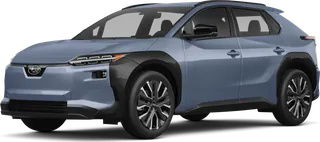
Solterra Premium · Subaru
The only standard all-wheel-drive option here, with a native NACS port on 2027 models.
-
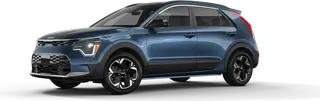
Niro EV Wind · Kia
A practical small crossover with a 10-year battery warranty and large cargo area; CCS port with NACS through an adapter.
Suggest a change
Related comparisons
-
 Electric bikes
Compare electric bikes sold in the US, from folding and fat-tire bikes to commuters, comfort cruisers and cargo bikes, from online brands and bike shops. The real trade-offs are price against motor and battery quality, which e-bike class (and so which paths) you need, weight you can carry, and how much support and warranty you get.
-
 Electric SUVs
Compare 11 selected 2026 electric SUVs and crossovers across price, EPA range, seating, drivetrain, battery warranty, cargo space, charging, power, towing, heat pump and third-row availability. The selection spans compact five-seat models to luxury three-row SUVs; confirm the build and fees with a dealer or manufacturer before buying.
-
 Folding bikes
 compared for commuting, trains, small apartments and travel: Brompton and other compact 16-inch folders, 20-inch Tern and Dahon bikes, budget models, and full-size folders. The choice comes down to how small and fast it folds, how heavy it is to carry, the gearing for your hills, whether it fits your height, and how much you want built in for daily riding.
-
 Hybrid cars
Compare new hybrid and plug-in hybrid vehicles sold in the US, from compact sedans and hatchbacks to SUVs, minivans and a pickup. The main trade-offs are up-front price against fuel savings, whether you can charge at home to make a plug-in hybrid pay off, and how much room, power, all-wheel drive and towing you need.
-
 Home EV chargers
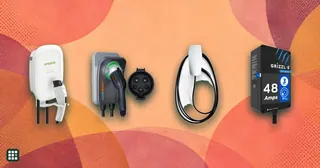
Compare Level 2 home chargers by equipment price, maximum charging current, connector, cable length, and warranty. Price is the manufacturer-listed price for the specified U.S. configuration on October 21, 2026; electrical work, permits, and taxes are extra. Installation and circuit requirements vary. Tesla currently requires a Tesla vehicle owner account to purchase its Universal Wall Connector, and its shop page showed it out of stock when checked.
-
 Kids electric scooters
Kids' electric scooters range from slow three-wheel first scooters for preschoolers to 15 mph models for teens. The choice comes down to the child's age and weight, a safe top speed, battery type and run time, and how much the scooter can grow with them. This grid compares popular models from Razor, Gotrax, Hover-1, and Jetson on speed, age rating, weight limit, battery, brakes, tires, and warranty.