



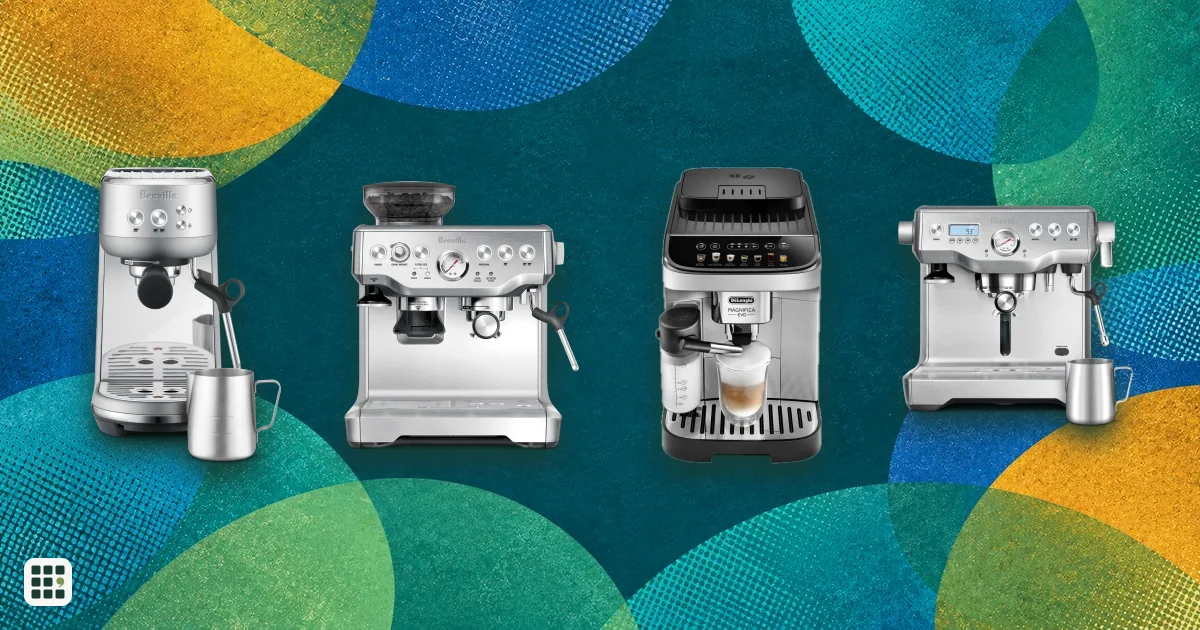
Espresso machines
Compare home espresso machines, from compact semi-automatics and espresso machines with built-in grinders to dual-boiler machines, super-automatic bean-to-cup machines and espresso pod machines. The real trade-offs are control against convenience, how the machine heats water (which decides whether you can brew and steam at once), how it froths milk, and the full cost once you add a grinder.
Last updated
How to choose
Decide how hands-on you want to be
- Semi-automatic: you grind, dose, tamp and stop the shot. The best espresso and latte art come from these, but expect a learning curve and some mess.
- Built-in grinder: a semi-automatic with a grinder attached. Less counter space and a lower total cost than buying a machine and grinder separately; a standalone grinder is usually better and easier to upgrade.
- Super-automatic: grinds, tamps, brews and often froths milk at the press of a button. Consistent and fast for busy households; shots are good rather than great, and the brew unit needs regular cleaning.
- Pod: the simplest and cleanest, but pods cost more per cup and limit you to one brand's capsules.
Match the heating system to your drinks
Flash heaters (thermoblock, thermojet) heat up in seconds and suit one or two drinks at a time. A single boiler cannot brew and steam together, so milk drinks take longer. Heat exchangers and dual boilers brew and steam at once and hold temperature for back-to-back lattes, at a higher price and longer warm-up.
Milk
A manual steam wand gives the best microfoam once you learn it. Automatic steam wands and milk systems make good foam with no skill; carafes and tubes need cleaning after every use. If you only drink straight espresso, skip paying for milk features.
Features that make shots consistent
- Temperature control: a PID or digital controller keeps brew temperature steady; adjustable temperature helps with light roasts.
- Preinfusion and a pressure gauge make it easier to learn and to forgive small grind or tamping mistakes.
- Portafilter size: 58 mm is the cafe standard with the most baskets and tampers. Ignore big pump numbers like 15 or 20 bar; good espresso needs about 9 bar.
Full cost and upkeep
- Without a built-in grinder, budget for a capable espresso grinder, often as much as an entry machine.
- Add a tamper, milk pitcher, scale, water filters and descaler. Hard water shortens a machine's life; descale on schedule.
- Check the warranty and whether a US dealer or the maker services the machine. Prices here are regular list prices; espresso machines go on sale often.
Answer
Browse the table. Filter to what matters.
Use the filters below, then sign in if you want to shortlist and decide with friends.
Sign in to vote, hide products and features, and reorder.
Verified: hover a cell and click its green dot for the source Estimate: no cited source Not stated: the maker doesn't publish it
| Feature | ⠿ | ⠿ | ⠿ | ⠿ | ⠿ | ⠿ | ⠿ | ⠿ | ⠿ | ⠿ | ⠿ | ⠿ | ⠿ | ⠿ | ⠿ | ⠿ |
|---|---|---|---|---|---|---|---|---|---|---|---|---|---|---|---|---|
|
⠿
Price
|
$189.99
|
|||||||||||||||
|
⠿
Machine type
|
Semi-automatic
|
Semi-automatic
|
Semi-automatic
|
Semi-automatic
|
Semi-automatic
|
Semi-automatic
|
Semi-automatic
|
Semi-automatic
|
Semi-automatic
|
Semi-automatic
|
Semi-automatic
|
Semi-automatic
|
Super-automatic
|
Semi-automatic
|
Pod
|
|
|
⠿
Built in grinder
|
|
|
|
|
|
|
||||||||||
|
⠿
Heating system
|
Thermoblock
|
Thermoblock
|
Thermoblock
|
Thermoblock
|
Thermoblock
|
|||||||||||
|
⠿
Heat up time
|
40 sec
|
approx. 300 sec
|
45 sec
|
30 sec
|
||||||||||||
|
⠿
Simultaneous brew and steam
|
|
|
|
|
|
|
|
|
|
|
|
|
|
|
|
|
|
⠿
Milk frothing
|
Manual steam wand
|
Separate frother
|
||||||||||||||
|
⠿
Pump pressure
|
15 bar
|
15 bar
|
||||||||||||||
|
⠿
PID temperature control
|
|
|
|
|
||||||||||||
|
⠿
Adjustable brew temperature
|
|
|
|
|
|
|
|
|
|
|||||||
|
⠿
Pressure gauge
|
|
|
|
|
|
|
|
|
||||||||
|
⠿
Preinfusion
|
|
|
|
|
||||||||||||
|
⠿
Portafilter size
|
51 mm
|
51 mm
|
51 mm
|
Doesn't apply
|
58 mm
|
Doesn't apply
|
58 mm
|
Doesn't apply
|
||||||||
|
⠿
One touch drinks
|
2 drinks
|
Doesn't apply
|
Doesn't apply
|
Doesn't apply
|
Doesn't apply
|
|||||||||||
|
⠿
Water tank
|
37.2 oz
|
67.6 oz
|
67.6 oz
|
67.6 oz
|
67.6 oz
|
|||||||||||
|
⠿
Width
|
11.81 in
|
11.4 in
|
||||||||||||||
|
⠿
Weight
|
9.3 lb
|
21.16 lb
|
42 lb
|
|||||||||||||
|
⠿
App control
|
|
|
|
|
|
|
|
|
|
|||||||
|
⠿
Warranty
|
1 years
|
Why these features matter
-
Price ($)
The machine is only part of the cost: a capable grinder (if none is built in), a tamper, a milk pitcher and descaling add up. Super-automatics and dual boilers cost more but save time or add control.
-
Machine type
Semi-automatics give the most control and the best results with practice. Super-automatics and pod machines are fast and consistent but give less control over the shot.
-
Built in grinder
A built-in grinder saves counter space and money. A separate grinder usually grinds more consistently and can be upgraded later; without either you need pre-ground coffee or pods.
-
Heating system
Flash heaters are fast and cheap. A single boiler cannot brew and steam at once. Heat exchangers and dual boilers brew and steam together and hold temperature better for back-to-back milk drinks.
-
Heat up time (sec)
Fast heat-up matters if you make one drink in a rush each morning. Boiler machines take longer but are steadier once hot.
-
Simultaneous brew and steam
Saves time when making several milk drinks. Less important if you mostly drink straight espresso.
-
Milk frothing
A manual steam wand makes the best microfoam for latte art but takes practice. Automatic wands and milk systems are easier but give less control; some are harder to clean.
-
Pump pressure (bar)
Espresso needs about 9 bar at the coffee; higher pump numbers on the box are mostly marketing. Pressure control and stable temperature matter more.
-
PID temperature control
Stable, accurate brew temperature makes shots more consistent and lets you tune for light or dark roasts.
-
Adjustable brew temperature
Lighter roasts often taste better hotter, darker roasts cooler. Useful for enthusiasts; most beginners will not touch it.
-
Pressure gauge
Helps you tell whether your grind and dose are right while learning. Not essential once dialed in.
-
Preinfusion
Pre-infusion makes shots more forgiving of small grind or tamp mistakes.
-
Portafilter size (mm)
58 mm is the cafe standard with the widest choice of baskets and tampers; smaller sizes (51 to 54 mm) work well but limit accessories.
-
One touch drinks (drinks)
Matters for super-automatics and pod machines if several people want different drinks. Irrelevant for manual-style machines.
-
Water tank (oz)
A bigger tank means fewer refills, which matters most for households making several drinks a day.
-
Width (in)
Counter space under cabinets is often the limit. Also check height and whether the tank fills from the top or the back.
-
Weight (lb)
Heavier machines are more stable and often better built, but harder to move for cleaning.
-
App control
Handy for recipes, updates and remote start; not needed for good espresso.
-
Warranty (years)
Espresso machines have pumps, boilers and seals that wear. A longer warranty and US service network save trouble.
About the products
-
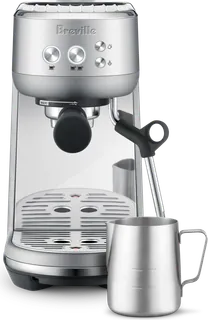
Bambino BES450 · Breville
Breville's smallest semi-automatic: ready in 3 seconds, with PID temperature control and a manual steam wand. Needs a separate grinder; 54 mm portafilter and a 1-year warranty.
-
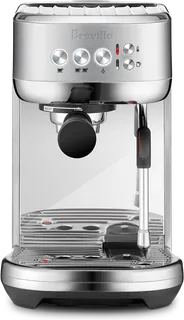
Bambino Plus BES500 · Breville
The Bambino with an automatic steam wand that textures milk hands-free at a set temperature and texture. Fast 3-second heat-up; needs a separate grinder.
-
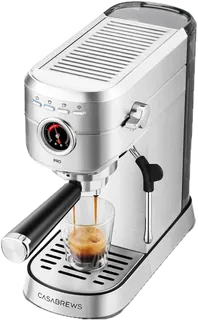
5418 Pro · Casabrews
A budget semi-automatic popular on Amazon, with a 20-bar pump, PID temperature control, pre-infusion and a steam wand. Few published specs; needs a separate grinder.
-
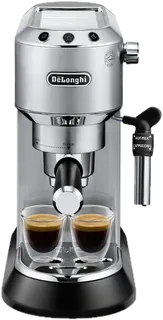
Dedica EC685M · De’Longhi
A very slim 6-inch-wide thermoblock espresso maker with an adjustable frothing wand. Inexpensive and compact; was out of stock on De'Longhi's US site in October 2026.
-
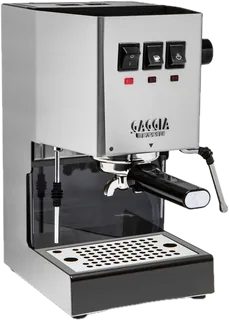
Classic Pro E24 · Gaggia
The long-running Italian single-boiler classic, now with a brass boiler, 58 mm commercial portafilter and commercial steam wand. Simple and repairable, but no PID and it cannot brew and steam at once.
-
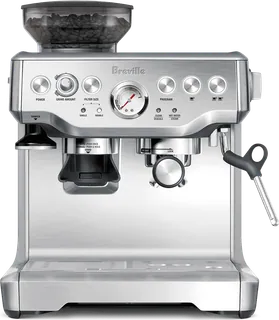
Barista Express BES870 · Breville
The best-known espresso machine with a built-in grinder: PID temperature control, a pressure gauge and a manual steam wand in one box. 54 mm portafilter; 1-year warranty.
-
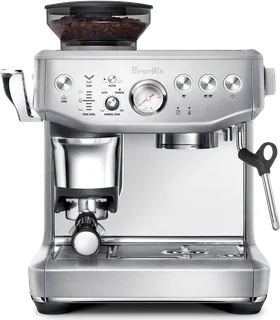
Barista Express Impress BES876 · Breville
The Barista Express with assisted tamping and automatic dose correction, 25 grind settings and adjustable brew temperature. Easier for beginners; 2-year warranty.
-
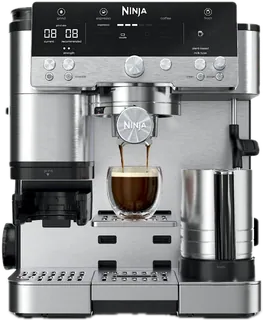
Luxe Café Premier ES601 · Ninja
Grinder, built-in scale and hands-free frothing with guided grind and brew settings; also makes drip coffee and cold brew. Very easy to use; 1-year warranty.
-
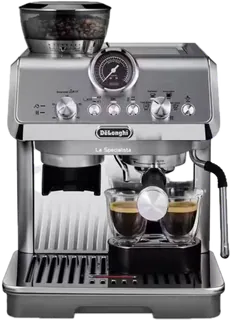
La Specialista Arte Evo · De’Longhi
De'Longhi's espresso machine with a built-in grinder (8 settings), 3 brew temperatures, a commercial-style steam wand and cold brew. De'Longhi's US product page was offline in October 2026; sold at major retailers.
-
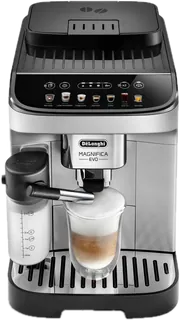
Magnifica Evo ECAM29084SB · De’Longhi
A popular super-automatic: grinds and brews 7 one-touch drinks, with the LatteCrema automatic milk system. Convenient; less control over the shot.
-
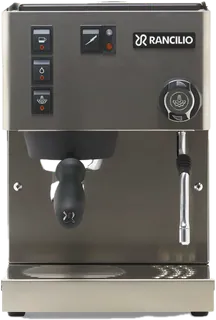
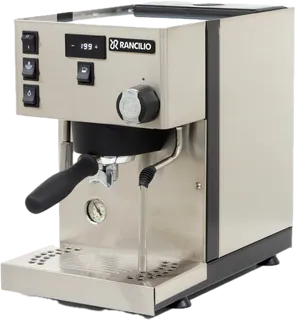
Silvia · Rancilio
A rugged, commercial-built single-boiler machine with a 58 mm group and a manual steam wand, sold since 1997. No PID or gauge in the base version; needs a separate grinder.
-
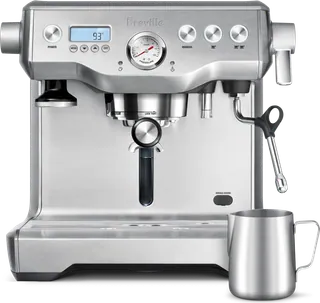
Dual Boiler BES920 · Breville
Dual boilers with digital PID, a 58 mm portafilter, pressure gauge and simultaneous brewing and steaming, for much less than Italian dual boilers. Needs a separate grinder.
-
Silvia Pro X · Rancilio
Rancilio's dual-boiler Silvia with two PIDs, soft pre-infusion, a pressure gauge and adjustable brew and steam temperatures. Heavy, compact and built to last.
-
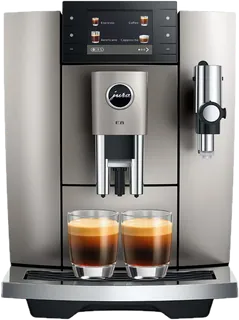
E8 · Jura
A premium Swiss super-automatic with 27 one-touch specialties, an automatic milk system and programmable brew temperature. Expensive; Jura does not list prices on its US site.
-
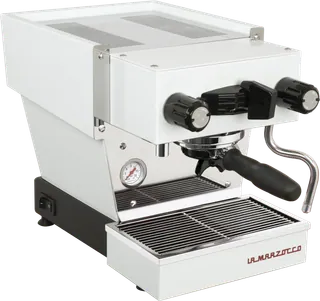
Linea Micra · La Marzocco
A compact home version of La Marzocco's cafe machines: dual boilers, PID, an integrated group and app control. Very high build quality and price; grinder sold separately.
-
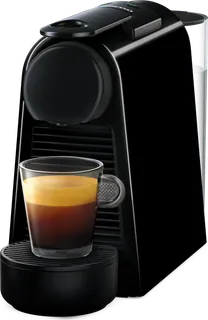
Essenza Mini · Nespresso
The smallest Nespresso OriginalLine pod machine: espresso and lungo at a button press. The easiest and cleanest way to espresso, but capsules cost more per cup; milk needs a separate frother.
Suggest a change
Related comparisons
-
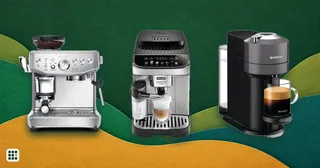 Coffee machines
Compare the coffee-making workflow before comparing features. Espresso machines range from hands-on portafilter models to automatic bean-to-cup machines; capsule brewers are convenient but require compatible pods; drip machines brew a pot and need ground coffee. Prices exclude the recurring cost of pods, beans, filters, and maintenance.
-
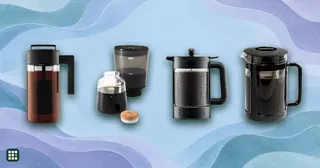 Cold brew makers
Compare currently sold home cold brew makers from Takeya, OXO, Hario, Toddy, KitchenAid, Asobu, Bodum, and Primula. Options range from compact filter pitchers and travel brewers to large drain-through concentrate systems; compare price, batch size, brew and filter methods, fridge fit, and cleanup.
-
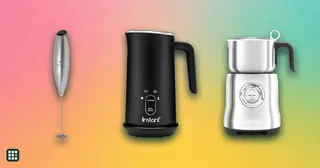 Milk frothers
 range from small handheld whisks to countertop jugs that heat milk and make hot or cold foam. Compare whether you need a separate heater, batch size, cleanup, and what the maker charges.
-
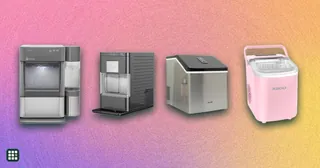 Countertop ice makers
 plug into an outlet and turn tap water into ice in minutes, so you stop running out of freezer trays. Bullet machines are cheap and fast, nugget machines make the soft, chewable ice people love from restaurants, and clear-ice machines make slow-melting cubes for drinks. The real trade-offs are ice type against price, a small bin against how much you need at once, and how much counter and cleaning time you can give it.
-
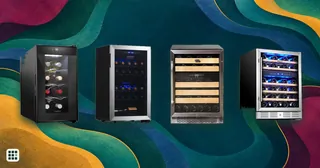 Wine fridges
 (also called wine coolers) keep bottles at a steady cellar temperature, with the door glass and racks built for wine rather than cans. They range from quiet thermoelectric countertop units for a handful of bottles to 24 in built-in dual-zone models that sit under a counter and full-height cabinets for 150 bottles or more. The real trade-offs are capacity against space, one zone or two, freestanding against built-in, and compressor power against quiet.
-
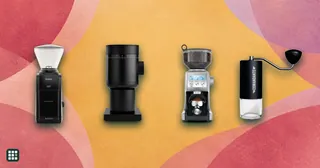 Coffee grinders
Compare burr coffee grinders sold in the US, from budget hand grinders to single-dose electric grinders: Baratza, Breville, OXO, Cuisinart, Fellow, Niche, Timemore, 1Zpresso, and Comandante. The key choices are whether you need espresso, hand or electric, and hopper or single dose.