



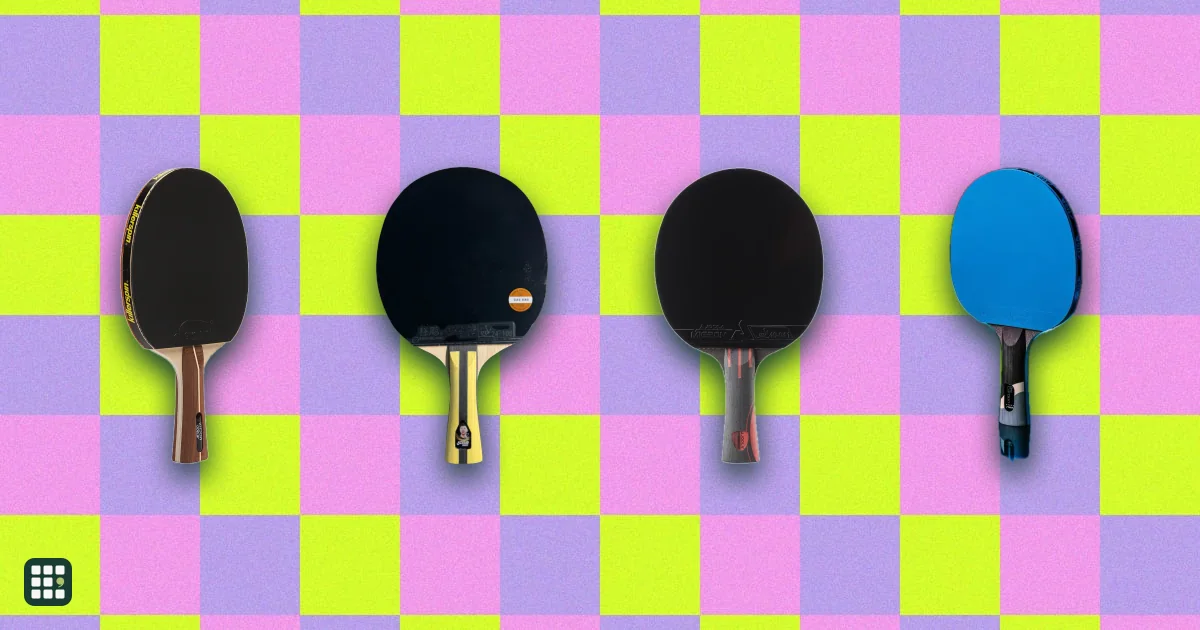
Ping pong paddles
Ping pong paddles, also called table tennis bats or rackets, range from forgiving ready-made paddles for casual play to customizable blade-and-rubber setups for competitive players. The right choice depends on skill level, playing style, grip, desired speed and spin, competition requirements, and how much maintenance or adjustment you are willing to take on.
Last updated
How to choose
Ping pong paddles affect how easily you can place the ball, generate spin, block fast shots, and develop consistent technique. The main decision is not simply choosing the fastest or highest-rated paddle. A paddle with too much speed or spin can make serves, returns, and off-center hits harder to control, while a very basic paddle can limit progress once you start using more spin and varied strokes.
Most buyers are choosing between a simple ready-made paddle, a higher-quality preassembled paddle, or a custom setup made from a separate blade and rubbers. The best fit depends on how often you play, whether you play casually or competitively, your grip style, and whether you value forgiveness, speed, spin, feel, durability, or easy replacement.
Start with how and where you play
- Casual family or office play: prioritize comfort, durability, control, and a reasonable price. Extreme speed and spin are usually unnecessary.
- Beginner learning proper strokes: choose a controllable paddle that lets you keep rallies going and feel the ball. Too much bounce can slow skill development.
- Improving club player: look for more spin and better rubber quality, but avoid jumping straight to the fastest setup unless your technique can handle it.
- Competitive player: check legality, rubber type, blade feel, handle preference, and whether you want to replace rubbers separately over time.
- Defensive or control player: prioritize placement, blocking, chopping feel, and lower speed rather than maximum attack power.
- Offensive attacker: consider more speed, spin, and a blade-rubber combination that supports looping, driving, and counterattacking, while still being controllable under pressure.
Decide between ready-made and custom paddles
- Basic ready-made paddles: convenient and affordable for casual play. They are easy to buy and require no assembly, but rubber and blade quality can vary widely.
- Performance ready-made paddles: useful for beginners and intermediate players who want better spin and feel without choosing separate components.
- Custom paddles: let you choose the blade, forehand rubber, backhand rubber, sponge thickness, and handle type. They can be better for serious players, but they cost more, require more knowledge, and may need rubber replacement.
- Preassembled custom setups: some sellers assemble a chosen blade and rubbers for you. This can be a good middle ground if you know the components you want but do not want to glue them yourself.
Balance control, speed, and spin
Paddle ratings can be useful for comparison within one brand, but they are not standardized across all brands. Treat speed, spin, and control numbers as rough guidance, not absolute measurements.
- Control: helps with placement, serve receive, blocking, and consistent rallies. Higher control is especially valuable for beginners and all-round players.
- Speed: helps put pressure on opponents but reduces reaction time and can send the ball long if your technique is inconsistent.
- Spin: improves serves, loops, pushes, and attacking variation. More spin also means you must manage incoming spin more carefully.
- Forgiveness: a paddle with a larger effective sweet spot and moderate speed is usually easier on off-center contact.
A common mistake is buying a very fast paddle because it feels powerful during short tests. In real games, control on serve receive, short play, and pressured rallies often matters more than maximum speed.
Understand rubber choices
- Inverted rubber: the most common style for modern all-round and attacking play. It has a smooth outer surface and can generate strong spin.
- Pips-out rubber: has small pimples facing outward. Short pips can support quick hitting and blocking; long pips are more specialized and often used for disruptive or defensive play.
- Tacky or grippy surfaces: tackier rubbers can help create spin but may feel slower or require more active strokes, depending on the design.
- Sponge thickness: thicker sponge generally supports more speed and spin potential, while thinner sponge can improve control and feel. Beginners often benefit from moderate thickness rather than maximum thickness.
- Rubber freshness: rubber grip wears down with use, dust, and age. A paddle that felt spinny when new may become less effective over time.
Choose a blade that matches your level
- All-round blades: usually suit beginners, developing players, and anyone who values control over raw speed.
- Offensive blades: can add pace for experienced attackers but may make touch shots and serve receive less forgiving.
- Defensive blades: can help with chopping, placement, and control, but may not suit players who rely on fast close-to-table attacks.
- Wood feel versus composite feel: all-wood blades often appeal to players who want feedback and dwell time, while composite blades may offer more stiffness, speed, or a larger sweet spot. The better choice depends on technique and preference.
Check grip and handle comfort
A paddle that is uncomfortable will be harder to use well, even if its rubber and blade are good. Handle shape matters because it affects wrist movement, stability, and fatigue.
- Shakehand grip: the most common grip style in many markets. Look for a handle shape that sits securely without forcing your wrist.
- Penhold grip: requires a paddle and handle shape suited to penhold technique. Do not assume every paddle is comfortable for both grip styles.
- Flared, straight, and anatomical handles: flared handles resist slipping, straight handles make grip adjustments easier, and anatomical handles fit the palm more specifically. Try them if possible.
- Hand size: children and players with smaller hands may need a lighter or slimmer handle; larger hands may prefer more handle volume.
- Weight: heavier paddles can feel solid and powerful, but lighter paddles can be easier for quick reactions and longer sessions.
Check competition and rule requirements
- Approved rubbers: if you play sanctioned events, verify that the rubber is approved for the relevant competition body and current rules.
- Color requirements: competitive play usually requires contrasting rubber colors on each side. Confirm the rules that apply to your league or tournament.
- Blade coverage and condition: damaged, altered, or non-compliant rubbers may not be accepted in formal play.
- Casual play: legality may not matter, but fair play still benefits from a paddle that behaves predictably and is not excessively worn or unusual for the setting.
Consider durability and maintenance
- Cleaning: dust and oil reduce grip. Use an appropriate cleaning method for the rubber and avoid harsh products unless the manufacturer permits them.
- Storage: a case helps protect rubber from dust, sunlight, and dents. This matters more for higher-grip rubbers.
- Edge protection: edge tape can reduce chips and peeling, especially if you often hit the table edge.
- Rubber replacement: custom paddles let you replace worn rubber without replacing the blade. Many basic ready-made paddles are not intended for easy rubber replacement.
- Playing frequency: frequent club play wears rubber faster than occasional home play, so long-term replacement cost may matter more than the initial paddle price.
Compare total cost, not just purchase price
- Initial paddle cost: basic ready-made paddles cost less, while custom setups can cost significantly more depending on blade and rubber choices.
- Replacement rubbers: serious players should budget for rubber replacement as grip declines.
- Accessories: a case, cleaner, protective sheets, or edge tape may be worthwhile, especially for performance rubbers.
- Trial and adjustment: advanced players may spend more over time experimenting with rubbers, sponge thicknesses, and blades.
- False economy: a very cheap paddle may be fine for occasional play but can be frustrating if the rubber has little grip, the handle is uncomfortable, or the surface wears quickly.
Quality signals to look for
- Clear component information: better listings usually identify blade type, rubber type, sponge thickness, handle style, weight range, and whether the paddle is competition legal.
- Replaceable components: for serious play, the ability to replace rubbers can extend the useful life of the blade.
- Consistent construction: check for peeling rubber, uneven edges, warped blades, rough handles, or poor glue lines.
- Realistic claims: be cautious of exaggerated speed or spin claims, especially when no component details are provided.
- Return policy: comfort and feel are personal, so a reasonable return policy is useful if you cannot try the paddle first.
Questions to ask before buying
- Am I buying for casual rallies, training, club matches, or sanctioned competition?
- Do I need maximum control, more spin, more speed, or a balanced all-round feel?
- Is my technique consistent enough to control a fast, spinny paddle?
- Do I use shakehand or penhold grip, and is the handle suitable?
- Do I prefer a light, maneuverable paddle or a heavier, more stable feel?
- Can the rubbers be replaced, or will I need to replace the whole paddle when they wear out?
- Does the paddle meet the rules for the league or tournaments I plan to enter?
- What accessories or maintenance will I need to keep the rubber performing well?
Common buying pitfalls
- Choosing too much speed too soon: powerful paddles can make basic placement and short play harder.
- Trusting ratings across brands: speed, spin, and control scores are not universal measurements.
- Ignoring the handle: uncomfortable grip can undermine an otherwise good paddle.
- Buying for someone else without considering level: a beginner, child, office player, and competitive adult may need very different paddles.
- Overlooking worn rubber: used paddles can look fine but have little grip left.
- Assuming custom is always better: custom setups are useful when you know what you need, but they can be expensive and unforgiving if poorly matched.
Final check
Choose the paddle that best matches your current playing level and the shots you want to improve, not just the paddle with the highest speed or spin rating. For most beginners and casual players, a comfortable all-round paddle with good control is the safest choice. For improving and competitive players, pay closer attention to rubber type, sponge thickness, blade feel, legality, and long-term replacement costs.
Answer
Browse the table. Filter to what matters.
Use the filters below, then sign in if you want to shortlist and decide with friends.
Sign in to vote, hide products and features, and reorder.
Verified: hover a cell and click its green dot for the source Estimate: no cited source Not stated: the maker doesn't publish it
| Feature | ⠿ | ⠿ | ⠿ | ⠿ | ⠿ | ⠿ | ⠿ | ⠿ | ⠿ | ⠿ | ⠿ | ⠿ | ⠿ | ⠿ | ⠿ | ⠿ | ⠿ | ⠿ | ⠿ | ⠿ | ⠿ | ⠿ | ⠿ | ⠿ | ⠿ | ⠿ | ⠿ | ⠿ | ⠿ | ⠿ | ⠿ | ⠿ | ⠿ | ⠿ | ⠿ | ⠿ | ⠿ | ⠿ | ⠿ | ⠿ | ⠿ | ⠿ | ⠿ |
|---|---|---|---|---|---|---|---|---|---|---|---|---|---|---|---|---|---|---|---|---|---|---|---|---|---|---|---|---|---|---|---|---|---|---|---|---|---|---|---|---|---|---|---|
|
⠿
Price
|
|||||||||||||||||||||||||||||||||||||||||||
|
⠿
Outdoor suitable
|
|
|
|
|
|
|
|
|
|
|
|
|
|
|
|
|
|
|
|
|
|
|
|
|
|
|
|
|
|
|
|
|
|
|
|||||||||
|
⠿
ITTF approved
|
|
|
|
|
|
|
|
|
|
|
|
|
|
|
|||||||||||||||||||||||||||||
|
⠿
Recommended skill level
|
Beginner to intermediate; best for improving recreational players rather than advanced custom-setup users.
|
Intermediate to advanced recreational; high speed and spin make it better for confident stroke makers than beginners.
|
Beginner to recreational; positioned for family, school, public-table and casual outdoor play rather than club competition.
|
Beginner to intermediate
|
Intermediate to advanced
|
Beginner / occasional recreational player
|
Beginner to casual recreational; suited to gardens, camping, schools, and shared outdoor tables rather than competition play.
|
Intermediate to advanced outdoor recreational players; high speed makes it less forgiving for beginners.
|
Advanced recreational to competitive; best for experienced attacking players, not beginners.
|
Beginner to intermediate / regular club player
|
Beginner to casual recreational; best for occasional play and basic control rather than competitive spin or looping practice.
|
||||||||||||||||||||||||||||||||
|
⠿
Playing style
|
Allround control
|
Control
|
Offensive; speed and spin focused.
|
Allround, with a control-and-spin bias rather than maximum speed
|
Control
|
||||||||||||||||||||||||||||||||||||||
|
⠿
Speed class
|
Medium
|
High
|
High
|
High
|
Medium
|
Medium
|
High
|
High
|
Medium
|
High
|
Low
|
Low
|
Very high
|
Medium
|
Low
|
||||||||||||||||||||||||||||
|
⠿
Spin class
|
Medium
|
High
|
Medium; grippier than basic hard outdoor bats, but below a fresh competition inverted-rubber paddle.
|
High
|
High
|
Medium
|
Medium
|
High
|
Medium high
|
High
|
High
|
Low
|
Medium
|
Very high
|
High
|
Low
|
|||||||||||||||||||||||||||
|
⠿
Control class
|
High
|
High
|
High
|
Medium
|
Medium
|
High; forgiving outdoor construction and moderate speed prioritize easy handling and control.
|
High
|
Medium
|
Medium
|
High
|
High
|
Medium
|
Medium
|
Medium
|
High
|
Medium
|
High
|
High
|
Low
|
High
|
High
|
||||||||||||||||||||||
|
⠿
Weight
|
185 g
|
170 g
|
160 g
|
170 g
|
180 g
|
185 g
|
180 g
|
185 g
|
166 g
|
175 g
|
185 g
|
190 g
|
180 g
|
190 g
|
190 g
|
200 g
|
180 g
|
180 g
|
180 g
|
170 g
|
170 g
|
180 g
|
170 g
|
150 g
|
180 g
|
180 g
|
185 g
|
150 g
|
170 g
|
180 g
|
170 g
|
190 g
|
185 g
|
180 g
|
174 g
|
150 g
|
|||||||
|
⠿
Sponge thickness
|
2 mm
|
2.1 mm
|
1.8 mm
|
1.8 mm
|
2 mm
|
2 mm
|
2 mm
|
2 mm
|
2.2 mm
|
2.15 mm
|
2.2 mm
|
0 mm
|
1.5 mm
|
2.1 mm
|
2.1 mm
|
2.1 mm
|
1.8 mm
|
2 mm
|
2 mm
|
2.1 mm
|
2.2 mm
|
1.5 mm
|
1.8 mm
|
0 mm
|
2 mm
|
2 mm
|
2.1 mm
|
2 mm
|
0 mm
|
1.8 mm
|
1.5 mm
|
||||||||||||
|
⠿
Rubber surface type
|
Inverted tacky
|
Inverted grippy non tacky
|
Inverted grippy non tacky.
|
Inverted grippy non tacky
|
Inverted grippy non tacky.
|
Inverted grippy non tacky.
|
Inverted tacky
|
Inverted tacky rubber.
|
Inverted tacky Chinese-style rubber.
|
Inverted grippy non tacky
|
Inverted grippy non-tacky rubber, sold as Donic-Schildkröt Revolution rubber.
|
Inverted grippy non tacky
|
Inverted grippy non tacky
|
Inverted grippy non tacky
|
Inverted grippy non tacky
|
Inverted grippy non tacky
|
Inverted grippy non tacky
|
Inverted grippy non tacky
|
Inverted grippy non tacky
|
Inverted grippy non tacky on one side; painted back side without rubber
|
Inverted grippy non tacky
|
Inverted tacky
|
Inverted grippy non tacky
|
Inverted grippy non tacky
|
Inverted grippy non tacky
|
Molded outdoor polymer
|
Inverted tacky outdoor rubber/coating.
|
Inverted grippy non tacky.
|
Inverted grippy non tacky
|
Inverted grippy non tacky
|
Inverted grippy non tacky
|
Inverted grippy non tacky
|
|||||||||||
|
⠿
Blade construction
|
All wood.
|
All wood
|
All wood
|
All wood, 5-ply blade with hardened Crystal Technology surface; no carbon layer indicated.
|
All wood, likely 5-ply
|
All wood
|
Molded polymer outdoor construction using recycled materials.
|
Wood blade with titanium-carbon composite layers
|
All wood, likely 5-ply
|
All wood
|
|||||||||||||||||||||||||||||||||
|
⠿
Handle shape
|
Concave / flared shakehand handle.
|
Flared / concave shakehand handle.
|
Flared shakehand on the standard shakehand variant; penhold variant also sold
|
Flared shakehand handle
|
Flared
|
Flared
|
Flared
|
Flared
|
Concave shakehand handle
|
Concave / flared shakehand handle
|
Flared shakehand
|
Flared / concave shakehand handle
|
Concave/flared shakehand
|
Concave / flared shakehand
|
Ergonomic outdoor
|
Flared
|
Concave / flared shakehand handle
|
||||||||||||||||||||||||||
|
⠿
Rubber replaceable
|
|
|
|
|
|
|
|
|
|
|
|
|
|
|
|
|
|
|
|
|
|
|
|
|
|
|
|
|
|
|
|
|
|
|
|
|
|||||||
|
⠿
Case included
|
|
|
|
|
|
|
|
|
|
|
|
|
|
|
|
|
|
|
|
|
|
|
|
|
|
|
|
|
|||||||||||||||
|
⠿
Warranty length
|
3 months
|
3 months
|
3 months
|
6 months
|
1 months
|
1 months
|
24 months
|
24 months
|
6 months
|
12 months
|
6 months
|
6 months
|
24 months
|
24 months
|
24 months
|
24 months
|
24 months
|
||||||||||||||||||||||||||
|
⠿
Grip style compatibility
|
Shakehand.
|
Shakehand
|
Shakehand.
|
Shakehand; standard retail model uses a flared handle.
|
Shakehand.
|
Shakehand.
|
Shakehand
|
Shakehand; standard flared-handle variant.
|
Shakehand; standard flared handle variant.
|
Shakehand.
|
Shakehand; standard flared outdoor handle, usable right- or left-handed.
|
Shakehand; ergonomic outdoor handle for standard table tennis grip.
|
Shakehand
|
Shakehand
|
Shakehand
|
Shakehand
|
Shakehand retail racket; Cybershape head is also claimed to give a larger hitting area for penhold grip use.
|
Shakehand
|
Shakehand
|
Shakehand; sold with AN, FL, or ST shakehand handle variants
|
Shakehand
|
Shakehand
|
Shakehand
|
Shakehand; symmetrical outdoor recreational grip, not a penhold-specific model.
|
Shakehand.
|
Shakehand.
|
Shakehand
|
Shakehand
|
Shakehand
|
Shakehand
|
|||||||||||||
|
⠿
Assembly format
|
Conventional premade
|
Fixed premade recreational paddle; factory assembled with Killerspin rubbers and 5-ply plywood blade.
|
Conventional premade.
|
Conventional premade.
|
Conventional premade
|
Fixed premade outdoor paddle.
|
Conventional premade
|
Conventional premade
|
Molded one piece outdoor
|
Fixed premade outdoor paddle.
|
Conventional premade.
|
Pro line assembled ready-to-go paddle
|
Conventional premade
|
Molded one-piece outdoor premade.
|
Conventional premade
|
Fixed premade
|
|||||||||||||||||||||||||||
|
⠿
Factory rubber model
|
STIGA S3 inverted rubber on both sides
|
Unspecified inverted rubber
|
No separate factory rubber model; Softbat uses a molded outdoor hitting surface.
|
Killerspin Fortissimo rubbers on both sides
|
Unspecified Pongori inverted rubber, likely same model on both sides
|
Unspecified inverted rubber
|
|||||||||||||||||||||||||||||||||||||
|
⠿
Rubber hardness feel
|
Medium feel.
|
Medium soft to medium feel; typical for elastic 2 mm premade performance rubber.
|
Medium soft
|
Medium hard; Micron 48 is likely a 48-degree sponge/rubber feel.
|
Medium.
|
Medium soft
|
Medium.
|
Medium hard
|
Hard; Hurricane 3-style tacky rubber with high-density sponge
|
Mixed medium to medium hard feel; Hurricane 8 is tacky Chinese-style, Tin Arc is high-elastic semi-tacky/semi-grippy
|
Medium soft
|
Medium hard; inferred from the high-speed Revolution rubber and S-Plus sponge setup.
|
Medium hard outdoor elastomer feel.
|
Medium hard outdoor rubber feel.
|
Medium
|
Medium
|
Medium hard
|
Medium soft
|
Medium
|
Medium hard
|
Medium soft
|
Medium; Sriver is commonly listed around 38° on Butterfly/Japanese sponge hardness scale.
|
Medium; Sriver is commonly treated as a classic medium-feel rubber
|
Medium hard to hard Chinese tacky rubber feel.
|
Medium hard
|
Medium soft
|
Medium soft
|
Medium hard
|
Soft molded polymer feel; no separate sponge hardness published.
|
Medium hard feel; fast dynamic sponge.
|
Medium hard
|
Medium hard
|
Medium
|
Medium hard outdoor polymer feel; no numeric hardness published.
|
Medium
|
Soft to medium soft
|
|||||||
|
⠿
Throw angle
|
Medium.
|
Medium high.
|
Medium
|
Medium
|
Medium
|
Medium high; tacky inverted rubber and high spin rating should favor a higher topspin arc than basic premades.
|
Medium high.
|
Medium
|
Medium.
|
Medium
|
Medium
|
Medium high
|
Medium high.
|
Medium high
|
Medium
|
Medium low.
|
Medium
|
Medium
|
Medium
|
Medium
|
Medium low
|
Medium
|
Medium low to medium
|
Medium high
|
Medium low
|
Medium
|
Medium high
|
Medium low
|
Medium
|
Medium high
|
Medium
|
Medium low.
|
Medium
|
Medium low
|
|||||||||
|
⠿
Blade feel and feedback
|
Stiff and crisp carbon feel; 5-ply wood plus 2-ply carbon/KL-C construction with enlarged sweet spot positioning.
|
Medium flex, woody all-wood feel.
|
Stiff and crisp carbon-composite feel
|
Flexible and woody
|
Medium flex and woody all-wood feel.
|
Stiff and woody
|
Medium-flex woody feel from 5-ply wood construction, with a thicker core for offensive rebound
|
Medium flex, woody recreational feel.
|
Hard molded polymer feel; durable and impact-resistant rather than woody or springy.
|
Hard, muted composite outdoor feel.
|
Stiff and crisp carbon-composite feel
|
Stiff and crisp carbon
|
Medium flex and woody
|
Medium-stiff woody feel with lively WRB feedback
|
Medium flex, woody feedback
|
Medium flex and woody; based on 5-ply all-wood construction.
|
Stiff and crisp carbon feel
|
Flexible and woody
|
Soft outdoor polymer
|
Stiff and crisp graphite-composite outdoor feel.
|
Stiff and crisp titanium-carbon composite feel
|
Stiff and crisp titanium-carbon composite feel
|
Medium flex, woody feel
|
Medium flex, woody feel
|
Flexible and woody
|
||||||||||||||||||
|
⠿
Balance feel
|
Slightly head heavy; WRB-style lightweight handle construction commonly shifts balance toward the blade head.
|
Slightly head heavy; typical WRB hollow-handle balance feel.
|
Neutral
|
Slightly head heavy
|
Slightly head heavy
|
Neutral to slightly head heavy.
|
Slightly head heavy.
|
Slightly head heavy
|
Slightly head heavy
|
Slightly head heavy
|
Neutral
|
Slightly head heavy / WRB weight-balanced for faster recovery; exact balance point not published in supplied source.
|
Slightly head heavy
|
Neutral
|
Slightly head heavy
|
Slightly head heavy
|
Neutral
|
Slightly head heavy, likely from the hollowed lighter handle.
|
Slightly head heavy
|
Neutral
|
Slightly head heavy
|
Neutral to slightly head heavy
|
Neutral
|
||||||||||||||||||||
|
⠿
Head shape
|
Standard oval.
|
Standard oval.
|
Standard oval
|
Standard oval
|
Standard oval
|
Standard oval shakehand head.
|
Standard oval.
|
Standard oval
|
Standard oval.
|
Standard oval
|
Standard oval
|
Standard oval
|
Standard oval.
|
Standard oval shakehand head.
|
Standard oval
|
Standard oval shakehand head; manufacturer notes a wider hitting area
|
Standard oval
|
Standard oval.
|
Molded outdoor shape, broadly standard oval-like head.
|
Standard oval outdoor racket head.
|
Standard oval
|
Standard oval
|
Standard oval
|
Standard oval
|
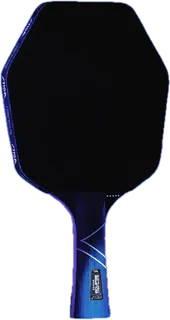
Cybershape hexagonal
|
Standard oval
|
Rectangular penhold
|
Standard oval
|
Standard oval
|
Standard oval for the shakehand variant; Chinese penhold variant also sold under the same model family.
|
Standard oval
|
Standard oval
|
Standard oval
|
Standard oval outdoor shape
|
Standard oval.
|
Standard oval
|
Standard oval
|
Standard oval
|
Standard oval outdoor paddle shape.
|
Standard oval
|
Standard oval
|
||
|
⠿
Head and handle dimensions
|
Adult full-size shakehand paddle; approximate overall length 260 mm, head width about 150 mm, handle length about 100 mm.
|
Adult standard shakehand size; typical head about 158 x 150 mm with about 100 mm handle. Exact dimensions not published in the supplied excerpt.
|
Adult standard shakehand size; approximately 25.5 cm overall length, 15.5 cm head width, and 10 cm handle length
|
Standard adult shakehand size; exact published dimensions not found in supplied source
|
Adult standard size; typical shakehand dimensions about 260 mm overall, about 157 x 150 mm head, and about 100 mm handle
|
Adult full-size shakehand racket; exact dimensions not published in the supplied source.
|
Standard adult shakehand paddle size; exact head and handle dimensions not published in the supplied excerpt.
|
Adult standard shakehand size; exact published dimensions not found in supplied excerpt.
|
Standard adult shakehand size; exact dimensions not published in supplied source
|
Adult full-size shakehand paddle; exact published dimensions not verified in the supplied source.
|
Adult full-size shakehand bat; exact head and handle dimensions not published in supplied evidence.
|
Adult standard shakehand size; approximately 260 mm overall length, 150 mm head width, and 100 mm handle length
|
Adult full-size shakehand racket; exact published dimensions not found in supplied excerpt
|
Adult standard-size shakehand racket; exact head and handle dimensions not published in the supplied source.
|
Adult/full-size outdoor paddle; exact head and handle dimensions not verified in supplied source.
|
Full-size adult paddle; exact published dimensions not available in the supplied source.
|
Adult full-size shakehand racket; exact published dimensions not found in supplied source.
|
Adult full-size shakehand racket; typical dimensions about 25.5 cm overall with standard oval head and full-size handle, but exact published dimensions not found.
|
Standard adult-size shakehand racket; detailed head and handle dimensions not published in the supplied excerpt.
|
Adult standard-size shakehand racket; exact head and handle dimensions not published in supplied excerpt.
|
Approx. full-size Cybershape dimensions: head about 158 x 152 mm; handle about 100 mm. Exact dimensions not published in supplied source.
|
Adult full-size Cybershape; exact overall, head, and handle dimensions not published in the supplied excerpt.
|
Approx. standard shakehand size: head about 157 × 150 mm; handle about 100 mm; overall about 257 mm.
|
Standard adult shakehand paddle size; exact published dimensions not found in the supplied excerpt.
|
Standard adult Japanese penhold racket; exact published dimensions not found in supplied source
|
Adult full-size shakehand blade; head about 157 × 150 mm, with handle dimensions varying by AN/FL/ST variant
|
Standard adult shakehand size; exact dimensions not published in supplied source.
|
Adult full-size racket; exact published dimensions not found. Typical size is about 260 mm overall length with about 150 mm head width.
|
Adult full-size shakehand paddle; exact dimensions not published in supplied evidence.
|
Adult full-size shakehand paddle; exact head and handle dimensions not published in the supplied excerpt.
|
Adult full-size shakehand paddle; exact dimensions not published in supplied excerpt.
|
Adult full-size outdoor paddle; exact head and handle dimensions not published in the supplied source.
|
Adult full-size paddle; exact head and handle dimensions not available in the supplied excerpt.
|
Adult full-size shakehand paddle; typical overall length about 260 mm, head about 157 × 150 mm, handle about 100 mm.
|
Standard adult-size shakehand paddle; exact dimensions not published in the supplied excerpt.
|
Adult-size paddle; exact head and handle dimensions not published in the supplied excerpt.
|
Standard adult shakehand size; approx. 260 mm overall, 157 x 150 mm head, about 100 mm handle
|
Standard adult shakehand size; approx. 255 mm overall length, 150 mm head width, and 100 mm handle length.
|
|||||
|
⠿
Junior suitability
|
Too fast for most juniors; adult-size paddle better suited to confident older juniors or adults.
|
Adult size; too fast for most young beginner juniors, but usable by older juniors with intermediate skills.
|
Junior friendly adult size; light and controlled enough for older juniors, but not a dedicated junior-size paddle
|
Junior friendly adult size; controllable beginner paddle but not a junior-sized model
|
Adult size that suits many older juniors; not a junior-sized racket
|
Too fast for most juniors; adult-size performance paddle with very high speed and spin.
|
Adult full-size; usable by older juniors with basic technique, but not junior sized and likely fast for young beginners.
|
Junior friendly adult size; entry-level speed and high control suit many younger recreational players, but it is not a junior-sized paddle.
|
Adult size; suitable for experienced older juniors, but likely too fast and spinny for most young beginners.
|
Too fast for most juniors; adult-size performance paddle
|
Too fast for most juniors; adult-size performance paddle despite some marketplace listings tagging age range as youth.
|
Junior friendly adult size
|
Adult size; suitable mainly for older juniors or developing players who have basic strokes, not a junior-sized beginner paddle.
|
Too fast for most juniors; adult-size, advanced-oriented paddle.
|
Adult size; usable by older juniors, but likely too fast and heavy for many younger beginners
|
Too fast for most juniors; adult-size advanced offensive paddle
|
Adult standard size; usable by older juniors, but not junior sized and relatively fast for young beginners.
|
Too fast for most juniors; adult offensive positioning with speed 120 and control 60.
|
Junior friendly adult size for older children; not junior-sized, and faster than basic kids' paddles.
|
Adult size; usable by older juniors with coaching, but likely too fast for most young beginners.
|
Too fast for most juniors
|
Junior friendly adult size
|
Too fast for most juniors; full-size performance racket best reserved for stronger or more experienced juniors.
|
Too fast for most juniors; full-size intermediate offensive premade with very high speed/spin.
|
Junior friendly adult size
|
Adult advanced recreational; likely too fast and stiff for most younger beginner juniors, but usable by skilled juniors.
|
Too fast and specialized for most juniors
|
Too fast for most juniors; adult full-size setup
|
Junior friendly adult size for older juniors; not a junior-sized paddle.
|
Too fast for most juniors; adult-size advanced offensive racket.
|
Junior friendly adult size
|
Adult size; suitable for experienced juniors, but likely too fast for most young beginners.
|
Too fast for most juniors
|
Junior friendly adult size; durable, controllable outdoor paddle suited to schools and casual family play.
|
Too fast for most juniors; adult-size high-performance outdoor paddle.
|
Too fast for most juniors; adult-size performance paddle
|
Too fast for most juniors
|
Adult size; usable by older juniors but not junior-specific
|
Junior friendly adult size; light enough for many older juniors, but not marketed as a junior paddle.
|
Junior friendly adult size for older juniors; not a child-sized paddle
|
Junior friendly adult size; forgiving speed for older children and family play, but not a dedicated junior-sized paddle.
|
||
|
⠿
Best table distance
|
Close to mid distance attacking.
|
Close to mid distance.
|
Close to table
|
Close to table to close-to-mid distance
|
Close to mid distance
|
Close to mid distance attacking; suited to fast attacks, counters, and spin/speed play.
|
Close to table recreational play
|
Close to mid distance.
|
Close to mid distance attacking
|
Close to table
|
Close to mid distance.
|
Close to mid distance attacking.
|
Close to mid distance attacking
|
Close to mid distance
|
Close to mid distance attacking.
|
Outdoor casual rallies; best for close-to-table recreational play rather than distant attacking or competition looping.
|
Outdoor casual rallies; best close to the table to close-to-mid distance.
|
Close to mid distance
|
Close to mid distance attacking
|
Close to mid distance attacking
|
Close to table
|
Close to mid distance attacking
|
Close to table
|
Close to mid distance
|
Close to mid distance
|
Close to mid distance attacking
|
Close to mid distance
|
Close to table recreational play
|
Close to mid distance
|
Close to mid distance attacking
|
Outdoor casual rallies
|
Close to mid distance for outdoor attacking and fast rallies.
|
Close to mid distance attacking
|
Close to mid distance attacking
|
Close to mid distance
|
Close to table to close-mid distance
|
Close to table
|
||||||
|
⠿
Maintenance requirements
|
Wipe inverted rubber after play, avoid moisture, heat, and direct sunlight, store protected in a cover or case, and replace worn rubber sheets when grip declines.
|
Wipe rubber after play, keep rubber covered, store dry, avoid heat, sunlight and moisture, and replace worn rubber sheets when grip declines.
|
Wipe rubber after play, avoid moisture and prolonged heat or sunlight, store protected, and replace rubber sheets when grip wears down
|
Wipe tacky rubber after play, avoid moisture, heat, and direct sunlight, store in the included case; rubber is not intended for replacement, so worn sheets usually mean replacing the racket
|
Wipe rubber after play, avoid moisture and heat, store in the included case, and replace the whole racket when the permanently attached rubber is worn
|
Wipe rubber after play, avoid moisture and heat, store covered or in a case, and keep tacky inverted rubber clean; replace sheets when grip wears.
|
Wipe rubber after play, avoid moisture and heat, store covered, and replace rubber sheets when grip wears.
|
Wipe rubber after play, avoid moisture and heat, and store in the included Memory Book Case; replace rubber sheets when worn if refurbishing is practical.
|
Wipe rubber after play, avoid moisture, heat, and prolonged sunlight, and store in the included Memory Book case; replace worn rubber sheets if re-rubbering.
|
Wipe rubber after play, avoid moisture, heat and sunlight, store in the Memory Book case, and replace worn rubber sheets.
|
Wipe rubber after play, avoid moisture/heat/sunlight, store in the case, and replace worn rubber sheets if keeping the blade.
|
Keep tacky rubbers clean, wipe after play, store in the included case, and avoid moisture, heat and direct sunlight; replace rubbers when worn.
|
Keep rubbers clean and store in the included case; wipe tacky rubber after play and avoid moisture, heat and sunlight typical of indoor wood/rubber paddles.
|
Wipe tacky rubber after play, keep rubber clean, use protective film or a case, and avoid moisture, heat, and direct sunlight; replace worn rubber sheets when grip declines
|
Wipe rubbers after play, keep tacky surfaces clean, avoid moisture/heat/sunlight, use protective film or cover, and replace worn rubber sheets when grip drops
|
Wipe rubber after play, avoid moisture and heat/sunlight, store covered or in a case, and replace rubber sheets when grip is worn.
|
Wipe rubber after play, keep dry, store in the included case, avoid heat/sunlight, and replace QRC rubber pads when worn.
|
Low maintenance; wipe or rinse off dirt after outdoor use, let dry before storage, and no tacky-film care or rubber-sheet replacement expected.
|
Wipe clean after play; weatherproof composite construction tolerates outdoor use, but storing dry and away from prolonged sun helps preserve grip.
|
Wipe rubber after play, avoid moisture, heat and direct sunlight, store covered or in a case, and replace worn rubber sheets when grip declines.
|
Wipe inverted rubber after play, avoid moisture, heat and direct sunlight, store covered or in a case, and replace worn rubber sheets when grip declines.
|
Wipe rubber after play, avoid moisture and heat, store protected, and replace rubber sheets when worn.
|
Wipe rubber after play, avoid moisture and prolonged heat or sunlight, and store covered to reduce dust and rubber wear.
|
Wipe rubber after play, avoid moisture, heat, and direct sunlight, store in a cover, and replace rubber sheets when grip wears.
|
Wipe rubbers after play, avoid moisture and heat/sunlight, store covered, and replace the paddle rather than re-rubbering when permanently glued STAR5 rubbers wear out.
|
Wipe rubber after play; avoid moisture, heat, and direct sunlight; store protected; replace rubber sheets when grip is worn.
|
Wipe rubber after play, avoid moisture/heat/direct sun, store covered, and replace the whole racket rather than upgrading rubbers when worn because the factory glue is intended as permanent.
|
Wipe rubber after play, avoid moisture and heat, and store protected; factory rubber is permanently glued, so replace the racket rather than upgrading sheets when worn.
|
Wipe rubber after play, avoid moisture and heat, store in the included case, and replace worn rubber sheets over time
|
Wipe tacky rubber after play, avoid moisture and heat, use protective film or a case, and replace rubber sheets when worn.
|
Wipe and clean tacky rubbers after play, use protective film if available, store in a case, avoid moisture, heat, and direct sunlight, and replace worn rubber sheets when grip declines.
|
Wipe rubber after play, keep dry, avoid prolonged heat/sunlight and moisture, and store protected from dust; replace paddle or sheets when rubber loses grip.
|
Wipe grippy rubbers after play, avoid moisture and heat, and store in a cover/case; replace rubber sheets when worn if re-rubbering is practical.
|
Wipe rubber after play, avoid moisture and heat, store in a cover or case, and replace worn rubber sheets when grip declines.
|
Wipe or rinse clean after outdoor use; no protective film or rubber-sheet replacement needed; store away from unnecessary prolonged exposure when not in use.
|
Wipe rubber after play, avoid moisture, heat and sunlight, store in the Memory Book case, and replace worn rubber sheets.
|
Wipe rubbers after play, avoid moisture, heat and direct sunlight, store covered or in case, and replace worn rubber sheets when grip declines.
|
Wipe rubber after play, avoid moisture and heat, store in the included case, and replace rubber sheets when worn.
|
Wipe clean after outdoor use and store in the included case; TPE/PP construction should need less moisture protection than indoor wood/rubber paddles.
|
Wipe rubber after play, avoid moisture and heat, store covered, and replace worn rubber sheets when grip declines
|
Wipe rubber after play, keep dry, avoid heat and direct sunlight, and store in a cover or drawer; performance drops as the basic rubber wears or gets dirty.
|
||
|
⠿
Weather and cleaning tolerance
|
Indoor dry-use paddle; no specific moisture, UV, temperature, or impact resistance claims for outdoor use.
|
Indoor dry-use paddle; no all-weather, UV-resistant, washable or shock-resistant outdoor claims found. Clean with a lightly damp rubber cleaner or cloth only; avoid soaking.
|
Indoor dry use only; no published all-weather, washable, UV-resistant, or shock-resistant claims for the standard paddle
|
Indoor dry use; wood blade and tacky rubber are not marketed as weatherproof or washable
|
Indoor dry use only; no all-weather, washable, UV-resistant, or shock-resistant claims stated
|
Indoor dry use; no all-weather claim. Avoid moisture, prolonged sun/UV, heat, and impacts; clean rubber gently with a damp cloth or table-tennis rubber cleaner.
|
Indoor dry use; no all-weather, moisture, UV, or washability claim for the standard wood/rubber racket.
|
Indoor dry-use paddle; no all-weather, UV, washable, or moisture-resistant claims found for the standard wood-and-rubber construction.
|
Indoor dry use only; no all-weather, UV, or washable-surface claims stated for this wood-and-rubber paddle.
|
Indoor dry use only; wood and rubber paddle with no weatherproof claims.
|
Indoor dry use only; no published moisture, UV, washable, or all-weather tolerance for the wood/rubber paddle.
|
Indoor dry use; no all-weather, UV, washability or impact-resistance claims found in supplied source.
|
Indoor dry use; no all-weather, washable, UV-resistant or shock-resistant claims verified.
|
Indoor dry use only; avoid moisture, soaking, heat and prolonged sunlight; wipe rubber clean rather than washing the blade.
|
Indoor dry use only; wood blade and tacky rubber are not all-weather, washable, UV-resistant, or moisture-resistant surfaces
|
Indoor dry use only; not marketed for moisture, UV, temperature extremes, or outdoor impact resistance
|
Indoor dry-use conventional wood/rubber paddle; no all-weather, UV, splash, or shock-resistance claim found.
|
Not specified for weather exposure; carbon body is described as robust and twist-resistant, but treat as an indoor dry-use paddle with no stated UV, washable, or all-weather rating.
|
Indoor dry use only; no all-weather, UV-resistance, washability or shock-resistance claims found for the standard paddle.
|
Indoor dry use; not marketed as splash, UV, or all-weather resistant. Clean rubber lightly and avoid soaking the wood/composite blade.
|
Indoor dry use only; no all-weather, washable, UV-resistant, or shock-resistant tolerance stated.
|
Indoor dry use only; rubber can be wiped clean but should not be soaked or left in weather, strong sun, or high humidity.
|
Indoor dry-use wood-and-rubber paddle; not marketed as washable, UV resistant, shock resistant, or all-weather.
|
Indoor dry use only; no all-weather, washable, UV-resistant, or shock-resistant claims stated for the wood/carbon blade and glued rubbers.
|
Indoor dry use only; clean with a lightly damp rubber sponge or cloth, not soaking; not marketed as UV, splash, or all-weather resistant.
|
Indoor dry use only; wood/carbon blade and Sriver rubber are not designed for moisture, UV exposure, or all-weather cleaning.
|
Indoor dry use only; no claimed all-weather, UV, washable, or shock-resistant construction
|
Indoor dry use only; conventional wood blade and inverted rubber should be kept away from moisture, prolonged sun, and temperature extremes
|
Indoor dry use only; wood blade and tacky rubber should be kept away from moisture, prolonged sunlight, and temperature extremes.
|
Indoor dry-use wood-and-rubber racket; not marketed as splash resistant, washable, UV resistant, or all-weather.
|
Indoor dry use only; wood and rubber paddle with no weatherproof claims.
|
Indoor dry use only; not designed for rain, UV exposure, washing, or major temperature swings. Clean rubber lightly with table-tennis rubber cleaner or a damp cloth.
|
Indoor dry use; no all-weather, UV, splash, or washable tolerance stated.
|
Indoor dry use; clean with a lightly damp sponge or rubber cleaner and avoid soaking, rain, direct sun, and temperature extremes
|
|||||||||
|
⠿
Paddles included
|
1 paddles
|
1 paddles
|
1 paddles
|
1 paddles
|
|||||||||||||||||||||||||||||||||||||||
|
⠿
Other included accessories
|
None beyond normal packaging; covers and balls are shown as separately priced accessories.
|
None beyond normal packaging
|
None beyond normal packaging.
|
None beyond normal retail packaging.
|
None beyond the included Memory Book Case; engraving or custom side tape is optional for an additional charge.
|
None beyond the Memory Book paddle case/packaging.
|
None beyond the reusable case; thicker protective edge tape is fitted to the bat.
|
None besides the reusable bat case.
|
None beyond normal packaging and any included case; no balls, cleaner, or training accessories normally included
|
None beyond normal retail packaging
|
None beyond normal retail packaging.
|
None beyond the included padded racket case.
|
None beyond normal retail packaging; cover and balls are shown as separate accessories.
|
None beyond normal packaging.
|
None beyond normal packaging.
|
None beyond normal packaging
|
None
|
None beyond normal retail packaging.
|
None beyond normal packaging; cover and balls are shown as separate recommended accessories.
|
None beyond exclusive packaging; matching Cybercase is offered as a discounted add-on rather than included.
|
None beyond normal retail packaging
|
None beyond the included racket case and normal packaging
|
None stated beyond normal packaging.
|
None beyond normal packaging.
|
None beyond normal retail packaging
|
None beyond normal packaging; racket cover is shown as a separate accessory.
|
None beyond normal packaging; racket cover is shown as a separate accessory.
|
None beyond normal packaging for the single Softbat; balls are included only in separate Duo/Quattro packs.
|
None beyond normal packaging.
|
None beyond the Memory Book case; paid engraving or custom side tape optional
|
None beyond the included case or normal packaging; balls and cleaner are not normally included.
|
None beyond the included Killerspin Memory Book Case.
|
None beyond normal retail packaging
|
None beyond normal retail packaging.
|
|||||||||
|
⠿
Regional availability
|
Commonly available through STIGA ROW/European channels and specialist table-tennis retailers; may be region-specific or import-only outside Europe depending on local STIGA distribution.
|
Primarily available through Killerspin’s US online store; outside the US, availability may be limited or via import/specialty table-tennis retailers.
|
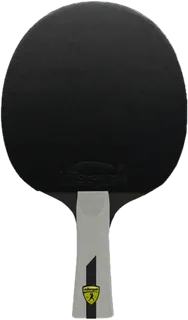
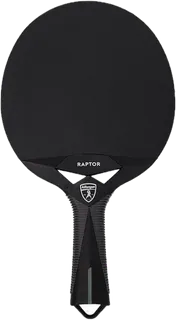
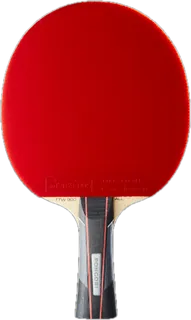
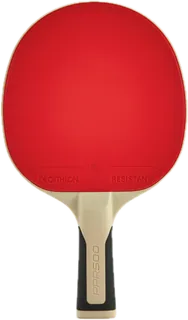
Why these features matter
-
Price ($)
Price helps compare value, but the cheapest paddle is not always the best buy. Weigh it against durability, included case, rubber quality, and whether the paddle can support your skill level long enough to avoid an early replacement.
-
Outdoor suitable
Outdoor paddles tolerate patios, garages, schools, camps, and damp storage better than conventional rubber-on-wood paddles. They usually trade away some spin, feel, and competition legality, so indoor players focused on skill development or club play may prefer a standard indoor paddle.
-
ITTF approved
Competition approval matters for league, club tournament, school, and sanctioned play where equipment can be checked. It matters less for casual home or office use, where nonapproved paddles may still be durable or inexpensive but could block progression into formal play.
-
Recommended skill level
A paddle matched to skill level is easier to learn with and less frustrating. Beginners often benefit from control and forgiveness, while stronger players may accept less forgiveness for more speed or spin. The label matters less for casual family play where several people of different levels share one paddle.
-
Playing style
Playing style shows what the paddle is optimized to do: keep balls on the table, attack, loop with spin, hit fast, or survive outdoor use. Matching style prevents overbuying a fast paddle that is hard to control or choosing a durable recreational paddle that limits spin development.
-
Speed class
More speed can help offensive players finish points and play farther from the table, but it reduces reaction time and can make short game and placement harder. Lower or medium speed is often better for beginners, control players, and shared household paddles.
-
Spin class
High spin helps with serves, loops, pushes, and modern attacking play, but it also makes the paddle react more strongly to opponents' spin. Developing or casual players may prefer moderate spin until they can read and control incoming spin reliably.
-
Control class
Control affects whether shots land reliably during rallies, serve receive, blocking, and learning basic strokes. Higher control is especially valuable for beginners and defensive or allround players; advanced attackers may accept lower control to gain extra speed or spin.
-
Weight (g)
Weight changes comfort, swing speed, fatigue, and stability. Lighter paddles can suit children, long sessions, and quick reactions; heavier paddles may feel more solid and powerful but can strain the wrist or slow recovery between shots.
-
Sponge thickness (mm)
Sponge thickness influences speed, spin, touch, and feel. Thicker sponge often gives more power and spin potential but can reduce direct control; thinner or no sponge can be easier for simple blocking, recreational play, or outdoor durability.
-
Rubber surface type
Rubber surface type strongly affects spin, speed, durability, and technique. Inverted rubber supports modern spin strokes, pips and hardbat change ball behavior and feel, and molded outdoor surfaces prioritize weather resistance over high-level spin performance.
-
Blade construction
Construction affects feel, vibration, stiffness, sweet spot, durability, and speed. All-wood blades often offer more feedback and control, carbon or composites can add power and stability, and molded polymer bodies suit outdoor durability but usually feel less like a competition paddle.
-
Handle shape
Handle shape affects grip comfort, wrist freedom, switching between forehand and backhand, and confidence during fast swings. It is especially important for players with small or large hands, penhold players, and anyone sensitive to hand fatigue; it matters less when the paddle is only used occasionally by many people.
-
Rubber replaceable
Replaceable rubber extends the useful life of a good blade and lets improving players tune speed, spin, or feel later. Non-replaceable paddles are simpler for casual use but usually must be replaced when the surface wears out or no longer matches the player’s level.
-
Case included
A case protects rubber from dust, abrasion, sunlight, and bag damage, helping maintain spin and cleanliness. It is more valuable for players carrying the paddle to clubs or school; it matters less if the paddle stays on a home table or the buyer already owns a suitable case.
-
Warranty length (months)
Warranty length indicates the support window for defects such as delamination, handle failure, or manufacturing faults, though normal rubber wear is often excluded. It matters more for higher-priced paddles and gift or institutional purchases; it matters less for very low-cost recreational paddles that may be cheaper to replace than claim.
-
Grip style compatibility
Shakehand and penhold paddles are not interchangeable for most players. This is a deal-breaker for penhold players and for buyers trying to learn a specific technique; it matters less for casual shared outdoor paddles with nontraditional molded grips.
-
Assembly format
Assembly format affects convenience, consistency, future upgrades, and how much the buyer needs to know about blades, rubbers, glue, and maintenance. Ready-made paddles are easier for beginners; pro-line or custom assemblies suit players who want competition-grade components without accepting a generic recreational build.
-
Factory rubber model
The rubber model can explain big differences in spin, grip, throw, durability, and competition legality that are hidden by generic speed or spin labels. Advanced players and improving club players often care because familiar rubbers such as Sriver, Rozena, Hurricane, or Palio CJ8000 feel very different.
-
Rubber hardness feel
Hardness changes touch, dwell time, power, and how much swing speed is needed. Softer rubbers are often easier for controlled rallies and developing players, while harder rubbers can reward stronger loopers and hitters but may feel unforgiving at low impact.
-
Throw angle
Throw angle affects whether loops clear the net, whether drives stay low, and how much stroke adjustment is needed. Loopers often prefer a higher arc, while flat hitters and blockers may prefer a lower, more direct path.
-
Blade feel and feedback
Feel affects timing, touch shots, confidence on blocks, and whether a player can sense ball contact. Players learning technique may value feedback; attackers may like a crisp carbon response; outdoor and molded paddles may feel durable but less precise.
-
Balance feel
Two paddles with the same weight can feel very different. Head-heavy paddles can add plow-through and power but may tire the wrist; neutral or handle-biased paddles can feel quicker for blocks, serve receive, juniors, and long sessions.
-
Head shape
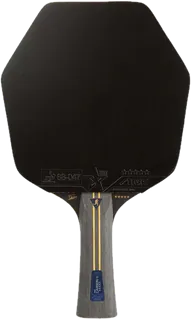
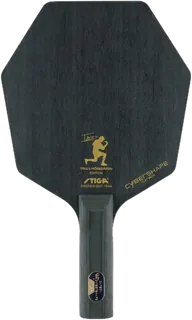
Head shape changes the effective hitting area, balance, aerodynamics, and accessory fit. Most players are fine with a standard oval head, but unusual shapes such as Cybershape can be a reason to buy or avoid depending on feel preference and replacement-rubber convenience.
-
Head and handle dimensions
Dimensions matter for hand fit, children, portability, case compatibility, and whether the paddle feels cramped or oversized. This matters less when buying a standard adult shakehand paddle for occasional use.
-
Junior suitability
Children often need lighter weight, manageable speed, and a handle they can hold securely. A high-performance adult carbon paddle can slow development or cause fatigue even if it looks like a better specification on paper.
-
Best table distance
Players who block and counter close to the table need quick control, while loopers who step back may need more power and arc. Casual buyers may not care, but regular players can avoid a paddle that only works well for a style they do not play.
-
Maintenance requirements
Some paddles are low-effort guest or outdoor paddles; others need cleaning and careful storage to preserve grip and spin. Buyers who play rarely, store paddles in a garage, or lend them to children may prefer lower-maintenance designs.
-
Weather and cleaning tolerance
Outdoor suitability is not all-or-nothing. A school, camp, patio, or public-table buyer may need a paddle that can be washed, dropped, or left in variable conditions, while a club player may prefer an indoor rubber paddle that must be kept dry but performs much better.
-
Paddles included (paddles)
Pack quantity changes the real cost for families, offices, schools, and guest play. A low price may be less attractive if it buys one paddle while another listing includes a pair, but serious players may prefer spending the full budget on one better paddle.
-
Other included accessories
Accessories can improve convenience or gift value, but they should not distract from paddle performance. They matter most for starter kits, school or office purchases, and buyers who do not already own balls or cleaning supplies.
-
Regional availability
Some paddles are easy to replace or inspect locally, while others are region-specific or sold under changing names. Availability affects delivery time, warranty handling, replacement after breakage, and whether price comparisons are fair across markets.
About the products
-
STIGA Pro Carbon · STIGA Sports
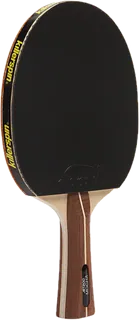
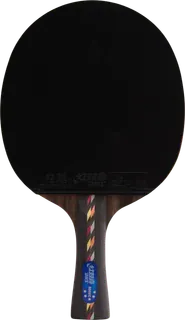
The STIGA Pro Carbon is a ready-made shakehand paddle for players moving toward a faster, more attacking game without building a custom racket. Its carbon-reinforced construction is meant to add speed and a crisper feel, which can help confident hitters but may punish beginners who still need a slower, more forgiving paddle for control and placement.
-
STIGA Evolution · STIGA Sports
The STIGA Evolution suits improving recreational players who want a balanced premade paddle rather than a basic starter racket or a custom setup. It is positioned around allround speed, spin, and control, making it a practical step up for regular practice, though players seeking either maximum forgiveness or a very fast offensive feel may prefer other options.
-
STIGA Titan · STIGA Sports
The STIGA Titan is a budget-friendly recreational paddle for beginners, family play, or casual table use. It prioritizes manageable speed and easy handling over heavy spin or high power, so it is better for learning basic strokes than for advanced attacking play.
-
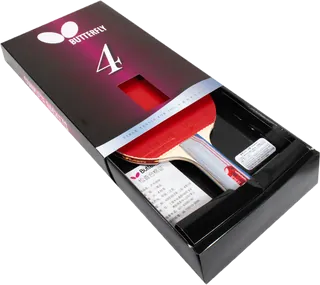
Butterfly 401 · Butterfly
The Butterfly 401 is an entry-to-intermediate premade racket for developing players who want more spin potential than a very basic paddle while keeping an allround, controlled feel. It is a sensible choice for practice and casual competition, but it is not aimed at players who want a high-speed offensive racket.
-
Butterfly 603 · Butterfly
The Butterfly 603 is a ready-made allround racket for regular recreational players who want a livelier paddle than beginner models while retaining enough control for practice. It fits players progressing beyond casual starter gear, though it may not satisfy advanced players who want the precision and rubber choice of a custom racket.
-
Infinity Overdrive · JOOLA
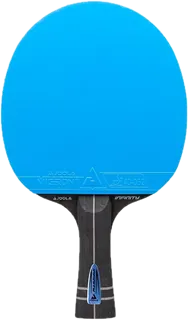
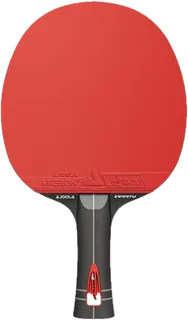
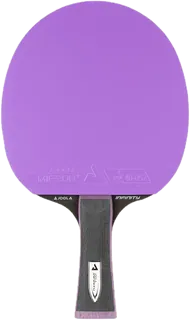
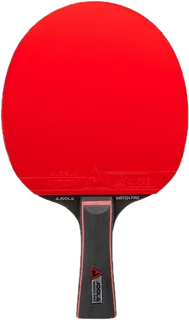
The JOOLA Infinity Overdrive is a performance-oriented premade paddle for offensive-minded players who want a fast, carbon-influenced feel straight out of the box. It is better suited to confident stroke makers than to beginners, because added speed can make short touch, blocks, and off-center hits harder to control.
-
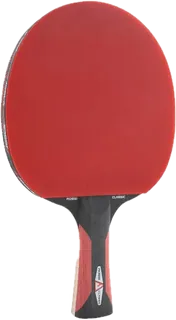
Rosskopf Classic · JOOLA
The JOOLA Rosskopf Classic is an allround recreational racket for casual and improving players who value consistency and controlled shot-making over maximum speed. It is a good fit for learning rallies and placement, but players focused on heavy spin or aggressive power may outgrow it.
-
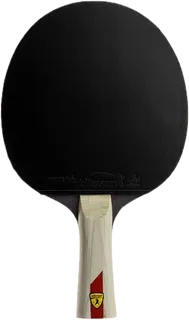
JET200 · Killerspin
The Killerspin JET200 is a beginner-friendly paddle for casual home, office, or recreational play. Its main appeal is control and basic stroke development at a low-commitment level, while its limitations are lower spin and speed compared with intermediate or performance premade rackets.
-
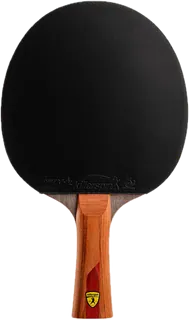
JET600 Spin N2 · Killerspin
The Killerspin JET600 Spin N2 is an intermediate ready-to-play paddle for players starting to rely more on spin and offensive shots. It offers more capability than entry-level Killerspin models while avoiding the complexity of a custom blade-and-rubber build, though it may still feel limiting to advanced club players.
-
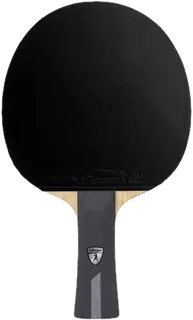
JET 800 Speed N2 · Killerspin
Killerspin's current fast carbon premade for advanced and competitive players: a 5-ply wood plus 2-carbon blade with Nitrx-4Z rubbers, sold with a Memory Book case and two training balls. Its speed rewards confident attackers but is less forgiving than the all-wood JET200 or JET600.
-
JET800 Speed N1 · Killerspin · Superseded
The Killerspin JET800 Speed N1 is a fast premade racket for aggressive recreational or club-style players who want speed from a complete paddle. Its stiffer, more offensive character rewards confident swings but is less forgiving for beginners or anyone prioritizing touch, control, and easy placement. Killerspin now sells the redesigned JET 800 Speed N2 instead; the N1 is mostly found on secondary marketplaces.
-
Expert 3.0 · Palio
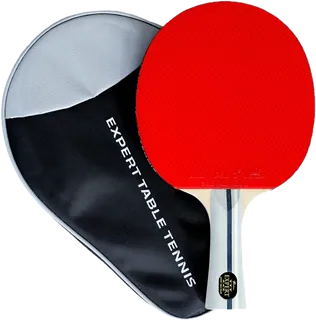
The Palio Expert 3.0 is a control-focused premade racket for beginners learning proper technique, timing, and spin basics. It is the most forgiving choice in Palio’s Expert/Master/Legend progression, making it useful for development, but players who already attack consistently may want the faster Master or Legend models. Price is the US Amazon price that Palio's distributor, Expert Table Tennis, lists on its own product page.
-
Master 3.0 · Palio
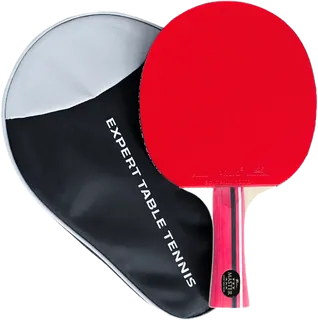
The Palio Master 3.0 is an allround premade paddle for improving players who want a middle ground between the forgiving Palio Expert and the more offensive Palio Legend. It adds speed and spin potential while keeping enough control for development, but it is not the best fit for complete beginners or players wanting maximum pace. Price is the US Amazon price that Palio's distributor, Expert Table Tennis, lists on its own product page.
-
Legend 3.0 · Palio
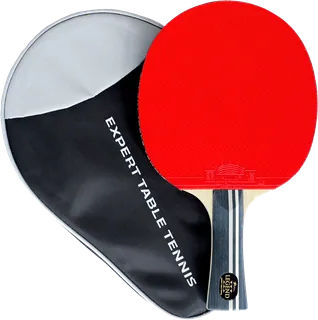
The Palio Legend 3.0 is the offensive option in Palio’s 3.0 premade range, suited to more confident players who prioritize speed and spin. It can support a more attacking style than the Expert or Master, but the trade-off is reduced forgiveness for players still building control and consistency. Price is the US Amazon price that Palio's distributor, Expert Table Tennis, lists on its own product page.
-
DHS 4002 · DHS
The DHS 4002 is an affordable premade racket for players who want the tacky-rubber feel associated with many Chinese-style paddles. It can appeal to spin-focused learners who prefer a firmer, less bouncy response, though players used to springier recreational paddles may need time to adjust. DHS USA had the shakehand version on sale at $30.55 (list $35.95) in October 2026.
-
DHS 6002 · DHS
The DHS 6002 is a higher-tier DHS premade racket for intermediate players looking for a tacky-rubber feel with more speed than lower-level recreational models. It suits spin-oriented offensive development, but beginners may find it less immediately forgiving than slower control paddles.
-
Donic-Schildkröt Waldner 900 · DONIC
The Donic-Schildkröt Waldner 900 is a recreational-to-intermediate allround racket for players who want a faster feel than a basic starter paddle from a well-known European table-tennis brand. It is a reasonable fit for regular casual play, though advanced players may still prefer a custom racket for rubber and blade selection. The maker sells it through European sites priced in euros and has no US store price, so there is no US maker price; US retailer prices vary.
-
Donic-Schildkröt Carbotec 7000 · DONIC
The Donic-Schildkröt Carbotec 7000 is a distinctive composite carbon-construction racket rather than a traditional wood-blade paddle. It is aimed at players who want a very stiff, speed-oriented recreational feel, but those who value classic blade feedback, touch, or conventional rubber replacement options may prefer a more traditional design. The maker sells it through European sites priced in euros and has no US store price, so there is no US maker price; US retailer prices vary.
-
Tacteo 50 · Cornilleau
The Cornilleau Tacteo 50 is a specialist outdoor paddle for schools, public tables, family gardens, and other casual settings where weather resistance and durability matter most. It sacrifices the spin, feel, and rubber performance of indoor competition-style paddles, but it is better suited to rough use and outdoor storage conditions.
-
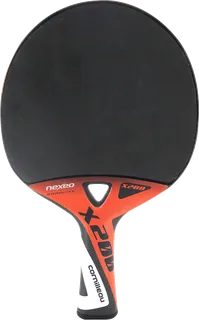
Nexeo X70 · Cornilleau
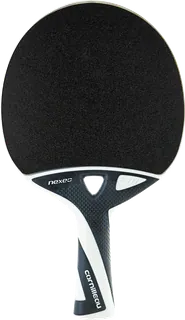
The Cornilleau Nexeo X70 is an outdoor-focused racket for players who mainly play outside but want more grip and performance than a basic weather-resistant paddle. It is built around durability and impact resistance, so it is not the best choice for players seeking the feel and spin of an indoor competition-style rubber racket.
-
Infinity GL Table Tennis Racket · JOOLA
A premium pre-assembled racket for improving recreational players who want more attack than a basic paddle without jumping to a full custom setup. The fiberglass 5+2 blade and ITTF-approved Micron+ rubber favor a balanced mix of spin, speed, stability, and forgiveness.
-
Infinity Z Carbon Table Tennis Racket · JOOLA
A fast pre-assembled carbon racket for aggressive players who want more speed and spin from a ready-made paddle. The Zyramid carbon construction and MicronX rubber make it more powerful than most casual paddles, so beginners may find it less forgiving.
-
White Infinity Carbon Table Tennis Racket · JOOLA
A higher-priced ready-made option for socially competitive or developing club players who want carbon stiffness, ITTF-approved rubber, and a modern performance feel without selecting separate blade and rubber sheets. Best for players who already control spin and pace reasonably well.
-
Match Pro Table Tennis Racket · JOOLA
A low-cost single racket for casual home, office, or school play. It is a practical step above toy paddles but is not aimed at heavy spin generation, tournament play, or players who need replaceable rubbers.
-
STIGA Cybershape Eclipse · STIGA Sports
A performance-ready paddle for players attracted to STIGA’s hexagonal Cybershape design and a larger optimized hitting area. It combines a 5-ply blade, 2.0 mm sponge, WRB weighting, and ITTF-spec 5-star rubber; the high speed and spin ratings make it better for confident attackers than cautious beginners.
-
STIGA Pro Carbon+ Cybershape Truls Edition · STIGA Sports
A premium 5-star pre-glued bat for offensive players who want STIGA’s Cybershape format, Truls Möregårdh styling, and extra speed from a 5+2 wood/carbon blade. It suits ambitious recreational players, but the fast STAR5 rubbers and carbon feel may punish rushed technique. STIGA's US store (stigaus.com) does not sell this model, so there is no US maker price.
-
STIGA Cybershape Future 3-Star by Truls · STIGA Sports
A more approachable Cybershape option for juniors, newer players, or casual players who want the unusual blade shape without the speed of STIGA’s 5-star carbon models. It trades outright pace for control and a larger-feeling sweet spot. STIGA's US store (stigaus.com) does not sell this model, so there is no US maker price.
-
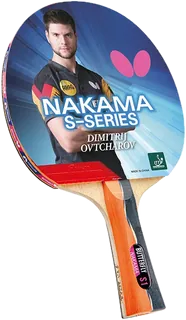
Nakama S-1 Racket · Butterfly
A high-end recreational Butterfly racket for players who want a carbon-enhanced blade and classic Sriver rubber in a ready-made package. It offers a larger sweet spot and all-around attacking feel, but the permanently glued construction is less upgradeable than Butterfly Pro-Line rackets.
-
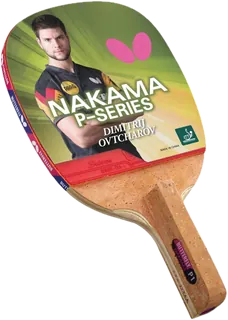
Nakama P-1 Penhold Racket · Butterfly
A ready-made Japanese penhold option for players who use or want to learn a penhold grip rather than the common shakehand handle. Its carbon-assisted build and Butterfly rubber make it more specialized than beginner sets, but it is not the right fit for shakehand players.
-
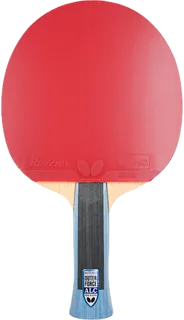
Outerforce ALC Pro-Line with Rozena · Butterfly
A fully assembled but upgradeable advanced setup for players who want a real blade-and-rubber build without gluing it themselves. The Outerforce ALC blade adds a crisp outer-carbon feel, while Rozena is more forgiving than Butterfly’s highest-end Tenergy or Dignics rubbers. Butterfly's US shop had it on sale at $220.47 (list $244.97) in October 2026.
-
DHS 3 Star Table Tennis Racket · DHS
A budget-to-midrange DHS option for beginners to intermediate players who want tacky PF4-style Chinese rubber and a 5-ply wood feel. It emphasizes control, balance, and spin development more than raw speed.
-
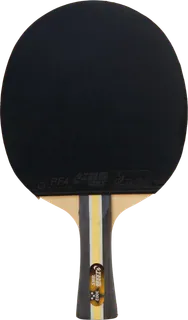
DHS 5 Star Carbon Fiber Table Tennis Racket · DHS
An advanced ready-made DHS racket available in shakehand or penhold versions. The 5+2 aromatic carbon blade and Hurricane 3 rubbers suit loop-drive and fast-attack players who like tacky Chinese rubber; it is less forgiving than slower all-wood beginner paddles.
-
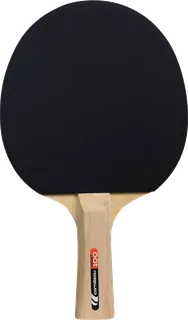
Sport 100 · Cornilleau
A very inexpensive indoor wooden bat for occasional play, schools, or guest paddles where control and durability matter more than spin or speed. It is not intended for competitive players or advanced stroke development.
-
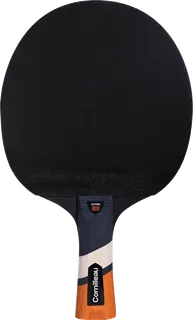
Perform 800 · Cornilleau
A 5-star indoor racket for improving players who want a traditional wooden bat with more speed and feel than basic Cornilleau Sport models. It uses ITTF coating and Cornilleau’s Aero Soft design, but remains a pre-made paddle rather than a replaceable custom setup.
-
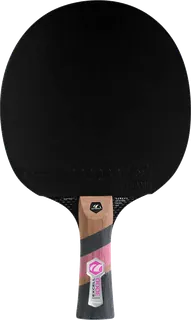
Excell 3000 Carbon · Cornilleau
Cornilleau’s fast indoor carbon bat for experienced recreational players who prioritize speed and spin. Its 6-star positioning and carbon construction make it lively and attacking, but players who need maximum control should look at slower Perform or Sport models.
-
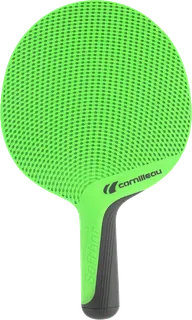
Softbat · Cornilleau
A weather-resistant outdoor bat made for gardens, camps, schools, and shared tables where wood-and-rubber paddles wear out quickly. It favors durability, easy handling, and all-weather use over the spin and feel of an indoor competition racket.
-
Nexeo X200 Graphite · Cornilleau
A high-end outdoor composite paddle for buyers who want weather resistance without giving up as much speed and spin. The graphite-focused construction is overkill for casual guest use, but useful for demanding outdoor players who dislike flimsy plastic paddles.
-
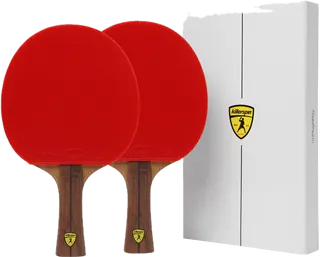
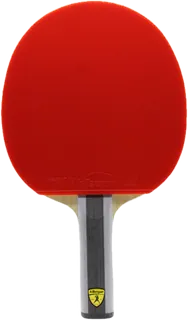
Diamond TC · Killerspin
Killerspin's current flagship premade for competitive attackers: a 5-ply wood blade with 2 titanium-carbon layers and Nitrx-4Z rubbers, ITTF approved, with a choice of flared or straight handle and a Memory Book case. Very fast with modest control, so it suits experienced players rather than beginners.
-
Diamond TC Premium · Killerspin · Superseded
A premium, competition-oriented Killerspin paddle for aggressive players who want very high speed and spin in a ready-to-go package. Its titanium carbon layers and Fortissimo rubbers provide power, while the low control rating means it is not ideal for beginners. Killerspin has replaced it with the Diamond TC (Nitrx-4Z rubbers, $215.99); its old RTG Premium page now redirects to the homepage.
-
IMPACT D5 · Killerspin
A midrange Killerspin paddle for home or office players who want more spin than entry-level paddles without paying for carbon construction. It uses Nitrx-4Z rubber on a 5-ply wood blade, making it a practical upgrade for recreational play.
-
IMPACT Raptor Outdoor Paddle · Killerspin
An outdoor-focused paddle for patios, parks, and damp or sunny conditions where standard indoor rubber can degrade. Its thermoplastic/elastomer construction prioritizes durability and weather tolerance, not tournament-style spin or blade feedback.
-
TTR900 Club · Decathlon
A value-oriented club-style bat for regular players who want a more serious paddle than a basic recreational set without paying premium Butterfly, JOOLA, or STIGA prices. Availability and naming vary by country, so buyers should check their local Decathlon store. Decathlon's US store does not carry Pongori table tennis gear, so there is no US maker price.
-
PPR 500 · Decathlon
A very affordable recreational paddle for beginners, families, or spare-paddle use, built to withstand knocks and bad weather, so it also works outdoors. Decathlon sells it in Canada (C$8.99) but not in the US, so there is no US price. Players practicing spin, looping, or competitive serves will outgrow it quickly.
Suggest a change
Related comparisons
-
 Ping pong tables
Choosing a ping pong table depends on where you will play, how often it will be used, and who needs to move or store it. Indoor tables usually prioritize bounce quality and a smooth playing surface, while outdoor models trade some play feel for weather resistance. Foldable designs, wheel quality, frame strength, and setup effort matter if space is shared. Families may value safety and easy storage, while frequent players should look closely at stability, surface thickness, and long-term durability.
-
 Ping pong balls
Choosing ping pong balls depends on where and how you play. Casual players may value durability and quantity, while competitive players usually care more about consistent bounce, roundness, and approved sizing. Material, star rating, color, and pack size all affect the decision, as do whether the balls are for training, matches, clubs, schools, or home tables. The best choice balances feel and reliability against how quickly balls get lost, dented, or worn out during regular play.
-
 Tennis rackets
Choosing a tennis racket is a trade-off between power, control, spin and comfort. This grid compares popular adult rackets side by side on the specs that decide how a frame plays: head size, weight and balance, swingweight, stiffness, string pattern and grip sizes, plus price, skill level and each maker's own power and swing-speed ratings. Use it to narrow a short list, then demo before you buy.
-
 Squash rackets
Compare squash racquets by frame weight, balance, shape, string layout, intended level and current US price. Published weight may be a bare frame or a strung racquet, so check the stated basis.
-
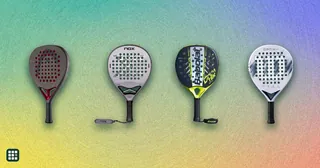 Padel rackets
 differ mainly in shape, balance, weight and how hard the face and core are. Round, light, soft rackets are forgiving and easy on the arm; heavy, head-heavy diamonds with stiff carbon faces hit harder but need good technique. This grid compares 26 rackets sold in the US, from $100 beginner models to $450 pro signature rackets, from Bullpadel, Nox, adidas, HEAD, Babolat, Wilson and Tecnifibre.
-
 Badminton rackets
 from Yonex, Victor and Li-Ning compared for US buyers, from pre-strung entry rackets around $100 to flagship frames over $300. See weight class, grip, balance, shaft flex, maximum string tension, materials, play style and skill level side by side, with regular prices at US badminton specialists.