



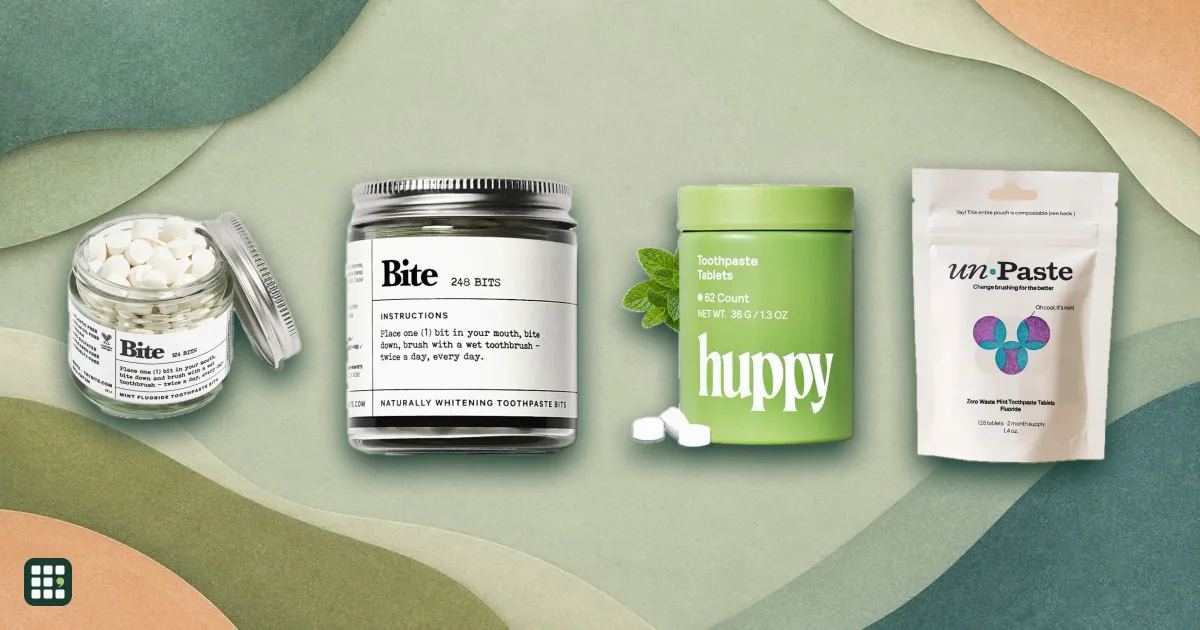
Toothpaste tablets and zero-waste oral care
Toothpaste tablets swap the tube for a small dry tablet: you chew one, brush with a wet toothbrush, and it foams into paste. They suit travel, plastic-free routines and people who dislike tubes, but they differ on the things that matter for teeth: some contain fluoride, others use nano-hydroxyapatite; some ship in compostable pouches with a refillable jar; and monthly cost varies a lot. This grid compares the main tablets sold to US buyers with the ingredients, packaging and prices the makers publish.
Last updated
How to choose
Decide first whether you want fluoride. The American Dental Association says fluoride toothpaste helps prevent cavities, so ask your dentist before switching to a fluoride-free tablet that uses hydroxyapatite instead.
What to compare
- Active ingredient: sodium fluoride or sodium monofluorophosphate versus nano-hydroxyapatite. Read the maker's own label, not the marketing line.
- True monthly cost: divide the price by the months the pack lasts. Subscription prices are often a third lower than one-time prices, but you commit to repeat shipments.
- Packaging: glass or tin jars, compostable refill pouches, and whether any plastic is used. Check whether the jar is included or sold separately.
- Ingredients: foaming agent (some brands claim to be SLS free but use a similar surfactant), sweeteners such as xylitol, and flavors.
- Claims and seals: vegan and cruelty-free marks are common; an ADA Seal is not, so do not assume one.
Practical checks
- Tablets must be kept dry, so close the jar tightly and avoid the bathroom shelf above the sink.
- Chew the tablet, then brush for two minutes with a wet brush; a slow-to-foam tablet is a common complaint.
- Order a small pack or trial size before a four-month supply if the maker offers one.
Answer
Browse the table. Filter to what matters.
Use the filters below, then sign in if you want to shortlist and decide with friends.
Sign in to vote, hide products and features, and reorder.
Verified: hover a cell and click its green dot for the source Estimate: no cited source Not stated: the maker doesn't publish it
| Feature | ⠿ | ⠿ | ⠿ | ⠿ | ⠿ | ⠿ | ⠿ | ⠿ |
|---|---|---|---|---|---|---|---|---|
|
⠿
Price
|
||||||||
|
⠿
Subscription price per month
|
$8/month
|
$8/month
|
||||||
|
⠿
Tablets per pack
|
||||||||
|
⠿
Months per pack
|
1 months
|
1 months
|
||||||
|
⠿
Fluoride
|
||||||||
|
⠿
Active ingredient
|
||||||||
|
⠿
Flavors
|
||||||||
|
⠿
Packaging
|
Recyclable cardboard tube, plastic-free
|
|||||||
|
⠿
Plastic free packaging
|
|
|
||||||
|
⠿
Vegan
|
||||||||
|
⠿
SLS free
|
||||||||
|
⠿
Subscription available
|
|
|||||||
|
⠿
Certifications
|
None found
|
Why these features matter
-
Price ($)
Compare it with how long the pack lasts: a bigger pack can cost more up front and less per month.
-
Subscription price per month ($/month)
Makers push subscriptions; this is what you pay per month if you accept repeat shipments.
-
Tablets per pack (tablets)
Needed to work out cost per brushing; one tablet is one brushing.
-
Months per pack (months)
Turns pack price into a monthly cost.
-
Fluoride
Fluoride is the proven cavity-fighting ingredient in standard toothpaste; ask your dentist before choosing a fluoride-free tablet.
-
Active ingredient
Fluoride and hydroxyapatite work differently; the percentage tells you how much is in each tablet.
-
Flavors
Mint is standard; fruity or charcoal options suit kids and people who dislike mint.
-
Packaging
The main reason to buy tablets is less plastic; the packaging claim shows how far each goes.
-
Plastic free packaging
A tube-free product can still ship in plastic.
-
Vegan
Some tablets contain animal-derived ingredients; vegan buyers need the maker to say so.
-
SLS free
SLS can irritate sensitive mouths and canker sores for some people; check what surfactant replaces it.
-
Subscription available
Refills on a schedule are cheaper but you must skip or cancel to stop them.
-
Certifications
A seal is independent checking; claims alone are not.
About the products
-
Bite Toothpaste Bits with Fluoride · Bite
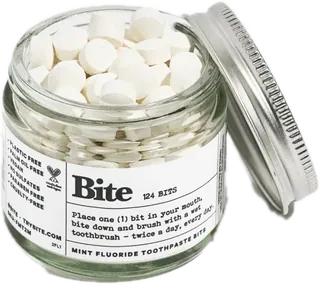
Mint tablets with sodium monofluorophosphate in a refillable glass jar with an aluminum lid, refilled by compostable pouches. The 248-tablet pack is a four-month supply; the $32 price on its page is the subscription price.
-
Bite Toothpaste Bits Fluoride-Free · Bite
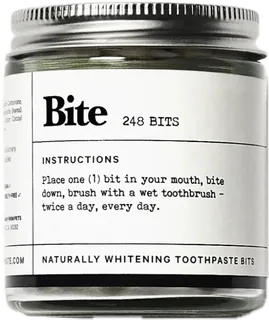
Fluoride-free tablets with 5% nano-hydroxyapatite in the same glass jar and compostable refill system, in mint, mint charcoal or berry twist. Four-month supply of 248 tablets.
-
Huppy Toothpaste Tablets · Huppy
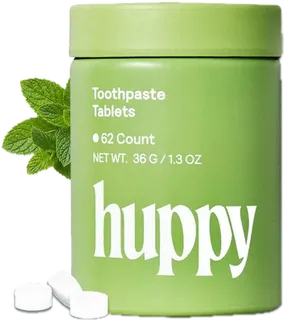
Fluoride-free tablets with 10% hydroxyapatite in a refillable tin, shipped on subscription with compostable refills; four flavors. The page lists a $50 one-time option without saying what it contains, and the tablet count is not stated.
-
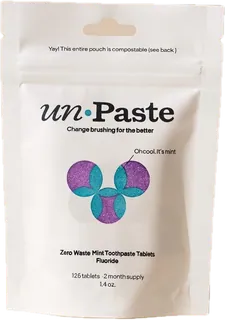
UnPaste Tooth Tabs Fluoride Mint · UnPaste
Low-cost fluoride mint tablets: 125 tablets (about two months) in a compostable pouch, with a reusable glass jar sold separately. The maker site is script-drawn, so facts and prices here come from US retailers.
-
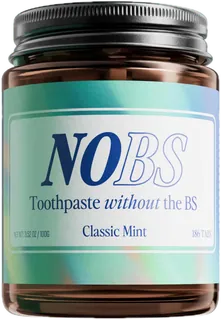
NOBS Toothpaste Tablets · NOBS
Fluoride-free tablets with 5% nano-hydroxyapatite and a low-abrasion formula (RDA about 21), sold in a plastic-free glass jar. The 186-tablet jar is a three-month supply; a one-month jar and travel tubes are also sold. Contains xylitol, which is toxic to pets.
-
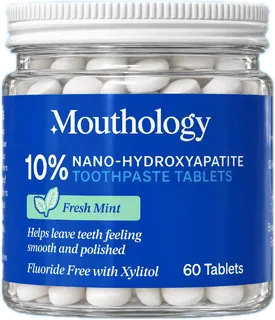
Mouthology 10% Nano-Hydroxyapatite Toothpaste Tablets · Mouthology
Fluoride-free, SLS-free tablets with 10% nano-hydroxyapatite, double the 5% it says other tablets use. Priced per pack with subscription discounts; the page does not state the tablet count or what the pack is made of.
-
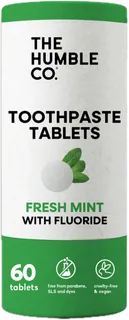
Toothpaste Tablets with Fluoride · The Humble Co.
The cheapest fluoride tablet here: sodium fluoride at 1450 ppm, vegan, SLS-free, in recyclable packaging. Several buyers report a stronger, chalkier formula since a 2026 change.
-
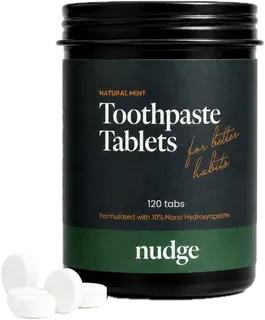
Nudge 10% Nano-Hydroxyapatite Toothpaste Tablets · Nudge
Fluoride-free, SLS-free tablets with 10% nano-hydroxyapatite in a recyclable aluminum container; a 120-tablet jar lasts about 60 days, with a lower price per jar as you add jars. Mint or cinnamon and clove.
Suggest a change
Related comparisons
-
 Period underwear
Reusable period underwear varies in how much flow it is designed to hold, how much coverage the gusset provides, and what fabrics touch the body. Compare absorbency claims, fit, materials, wash care, and list price before choosing.
-
 Teeth whitening toothpastes
Whitening toothpastes remove surface stains with polishing abrasives, baking soda, or a peroxide, and a few add ingredients such as hydroxyapatite or a purple color corrector. None changes the natural color of teeth the way strips or in-office whitening can. This grid compares them on price per ounce, whitening method, peroxide, fluoride, sensitivity, SLS, and the American Dental Association Seal.
-
 Toothpastes for sensitive teeth
Sensitivity toothpastes are for teeth that ache from cold, heat, sweets, or touch. Most work by building up protection over a few weeks of twice-daily brushing, using 5% potassium nitrate, stannous fluoride, or hydroxyapatite. This grid compares them on price per ounce, the active ingredient, fluoride, gum protection, whitening claims, SLS, and the American Dental Association Seal. If sensitivity is severe or lasts more than a few weeks, see a dentist.
-
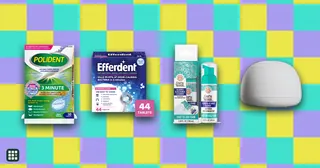 Retainer and denture cleaners
Retainers, aligners, night guards and dentures collect plaque, stain and odor-causing bacteria and need cleaning every day. This grid compares 9 cleaners you can buy in the US: effervescent tablets from Polident, Efferdent, Equate and M3 Naturals; a no-soak foam; and ultrasonic cleaners from GuruNanda and Zima. The decision comes down to what you are cleaning, how much time you have, cost per use, and whether you want to buy a device once or tablets again and again.
-
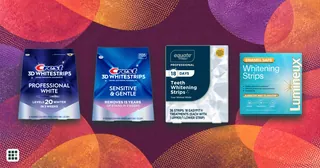 Teeth whitening strips
 are thin, gel-coated strips you wear for 30 to 60 minutes a day for one to three weeks. This grid compares Crest's Whitestrips range with store-brand, peroxide-free, and dentist-brand strips on price per treatment, wear time, whitening agent, sensitivity, and the American Dental Association Seal. The main trade-off: stronger and longer courses cost more and are more likely to cause temporary sensitivity, while gentler or peroxide-free strips are slower.
-
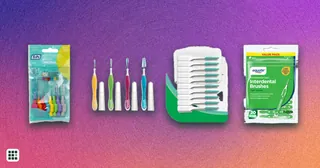 Interdental brushes
 clean the gaps between teeth where a toothbrush cannot reach, and many dentists suggest them for gum care, braces, bridges and implants. This grid compares ten widely sold US options, from TePe and Curaprox wire brushes to GUM, DenTek and Equate drugstore brushes and soft rubber picks. The real trade-offs are fit (a brush that is too big hurts and one that is too small does little), price per brush, and whether you want a reusable wire brush or a disposable rubber pick.