



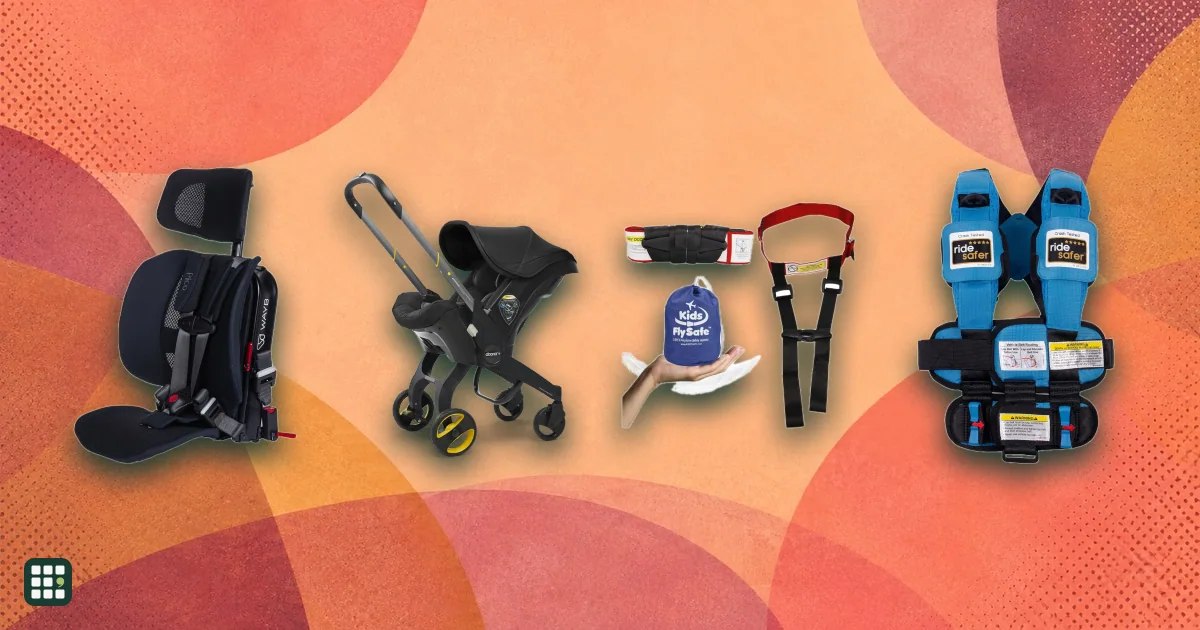
Travel car seats
Travel car seats are small, light seats and boosters that you can carry through an airport, check or gate-check, and install in a rental car or taxi. The real decision is your child's stage (infant, toddler or big kid), whether you need a seat that is approved for use on the plane itself, and how much weight and bulk you will carry.
Last updated
How to choose
Start with your child's weight, height and age, then match a seat to that stage. Infants need rear-facing seats; toddlers who have outgrown them need a harness seat; children around 4 and up and at least 40 lb can use a belt-positioning booster.
Decide how you will use it
- On the plane. Only seats with a label saying they are certified for aircraft can be used in an airplane seat. Boosters are not allowed in flight, so they are checked or carried and used on the ground.
- Car only. If the seat will be checked or gate-checked, a compact booster or inflatable seat can ride in a bag instead.
- Rentals, taxis and rideshares. Light seats that install quickly with a vehicle belt save the most effort.
Compare what you will carry
- Seat weight and packed size matter most if you walk long distances through airports.
- Width matters if you need three seats across a back row.
- A travel seat that is expensive to replace is worth a carry bag; check whether one comes in the box.
Check before you buy
- Look at the expiration date and warranty; seats expire years after manufacture, not purchase.
- Confirm the seat meets US standards (a label for FMVSS 213) and, if you will fly, the aircraft approval label.
- Practice installing it before the trip, with the vehicle belt or LATCH, and have a certified technician check it if unsure.
No travel seat suits every child, so use the limits printed on the seat and in its manual.
Answer
Browse the table. Filter to what matters.
Use the filters below, then sign in if you want to shortlist and decide with friends.
Sign in to vote, hide products and features, and reorder.
Verified: hover a cell and click its green dot for the source Estimate: no cited source Not stated: the maker doesn't publish it
| Feature | ⠿ | ⠿ | ⠿ | ⠿ | ⠿ | ⠿ | ⠿ | ⠿ | ⠿ | ⠿ | ⠿ |
|---|---|---|---|---|---|---|---|---|---|---|---|
|
⠿
Price
|
|||||||||||
|
⠿
Seat type
|
|||||||||||
|
⠿
Child weight range
|
30-110 lb
|
||||||||||
|
⠿
Child height range
|
|||||||||||
|
⠿
Minimum age
|
Newborn (from 4 lb)
|
Newborn (4 lb)
|
|||||||||
|
⠿
Seat weight
|
under 1 lb
|
1.2 lb
|
|||||||||
|
⠿
Seat width
|
Doesn't apply
|
||||||||||
|
⠿
Approved for airplane use
|
|
|
|
|
|||||||
|
⠿
Installation methods
|
LATCH base (included); belt without base
|
||||||||||
|
⠿
Rear facing use
|
Doesn't apply
|
Doesn't apply
|
Doesn't apply
|
Doesn't apply
|
Doesn't apply
|
||||||
|
⠿
Five point harness
|
|
|
Doesn't apply
|
Doesn't apply
|
Doesn't apply
|
Doesn't apply
|
Doesn't apply
|
||||
|
⠿
Packed size
|
|||||||||||
|
⠿
Fits three across
|
Doesn't apply
|
||||||||||
|
⠿
Expiration
|
|||||||||||
|
⠿
Warranty
|
Lifetime
|
||||||||||
|
⠿
Carry bag included
|
|
|
|
|
|||||||
|
⠿
Stroller compatibility
|
Doesn't apply
|
Doesn't apply
|
Doesn't apply
|
Doesn't apply
|
Doesn't apply
|
Doesn't apply
|
Doesn't apply
|
Doesn't apply
|
Why these features matter
-
Price ($)
Travel seats range from about $40 for an inflatable booster to $650 for a premium infant seat. Pay more for lighter weight, easier install or stroller use, not for a different federal safety pass.
-
Seat type
The type decides which child stage the seat can serve at all, so check it before anything else.
-
Child weight range
Your child must be inside the range; a seat they will outgrow in a year costs more per use.
-
Child height range
Height limits often end a seat before the weight limit does, especially for infants.
-
Minimum age
Some travel seats cannot be used for babies or toddlers at all, so this rules options in or out first.
-
Seat weight (lb)
Seat weight is what you carry through the airport, so each pound counts when walking far.
-
Seat width (in)
Narrow seats let you fit three across a back row and sit better in small rental cars.
-
Approved for airplane use
Only an approved seat can be installed in the airplane seat, which keeps your child safer in turbulence and keeps their usual seat with you.
-
Installation methods
Belt-only installs are quickest in rentals and taxis that lack LATCH.
-
Rear facing use
Rear-facing is the safest position for babies and small toddlers, and many experts advise keeping it as long as the seat allows.
-
Five point harness
A harness holds younger children more securely than a vehicle belt; boosters rely on the vehicle belt for older kids.
-
Packed size
Compact folded size decides whether the seat fits in a carry-on, an overhead bin or a suitcase.
-
Fits three across
Families with three kids or carpools need seats that sit three abreast in one row.
-
Expiration (years)
Seats are retired after a set number of years, so a longer life stretches a high price over more trips and children.
-
Warranty
A longer warranty helps if a travel seat is damaged in checked baggage.
-
Carry bag included
A bag keeps the seat clean and makes it easier to carry through airports, so a missing one adds cost.
-
Stroller compatibility
If you travel with a baby, a seat that clicks onto or becomes a stroller saves a separate stroller.
About the products
-
Pico · Wayb
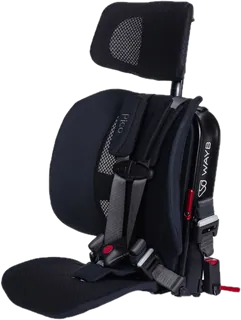
An 8 lb forward-facing harness seat with an aluminum frame that is approved for airplane use and fits in an overhead bin. Suits children 2 and up and 26.5 to 50 lb; it is costly and cannot be used rear-facing.
-
Scenera Extend · Cosco
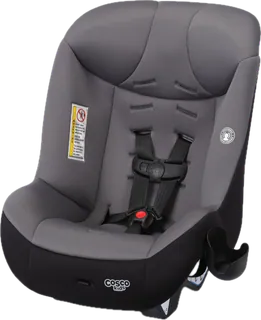
A budget convertible seat that works rear-facing from 5 lb and forward-facing to 50 lb and is certified for aircraft. Light and cheap, but wide and without a travel bag in the box.
-
Doona+ · Doona
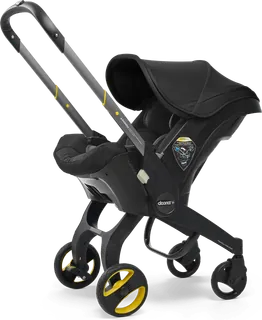
A rear-facing infant seat that folds out into a stroller with built-in wheels, so you move from car to plane to sidewalk without a separate stroller. Heavy for a car seat and only for babies up to 30 lb.
-
Liing · Clek
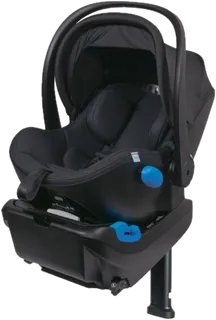
A narrow, 9 lb rear-facing infant seat with a rigid-LATCH base and a metal load leg; it is aircraft approved and works with many strollers through adapters. Premium price.
-
Liingo · Clek
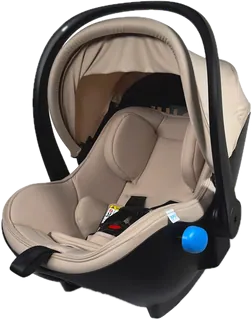
A baseless version of the Clek infant seat with LATCH connectors built into the carrier, so there is no base to carry. Aircraft approved and about $200 less than the Liing.
-
Comfort Grab-and-Go · Mifold
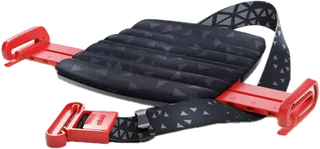
An ultra-compact backless booster that weighs under 2 lb and folds to the size of a thick paperback. For children 4 and up and 40 to 100 lb; it is ground use only, not for the plane.
-
Hifold · Mifold
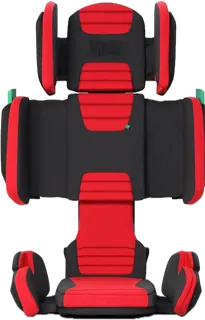
A foldable high-back booster with side and back protection that folds into a bag-sized block. Heavier and pricier than the Comfort, for children 4 and up and 40 to 100 lb.
-
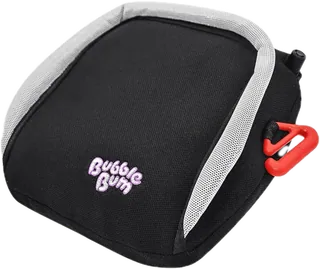
BubbleBum · BubbleBum
An inflatable backless booster that deflates flat for a suitcase. Cheapest option (often on sale at $40) for children 4 to 11 and 40 to 100 lb; not for the plane.
-
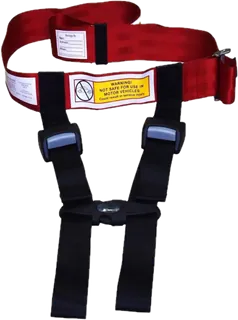
CARES harness · AmSafe
An 11 oz belt-and-buckle harness that is the only FAA-approved alternative to an airplane car seat, for children 22 to 44 lb who sit in their own seat. Airplane only: it is not for cars and has no booster function.
-
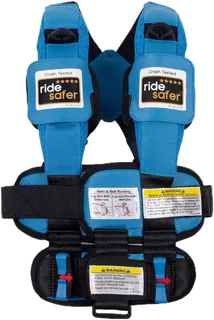
RideSafer travel vest · Safe Traffic System
A wearable booster vest that fits in a backpack and works with a vehicle belt, handy for taxis, rideshares and fitting three across. Not approved for airplane use; the Gen 6 sizes sell out often, so check stock before a trip.
-
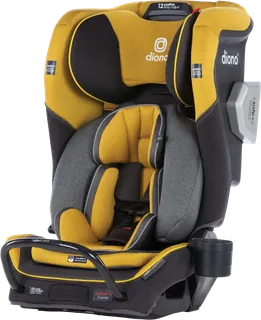
Radian 3QXT SafePlus · Diono
A 32 lb all-in-one convertible seat with rear-facing, harness and booster modes; it fits three across in most vehicles but is heavy for air travel.
Suggest a change
Related comparisons
-
 Bassinets
Compare popular bassinets side by side: standalone, bedside, and smart models, with their weight limits, what comes in the box, motion and soothing features, and how easy they are to move or travel with. The real choices are how close you want the baby at night, whether automatic soothing is worth several hundred dollars for a bed used about five months, and how much floor space and portability you need.
-
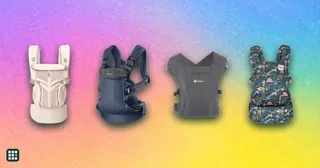 Baby carriers
Compare baby carriers by child age and weight range, position-specific minimums, newborn setup, wearer fit, seat adjustment, and washing instructions. A carrier’s overall weight limit does not mean every position is approved at that weight or age. Check the maker’s instructions before using front outward or back carry, and follow the manual for cleaning and drying.
-
 Sleep sacks
 (also called wearable blankets or sleeping bags) replace loose blankets in a baby's crib. The choices that matter are warmth (TOG), fabric, whether it is weighted, sizing, and how easy it is to wash.
-
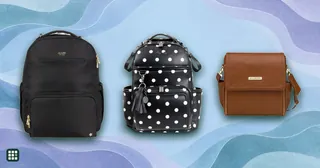 Diaper bags
 trade off carrying capacity, organization, carry style, and parent-friendly features. Compare the bag’s published size or pocket count, changing setup, bottle insulation, and stroller attachment before choosing.
-
 Baby registries
Compare seven major baby registries on welcome gifts, completion discounts, universal-item support, extended returns, stores, group gifting and gift tracking.
-
 Pregnancy apps
 range from week-by-week trackers to period apps with a pregnancy mode and community-only apps. This grid compares what each one offers, whether you pay, and whether the developer says it uses your data for tracking.