



Cacao products compared
Cacao and chocolate come in very different forms: ceremonial cacao, cacao powder, raw paste, everyday chocolate bars, bean to bar, baking chocolate and more. They differ in sugar, natural fat, processing and how the beans were sourced. This grid compares the types side by side so you can pick the right one for drinking, baking or snacking.
Last updated
How to choose
Start with how you will use it. Ceremonial cacao and brewed cacao are for drinking, baking chocolate and cocoa powder are ingredients, and bars are for eating.
Decide what matters most
- Sugar: bars, bean to bar and hot chocolate mixes usually contain sugar. Ceremonial cacao, paste, nibs, powder and baking chocolate do not.
- Natural fat: powder has most of its cacao butter pressed out; paste, ceremonial cacao and bars keep it, which is why they melt.
- Processing: check for alkalizing ("Dutch process"), which mutes bitterness and lowers antioxidants.
- Sourcing: terms like direct trade and regenerative are claims by the seller; ask who grew the beans and how they were paid.
Check before you buy
Read the ingredient list: a 100% cacao product should list only cacao. The Some entries in this grid mean it varies by brand, so check the label.
Answer
Browse the table. Filter to what matters.
Use the filters below, then sign in if you want to shortlist and decide with friends.
Sign in to vote, hide products and features, and reorder.
Verified: hover a cell and click its green dot for the source Estimate: no cited source
| Feature | ⠿ | ⠿ | ⠿ | ⠿ | ⠿ | ⠿ | ⠿ | ⠿ | ⠿ | ⠿ | ⠿ | ⠿ | ⠿ | ⠿ | ⠿ | ⠿ |
|---|---|---|---|---|---|---|---|---|---|---|---|---|---|---|---|---|
|
⠿
Premium quality beans
|
Some
|
No
|
Yes
|
No
|
Some
|
Some
|
No
|
Some
|
No
|
Some
|
No
|
Some
|
Some
|
|||
|
⠿
No sugar
|
|
|
|
|
|
|
|
|
|
|||||||
|
⠿
Healthy natural fats
|
|
|
|
|
|
|
|
|
||||||||
|
⠿
Melts into liquid chocolate
|
|
|
|
|
|
|
|
|
|
|
||||||
|
⠿
Minimally processed
|
Some
|
No
|
Some
|
No
|
Some
|
Some
|
No
|
Some
|
No
|
No
|
Some
|
Some
|
No
|
|||
|
⠿
Regenerative agroforestry
|
No
|
Some
|
No
|
Some
|
No
|
Some
|
Some
|
No
|
No
|
Some
|
No
|
Some
|
Some
|
Some
|
No
|
|
|
⠿
Ethical direct trade
|
Some
|
No
|
Yes
|
No
|
Some
|
Some
|
No
|
No
|
Some
|
No
|
Some
|
Some
|
Some
|
No
|
||
|
⠿
Alkalized
|
No
|
Some
|
No
|
Some
|
No
|
No
|
Some
|
Doesn't apply
|
Doesn't apply
|
Some
|
No
|
Some
|
Some
|
|||
|
⠿
Contains milk
|
No
|
No
|
No
|
Some
|
No
|
No
|
No
|
No
|
No
|
Some
|
Some
|
No
|
Some
|
|||
|
⠿
Cacao content
|
50-100%
|
100% (nibs or husks)
|
5-30%
|
55-100%
|
100% (husks only)
|
70-100%
|
30-70%
|
|||||||||
|
⠿
Typical price per ounce
|
$3/oz
|
$1/oz
|
$2/oz
|
$0.40/oz
|
$3/oz
|
$0.70/oz
|
$1.50/oz
|
$1.20/oz
|
$0.70/oz
|
$0.40/oz
|
$1.50/oz
|
$0.60/oz
|
$1/oz
|
$1.20/oz
|
$0.90/oz
|
$1.20/oz
|
|
⠿
Best for
|
Drinking as a thick hot chocolate
|
Smoothies and baking
|
Melting into drinks and recipes
|
Snacking
|
Savoring bars with a strong origin
|
Baking
|
A light tea-like drink
|
Baking with a mild chocolate taste
|
Easy sweet hot cocoa
|
Sweet treats and coating
|
Professional baking and coating
|
A light caffeine-light tea
|
Eating dark chocolate
|
Sipping thick hot chocolate
|
Why these features matter
-
Premium quality beans
Premium beans can be roasted gently and taste better without added sugar, so they matter most when you drink or eat cacao plain.
-
No sugar
If you want cacao without sweeteners, this is the first thing to check; sweetened types work better for treats.
-
Healthy natural fats
Cacao butter carries flavor and helps give a smooth, rich texture; powder has most of it pressed out.
-
Melts into liquid chocolate
Melting is what makes a drink or sauce rich and thick; products without their fat just disperse as powder.
-
Minimally processed
Less processing generally keeps more natural flavor and compounds, but also means more bitterness.
-
Regenerative agroforestry
Matters if you care about how the farm treats soil, biodiversity and climate.
-
Ethical direct trade
Direct buying can mean more of the price reaches growers, but it is a seller claim, so look for details.
-
Alkalized
Alkalizing darkens color and softens bitterness but is said to reduce flavonoids.
-
Contains milk
Matters for vegans and anyone avoiding dairy.
-
Cacao content
Higher cacao means more intense, bitter chocolate and less sugar.
-
Typical price per ounce ($/oz)
Prices vary widely by brand and size; this shows the relative cost of each type.
-
Best for
Matching the type to the use avoids buying the wrong product.
About the products
-
Ceremonial cacao
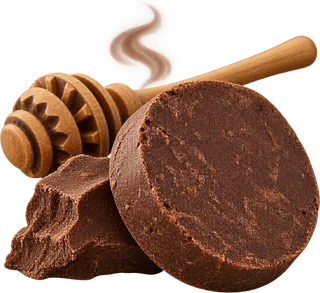
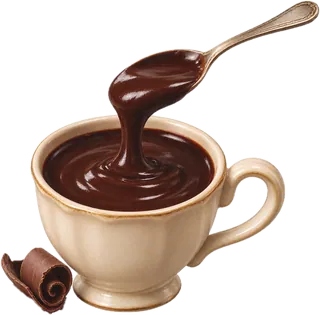
Whole cacao beans ground into a dark, unsweetened paste, pressed into discs or blocks. You shave or chop it into hot water or milk for a thick, bitter-rich drink, a bit like a very strong hot chocolate with no sugar. It is the same stuff as raw cacao paste, but sold for drinking, usually from a single farm or region and at a higher price.
-
Most cacao powder
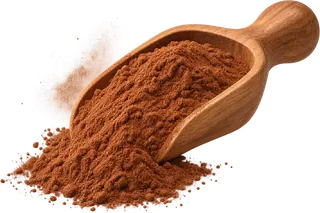
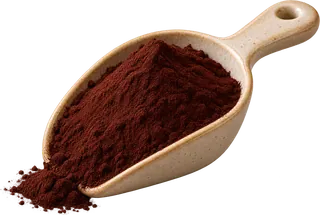
The dry, brown powder you scoop into smoothies, oatmeal or brownies. Makers press most of the cacao butter (the fat) out of ground cacao beans and grind what is left, so it is bitter and does not melt into liquid chocolate. Sold as "cacao" or "raw cacao" powder, it is often alkalized, which makes it much the same as ordinary cocoa.
-
Raw cacao paste
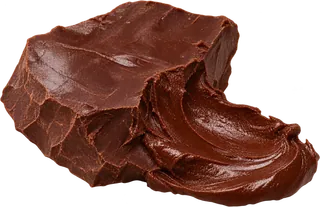
Ground cacao beans, nothing added, set into a hard block or buttons (also called cacao liquor or mass). All the natural cacao butter is still in it, so it melts smoothly into drinks, sauces and homemade chocolate. Very close to ceremonial cacao; "raw" means the beans were dried or processed at lower heat, which is the seller's claim.
-
Most chocolate bars
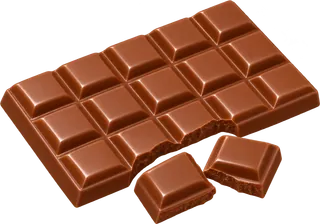
The ordinary candy-aisle bar, such as milk chocolate from the big brands. It is mostly sugar and milk, with less cacao and often added vegetable fat or emulsifiers so it stays smooth and cheap. Made for snacking, not for baking or drinks.
-
Bean to bar chocolate
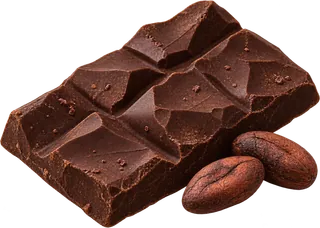
A bar from a small maker who buys the beans and does every step (roasting, grinding, molding) in one workshop. It usually has just cacao and sugar, often from beans from one country or farm, so the flavor is the point. Pricier than a supermarket bar, and meant for slow eating, not baking.
-
Baking chocolate
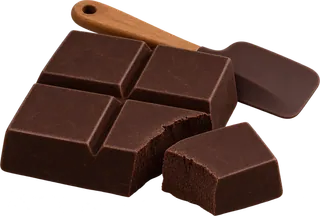
Plain unsweetened chocolate sold as wrapped squares or bars in the baking aisle. It is bitter and not meant to be eaten as a snack, so recipes add sugar to it. It melts into batters, brownies, frostings and sauces, and it is basically cacao paste in a baker's package.
-
Brewed cacao
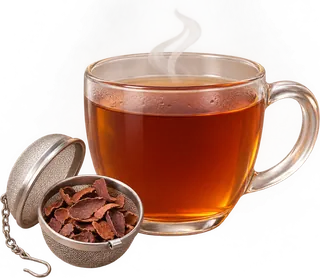
A hot drink made by steeping crushed cacao nibs, and sometimes the husks, in water like tea or coffee, then straining. It tastes like thin, slightly bitter chocolate, not creamy, because little fat ends up in the cup. It is sold as tea bags or loose nibs, and differs from hot chocolate in that you drink the infusion, not melted chocolate.
-
Cacao nibs
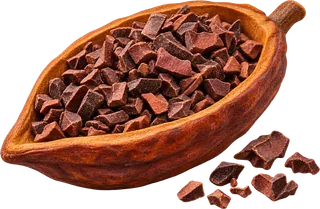
Small crunchy pieces of roasted cacao beans, with the shells removed. They taste like very dark, bitter chocolate with a nutty crunch, with no sugar, so people sprinkle them on yogurt, oatmeal or baked goods, or stir them into trail mix. They are the beans before they are ground into paste or powder.
-
Dutch-process cocoa powder
The standard cocoa powder in the baking aisle: pressed cocoa that was treated with an alkali ("Dutched") to turn it darker and make it taste milder and less sour. It is unsweetened, so you still add sugar. It works well in cakes and cookies and dissolves easily, but it is not the same as raw cacao powder, which is more bitter and lighter in color.
-
Hot chocolate mix
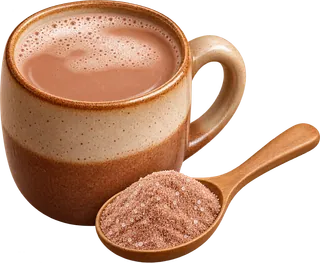
A sweet powder of cocoa, sugar and usually milk powder that you stir into hot water or milk. It makes a quick, sweet cup of cocoa, and it is mostly sugar, so it tastes mild, not like real chocolate. It is the easiest option and the least chocolatey of the drink choices here.
-
Cacao butter
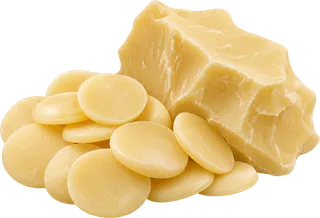
The pale yellow natural fat pressed out of cacao beans, sold as wafers or blocks. It is not chocolate and has little chocolate flavor, since it is only the fat. People use it to make their own chocolate, for baking, and in skin and lip balms. It is the ingredient that makes chocolate melt in your mouth.
-
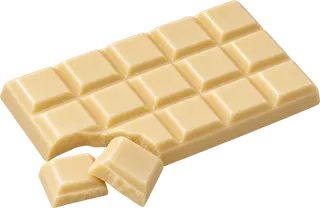
White chocolate
Sweet, ivory-colored candy made from cacao butter, sugar and milk, with no cocoa solids. That is why it tastes creamy and sugary, not like chocolate. It is eaten as a bar, melted for coating and baking, or chopped into cookies.
-
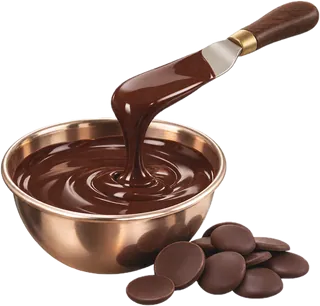
Couverture chocolate
A professional grade of chocolate with extra cacao butter, so it melts thin and sets glossy with a snap. It comes as dark, milk or white, usually in coins or blocks, and chefs use it for coating, dipping, molds and tempering. It is the thing to buy for candy making, and costs more than a regular bar.
-
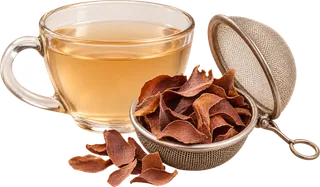
Cacao husk tea
A tea made from the papery shells (husks) that are removed from cacao beans, not the beans themselves. It smells of chocolate and tastes light, nutty and a bit like a mild roasted tea, with almost no fat or bitterness, and it is made like any tea bag or loose tea. Different from brewed cacao, which uses the bean pieces.
-
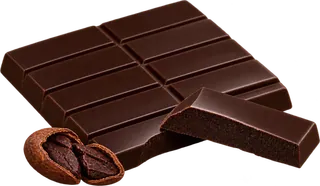
Dark chocolate bars (70%+)
Bars labeled 70% or higher, meaning at least that share of the bar is cacao and the rest is mostly sugar. They taste bitter and rich, less sweet than milk chocolate, and no milk is usually added. Sold for eating, and the range runs from supermarket bars to craft makers.
-
Drinking chocolate
Chopped or ground real chocolate, with sugar, sold as flakes or shavings that melt into hot milk for a very thick, rich cup, as in European cafes. It has more real chocolate and less sugar than hot chocolate mix, and it is a sweeter, more finished drink than melting ceremonial cacao.
Suggest a change
Related comparisons
-
 Holiday pies
Compare classic and creative holiday pies by filling, flavor, texture, crust, recipe timing and storage. Images are AI-generated illustrations.
-
 Sugar-free gum
 covers the big stick and bottle brands (Trident, Orbit, Extra, 5, Dentyne, Ice Breakers, Mentos) and a smaller group of xylitol-first brands (Spry, PUR, Simply Gum, Epic). They all skip sugar, but they differ in what replaces it, what else is in the gum, how much a piece costs, and whether the ADA Seal of Acceptance applies. This grid compares the practical differences for a US shopper: sweeteners, xylitol, price per piece, ingredients such as aspartame, dyes, BHT and gelatin, flavors, and pack size.
-
 Xylitol candy and lozenges
Xylitol is a sugar alcohol that bacteria in the mouth cannot ferment into acid, which is why dentists often suggest it as a swap for sugar. In candy form it shows up as lollipops, hard drops, dissolving discs and dry mouth lozenges. They are not interchangeable: some are sweetened only with xylitol, some blend it with other polyols, and one popular lollipop line no longer lists xylitol at all. This grid compares what is in each, pack sizes and prices, so you can check the label before you buy.
-
 Sugar-free mints
 freshen breath without sugar, but they are not all alike. Most big-brand mints use sorbitol, maltitol and aspartame, while xylitol mints cost more and are the ones sold with dental claims. This grid compares price per mint, calories and carbs per mint, sweeteners, xylitol dose, colors, vegan and gluten-free status, and breath claims.
-
 Kitchen shears
 do the jobs a knife does badly: snipping herbs, cutting up a chicken, opening packaging, and trimming string or fish fins. This grid compares eight pairs from Zwilling, Henckels, Wüsthof, Victorinox and Kai on price, whether the blades come apart, dishwasher use, built-in openers, and where they are made.
-
 Stock pots
A stockpot is the tall, lidded pot for broth, pasta, soup, chili, corn and big-batch cooking. The choices that matter: how big a pot you need, whether a thick base or fully clad sides stop scorching, whether it works on induction, how heavy it gets when full, and extras like a straining lid or pasta insert. Prices run from about $30 for a thin disc-bottom pot to several hundred for 5-ply clad steel.