



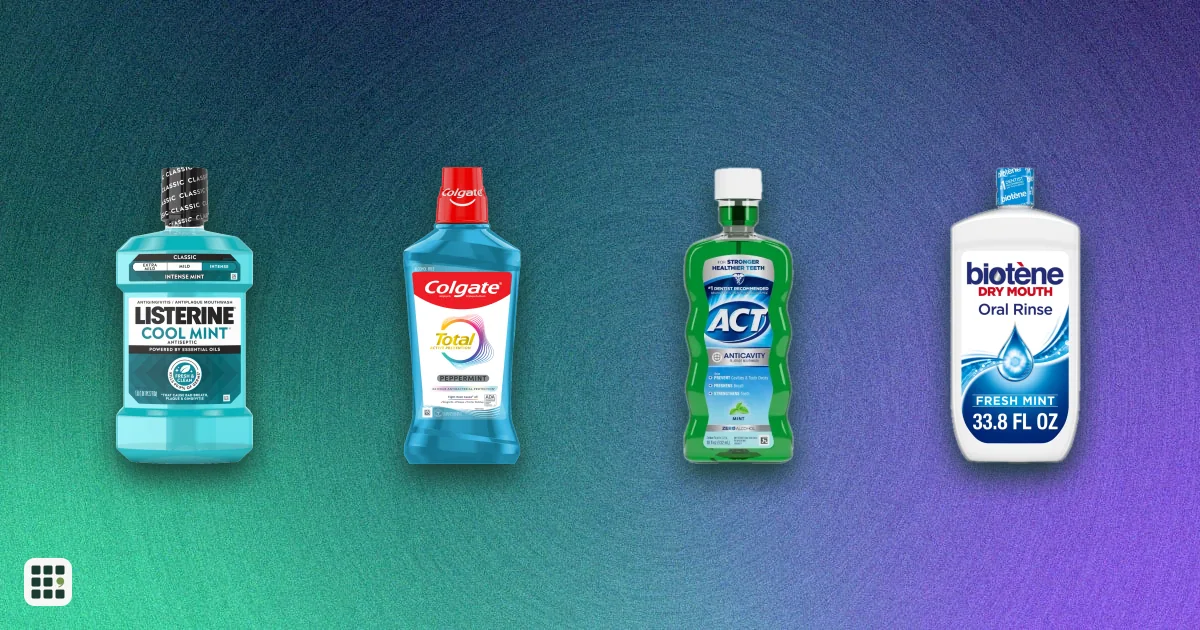
Mouthwashes
Compare popular US mouthwashes and oral rinses side by side: antiseptic, fluoride anticavity, whitening, dry mouth and fresh-breath rinses from Listerine, Crest, Colgate, ACT, Biotène, TheraBreath and others. The real choice is what you need it to do (fight gingivitis, prevent cavities, ease dry mouth or just freshen breath), whether you want alcohol, and what it costs per ounce.
Last updated
How to choose
Start with the job you need done
Mouthwash is an add-on to brushing and flossing, not a replacement. Pick it for one main reason:
- Bleeding or swollen gums, plaque: an antiseptic or antigingivitis rinse. Look for essential oils (eucalyptol, menthol, methyl salicylate, thymol) or cetylpyridinium chloride (CPC) in the active ingredients.
- Cavities: a fluoride anticavity rinse (sodium fluoride). Helpful with braces, exposed roots, or a history of cavities.
- Dry mouth: a gentle, alcohol-free moisturizing rinse made for dry mouth.
- Stains: a whitening rinse with hydrogen peroxide. Expect slow, modest results.
- Bad breath only: a cosmetic rinse works for a while, but lasting bad breath can mean gum disease or another problem worth showing a dentist.
Rule out deal-breakers
- Alcohol: choose alcohol-free if you have dry mouth, a sensitive mouth, avoid alcohol, or have children at home.
- Age: most rinses are for adults and children 12 and up; some fluoride rinses allow 6 to 11 with supervision. Children under 6 shouldn't use mouthwash because they may swallow it.
- Staining and taste: CPC rinses can leave brown surface stains on some people's teeth, and some rinses change how food tastes for a while.
Compare the key features
- Active ingredients tell you what the rinse really does; the name on the front often doesn't.
- ADA Seal means the American Dental Association reviewed the maker's evidence. Many rinses never apply, so no seal isn't a red flag.
- Directions: the dose and rinse time on the label are what the claims were tested at. A 30-second rinse with 20 mL is common.
Check the full cost
Compare price per ounce, not the shelf price: a big bottle is usually cheaper per ounce. At 20 mL twice a day, a 1 liter (33.8 oz) bottle lasts about 25 days. Store brands often copy big-brand formulas for less, so compare the active ingredients.
Before you buy
- Don't rinse with a fluoride-free mouthwash right after brushing with fluoride toothpaste; it washes the fluoride away. Use it at another time of day.
- Peroxide rinses for mouth sores are for short-term use; see a dentist if a sore lasts more than a week.
- If gums keep bleeding or bad breath persists, see a dentist rather than switching rinses.
Answer
Browse the table. Filter to what matters.
Use the filters below, then sign in if you want to shortlist and decide with friends.
Sign in to vote, hide products and features, and reorder.
Verified: hover a cell and click its green dot for the source Estimate: no cited source Not stated: the maker doesn't publish it
| Feature | ⠿ | ⠿ | ⠿ | ⠿ | ⠿ | ⠿ | ⠿ | ⠿ | ⠿ | ⠿ | ⠿ | ⠿ | ⠿ | ⠿ | ⠿ | ⠿ | ⠿ | ⠿ |
|---|---|---|---|---|---|---|---|---|---|---|---|---|---|---|---|---|---|---|
|
⠿
Price
|
$7.12
|
$7.33
|
||||||||||||||||
|
⠿
Bottle size
|
33.8 oz
|
|||||||||||||||||
|
⠿
Price per ounce
|
$0.21/oz
|
$0.35/oz
|
$0.27/oz
|
$0.22/oz
|
$0.22/oz
|
$0.26/oz
|
$0.21/oz
|
$0.22/oz
|
$0.23/oz
|
$0.83/oz
|
$0.44/oz
|
$0.22/oz
|
$0.22/oz
|
$0.22/oz
|
$0.32/oz
|
$0.50/oz
|
$0.67/oz
|
$0.44/oz
|
|
⠿
Purpose
|
||||||||||||||||||
|
⠿
Active ingredients
|
Sodium fluoride (also contains CPC)
|
none (cosmetic)
|
none (cosmetic)
|
none (cosmetic)
|
||||||||||||||
|
⠿
Fluoride
|
|
|
|
|
||||||||||||||
|
⠿
Alcohol free
|
|
|
||||||||||||||||
|
⠿
ADA Seal
|
|
|
|
|
|
|
|
|
||||||||||
|
⠿
Fights gingivitis
|
|
|
|
|
|
|
|
|
|
|
|
|||||||
|
⠿
Whitening
|
|
|
|
|
|
|
|
|
|
|
|
|
|
|
|
|
||
|
⠿
Dry mouth relief
|
|
|
|
|
|
|
|
|
|
|
|
|
|
|
|
|
||
|
⠿
Flavor
|
||||||||||||||||||
|
⠿
Minimum age
|
12 years
|
12 years
|
||||||||||||||||
|
⠿
Dose
|
||||||||||||||||||
|
⠿
Rinse time
|
Why these features matter
-
Price ($)
What you pay at the shelf. Most big-brand rinses cost $5 to $10, so price per ounce is the fairer comparison between bottle sizes.
-
Bottle size (oz)
Bigger bottles usually cost less per ounce but take up more space; small sizes suit travel or trying a new formula.
-
Price per ounce ($/oz)
The fairest way to compare cost across bottle sizes; at two rinses a day of 20 mL, a 1 L bottle lasts about 25 days.
-
Purpose
Therapeutic rinses treat something (cavities, gum disease, dry mouth); cosmetic rinses only freshen breath for a while. Pick the one that matches your problem.
-
Active ingredients
The active ingredient decides what the rinse actually does: sodium fluoride for cavities, essential oils or cetylpyridinium chloride (CPC) for plaque and gingivitis, hydrogen peroxide for whitening and mouth sores.
-
Fluoride
Fluoride rinses add cavity protection on top of toothpaste, useful if you get cavities often, wear braces or have exposed roots. Don't rinse right after brushing with fluoride toothpaste, or you wash it off.
-
Alcohol free
Alcohol gives the familiar burn and can dry the mouth. Alcohol-free suits dry mouth, sensitive mouths, people avoiding alcohol for health or religious reasons, and households with children.
-
ADA Seal
The ADA Seal means the ADA reviewed evidence that the product is safe and does what it claims. Many good rinses never apply, so its absence isn't proof of anything.
-
Fights gingivitis
Gingivitis (bleeding, swollen gums) is the early stage of gum disease. An antigingivitis rinse helps alongside brushing and flossing; a fresh-breath rinse doesn't.
-
Whitening
Whitening rinses lift surface stains slowly; they work less than strips or trays, and peroxide can sting sensitive gums.
-
Dry mouth relief
People with dry mouth from medicines, age or treatment need a gentle, moisturizing rinse; alcohol and strong flavors can make it worse.
-
Flavor
Flavor decides whether you'll keep using it. Strong mint gives a fresher feel; milder flavors suit children and sensitive mouths.
-
Minimum age (years)
Many rinses are adult-only because children may swallow them. Fluoride rinses are often allowed from 6 with supervision.
-
Dose (mL)
Shows how much each rinse uses, which together with bottle size sets how long a bottle lasts.
-
Rinse time (sec)
Longer rinses take more effort; the label time is what the cleaning claim was tested at, so cutting it short reduces the benefit.
About the products
-
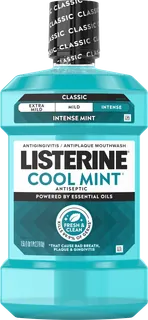
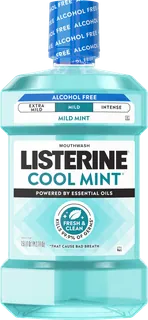
Listerine Cool Mint Intense Antiseptic Mouthwash · Listerine
The classic essential-oil antiseptic with the ADA Seal for plaque and gingivitis, and one of the cheapest per ounce. It contains 21.6% alcohol, so it burns and is for ages 12 and up.
-
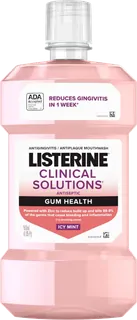
Listerine Clinical Solutions Gum Health Antiseptic Mouthwash · Listerine
Listerine's gum-focused antiseptic: the same four essential oils plus zinc, aimed at bleeding gums and early gum disease, with the ADA Seal. Costs more than regular Listerine and still contains alcohol.
-
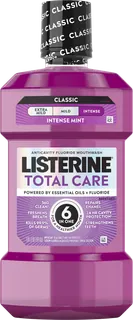
Listerine Total Care Intense Anticavity Mouthwash · Listerine
A fluoride rinse for cavity protection and enamel, with the ADA Seal. It contains alcohol and asks for a full minute of swishing; it isn't an antigingivitis rinse.
-
Listerine Cool Mint Alcohol-Free Mild Mouthwash · Listerine
Formerly Listerine Zero: a gentler, alcohol-free version of Cool Mint for fresh breath. It's a cosmetic rinse with no active ingredient, so it doesn't make plaque, gingivitis or cavity claims.
-
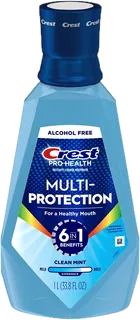
Pro-Health Multi-Protection Mouthwash · Crest
An alcohol-free, low-cost everyday rinse that Crest now sells as a fluoride formula for cavity protection and fresh breath. Older bottles were a CPC antigingivitis rinse, so check the label you buy.
-
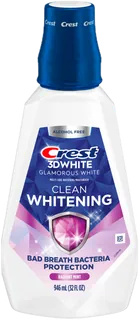
3D White Clean Whitening Mouthwash · Crest
An alcohol-free whitening rinse that helps prevent new stains rather than bleaching existing ones. Mild and cosmetic: it has no cavity or gum claim.
-
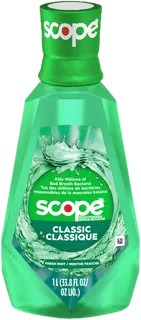
Scope Classic Mouthwash · Crest
The original minty Scope for fresh breath. A cosmetic rinse with a little alcohol and no therapeutic claim; buy it for taste and breath, not gum or cavity care.
-
Colgate Total Active Prevention Mouthwash · Colgate
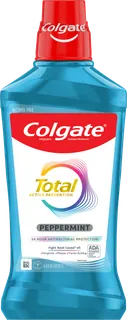
Formerly Colgate Total Pro-Shield: an alcohol-free CPC rinse for plaque and gingivitis that carries the ADA Seal, a good pick if alcohol rinses burn. CPC can leave light brown stains on some people's teeth.
-
Optic White Whitening Mouthwash · Colgate
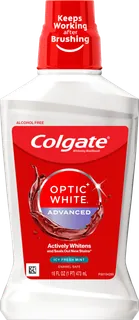
An alcohol-free whitening rinse with 2% hydrogen peroxide to lift surface stains. It doesn't contain fluoride or treat gums, and peroxide can sting sensitive mouths.
-
Peroxyl Mouth Sore Rinse · Colgate
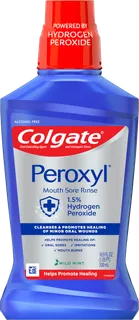
A short-term 1.5% hydrogen peroxide rinse that foams to clean canker sores, braces irritation and minor mouth wounds. Not a daily mouthwash, and it costs more per ounce than most.
-
Wicked Fresh! Mouthwash · Tom's of Maine
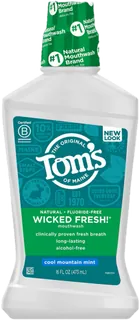
A natural, alcohol-free and fluoride-free breath rinse with zinc and no artificial dyes or preservatives. Cosmetic only: it freshens breath but makes no plaque, gum or cavity claim.
-
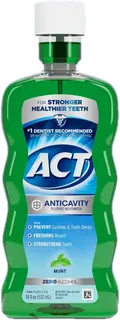
ACT Anticavity Fluoride Mouthwash · ACT
The cheapest fluoride rinse here, alcohol-free and ADA-accepted, with the strongest over-the-counter fluoride level (0.05% sodium fluoride). Allowed from age 6 with supervision, so popular with families and braces wearers.
-
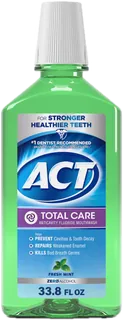
ACT Total Care Anticavity Fluoride Mouthwash · ACT
A big-bottle fluoride rinse that also freshens breath and strengthens enamel. Lower fluoride than ACT Anticavity; check the label for alcohol, as ACT sells versions with and without.
-
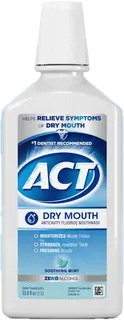
ACT Dry Mouth Mouthwash · ACT
A gentle, alcohol-free rinse that moisturizes a dry mouth and adds fluoride, useful because dry mouth raises cavity risk. Allowed from age 6.
-
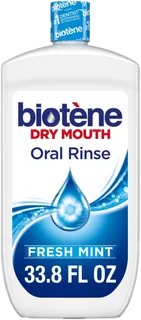
Biotène Dry Mouth Oral Rinse · Biotène
The best-known rinse for dry mouth: alcohol-free and moisturizing with xylitol, and ADA-accepted for dry mouth relief. It has no fluoride or antiseptic, so it won't fight cavities or gingivitis.
-
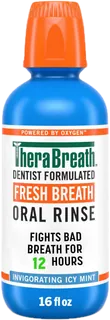
TheraBreath Fresh Breath Oral Rinse · TheraBreath
A dentist-formulated, alcohol-free rinse made for bad breath that lasts. Cosmetic (no active ingredient), and pricier per ounce than drugstore brands.
-
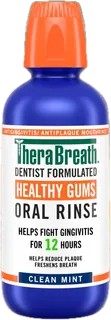
TheraBreath Healthy Gums Oral Rinse · TheraBreath
An alcohol-free CPC rinse for plaque and gingivitis from the TheraBreath line. Works like Colgate Total or Crest's CPC rinses but costs more per ounce.
-
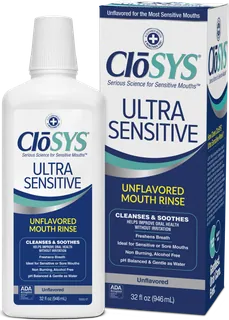
CloSYS Ultra Sensitive Mouthwash · CloSYS
An unflavored, alcohol-free, dye-free rinse with stabilized chlorine dioxide for people whose mouths react to mint and alcohol. Cosmetic: it fights bad breath but makes no gum or cavity claim.
Suggest a change
Related comparisons
-
 Toothpaste tablets and zero-waste oral care
Toothpaste tablets swap the tube for a small dry tablet: you chew one, brush with a wet toothbrush, and it foams into paste. They suit travel, plastic-free routines and people who dislike tubes, but they differ on the things that matter for teeth: some contain fluoride, others use nano-hydroxyapatite; some ship in compostable pouches with a refillable jar; and monthly cost varies a lot. This grid compares the main tablets sold to US buyers with the ingredients, packaging and prices the makers publish.
-
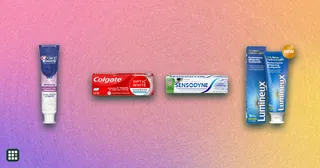 Teeth whitening toothpastes
Whitening toothpastes remove surface stains with polishing abrasives, baking soda, or a peroxide, and a few add ingredients such as hydroxyapatite or a purple color corrector. None changes the natural color of teeth the way strips or in-office whitening can. This grid compares them on price per ounce, whitening method, peroxide, fluoride, sensitivity, SLS, and the American Dental Association Seal.
-
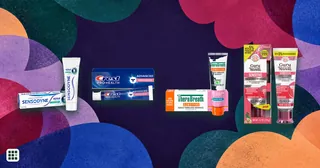 Toothpastes for sensitive teeth
Sensitivity toothpastes are for teeth that ache from cold, heat, sweets, or touch. Most work by building up protection over a few weeks of twice-daily brushing, using 5% potassium nitrate, stannous fluoride, or hydroxyapatite. This grid compares them on price per ounce, the active ingredient, fluoride, gum protection, whitening claims, SLS, and the American Dental Association Seal. If sensitivity is severe or lasts more than a few weeks, see a dentist.
-
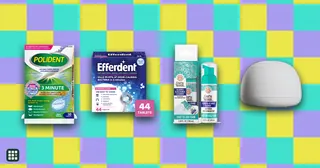 Retainer and denture cleaners
Retainers, aligners, night guards and dentures collect plaque, stain and odor-causing bacteria and need cleaning every day. This grid compares 9 cleaners you can buy in the US: effervescent tablets from Polident, Efferdent, Equate and M3 Naturals; a no-soak foam; and ultrasonic cleaners from GuruNanda and Zima. The decision comes down to what you are cleaning, how much time you have, cost per use, and whether you want to buy a device once or tablets again and again.
-
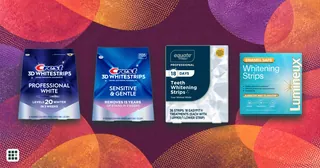 Teeth whitening strips
 are thin, gel-coated strips you wear for 30 to 60 minutes a day for one to three weeks. This grid compares Crest's Whitestrips range with store-brand, peroxide-free, and dentist-brand strips on price per treatment, wear time, whitening agent, sensitivity, and the American Dental Association Seal. The main trade-off: stronger and longer courses cost more and are more likely to cause temporary sensitivity, while gentler or peroxide-free strips are slower.
-
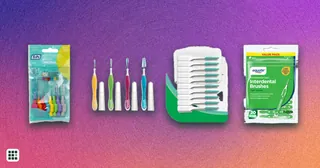 Interdental brushes
 clean the gaps between teeth where a toothbrush cannot reach, and many dentists suggest them for gum care, braces, bridges and implants. This grid compares ten widely sold US options, from TePe and Curaprox wire brushes to GUM, DenTek and Equate drugstore brushes and soft rubber picks. The real trade-offs are fit (a brush that is too big hurts and one that is too small does little), price per brush, and whether you want a reusable wire brush or a disposable rubber pick.