



Pottery and ceramic types
Earthenware, stoneware, porcelain, raku and other pottery types compared by firing temperature, strength, food safety, look and how hard they are for a beginner to work with.
Last updated
How to choose
Start with what the piece is for. Dinnerware and mugs need a body that holds water and a food-safe glaze; garden pots and sculpture can be porous; decorative pieces can be fragile.
Decide
- Use: everyday tableware points to stoneware, porcelain or bone china. Outdoor planters suit terracotta.
- Skill and kiln access: low-fire earthenware and paper clay forgive beginners. Porcelain warps and slumps, and raku needs outdoor firing and care with hot ware.
- Firing temperature: your studio's or class kiln sets the clay you can use. A hobby kiln that tops out low cannot mature stoneware or porcelain.
- Look: rustic and warm (terracotta, stoneware), bright and thin (porcelain, bone china), painted (majolica, slipware), or pale green glaze (celadon).
Check before you buy or make
- Whether the glaze is labelled food safe, especially on decorative styles such as raku or traditional majolica.
- Whether the piece is vitrified (watertight) or only glazed on the surface.
- Whether the body or glaze contains animal bone ash, if that matters to you.
Several of these overlap: celadon is a glaze that sits on stoneware or porcelain, slipware is a decorating method, and paper clay is an additive to any clay. Compare them by what the finished piece is made of.
Answer
Browse the table. Filter to what matters.
Use the filters below, then sign in if you want to shortlist and decide with friends.
Sign in to vote, hide services and features, and reorder.
Verified: hover a cell and click its green dot for the source Estimate: no cited source
| Feature | ⠿ | ⠿ | ⠿ | ⠿ | ⠿ | ⠿ | ⠿ | ⠿ | ⠿ | ⠿ |
|---|---|---|---|---|---|---|---|---|---|---|
|
⠿
Top firing temperature
|
up to 1,400°C
|
Doesn't apply
|
Doesn't apply
|
|||||||
|
⠿
Watertight without glaze
|
|
|
Doesn't apply
|
Doesn't apply
|
Doesn't apply
|
|||||
|
⠿
Durability
|
Hard and strong; chips at thin rims
|
Soft; needs thick walls
|
Depends on clay body and glaze
|
As strong as its stoneware or porcelain body
|
||||||
|
⠿
Food safe use
|
Yes; fine tableware
|
Decorative; not for food or drink
|
Yes; fine tableware
|
Decorative; check glaze for lead
|
Yes if glazed with food-safe glaze
|
Yes if fully glazed
|
||||
|
⠿
Look and feel
|
White, smooth, often translucent
|
|||||||||
|
⠿
Process
|
Bisque then high glaze fire
|
Bone ash body; factory-made
|
||||||||
|
⠿
Glazing
|
Glazed, or left matte as bisque
|
Usually clear glaze over slip
|
||||||||
|
⠿
Beginner friendly
|
|
|
|
|
|
|
||||
|
⠿
Translucent
|
|
|
|
Doesn't apply
|
Doesn't apply
|
Doesn't apply
|
||||
|
⠿
Contains animal bone
|
|
|
|
|
|
|
|
|
|
|
|
⠿
Famous traditions
|
Chinese, Meissen, Japanese Arita
|
Doesn't apply
|
Why these features matter
-
Top firing temperature (°C)
Your kiln or class studio sets which clays you can use. Hobby kilns often stop below stoneware and porcelain temperatures.
-
Watertight without glaze
Porous ware leaks, stains and can harbour bacteria unless glazed; fine for plant pots, risky for mugs.
-
Durability
Strong bodies survive daily use and the dishwasher; fragile ones suit display.
-
Food safe use
Decorative glazes can leach metals; check before using ware for food.
-
Look and feel
The look is often the reason to pick one type over another.
-
Process
Shows what equipment and time you need, and how much can go wrong.
-
Glazing
Glaze affects water resistance, safety and colour.
-
Beginner friendly
Decides how much frustration and wasted clay to expect.
-
Translucent
Translucency is the mark of fine porcelain and bone china.
-
Contains animal bone
Vegans and vegetarians, and some religious buyers, avoid bone china.
-
Famous traditions
Helps you find styles, museums and books to learn from.
About the services
-
Earthenware
Low-fired, porous clay that is soft and easy to shape. Must be glazed to hold water. Suits beginners and decorative or light-use ware.
-
Stoneware
Dense, high-fired clay that is watertight and durable. The usual choice for everyday mugs, bowls and plates, and common in studios.
-
Porcelain
Very fine white clay fired at the highest temperatures. Strong, smooth and often translucent when thin, but harder to throw and prone to warping.
-
Raku
A fast, low-temperature firing method in which ware is pulled glowing hot from the kiln. Gives crackled glazes and black smoked areas; best for decorative pieces.
-
Terracotta
Red-orange iron-rich earthenware, usually low fired and left porous. Classic for flower pots, tiles and sculpture.
-
Bone china
Porcelain made with bone ash. Very white, translucent and strong enough to be made thin; used for fine tableware, with a premium price.
-
Majolica (maiolica)
Earthenware coated with an opaque white tin glaze and painted in bright colours. Italian Renaissance ware is the best known; decorative and prone to chipping.
-
Slipware
Pottery decorated by dipping, painting or trailing liquid clay (slip) on the surface before firing. A decorating method that works on many clay bodies.
-
Celadon
A pale jade-green iron glaze fired in reduction, usually on stoneware or porcelain. Prized for its colour, but demanding to fire.
-
Paper clay
Any clay body with paper pulp or cellulose fiber added. Makes thin, light work and lets you join dry pieces, so it suits sculpture and beginners.
Suggest a change
Related comparisons
-
 Gardening and landscape design styles
English cottage, French formal, Italian, Japanese, Zen, Mediterranean, modern, prairie, xeriscape, tropical, woodland, Persian and Chinese scholar gardens, compared by origin, plants, layout, upkeep, water needs and climate.
-
 Sculpture materials and techniques
Marble, bronze, clay, wood, glass, plaster, paper and more, compared by how each is worked, how long it lasts, whether it can live outdoors, what it costs and how much skill it takes.
-
 Painting styles and art movements
A side-by-side guide to seventeen major Western painting movements, from the Renaissance to Photorealism. Compare when and where each began, what it reacted against, its key artists, its look and mood, and where to see it in person. Movements overlap and blur, so dates are approximate.
-
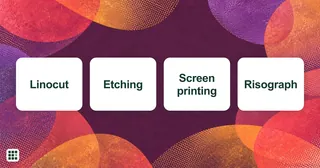 Printmaking techniques
Printmaking turns one design into a set of prints. The techniques differ in how the image is made on the plate or block, which tools and equipment you need, how many good prints you can pull, what the lines look like, and what it costs to start. This grid compares twelve techniques so you can match one to your budget, space, and the look you want.
-
 Kids activity subscription boxes
Compare children’s mailed activity and play kits by age range, recurring price, delivery schedule, what arrives, US shipping, and how to stop renewal. The options span developmental play, STEAM, geography, cooking and coding.
-
 Cooking classes in Rome, Italy
A cooking class is one of the most enjoyable ways to spend an afternoon in Rome: roll fettuccine and ravioli in Trastevere, make tiramisu by the Vatican walls, shop Campo de' Fiori before cooking a full Roman meal, or join residents at an Italian-language cooking school. This grid compares public cooking classes across the city provider by provider: what they teach, what a place really costs in euros, how long classes last, the teaching language, group size, whether you get a meal and wine, and the rules on age, booking, cancellation and dietary needs. Visitor classes are taught in English and end with a meal; residents' schools are in Italian, cheaper per hour of teaching, and end with a tasting.