



product
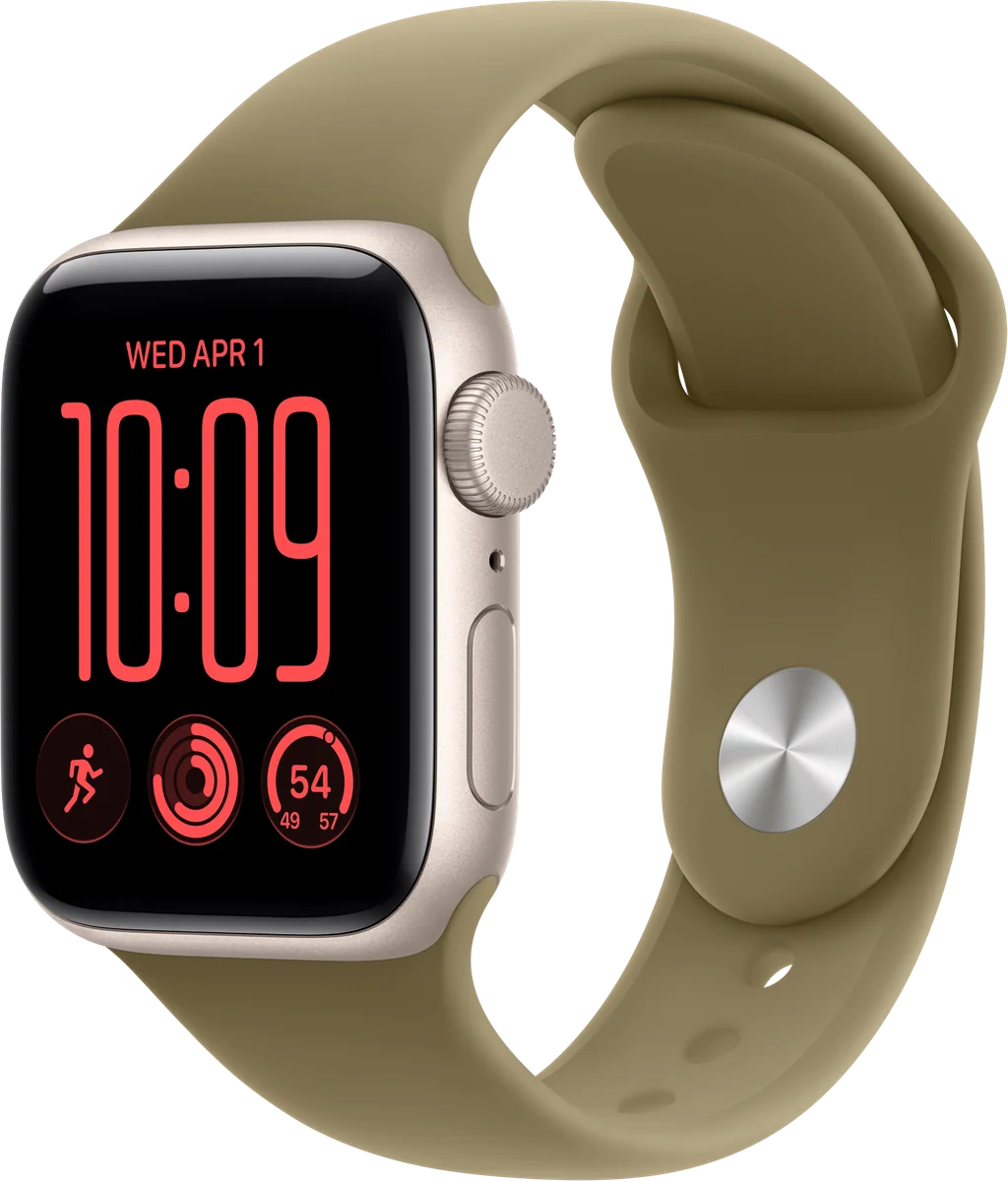
Apple Watch SE 3
Last updated
Grids
-
Wearable health technology
Updated Nov 13, 2026
Wearable health technology now runs from everyday smartwatches and rings to prescription glucose sensors and medical-grade patches. This grid puts them side by side so you can see what each one actually measures, which functions are FDA cleared, what it costs up front and every month, and how long it lasts between charges or replacements. The real trade-offs: breadth versus medical depth, a screen versus discretion, and a one-off price versus memberships or disposable sensors.
-
Smartwatches
Updated Nov 11, 2026
Compare mainstream smartwatches across iPhone and Android ecosystems, with choices ranging from everyday health tracking to rugged outdoor training. Battery life, phone compatibility, cellular options, health tools and subscription requirements differ sharply by model.
-
Fitness trackers
Updated Nov 11, 2026
Compare fitness trackers sold in the US: slim bands, screenless straps, smart rings and fitness-focused watches from Fitbit, Garmin, WHOOP, Oura, Amazfit, Samsung, Apple and others. The trade-offs are price and subscriptions, screen versus discreet design, built-in GPS for workouts, battery life, and which health sensors you actually want.
-
Sleep trackers
Updated Nov 12, 2026
Sleep trackers estimate when and how you sleep using motion and body signals. Form factor, overnight comfort, sensor coverage, battery life, phone compatibility, and recurring app fees can matter as much as the score shown each morning. Apnea features vary by device and region and should not be treated as a diagnosis.