



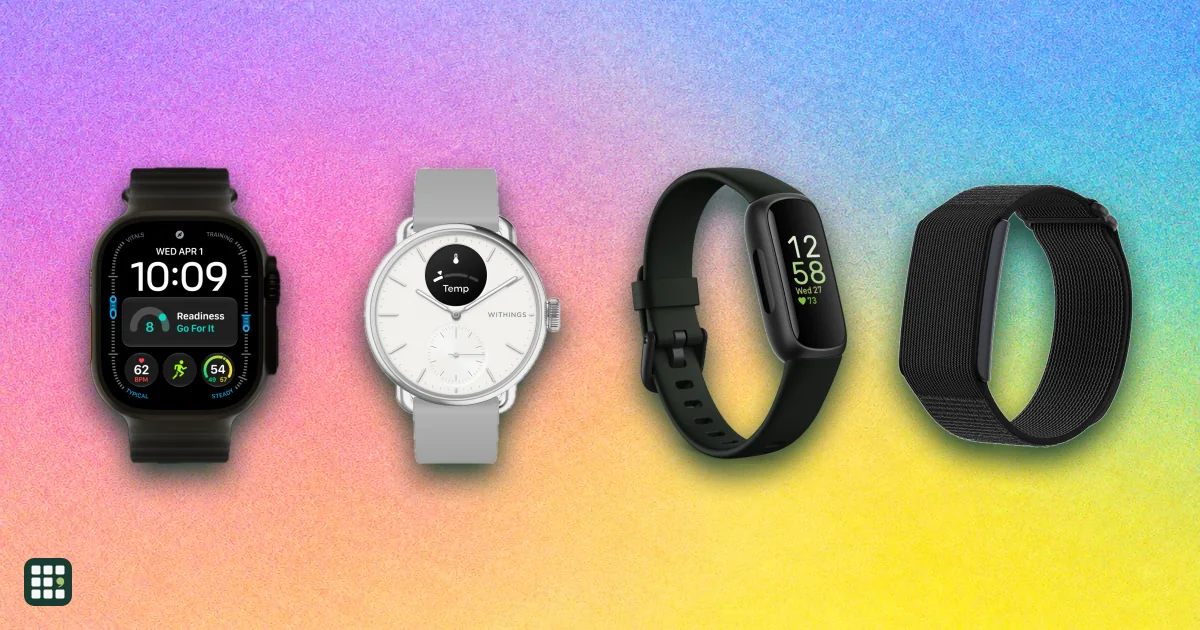
Wearable health technology
Wearable health technology now runs from everyday smartwatches and rings to prescription glucose sensors and medical-grade patches. This grid puts them side by side so you can see what each one actually measures, which functions are FDA cleared, what it costs up front and every month, and how long it lasts between charges or replacements. The real trade-offs: breadth versus medical depth, a screen versus discretion, and a one-off price versus memberships or disposable sensors.
Last updated
How to choose
Start with the question you want answered
Wearables fall into two camps. General trackers (smartwatches, fitness bands, smart rings) measure many things reasonably well: heart rate, sleep, activity, temperature trends. Medical devices (continuous glucose monitors and biosensors) measure one thing in clinical depth. Decide which camp your need belongs to before comparing features.
- Sleep, recovery, and general fitness: a ring or screenless band is comfortable overnight; a watch adds a screen, GPS, and notifications but needs charging more often.
- Heart rhythm concerns: look for an ECG and passive irregular rhythm alerts, and check that both are FDA cleared in the US.
- Blood pressure: distinguish devices that show actual readings from those that only send hypertension alerts or wellness estimates. Cuffless numbers still need checking against a validated cuff.
- Glucose: only a CGM measures it. If you use insulin, you need a prescription CGM with urgent low alarms; over-the-counter CGMs are designed for people who do not.
- Caring for someone else: fall detection, infant oxygen monitoring, or clinician-ordered patches may matter more than fitness features.
Rule out deal-breakers
- Phone lock-in: Apple Watch needs an iPhone, and some Samsung health features need a Samsung phone. Check the Phone compatibility row first.
- Prescription: prescription CGMs and ECG patches need a clinician, but insurance often covers them.
- Water and wear: swimmers should check the rating; sensors and patches have their own limits.
Add up the full cost
Compare Upfront price and Ongoing cost together. Some trackers need a membership to show your data at all, and CGMs are mostly a monthly cost for replacement sensors. Over two years, a cheaper device with a required plan can cost more than a pricier one without. Ask your insurer about prescription devices, and check whether you can pay with HSA or FSA funds.
Judge health claims carefully
- FDA cleared means a specific function was reviewed for a medical claim. Wellness metrics such as readiness scores, stress, or blood pressure trends are not diagnoses.
- A notification (AFib, sleep apnea, hypertension) is a prompt to see a clinician, not a diagnosis, and no alert does not mean you are healthy.
- Optical sensors can be less accurate on some skin tones, tattoos, or during intense movement; look for independent validation studies.
Before you buy
- Confirm the exact model and size is sold in the US with the health features you want enabled.
- Check the return window, especially for rings that need sizing.
- Make sure the data syncs where you want it, such as Apple Health, Health Connect, or your doctor's portal.
- If a medical decision depends on it, talk to your clinician about which device they can use.
Answer
Browse the table. Filter to what matters.
Use the filters below, then sign in if you want to shortlist and decide with friends.
Sign in to vote, hide products and features, and reorder.
Verified: hover a cell and click its green dot for the source Estimate: no cited source Not stated: the maker doesn't publish it
| Feature | ⠿ | ⠿ | ⠿ | ⠿ | ⠿ | ⠿ | ⠿ | ⠿ | ⠿ | ⠿ | ⠿ | ⠿ | ⠿ | ⠿ | ⠿ | ⠿ | ⠿ | ⠿ | ⠿ | ⠿ | ⠿ | ⠿ | ⠿ | ⠿ | ⠿ | ⠿ | ⠿ | ⠿ | ⠿ | ⠿ |
|---|---|---|---|---|---|---|---|---|---|---|---|---|---|---|---|---|---|---|---|---|---|---|---|---|---|---|---|---|---|---|
|
⠿
Price
|
$349
|
$479
|
$500
|
$520
|
$120
|
$130
|
||||||||||||||||||||||||
|
⠿
Category
|
Smartwatch
|
Smartwatch
|
Smartwatch
|
Smartwatch
|
Smartwatch
|
Smartwatch
|
Fitness tracker
|
Fitness tracker
|
Fitness tracker
|
Smart ring
|
Smart ring
|
Smart ring
|
Smart ring
|
Smart ring
|
Smart ring
|
Medical biosensor
|
Medical biosensor
|
Medical biosensor
|
||||||||||||
|
⠿
Worn on
|
Wrist
|
Wrist
|
Wrist
|
Wrist
|
Wrist
|
Wrist
|
Wrist
|
Wrist
|
Wrist
|
Wrist
|
Wrist
|
Wrist or Upper arm
|
Wrist or Upper arm
|
Finger
|
Finger
|
Finger
|
Finger
|
Finger
|
Foot
|
|||||||||||
|
⠿
Prescription required
|
|
|
|
|
|
|
|
|
|
|
|
|
|
|
|
|
|
|
|
|
||||||||||
|
⠿
FDA cleared functions
|
Irregular rhythm notification, sleep apnea notification
|
ECG, irregular rhythm notification, sleep apnea notification, hypertension notification
|
ECG, irregular rhythm notification, sleep apnea notification
|
ECG (AFib detection)
|
None (wellness only)
|
ECG, irregular rhythm notification
|
irregular rhythm notification
|
None (wellness only)
|
None (wellness only)
|
None (wellness only)
|
Sleep apnea test, blood pressure, SpO2, heart rate
|
|||||||||||||||||||
|
⠿
Ongoing cost
|
$0/month, None required
|
$0/month, None required
|
$0/month, None required; satellite free 2 years
|
$0/month, None required
|
$0/month, None required; optional iFIT premium workouts
|
$0/month, None required; optional Google Health Premium from $9.99/mo
|
$0/month, optional Connect+ $6.99/mo
|
$0/month, optional Connect+ $6.99/mo
|
$0/month, optional Google Health Premium $9.99/mo
|
$0/month, None required; optional Google Health Premium from $9.99/mo
|
$0/month, Samsung Health free; no membership
|
$0/month, 1 year tracking included; later cost unclear
|
$500/month, 2 sensors per month at pharmacy cash price
|
$520/month, 3 sensors per month; pharmacy cash price
|
$240/month, 2 sensors per 30 days; pharmacy cash estimate
|
$260/month, 2 sensors per 30 days; pharmacy cash price
|
$95/month, ~2 sensors/30 days at $89 4-week plan rate
|
$504.64/month, yearly replacement sensor at pharmacy cash price
|
$0/month, one-time prescribed test, billed to insurance
|
|||||||||||
|
⠿
Subscription required
|
|
|
|
|
|
|
|
|
|
|
|
|
|
|
|
|
|
|
|
|
|
|||||||||
|
⠿
Wear time per charge
|
1.25 days, battery, ~30 h AOD on (~40 h AOD off)
|
3 days, battery; less in sleep test mode
|
||||||||||||||||||||||||||||
|
⠿
Continuous heart rate
|
|
|
|
|
|
|
|
|
|
|
|
|
|
|
||||||||||||||||
|
⠿
ECG
|
|
|
|
|
|
|
|
|
|
|
|
|
|
|
|
|
|
|
|
|||||||||||
|
⠿
Irregular rhythm alerts
|
|
|
|
|
|
|
|
|
|
|
|
|
|
|
|
|
|
|
||||||||||||
|
⠿
Blood oxygen
|
|
|
|
|
|
|
|
|
|
|
|
|||||||||||||||||||
|
⠿
Blood pressure
|
No
|
No
|
No
|
No
|
No
|
No
|
No
|
No
|
No
|
No
|
No
|
No
|
No
|
No
|
No
|
No
|
No
|
|||||||||||||
|
⠿
Glucose monitoring
|
|
|
|
|
|
|
|
|
|
|
|
|
|
|
|
|
|
|
|
|
|
|||||||||
|
⠿
Glucose alarms
|
|
|
|
|
|
|
|
|
|
|
|
|
|
|
|
|
|
|
|
|
|
|
|
|
||||||
|
⠿
Sleep tracking
|
|
|
|
|
|
|
|
|
|
|
||||||||||||||||||||
|
⠿
Sleep apnea detection
|
|
|
|
|
|
|
|
|
|
|
|
|
|
|
|
|
|
|
|
|
|
|
|
|||||||
|
⠿
Skin temperature
|
|
|
|
|
|
|
|
|
|
|
|
|
|
|||||||||||||||||
|
⠿
Fall detection
|
|
|
|
|
|
|
|
|
|
|
|
|
|
|
|
|
|
|
|
|
|
|
||||||||
|
⠿
Built in GPS
|
|
|
|
|
|
|
|
|
|
|
|
|
|
|
|
|
|
|
|
|
||||||||||
|
⠿
Display
|
|
|
|
|
|
|
|
|
|
|
|
|
|
|
|
|
||||||||||||||
|
⠿
Water resistance
|
5 ATM, IP68, swim-proof
|
5 ATM, IP68
|
IP67 (1 m)
|
IP27, not for swimming
|
No rating; do not submerge sensor
|
|||||||||||||||||||||||||
|
⠿
Phone compatibility
|
iPhone and Android
|
iPhone and Android
|
Android only; some features need Galaxy phone
|
iPhone and Android
|
iPhone and Android
|
|||||||||||||||||||||||||
|
⠿
Syncs with health apps
|
Health Connect
|
Health Connect
|
Health Connect
|
Apple Health, Health Connect
|
Apple Health, Health Connect
|
Apple Health, Health Connect
|
Apple Health, Health Connect
|
Apple Health, Health Connect
|
Apple Health, Health Connect
|
Apple Health, Health Connect
|
Apple Health, Health Connect
|
Health Connect
|
Apple Health, Health Connect
|
None
|
None
|
None
|
None
|
None
|
||||||||||||
|
⠿
HSA FSA eligible
|
|
|
|
|
|
|
|

Why these features matter
-
Price ($)
Hardware prices look comparable, but disposable sensors are an ongoing purchase; compare this row together with Ongoing cost.
-
Category
The categories trade off differently: watches do the most but need daily charging, rings and bands are discreet, CGMs and biosensors measure one thing in medical depth.
-
Worn on
Placement decides comfort, visibility, and what can be measured: finger and wrist suit sleep and heart rate, while glucose sensors go on the arm or belly and some must be inserted by a clinician.
-
Prescription required
Prescription devices are often covered by insurance and include medical alarms, but take a doctor's visit; over-the-counter devices are quick to buy but usually paid out of pocket.
-
FDA cleared functions
FDA clearance means a function was tested for a medical claim; uncleared wellness metrics can still be useful for trends but should not drive medical decisions.
-
Ongoing cost ($/month)
A cheap device with a required membership can cost more over two years than an expensive one with no fees; CGMs are mostly ongoing cost.
-
Subscription required
A required subscription stops the device being useful if you cancel; optional ones only gate coaching or extra analysis.
-
Wear time per charge (days)
Short battery life means gaps in overnight data; disposable sensors are worn continuously until replaced, so the question becomes how often you apply a new one.
-
Continuous heart rate
All-day heart rate underpins resting heart rate, HRV, recovery and sleep scores; devices without it measure only what they were built for.
-
ECG
An ECG trace can be shared with a doctor and checked for atrial fibrillation; a heart rate reading cannot.
-
Irregular rhythm alerts
Passive AFib alerts can flag a silent, stroke-linked condition between doctor visits, mainly useful for people over 50 or with risk factors.
-
Blood oxygen
Overnight blood oxygen dips can hint at breathing problems during sleep; daytime spot checks matter mostly for lung or altitude concerns.
-
Blood pressure
High blood pressure is common and usually symptomless; frequent readings show patterns a single clinic reading misses, but cuffless numbers should be checked against a cuff.
-
Glucose monitoring
Only CGMs measure glucose; no watch, ring, or band on sale in the US does.
-
Glucose alarms
People who use insulin need low-glucose alarms that can wake them; over-the-counter CGMs designed for non-insulin users may lack urgent lows.
-
Sleep tracking
Sleep tracking is one of the most-used wearable features; rings and screenless bands are designed to be worn to bed comfortably.
-
Sleep apnea detection
Sleep apnea is widely undiagnosed; a notification is a prompt to get a proper sleep test, not a diagnosis.
-
Skin temperature
Temperature shifts can flag illness, recovery issues, or cycle phase; it is relative trend data, not a fever thermometer.
-
Fall detection
Fall detection matters for older adults and solo outdoor athletes; it needs a phone or cellular connection to call anyone.
-
Built in GPS
Runners and cyclists who leave the phone at home need built-in GPS; for health monitoring alone it is irrelevant.
-
Display
A screen gives instant readings and notifications; screenless devices are more discreet and last longer per charge.
-
Water resistance
Swimmers and people who shower with a device need it sealed; patches and CGMs have their own limits on depth and time in water.
-
Phone compatibility
Several wearables lock key features to one phone ecosystem; check before buying, especially if you might switch phones.
-
Syncs with health apps
Syncing to Apple Health or Android's Health Connect lets you combine data from several devices and share it with other apps.
-
HSA FSA eligible
Paying with pre-tax HSA or FSA money effectively cuts the price by your tax rate.
About the products
-
Apple Watch Series 12 · Apple
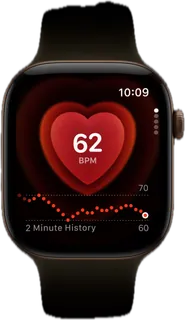
Apple's mainstream smartwatch for iPhone owners, with an ECG app, irregular rhythm, sleep apnea and hypertension notifications, and blood oxygen readings. It works only with an iPhone, gives alerts rather than blood pressure numbers, and needs charging about daily.
-
Apple Watch SE 3 · Apple
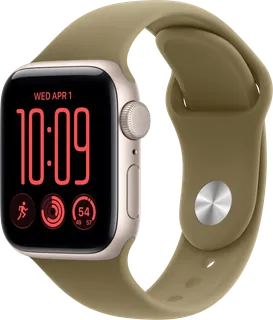
Apple's lowest-priced current watch for iPhone owners who want sleep, irregular rhythm, and sleep apnea alerts without paying for Series 12. Unlike Series 12 it has no ECG app, no blood oxygen readings, and no hypertension notifications, and its battery is rated for about 18 hours.
-
Apple Watch Ultra 4 · Apple
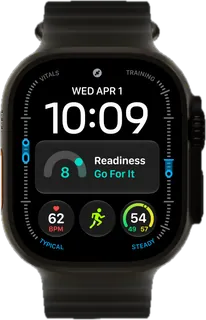
Apple's rugged, large-screen watch for iPhone owners who hike, dive, or need multi-day battery. It has the same core health features as Series 12 (ECG, blood oxygen, hypertension and sleep apnea notifications), plus up to 50 hours of battery, satellite messaging and SOS, a depth gauge, and 100 m water resistance. It comes only in one 49mm cellular titanium size and costs about twice as much.
-
Galaxy Watch9 · Samsung
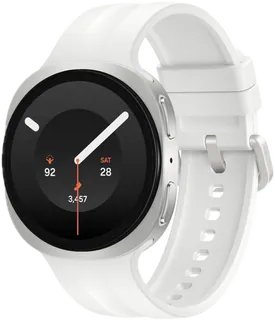
Samsung's standard Wear OS watch for Android users, with ECG, irregular rhythm alerts, FDA-authorized sleep apnea detection, and cuffless blood pressure readings after cuff calibration every 28 days. ECG, blood pressure and some other health features require a Samsung Galaxy phone; it does not work with iPhone, and battery lasts about a day with always-on display.
-
Galaxy Watch Ultra2 · Samsung
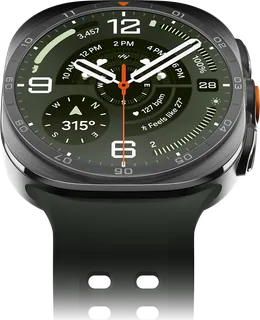
Samsung's rugged titanium Wear OS watch for Android users who want a bigger battery (about 2.5 days with always-on display), a brighter screen and dive-rated durability. Health features match the Galaxy Watch9: ECG, irregular rhythm alerts, FDA-authorized sleep apnea detection and cuff-calibrated blood pressure estimates. It comes only as a 47mm LTE model, does not work with iPhone, and some features such as Energy Score need a Samsung Galaxy phone.
-
Pixel Watch 5 · Google
Google's Wear OS watch for Android users, with ECG, irregular rhythm alerts, FDA-cleared loss of pulse detection, and free monthly blood pressure and insulin resistance trend reports (wellness, not readings). No sleep apnea feature, no iPhone support, and the 41mm model lasts about 30 hours per charge.
-
Venu 4 · Garmin
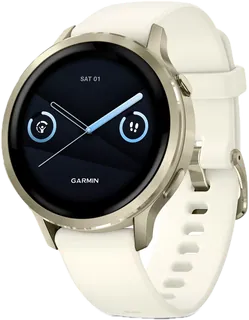
An AMOLED GPS smartwatch for people who want detailed fitness, sleep and recovery data plus an on-demand ECG, with up to 10 days (41 mm) or 12 days (45 mm) of battery. It has fall detection but no passive AFib alerts, blood pressure, or sleep apnea features. Core data is free; Garmin Connect+ is optional.
-
Forerunner 570 · Garmin
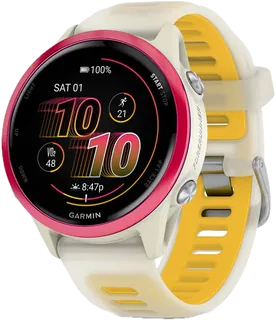
Mid-range GPS running watch with an AMOLED screen, built-in speaker and detailed training tools, plus sleep, Pulse Ox and skin temperature tracking with no subscription. Unlike the Venu 4 it has no ECG app, and its incident detection only works during select activities, not all day.
-
ScanWatch 2 · Withings
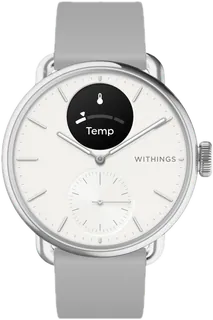
A hybrid analog watch with a small grayscale screen, an FDA-cleared single-lead ECG for AFib, SpO2 spot checks, 24/7 temperature tracking and up to 35 days of battery. It suits people who want a classic watch rather than a full smartwatch. In the US it has no passive AFib alerts and no built-in GPS. Core data is free; Withings+ is optional.
-
Fitbit Edge · Google
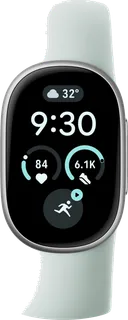
Google's band-style tracker that replaces the Fitbit Charge line. It has an AMOLED screen, built-in GPS, an ECG app, passive AFib alerts and about 7 days of battery. It is on pre-order and ships October 27, 2026. Core tracking is free, but coaching and blood pressure and insulin resistance trends need Google Health Premium.
-
Fitbit Inspire 3 · Google
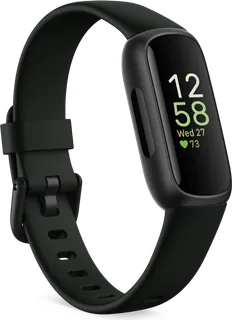
A slim, low-cost band tracker for iPhone or Android users who mainly want steps, heart rate, sleep stages and passive AFib alerts with about 10 days of battery. Unlike the Fitbit Edge it has no ECG app, no built-in GPS (it uses your phone's), and its blood oxygen and skin temperature data appear only in the Google Health app. Core tracking is free; coaching and some insights need Google Health Premium.
-
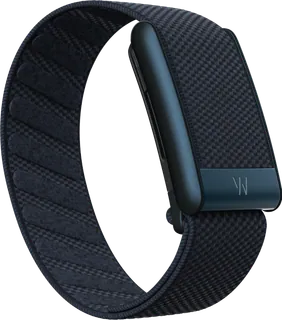
WHOOP MG · WHOOP
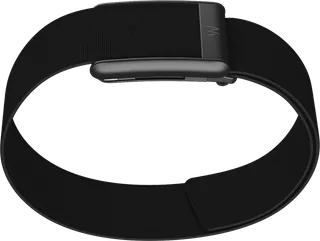
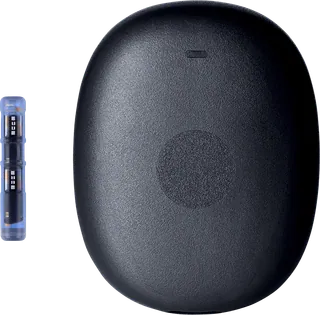
Screenless band sold only with the WHOOP Life membership ($359/yr), which bundles the MG device, a wireless battery pack and band. Adds an FDA-cleared on-demand ECG and wellness blood pressure estimates (cuff calibration required) to WHOOP's sleep, strain and recovery tracking. The background irregular-rhythm notification feature is not offered in the US, and the band stops being useful if the membership lapses.
-
WHOOP 5.0 · WHOOP
Screenless band sold only with a WHOOP One ($199/yr) or Peak ($239/yr) membership, which includes the device. Unlike WHOOP MG it has no ECG, AFib detection or blood pressure insights. On One, the Health Monitor view of SpO2 and skin temperature needs the Peak tier.
-
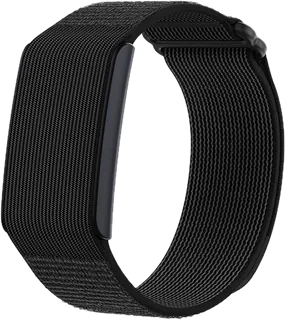
Helio Strap · Amazfit
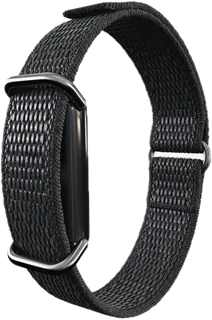
Low-cost screenless band for people who want continuous heart rate, sleep and recovery data without a subscription. It can be worn on the wrist or upper arm and broadcasts live heart rate to watches and gym equipment. It has no ECG, rhythm alerts or medical clearances; a pricier multi-sensor Helio Strap Pro ($199.99) is sold alongside it.
-
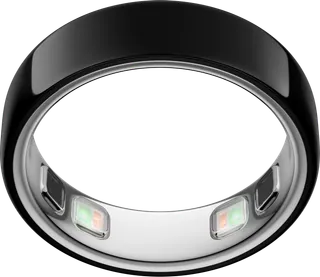
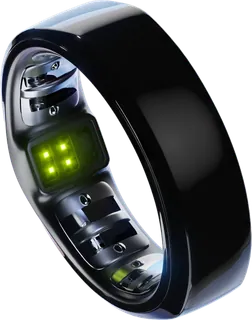
Oura Ring 5 · Oura
Titanium smart ring for people who prefer a ring to a band, focused on sleep, readiness, temperature trends and overnight blood oxygen. It is 40% smaller than Oura Ring 4 and lasts about a week per charge. Most insights require the $5.99/month membership, and it has no ECG, FDA-cleared features or screen.
-
Oura Ring 4 · Oura
Oura's previous-generation titanium smart ring, still sold alongside Oura Ring 5 at a lower price. It is wider and thicker than Ring 5 and lasts 5-8 days per charge, with the same sleep, temperature, SpO2 and nighttime blood pressure trend features. Needs an Oura membership ($5.99/mo) for full insights; no ECG or screen.
-
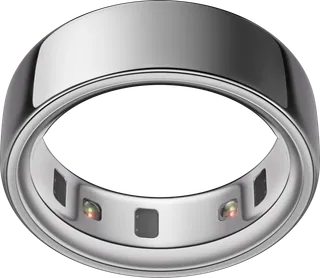
Galaxy Ring · Samsung
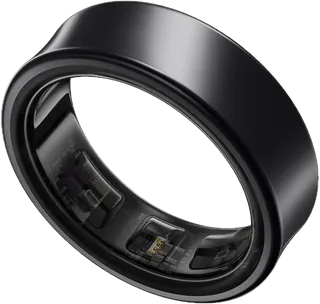
A titanium smart ring for Android phone owners, best suited to Samsung Galaxy users, that tracks sleep, heart rate, overnight blood oxygen, skin temperature and activity with no subscription. It has no ECG, AFib alerts, sleep apnea feature or blood pressure, does not work with iPhone, and some features (Energy Score, gestures, Find My Ring) need a Galaxy phone.
-
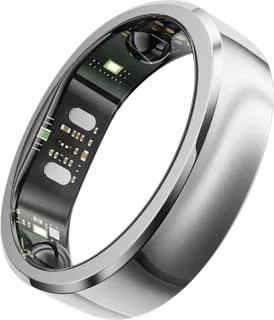
RingConn Gen 3 · RingConn
A subscription-free titanium smart ring for iPhone or Android with up to two weeks of battery, sleep apnea pattern insights, and a vibration motor for health alerts and reminders. Its blood pressure feature is a vascular health trend, not systolic/diastolic readings, and none of its features are FDA cleared.
-
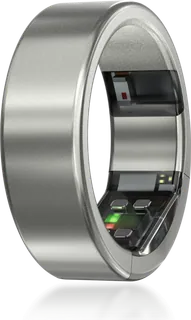
Ultrahuman Ring PRO · Ultrahuman
Ultrahuman's third-generation titanium ring and the only Ultrahuman ring sold in the US after the 2025 import ban on Ring AIR; it adds up to 15 days of battery and a charging case, with no required subscription. It is a wellness device: the AFib Detection add-on is not yet offered in the US, and premium extras need the optional Ultrahuman Max plan ($9.99/mo).
-
Happy Ring · Happy Health
A medical-grade ring you get through Happy Health's Happy Sleep telehealth service: you order an at-home sleep test (insurance or self-pay), a Happy Sleep doctor prescribes it, and you keep the ring with a year of nightly tracking. It is FDA cleared for home sleep apnea testing and, since 2026, cuffless blood pressure without cuff calibration. Battery lasts up to about 3 days, and the service covers 48 US states.
-
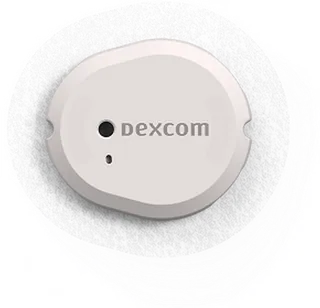
Dexcom G7 15 Day · Dexcom
Prescription CGM for adults 18 and older with any type of diabetes, including people on insulin; it gives urgent low and high alarms and connects to several insulin pumps. Readings go to a phone, Apple Watch or optional receiver. Worn only on the back of the upper arm, and Dexcom says about 26% of sensors may not last the full 15 days.
-
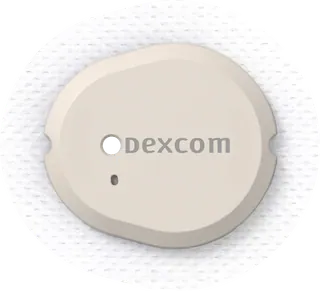
Dexcom G7 · Dexcom
The original 10-day Dexcom G7, a prescription CGM still sold alongside G7 15 Day and the Dexcom option for children age 2 and up (G7 15 Day is for adults only). It gives urgent low and high alarms, sends readings to a phone, Apple Watch or optional receiver, and connects to several insulin pumps. Sensors last 10 days plus a 12-hour grace period, so you need three a month, and children 2 to 6 can also wear it on the upper buttocks.
-
Stelo · Dexcom
Over-the-counter glucose biosensor for adults 18 and older who don't use insulin, such as people with type 2 diabetes or prediabetes; readings stream to a phone app with meal logging and coaching. It has no urgent low or high alarms and is not for people with problematic hypoglycemia. All sales are final, and Dexcom says about 20% of sensors may not last the full 15 days.
-
FreeStyle Libre 3 Plus · Abbott
Prescription CGM for people with diabetes age 2 and up. A small sensor on the back of the arm sends glucose to a phone every minute for 15 days, with optional high and low alarms and connections to compatible insulin pumps. You need a new sensor every 15 days, cash prices without insurance vary by pharmacy, and it tracks nothing but glucose.
-
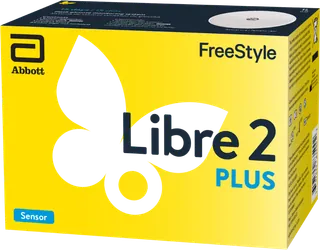
FreeStyle Libre 2 Plus · Abbott
Prescription CGM for people with diabetes age 2 and up, and Abbott's lower-cost option next to the Libre 3 Plus. A 15-day sensor on the back of the arm sends glucose automatically to the Libre app or a separate Libre 2 reader, with optional high and low alarms, and it works with compatible insulin pumps. Phone alarms need the phone within about 20 feet (33 feet for Libre 3), you need a new sensor every 15 days, and it tracks nothing but glucose.
-
Lingo · Abbott
Over-the-counter glucose biosensor for adults not on insulin who want to see how food and exercise affect their glucose. It uses a 14-day Libre-style arm sensor with coaching in the Lingo app. It has no high or low alarms, shows only readings from 55 to 200 mg/dL, and is not meant for diagnosing or managing diabetes.
-
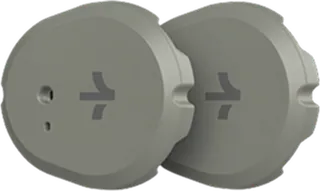
Eversense 365 · Senseonics
Prescription CGM for adults with diabetes, mainly insulin users, who want to avoid frequent sensor changes. A clinician implants a small sensor under the skin of the upper arm once a year. You wear a removable transmitter over it that vibrates for high and low alerts and needs regular recharging, and you must calibrate it with a fingerstick once a week. Senseonics publishes no cash price.
-
Hilo Core · Hilo
A screenless wristband that builds blood pressure trends day and night, anchored by an included FDA-cleared upper-arm cuff you use to calibrate it every 30 days. In the US the band is sold as a wellness product, not a medical device, so its estimates are not FDA cleared. A paid membership is required for the band to work after the first year.
-
Zio monitor · iRhythm Technologies
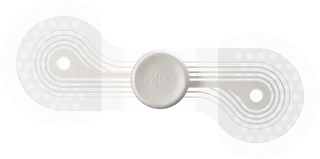
A prescription-only, single-use ECG patch worn on the chest for up to 14 days to look for heart rhythm problems. It records continuously but does not alert the wearer: you mail it back, and the report goes to the ordering clinician after wear. Cost depends on insurance; iRhythm publishes no cash price.
-
Dream Sock · Owlet
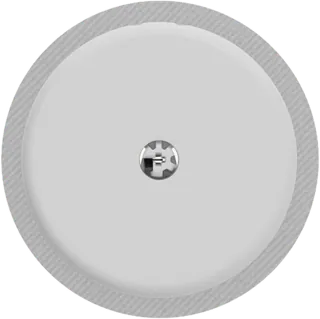
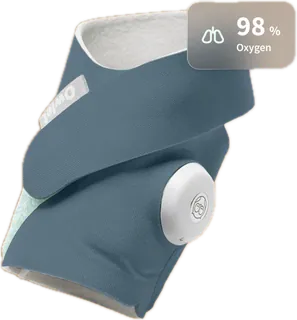
An infant sock for babies 1 to 18 months that tracks pulse rate, blood oxygen, and sleep, with FDA De Novo authorization for over-the-counter use. A bedside base station sounds an alarm if readings leave preset zones; no subscription is needed. It is not intended to prevent or diagnose SIDS, and the battery lasts about one night.
Suggest a change
Related comparisons
-
 Smartwatches
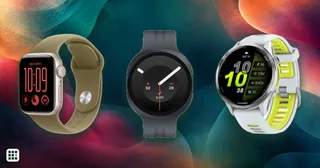
Compare mainstream smartwatches across iPhone and Android ecosystems, with choices ranging from everyday health tracking to rugged outdoor training. Battery life, phone compatibility, cellular options, health tools and subscription requirements differ sharply by model.
-
 Blood pressure monitors
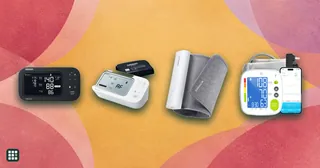
A home blood pressure monitor is useful only when its cuff fits and its readings are taken consistently. Compare validated models by cuff range, AFib screening, memory and averaging, app support, and price; wrist devices need careful positioning at heart level.
-
 Magnesium orotate products compared
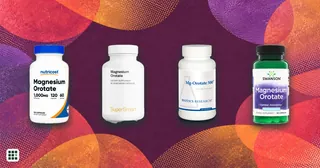
Magnesium orotate is magnesium bound to orotic acid, marketed for heart health and athletic performance. Very few brands sell it on its own; this grid compares the standalone US products found.
-
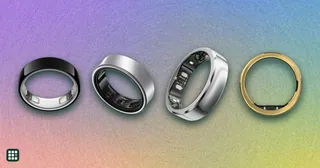 Smart rings
 track sleep, recovery, and daily health signals in a screen-free form. Compare the hardware price and any membership with battery life, phone requirements, sizing, and the health features each maker actually offers. These are wellness tools: a ring’s alert or estimate is not a diagnosis.
-
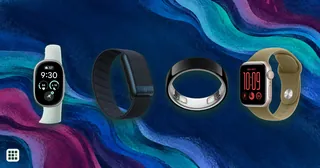 Fitness trackers
Compare fitness trackers sold in the US: slim bands, screenless straps, smart rings and fitness-focused watches from Fitbit, Garmin, WHOOP, Oura, Amazfit, Samsung, Apple and others. The trade-offs are price and subscriptions, screen versus discreet design, built-in GPS for workouts, battery life, and which health sensors you actually want.
-
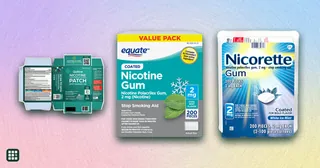 Smoking cessation aids
Compare three nicotine replacement forms and two prescription medicines by label directions, treatment length, and selected cautions. The right strength and plan depend on smoking history and health conditions; use the exact package directions or prescriber instructions.