



Health and fitness technology
Smartwatches, trackers, rings, glucose monitors and home wellness devices compared on what they measure, what they cost and what they can't promise.
Health and fitness technology ranges from wrist and finger trackers to glucose sensors, home rowers and light-therapy devices. The grids here compare the options so you can see what each one measures, what it costs to keep using, and what it can and can't promise.
The questions that cut across them start with the goal: to train harder, sleep better, manage a condition or simply keep an eye on your health. Be careful about what a device measures and how. Consumer wearables give useful trends, but they are estimates and not medical diagnoses, and claims for therapy devices vary in the strength of their evidence. Check compatibility with your phone, since many devices only work well with one ecosystem. Look at the running cost: some need a subscription for the data, sensors or replacement parts. Consider comfort and battery life, because a device you take off to charge or find annoying will leave gaps in your data. Finally, read what the company does with your health information, and ask your doctor before using a device for treatment or on a medical condition.
Where to start
- Everyday tracking: Smartwatches, Fitness trackers and Smart rings
- Understanding your sleep: Sleep trackers
- Managing glucose: Continuous glucose monitors
- Working out at home: Rowing machines
- Recovery and wellness: Home saunas and Red light therapy devices
- Skincare devices: LED face masks
-
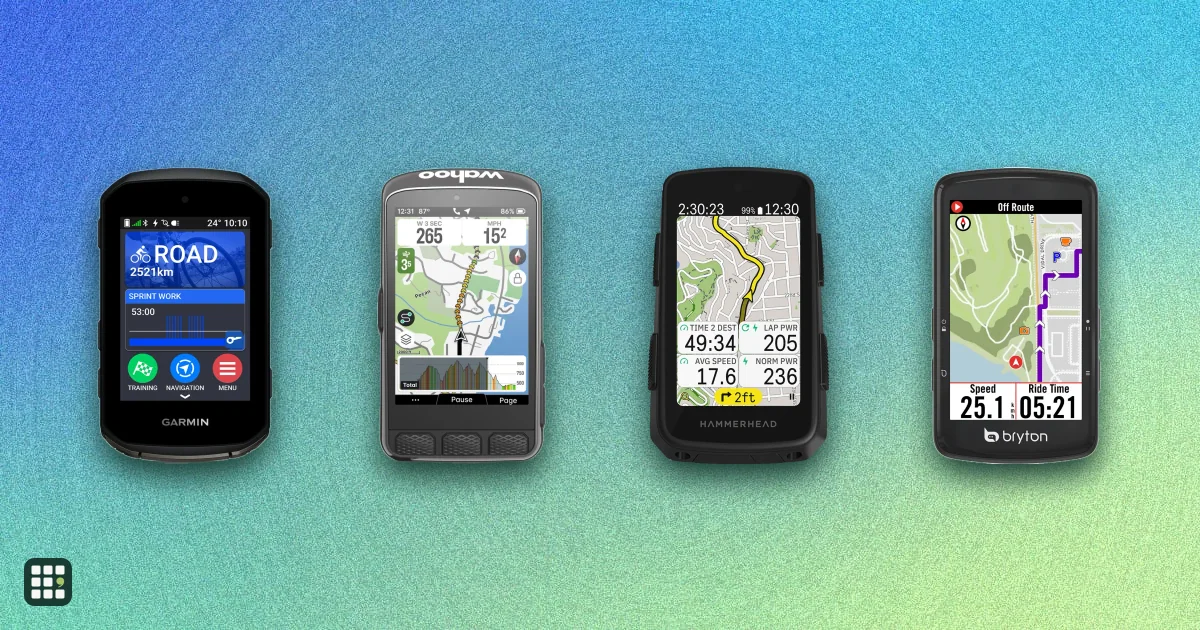 Bike computers
20 products · Updated Nov 12, 2026
GPS bike computers mount on your handlebars to show speed, power, heart rate and navigation without draining your phone. This grid compares current head units from Garmin, Wahoo, Hammerhead, COROS, Bryton, iGPSPORT and Magene, from about $150 budget units to $800 flagships. The real trade-offs are screen size and readability, how good the maps and rerouting are, battery life, and which sensors and training tools you will actually use.
-
 Biological age tests
6 services · Updated Nov 13, 2026
Compare six direct-to-consumer biological-age tests by cost, sample collection, measurement method, results, and turnaround. Each uses a different proxy for aging, so the reported numbers are not interchangeable and a result should not guide medical treatment.
-
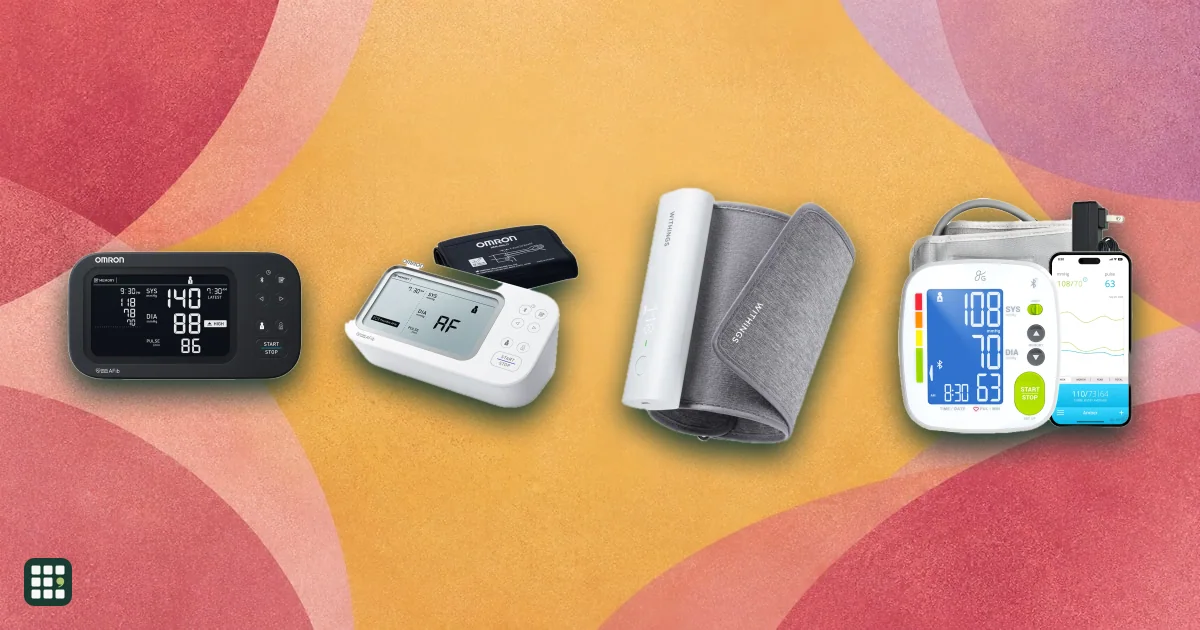 Blood pressure monitors
14 products · Updated Nov 13, 2026
A home blood pressure monitor is useful only when its cuff fits and its readings are taken consistently. Compare validated models by cuff range, AFib screening, memory and averaging, app support, and price; wrist devices need careful positioning at heart level.
-
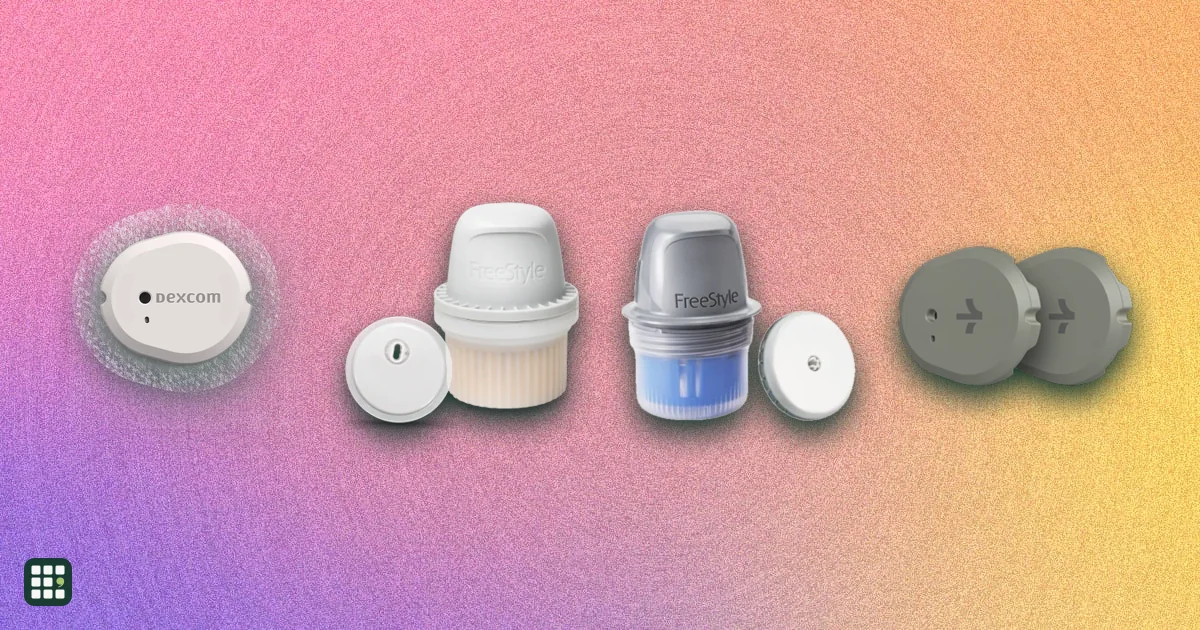 Continuous glucose monitors
12 products · Updated Nov 1, 2026
Continuous glucose monitors (CGMs) track glucose in fluid just under the skin and send readings to a phone, receiver, or connected insulin system. The choice depends on who the device is cleared for, how it displays and alerts, sensor wear time, pump compatibility, and recurring cost. OTC wellness sensors have narrower uses than prescription diabetes systems.
-
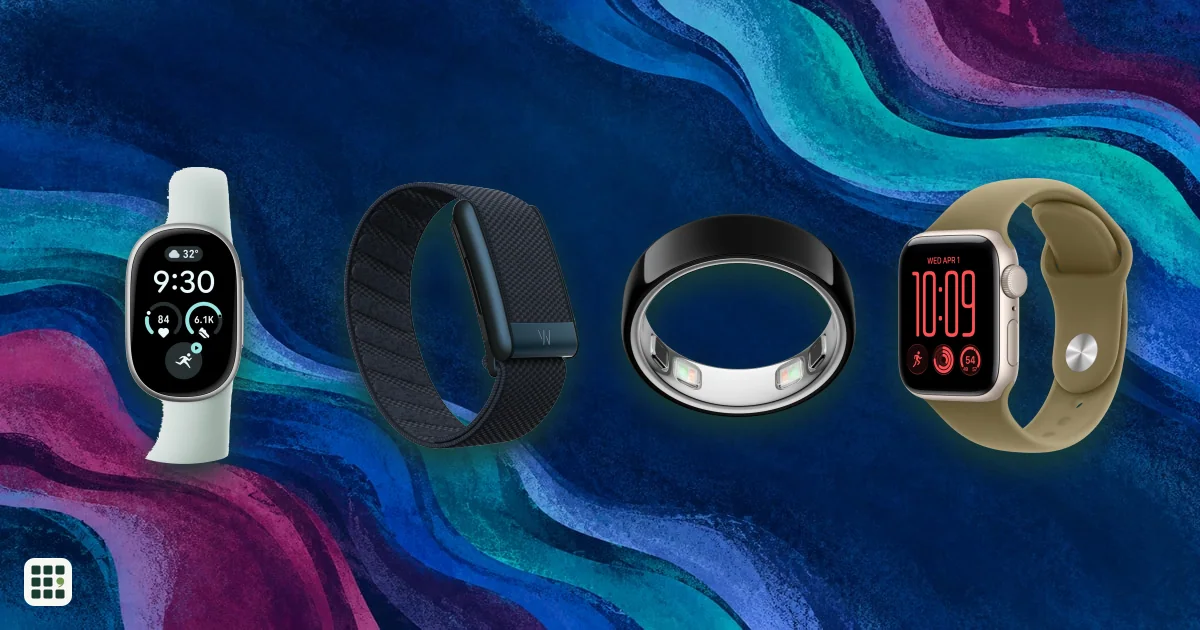 Fitness trackers
20 products · Updated Nov 11, 2026
Compare fitness trackers sold in the US: slim bands, screenless straps, smart rings and fitness-focused watches from Fitbit, Garmin, WHOOP, Oura, Amazfit, Samsung, Apple and others. The trade-offs are price and subscriptions, screen versus discreet design, built-in GPS for workouts, battery life, and which health sensors you actually want.
-
 Home saunas
17 products · Updated Nov 12, 2026
Compare home saunas sold in the US: infrared cabins, traditional electric saunas and outdoor barrels, and portable infrared tents and blankets. The main trade-offs are infrared versus traditional heat, how many people it fits, where it goes, whether you need new wiring, and total cost including installation.
-
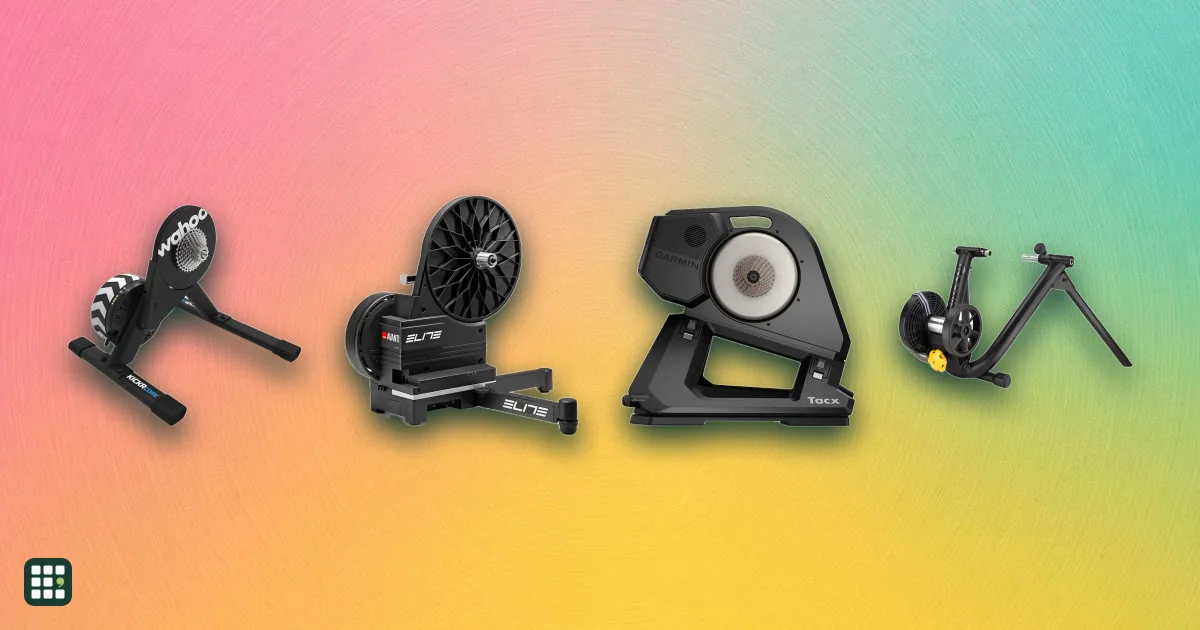 Indoor bike trainers
21 products · Updated Nov 13, 2026
Indoor bike trainers turn your own bike into a stationary trainer for winter, bad weather or structured workouts. The big choices are direct drive versus wheel-on or rollers, smart (app-controlled resistance) versus classic, and how much realism, quietness and accuracy you want to pay for. This grid compares current models on bike fit, resistance, noise, app connectivity and full cost.
-
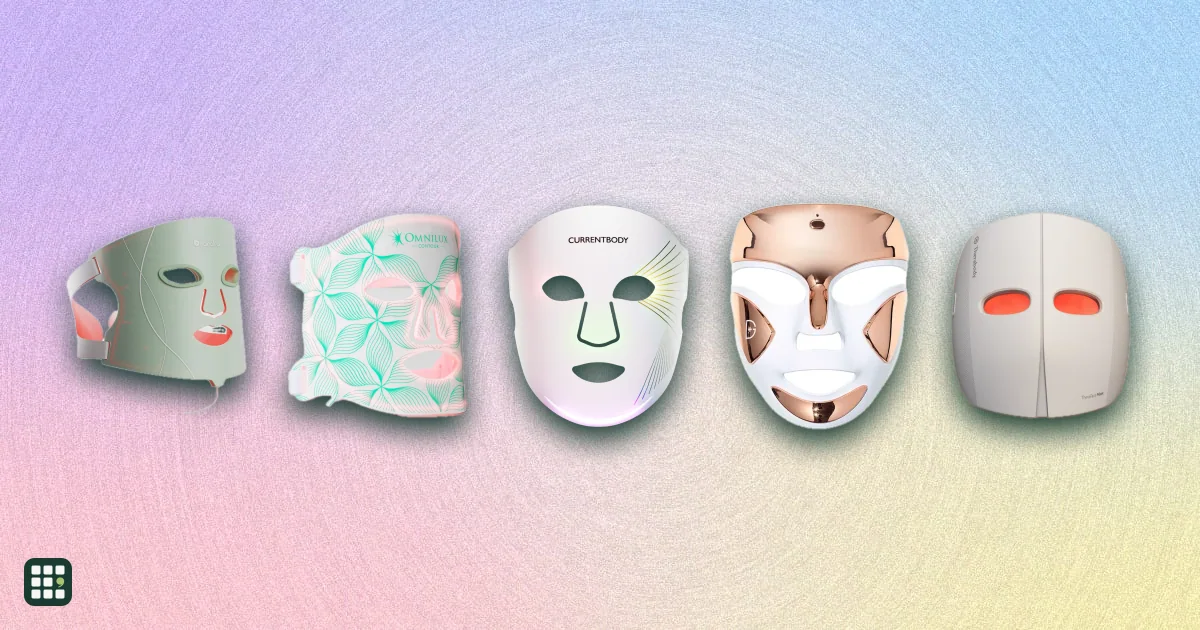 LED face masks
25 products · Updated Nov 9, 2026
Compare 25 LED face masks from 16 makers, from $250 budget masks to $1,700 professional ones. The big choices are which lights you need (red and near-infrared for wrinkles and firmness, blue for acne), whether you want a soft flexible mask or a rigid shell, how long each session takes (3 to 20 minutes), and how much a long return window matters, since results take 4 to 12 weeks to show.
-
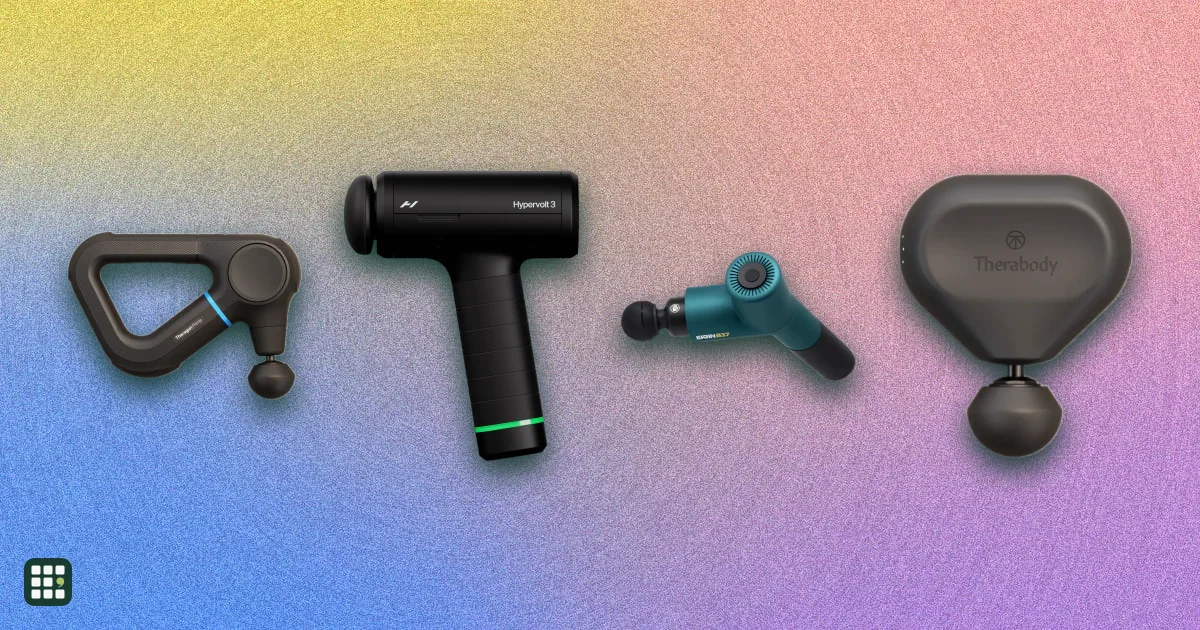 Massage guns
39 products · Updated Nov 16, 2026
Percussion massage guns for sore muscles, warm-ups, and everyday tightness. Columns run from pocket minis to pro models you can buy new in the US. The rows that change how a gun feels are stroke depth, how hard you can press before the motor stalls, weight, battery, noise, and which heads and therapies are actually in the box.
-
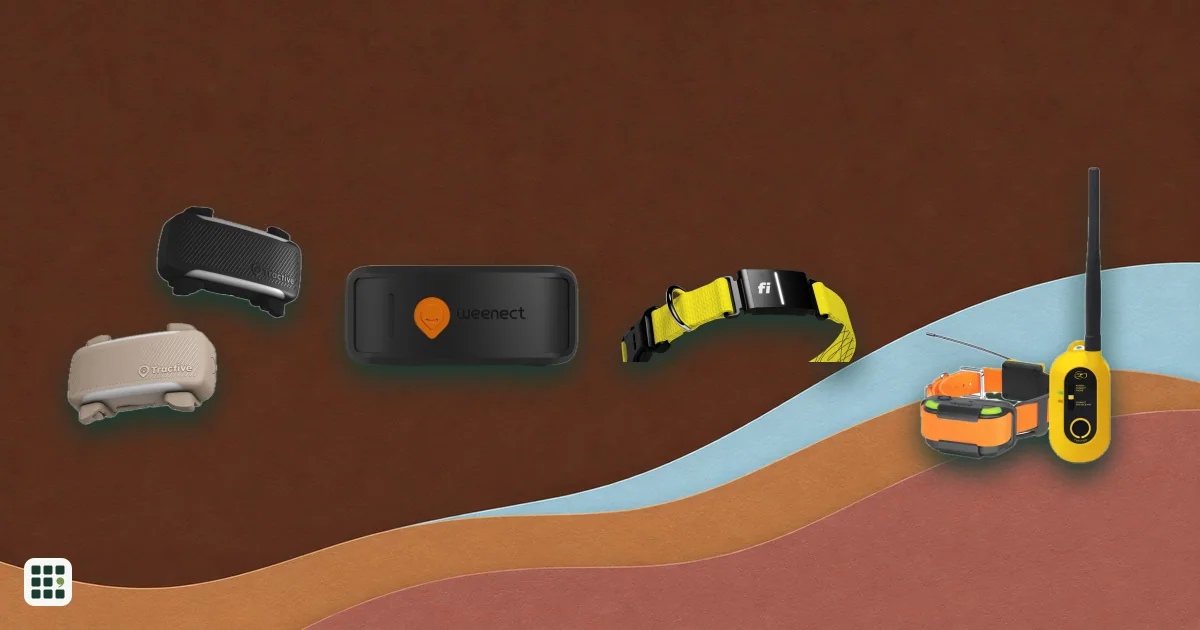 Pet GPS trackers
18 products · Updated Nov 17, 2026
Compare pet GPS trackers by actual coverage method, subscription cost, escape alerts, battery, weight, water protection, health features, and whether a phone or handheld is needed. Cellular trackers can locate pets over long distances where a supported network is available; radio systems can work off-grid but require compatible equipment and are affected by terrain. Confirm fit for the pet’s size and review the service plan before buying.
-
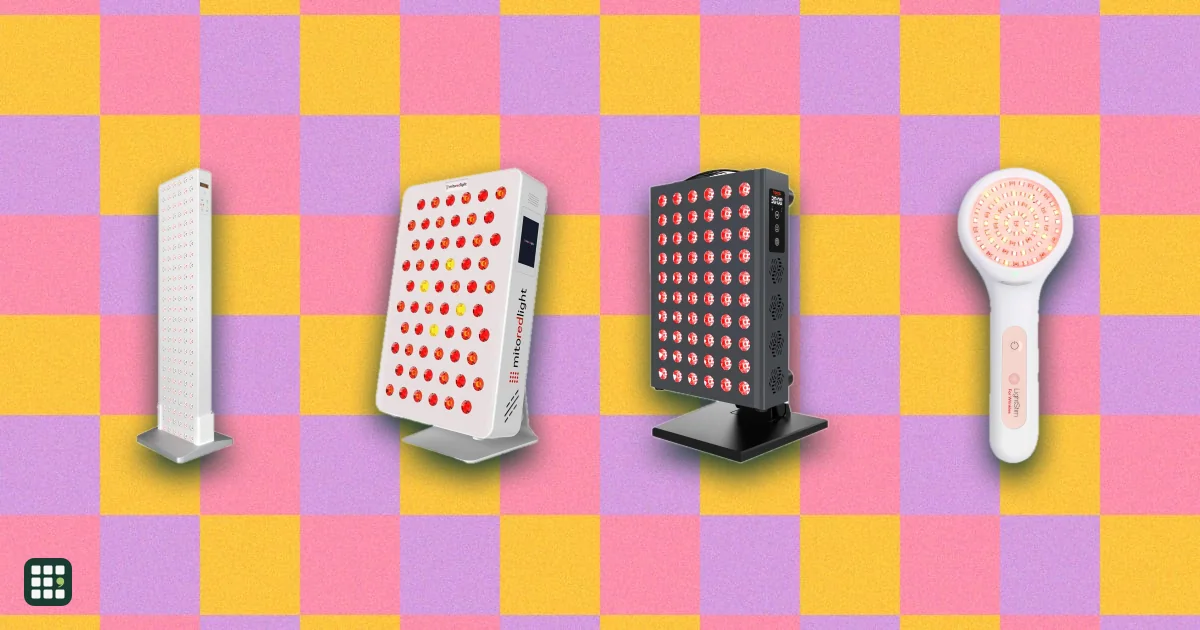 Red light therapy devices
15 products · Updated Nov 15, 2026
Compare at-home red and near-infrared light therapy devices sold in the US: full-body and tabletop panels, LED face masks, handheld wands, and wraps for joints and muscles. The main questions are what you want to treat, how much area a device covers, whether it is FDA-cleared for that use, how long sessions take, and what it costs.
-
 Rowing machines
18 products · Updated Nov 11, 2026
Home rowing machines compared: the Concept2 RowErg and WaterRower classics, smart rowers from Hydrow, Ergatta, Aviron, Peloton, Echelon and NordicTrack, and budget magnetic and water rowers from Sunny, Merach and others. They differ in how resistance feels and sounds, whether you need a monthly membership, how much space they take and how they store, and how well they fit tall or heavy rowers.
-
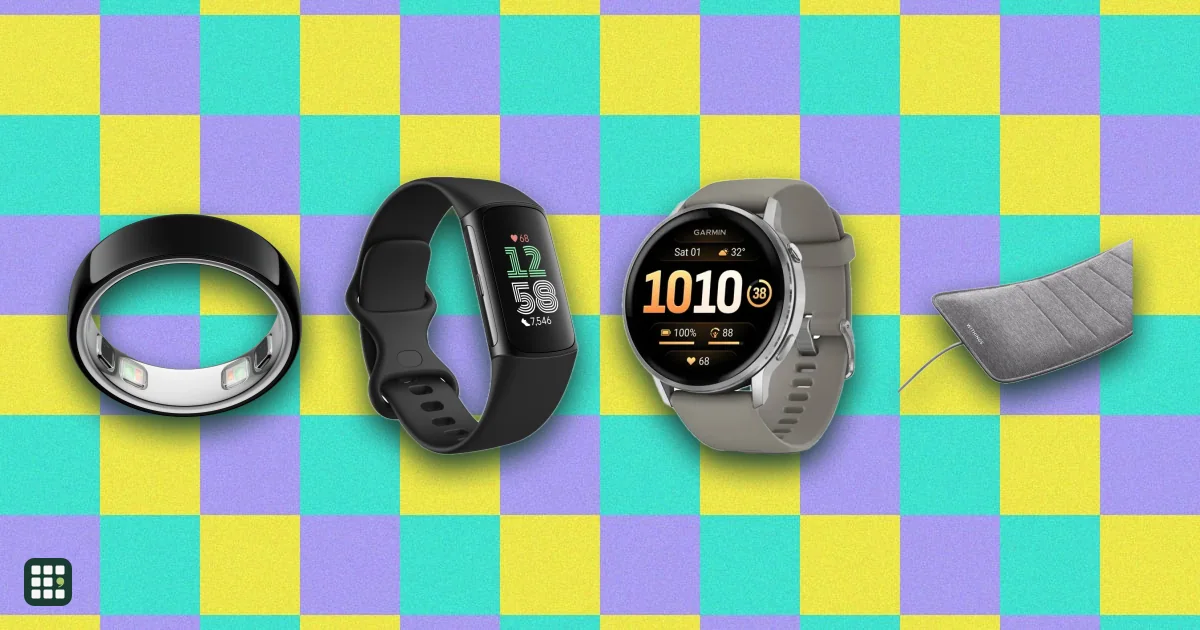 Sleep trackers
20 products · Updated Nov 12, 2026
Sleep trackers estimate when and how you sleep using motion and body signals. Form factor, overnight comfort, sensor coverage, battery life, phone compatibility, and recurring app fees can matter as much as the score shown each morning. Apnea features vary by device and region and should not be treated as a diagnosis.
-
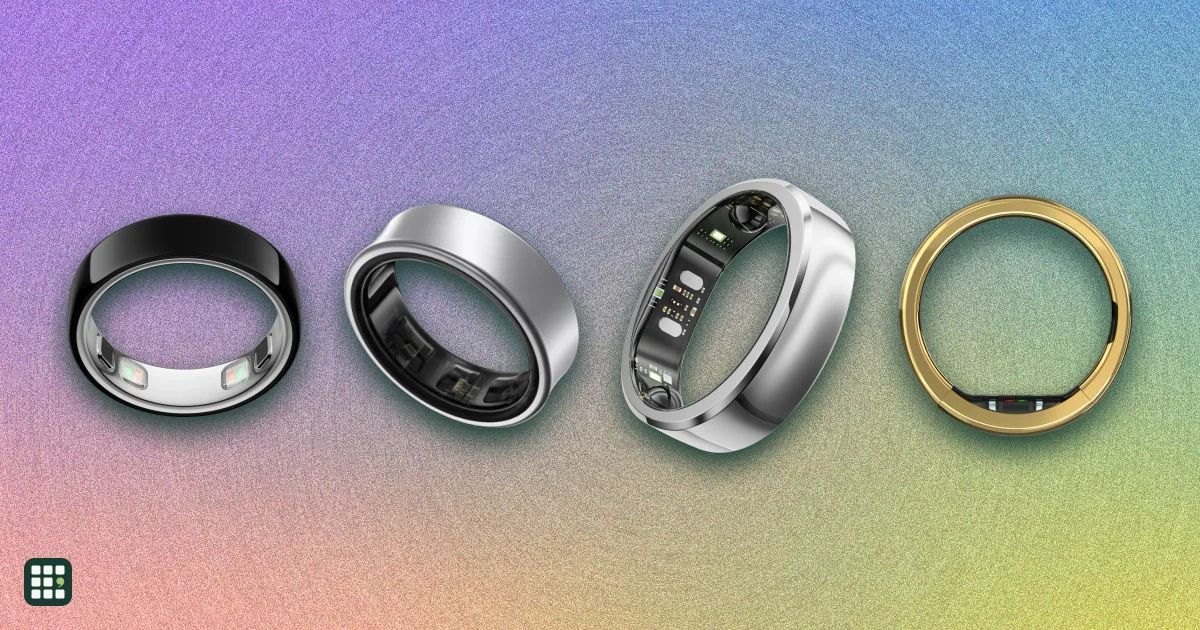 Smart rings
11 products · Updated Nov 16, 2026
Smart rings track sleep, recovery, and daily health signals in a screen-free form. Compare the hardware price and any membership with battery life, phone requirements, sizing, and the health features each maker actually offers. These are wellness tools: a ring’s alert or estimate is not a diagnosis.
-
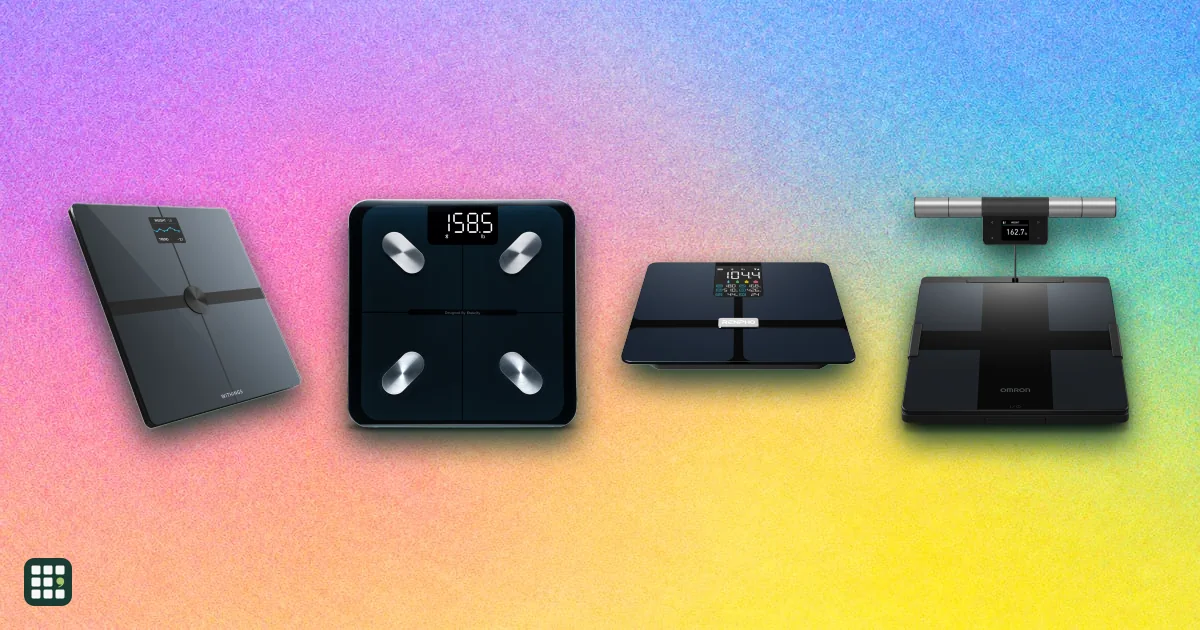 Smart scales
15 products · Updated Nov 13, 2026
Compare smart bathroom scales sold in the US that sync weight and body composition to your phone, from budget Bluetooth models to Wi-Fi scales with hand electrodes and segmental analysis. The trade-offs are price, Wi-Fi versus Bluetooth syncing, which body metrics you get, how well it handles several users, and how it fits with your health apps.
-
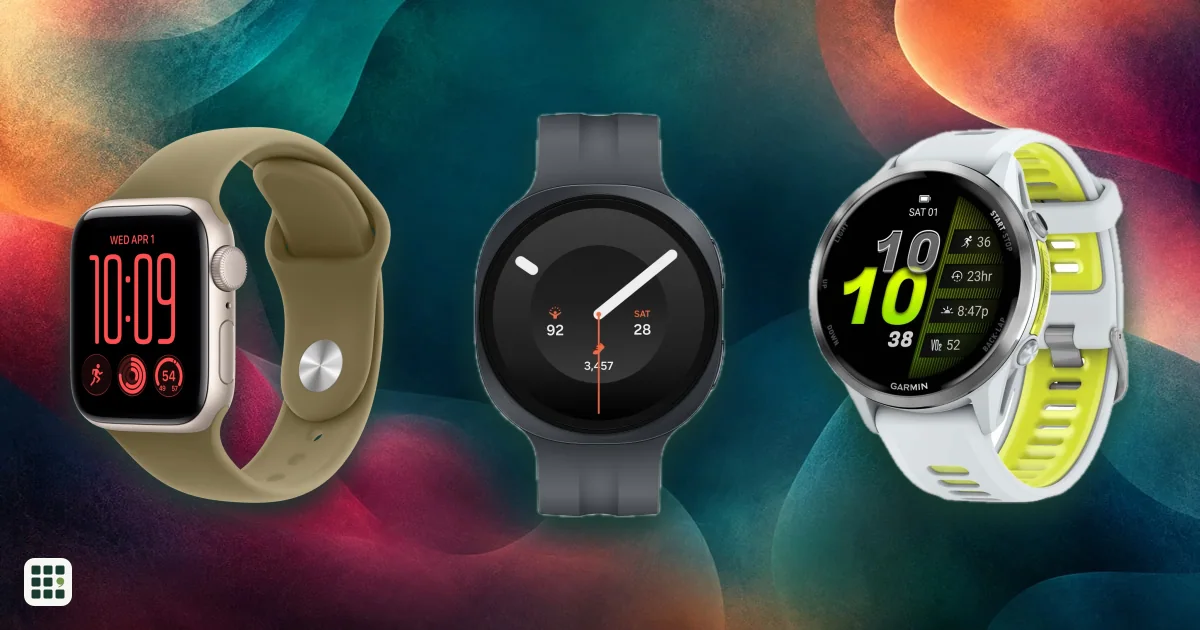 Smartwatches
11 products · Updated Nov 11, 2026
Compare mainstream smartwatches across iPhone and Android ecosystems, with choices ranging from everyday health tracking to rugged outdoor training. Battery life, phone compatibility, cellular options, health tools and subscription requirements differ sharply by model.
-
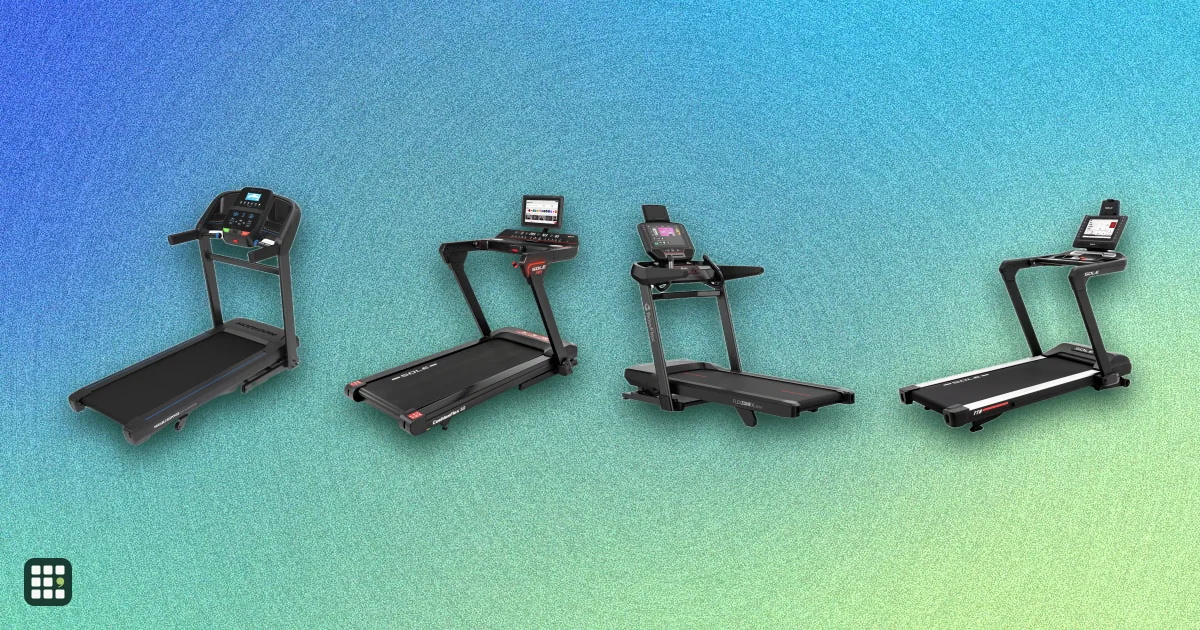 Treadmills
17 products · Updated Nov 12, 2026
Compare home treadmills side by side: motor power, top speed, incline and decline, deck size, user weight limit, folding, screen, subscription and warranty. The main choices are how hard you will use it (walking or running), how much space you have, and whether you want built-in classes or a simple machine that works with any app.
-
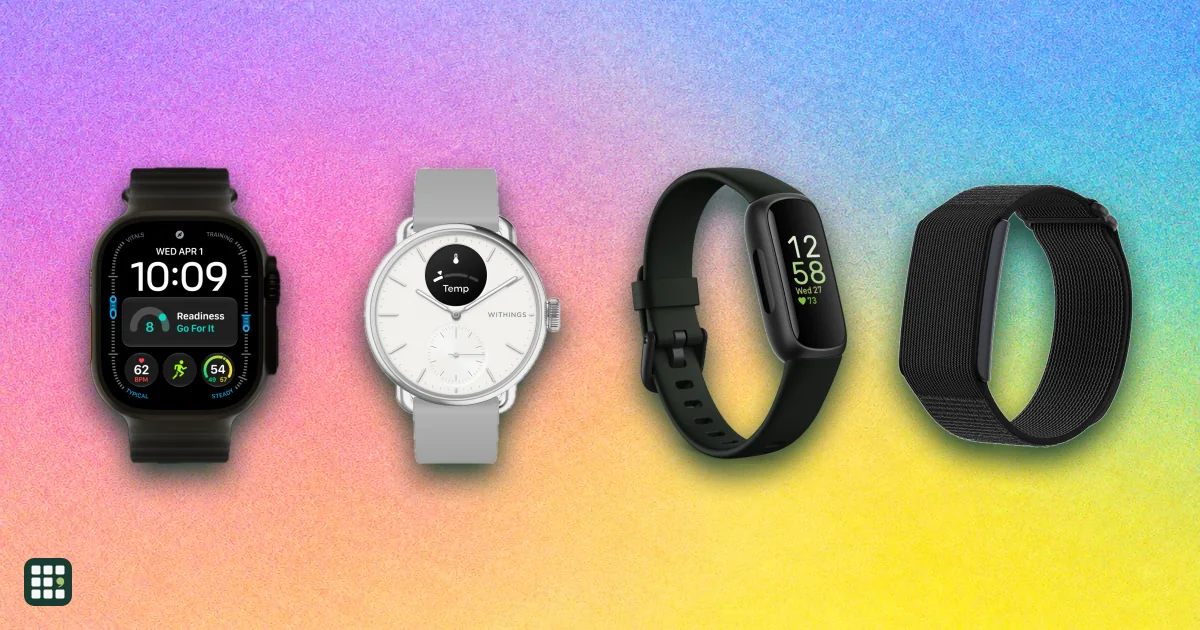 Wearable health technology
30 products · Updated Nov 13, 2026
Wearable health technology now runs from everyday smartwatches and rings to prescription glucose sensors and medical-grade patches. This grid puts them side by side so you can see what each one actually measures, which functions are FDA cleared, what it costs up front and every month, and how long it lasts between charges or replacements. The real trade-offs: breadth versus medical depth, a screen versus discretion, and a one-off price versus memberships or disposable sensors.