



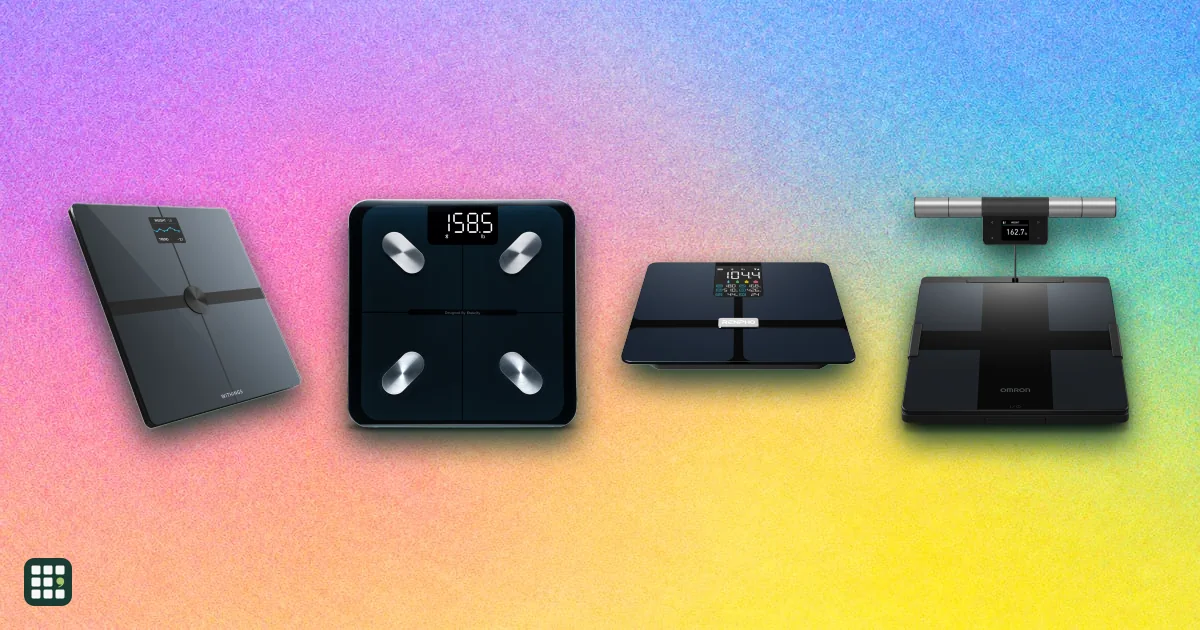
Smart scales
Compare smart bathroom scales sold in the US that sync weight and body composition to your phone, from budget Bluetooth models to Wi-Fi scales with hand electrodes and segmental analysis. The trade-offs are price, Wi-Fi versus Bluetooth syncing, which body metrics you get, how well it handles several users, and how it fits with your health apps.
Last updated
How to choose
Specs here are makers' figures. Body-composition numbers from consumer scales are estimates from a small electrical current (bioelectrical impedance) and shift with hydration, meals and time of day. Use them for trends, not diagnosis.
1. Decide how it should sync
Wi-Fi scales upload automatically when you step on; Bluetooth-only scales need your phone and app nearby. If you weigh in half-asleep every morning, Wi-Fi is less hassle.
2. Choose the metrics you will use
- Weight and body fat percentage are the core; muscle mass, water and visceral fat add context.
- Scales with hand electrodes measure the upper body directly and can show arm, leg and trunk results separately.
- Heart rate on a scale is a minor extra if you already wear a tracker.
3. Check safety and household fit
- People who are pregnant or have a pacemaker or other implanted electronic device should not use impedance; look for a pregnancy or weight-only mode.
- Check how many users it recognizes automatically and the maximum weight.
4. Look at the app and its costs
Make sure the scale syncs with the app you already use, such as Apple Health, Google Health Connect, Fitbit or Garmin Connect, and whether advanced insights need a subscription.
5. Weigh in consistently
Step on at the same time each day, barefoot, on a hard floor. Consistency matters more than the brand for meaningful trends.
Answer
Browse the table. Filter to what matters.
Use the filters below, then sign in if you want to shortlist and decide with friends.
Sign in to vote, hide products and features, and reorder.
Verified: hover a cell and click its green dot for the source Estimate: no cited source
| Feature | ⠿ | ⠿ | ⠿ | ⠿ | ⠿ | ⠿ | ⠿ | ⠿ | ⠿ | ⠿ | ⠿ | ⠿ | ⠿ | ⠿ | ⠿ |
|---|---|---|---|---|---|---|---|---|---|---|---|---|---|---|---|
|
⠿
Price
|
|||||||||||||||
|
⠿
Connectivity
|
Bluetooth only
|
||||||||||||||
|
⠿
Max weight
|
330 lb
|
||||||||||||||
|
⠿
Measurement method
|
Foot electrodes
|
Foot electrodes
|
Foot electrodes
|
Foot electrodes
|
|||||||||||
|
⠿
Body fat
|
|
|
|
||||||||||||
|
⠿
Muscle mass
|
|
|
|
||||||||||||
|
⠿
Visceral fat
|
|
|
|
|
|||||||||||
|
⠿
Heart rate
|
|
|
|
|
|
|
|
|
|
||||||
|
⠿
Segmental analysis
|
|
|
|
|
|
|
|
||||||||
|
⠿
Users supported
|
8 users
|
16 users
|
|||||||||||||
|
⠿
Pregnancy mode
|
|
|
|
|
|
|
|
||||||||
|
⠿
App integrations
|
Garmin Connect
|
Apple Health, Google Fit, Samsung Health
|
Apple Health, Google Fit, Samsung Health
|
Apple Health (via OMRON connect)
|
|||||||||||
|
⠿
Subscription
|
Optional ($9.95/month Withings+); core data free
|
None
|
None
|
None
|
|||||||||||
|
⠿
Power
|
4 AA
|
||||||||||||||
|
⠿
Warranty
|
Why these features matter
-
Price ($)
Smart scales range from about $25 to over $300; more money buys Wi-Fi, more metrics, hand electrodes and better apps.
-
Connectivity
Wi-Fi scales sync on their own; Bluetooth-only scales need your phone nearby when you weigh in.
-
Max weight (lb)
Heavier users need a higher capacity for accurate readings.
-
Measurement method
Hand-and-foot scales measure the upper body too and can give segmental (arm, leg, trunk) results; foot-only scales estimate the upper body.
-
Body fat
Body fat trends tell you more than weight alone, but single readings vary with hydration.
-
Muscle mass
Useful for tracking strength training progress while weight stays similar.
-
Visceral fat
Visceral (belly) fat is linked to health risks; scales give rough estimates.
-
Heart rate
A handy daily check, though a watch or tracker measures heart rate more often.
-
Segmental analysis
Shows imbalances between sides or upper and lower body; usually needs hand electrodes.
-
Users supported (users)
Households sharing one scale need it to tell people apart automatically.
-
Pregnancy mode
Impedance current is not recommended in pregnancy or with implanted devices; a pregnancy mode makes the scale safe to keep using.
-
App integrations
Syncing with your existing health app keeps weight alongside activity and nutrition data.
-
Subscription
Some scale apps put advanced insights behind a subscription.
-
Power
Rechargeable scales avoid buying batteries; battery models often last a year or more.
-
Warranty
Longer coverage protects against sensor or electronics failure.
About the products
-
Withings Body Smart · Withings
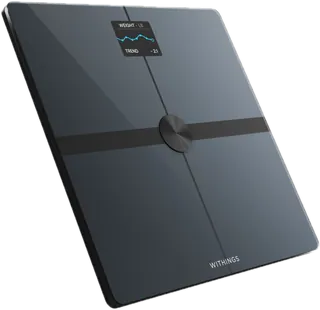
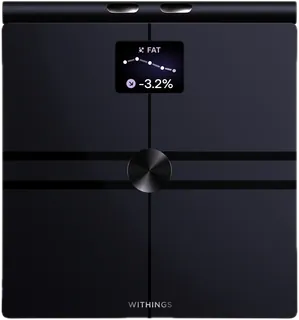
Mid-priced Wi-Fi/Bluetooth scale from Withings with a color screen, foot-electrode body composition (fat, muscle, water, bone, visceral fat index, BMR) and standing heart rate for up to 8 users. No segmental (arm/leg) analysis; runs on 4 AAA batteries. Bought from Withings it comes with a free month of the optional Withings+ subscription.
-
Withings Body Comp · Withings
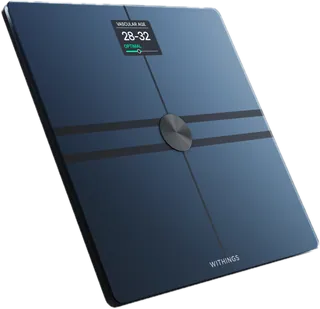
Withings' foot-electrode scale that adds vascular age and an electrodermal activity (sweat-gland) score to body composition, visceral fat and standing heart rate. No handle, so no segmental analysis or ECG. Runs on 4 AAA batteries; up to 8 users.
-
Withings Body Scan · Withings
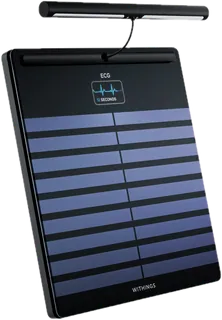
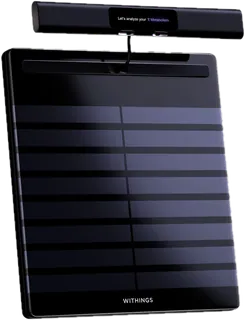
Withings' handle-equipped scale: hand-and-foot electrodes give segmental (arms, legs, trunk) fat and muscle, a 6-lead ECG that can flag atrial fibrillation, vascular age and an electrodermal activity score. Rechargeable over USB-C. Much pricier than foot-only scales, and a newer BodyScan 2 sells above it.
-
Withings Body · Withings
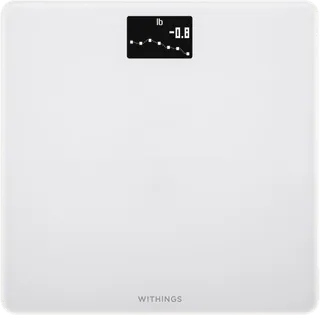
Withings' entry Wi-Fi/Bluetooth scale: tracks weight and BMI only, with no body-fat or other impedance readings, on 4 AAA batteries. Lower 396 lb limit than Withings' other scales. Still in stock on the Withings US store but not shown in its scales lineup.
-
Index S2 · Garmin
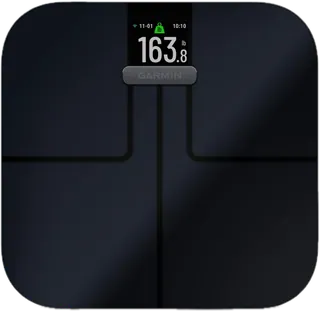
Garmin's only smart scale, for people already in the Garmin Connect ecosystem: Wi-Fi sync, a color display, body fat, skeletal muscle, bone mass and body water for up to 16 users. Foot-only readings with no heart rate, visceral fat or segmental data; runs on 4 AAA batteries. Not for people with pacemakers.
-
Elis 2X · RENPHO
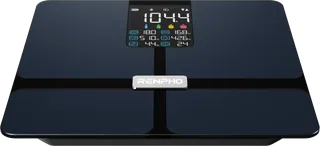
A low-cost Bluetooth-only scale with a large 5-inch display that shows 8 readings on the scale and 13 metrics in the free Renpho Health app. It uses four foot electrodes, so body-composition figures are lower-body estimates, and it runs on 3 AAA batteries; with no Wi-Fi, your phone must be nearby to sync.
-
MorphoScan Nova · RENPHO
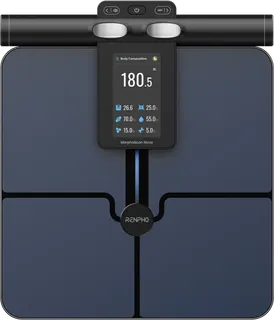
Renpho's premium 8-electrode scale with a retractable handle and a 4.3-inch color display on the handle, giving fat and muscle readings for each arm, leg and the torso and 50+ metrics in the free Renpho Health app. It connects by Bluetooth only and has a USB-C rechargeable battery. On sale for $199.99 (regular $219.99) at the time of research.
-
Wyze Scale Ultra · Wyze
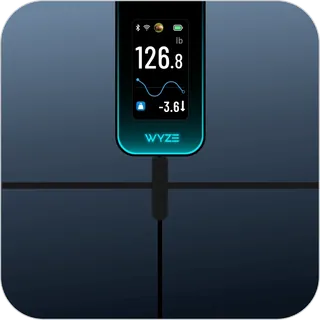
A budget foot-electrode scale with a 4.3-inch color screen and Wi-Fi plus Bluetooth, so readings sync without your phone nearby. It reports 13 metrics, recognizes up to 8 users and has a weight-only pregnancy mode, but has no handle or segmental analysis and runs on 4 AAA batteries. A Wyze Week promotion offered $8 off at the time of research.
-
Etekcity ESF-551 · Etekcity
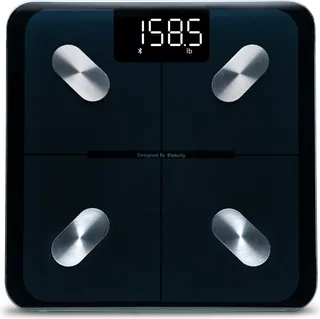
Budget Bluetooth scale with four foot electrodes that reports 13 metrics in the free VeSync app and syncs to Apple Health, Google Fit, Samsung Health and Fitbit. It has no Wi-Fi, so readings sync only when your phone is nearby. On Etekcity's US store the blue version is $31.99; the black version is listed at $23.99 but was out of stock when checked.
-
Fitbit Aria Air · Google
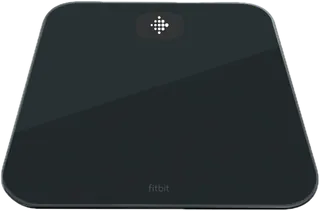
Basic Bluetooth scale that measures weight only and shows BMI in the Google Health (formerly Fitbit) app; it has no body-composition sensors. It suits Fitbit and Pixel Watch owners who just want weight synced to the same app.
-
QardioBase X · Qardio
Wi-Fi and Bluetooth foot-electrode scale with a rechargeable USB-C battery, a pregnancy mode, athlete mode and automatic recognition of up to 8 users. Qardio's US store listed it as sold out when checked.
-
InBody Dial H40 · InBody USA
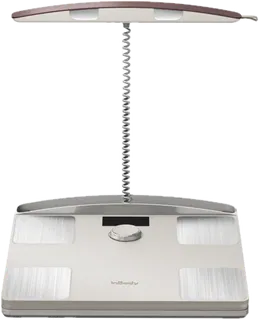
Premium 8-electrode scale with a hand-held handle, from a maker of professional analyzers. It reports segmental muscle balance, visceral fat level and skeletal muscle mass over Wi-Fi and Bluetooth. It costs several times more than foot-only scales.
-
VIVA 360+ (BCM750) · Omron
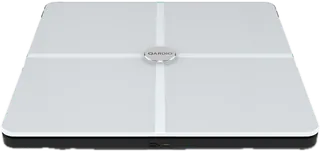
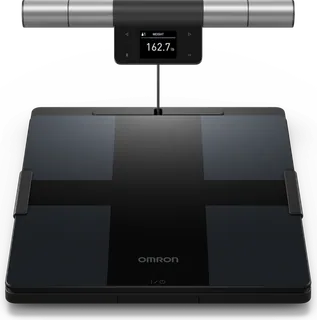
Full-body scale with a handle and hand and foot electrodes, giving segmental readings for arms, trunk and legs. It tracks up to 18 metrics, recognizes up to 4 users and syncs over Bluetooth to the free OMRON Connect app. Its 330 lb limit is lower than most foot-only scales.
-
BodyScan 2 · Withings
Withings' flagship scale: a retractable handle with its own color screen gives 6-zone segmental fat and muscle, a 6-lead ECG with AFib detection, blood oxygen (SpO2), vascular age and Blood Pressure Insights. Heart Age and Glucose Resilience scores need a Withings+ subscription. Rechargeable over USB-C; the most expensive Withings scale.
-
BodyFit · Withings
Mid-priced Withings scale with a retractable handle (8 electrodes) for 6-zone segmental fat and muscle, plus visceral fat index, standing heart rate and vascular age, at about half the price of BodyScan 2. No ECG, SpO2 or handle display. Rechargeable over USB-C; up to 8 users.
Suggest a change
Related comparisons
-
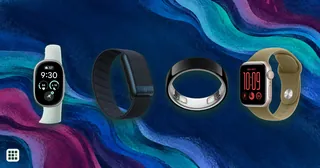 Fitness trackers
Compare fitness trackers sold in the US: slim bands, screenless straps, smart rings and fitness-focused watches from Fitbit, Garmin, WHOOP, Oura, Amazfit, Samsung, Apple and others. The trade-offs are price and subscriptions, screen versus discreet design, built-in GPS for workouts, battery life, and which health sensors you actually want.
-
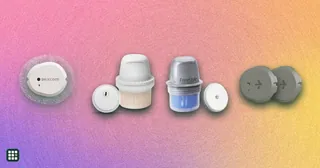 Continuous glucose monitors
 (CGMs) track glucose in fluid just under the skin and send readings to a phone, receiver, or connected insulin system. The choice depends on who the device is cleared for, how it displays and alerts, sensor wear time, pump compatibility, and recurring cost. OTC wellness sensors have narrower uses than prescription diabetes systems.
-
 Weight loss programs
 range from app-based habit coaching and points systems to meal replacement plans and telehealth clinics that prescribe GLP-1 medication. This grid compares seven US programs on what they cost per month, whether they provide food, medication or clinicians, and what kind of coaching you get.
-
 Protein powders
 differ in protein source, protein per scoop, sugar and sweeteners, third-party testing, and price per serving. This grid compares widely sold whey and plant-based powders from their official labels and stores, so you can find one that fits your diet, goals, and budget.
-
 Protein bars
 range from candy-bar-like snacks to lean, high-protein bars with almost no sugar. This grid compares widely sold US bars on protein, calories, sugar, sugar alcohols, sweeteners, and price per bar, using each brand's official label for one reference flavor.
-
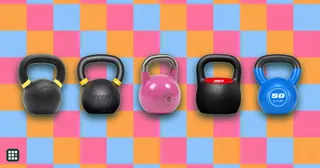 Kettlebells
 for swings, squats, presses, and get-ups at home: classic cast iron bells, competition bells that stay the same size at every weight, and adjustable kettlebells that replace a rack of bells. The choice comes down to how many weights you need, your budget per pound, and how the handle feels in your hands.