



Kettlebells
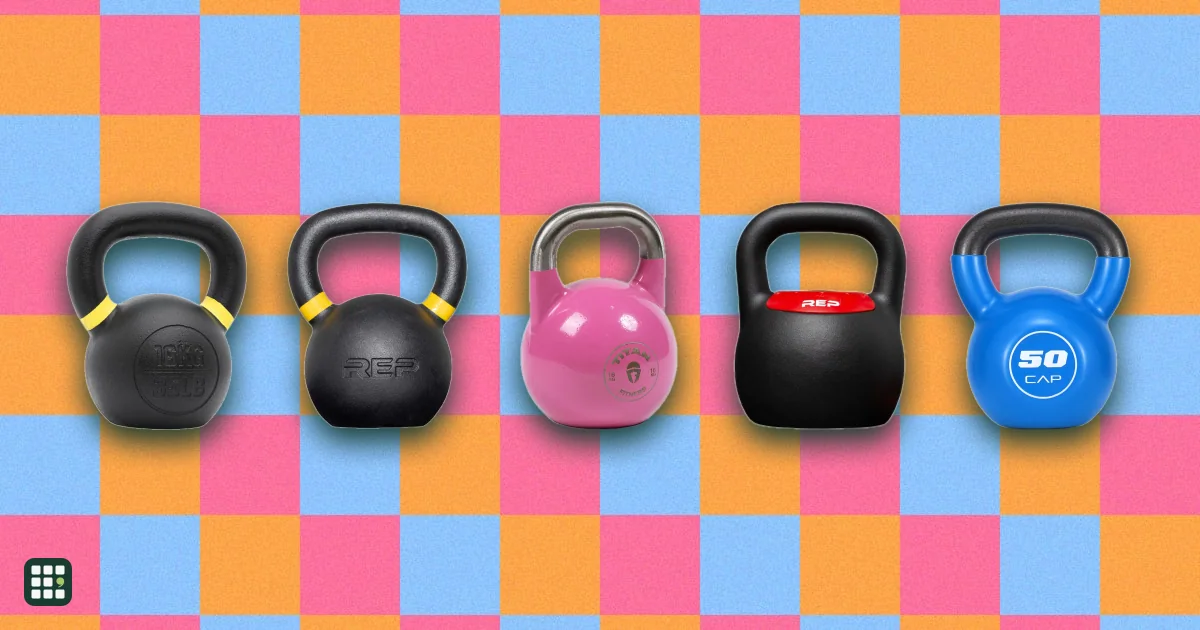
Kettlebells for swings, squats, presses, and get-ups at home: classic cast iron bells, competition bells that stay the same size at every weight, and adjustable kettlebells that replace a rack of bells. The choice comes down to how many weights you need, your budget per pound, and how the handle feels in your hands.
Last updated
How to choose
1. Pick a type
- Cast iron bells are the cheapest per pound and fine for most home training. Their size grows with the weight, so the handle and the way the bell sits on your forearm change between sizes.
- Competition bells are hollow steel and the same size at every weight, with a 33 mm handle. Technique carries over from bell to bell; they cost more.
- Adjustable kettlebells replace several bells with one handle and plates or a dial. They save space and money if you need many weights, but are bulkier at light settings and some rattle.
2. Choose your weights
Most programs use kilogram sizes: many women start with 8 to 12 kg and many men with 16 kg for swings, with a lighter bell for presses and get-ups. Check Lightest weight and Heaviest weight so the line covers where you start and where you want to go.
3. Check the handle and finish
A smooth, seamless handle matters more than anything else for swings and snatches. Powder coat holds chalk and grips well; glossy paint and vinyl get slippery. Thinner handles suit smaller hands.
4. Compare price per pound
Shipping heavy iron is expensive, so check delivery costs too. Price per pound here uses a 16 kg bell (or the maximum weight of an adjustable) so brands compare fairly.
5. Practical checks
- A flat base keeps the bell upright for storage and floor exercises.
- Cast-in or etched weight markings last longer than paint or stickers.
- Look for a warranty against cracks and casting flaws.
Answer
Browse the table. Filter to what matters.
Use the filters below, then sign in if you want to shortlist and decide with friends.
Sign in to vote, hide products and features, and reorder.
Verified: hover a cell and click its green dot for the source Estimate: no cited source Not stated: the maker doesn't publish it
| Feature | ⠿ | ⠿ | ⠿ | ⠿ | ⠿ | ⠿ | ⠿ | ⠿ | ⠿ |
|---|---|---|---|---|---|---|---|---|---|
|
⠿
Price 16 kg
|
$49.99
|
$149
|
|||||||
|
⠿
Price per pound
|
$2.27/lb
|
$2.27/lb
|
$2.41/lb
|
$1.43/lb
|
$3.63/lb
|
$3.12/lb
|
$4.25/lb
|
$3.19/lb
|
$3.73/lb
|
|
⠿
Type
|
|||||||||
|
⠿
Finish
|
Black gloss
|
||||||||
|
⠿
Lightest weight
|
10 lb
|
||||||||
|
⠿
Heaviest weight
|
50 lb
|
||||||||
|
⠿
Weight units
|
Pounds
|
||||||||
|
⠿
Handle diameter
|
33 mm
|
35 mm
|
35 mm
|
||||||
|
⠿
Handle finish
|
Smooth metal
|
||||||||
|
⠿
Flat base
|
|
|
|||||||
|
⠿
Same size every weight
|
|
|
|
|
|
||||
|
⠿
Color coded
|
|
|
|
|
|
|
|||
|
⠿
Weight markings
|
Kilograms and pounds
|
Kilograms
|
|||||||
|
⠿
Warranty
|
Lifetime
|
Why these features matter
-
Price 16 kg ($)
Comparing a common working size shows real cost; prices per size vary a lot between brands.
-
Price per pound ($/lb)
Kettlebells are mostly metal, so price per pound is the fairest way to compare value across brands and sizes.
-
Type
Cast iron bells are cheapest; competition bells keep the same size and handle at every weight, which helps technique; adjustable bells save space and money if you need many weights.
-
Finish
Powder coat gives a grippy, durable surface that holds chalk; glossy paint and vinyl get slippery when sweaty and chip.
-
Lightest weight (lb)
Beginners and smaller lifters need light starting sizes; not every line goes low.
-
Heaviest weight (lb)
Strong lifters need heavy bells to keep progressing; many lines stop around 32 to 48 kg.
-
Weight units
Kettlebell programs often use kilograms (8, 12, 16, 24, 32 kg); pound lines have different jumps.
-
Handle diameter (mm)
A thinner handle suits smaller hands and high-rep work; thick handles build grip but tire hands faster.
-
Handle finish
A smooth, even handle doesn't tear hands on swings and snatches; rough seams and glossy paint do.
-
Flat base
A flat base keeps the bell upright for storage, renegade rows, and push-ups.
-
Same size every weight
Same-size bells sit on the forearm the same way at every weight, so technique carries over as you get stronger.
-
Color coded
Color coding makes it quick to grab the right bell in a busy home gym.
-
Weight markings
Cast-in or etched markings last; paint and stickers wear off.
-
Warranty
A longer warranty covers cracks, casting flaws, and finish problems.
About the products
-
Rogue Kettlebell · Rogue Fitness
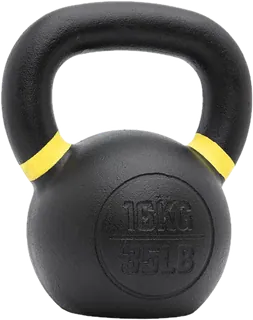
Rogue's single-cast ductile iron bell in a textured black powder coat, with color-coded handle stripes and a machined flat base. One of the widest ranges sold (9 to 203 lb), but the handle and body grow with the weight.
-
REP Kettlebell · REP Fitness
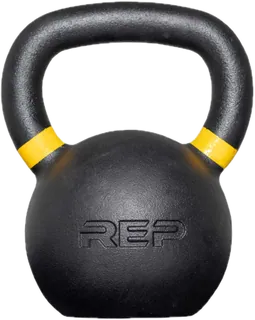
REP's gravity die-cast iron bells in kilogram sizes with a textured, chalk-friendly black coating, color-coded handles, and a flat base. About the same price per pound as Rogue's cast bell, with free shipping. A pound-sized line (5 to 50 lb) is also sold.
-
Cast Iron Kettlebell · Titan Fitness
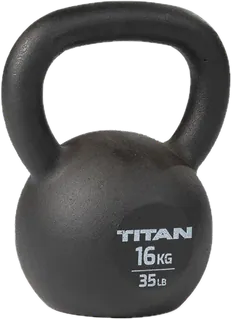
Titan's budget-friendly single-piece cast iron bell with a textured black powder coat, flat machined base, and kg and lb markings cast in. Often on sale below list; sizes run 4 to 32 kg, and the pound-sized line is mostly out of stock.
-
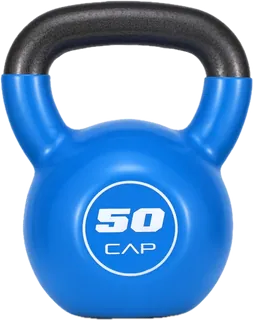
Vinyl Coated Cast Iron Kettlebell · CAP Barbell
The budget pick: cast iron dipped in floor-friendly vinyl, sold in pound sizes from 10 to 50 lb at about half the price per pound of powder-coated bells. Vinyl gets slippery and the handle is wide and painted, so it suits general fitness more than high-rep swings and snatches.
-
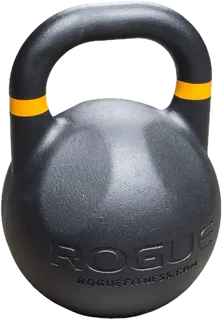
Competition Kettlebell · Rogue Fitness
Rogue's competition bell: every size from 8 to 48 kg has the same body, 5.5-inch base, and 33 mm handle, so technique carries over as you move up. Kilogram sizes only, and it costs well over the cast iron bell per pound.
-
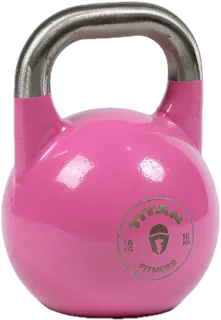
Competition Kettlebell · Titan Fitness
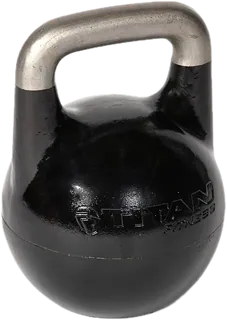
A lower-cost competition bell: hollow steel, color coded, and the same 8.3-inch body at every size from 8 to 32 kg. The polished handle is slick without chalk, and the range stops at 32 kg.
-
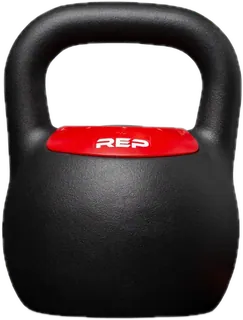
REP Adjustable Kettlebell · REP Fitness
One competition-shaped bell that adjusts in five steps by push-and-twist plates: 8 to 16 kg, 16 to 24 kg, or 20 to 40 lb versions. Replaces five bells in the space of one, with a rubber bottom; some owners report a slight clank at light settings.
-
Adjustable Competition Kettlebell (12 to 32 kg) · Titan Fitness
A competition-shaped 12 kg shell with six bolt-in cast iron plates that adjusts from 12 to 32 kg. Covers the heavier range most lifters progress through, but changing weight takes a hex key and wrench, so it is slow mid-workout.
-
SelectTech 840 Kettlebell · Bowflex
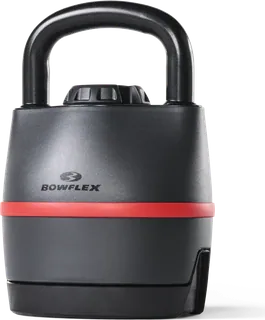
A dial-adjustable kettlebell: turn the knob in its base to pick one of six weights from 8 to 40 lb, replacing six bells. The plastic shell and thin handle feel less like a classic bell, it must not be dropped, and it is for home use only.
Suggest a change
Related comparisons
-
 Smith machines
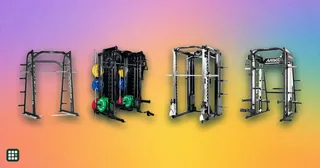
 guide a barbell on fixed rails so you can squat, press and lunge without a spotter. This grid compares stand-alone Smith machines, Smith machines with a half rack, and all-in-one racks with cables for home gyms, so you can see price, bar capacity, counterbalance, size and warranty side by side.
-
 Weight benches
Flat and adjustable weight benches for home and garage gyms, from a fixed competition-style platform to benches with incline and decline positions. Compare current price, adjustment range, rated load, pad size, bench height and weight before deciding how much versatility and floor space you need.
-
 Rowing machines
Home rowing machines compared: the Concept2 RowErg and WaterRower classics, smart rowers from Hydrow, Ergatta, Aviron, Peloton, Echelon and NordicTrack, and budget magnetic and water rowers from Sunny, Merach and others. They differ in how resistance feels and sounds, whether you need a monthly membership, how much space they take and how they store, and how well they fit tall or heavy rowers.
-
 Weight loss programs
 range from app-based habit coaching and points systems to meal replacement plans and telehealth clinics that prescribe GLP-1 medication. This grid compares seven US programs on what they cost per month, whether they provide food, medication or clinicians, and what kind of coaching you get.
-
 Protein powders
 differ in protein source, protein per scoop, sugar and sweeteners, third-party testing, and price per serving. This grid compares widely sold whey and plant-based powders from their official labels and stores, so you can find one that fits your diet, goals, and budget.
-
 Protein bars
 range from candy-bar-like snacks to lean, high-protein bars with almost no sugar. This grid compares widely sold US bars on protein, calories, sugar, sugar alcohols, sweeteners, and price per bar, using each brand's official label for one reference flavor.