



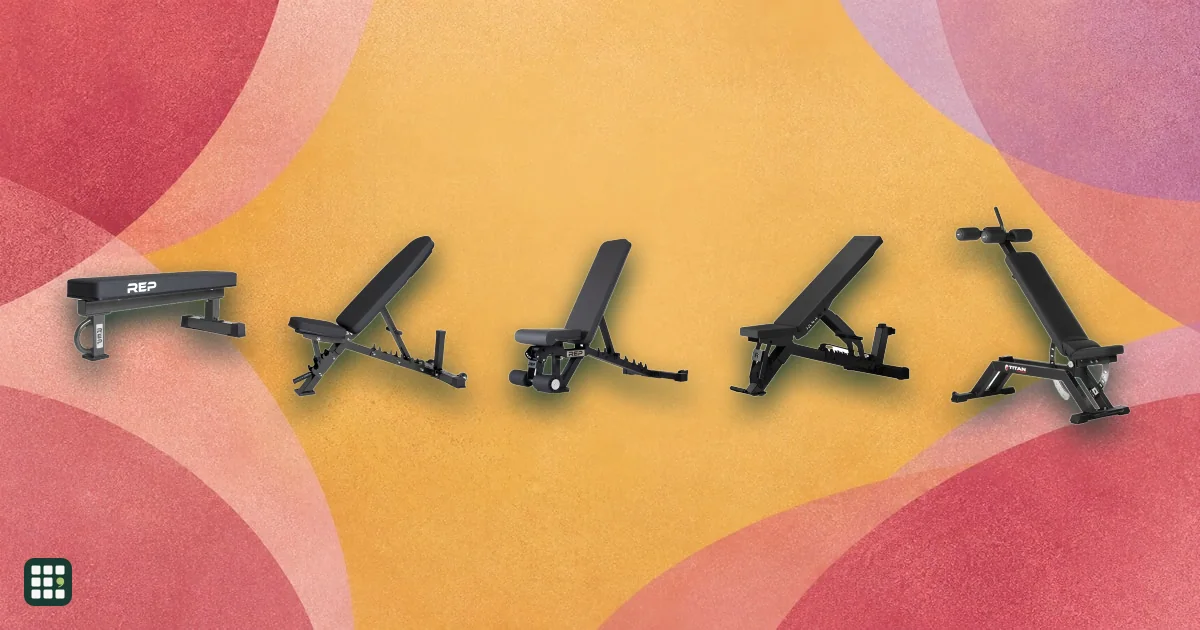
Weight benches
Flat and adjustable weight benches for home and garage gyms, from a fixed competition-style platform to benches with incline and decline positions. Compare current price, adjustment range, rated load, pad size, bench height and weight before deciding how much versatility and floor space you need.
Last updated
How to choose
Choose the bench type
A fixed flat bench is simple for flat presses and may fit a rack with less adjustment hardware. Adjustable benches add incline, upright or decline positions; check the listed angles and whether the seat moves separately.
Check capacity and fit
Read the maker’s definition of its load rating. Where a page says “user + load,” that includes your body weight and the weights you lift. Confirm the bench height works with your leg length and the pad supports your back without restricting shoulder movement.
Plan the space and cost
Compare pad dimensions and the assembled footprint, then check whether the bench stores upright or has wheels if you need to move it. Prices here are maker-listed US amounts before tax and shipping; promotions and shipping for heavy equipment can change the total.
Before you order
Check rack clearance, assembly requirements, warranty terms and the exact model in your cart. Use the current manufacturer manual and never exceed its stated load limit.
Answer
Browse the table. Filter to what matters.
Use the filters below, then sign in if you want to shortlist and decide with friends.
Sign in to vote, hide products and features, and reorder.
Verified: hover a cell and click its green dot for the source Estimate: no cited source Not stated: the maker doesn't publish it
| Feature | ⠿ | ⠿ | ⠿ | ⠿ | ⠿ | ⠿ | ⠿ |
|---|---|---|---|---|---|---|---|
|
⠿
Price per bench
|
|||||||
|
⠿
Design
|
|||||||
|
⠿
Backrest positions
|
1
|
||||||
|
⠿
Seat positions
|
|||||||
|
⠿
Rated total load
|
|||||||
|
⠿
Back pad dimensions
|
|||||||
|
⠿
Bench height
|
|||||||
|
⠿
Bench weight
|
|||||||
|
⠿
Footprint area
|
Why these features matter
-
Price per bench ($)
Price distinguishes a simple flat bench from a multi-angle setup and helps compare similar options.
-
Design
A fixed flat bench is simple; adjustable backs cover more pressing angles but need more space and moving parts.
-
Backrest positions
More angles can make one bench serve more exercises; check the actual angles included.
-
Seat positions
Seat adjustment helps position the body on incline and decline benches.
-
Rated total load (lb)
The rating must cover your body weight and the weight you lift within the maker’s stated limit.
-
Back pad dimensions
Pad width and length affect upper-body support and shoulder movement.
-
Bench height (in)
Height affects foot contact and leg drive; check it against your proportions and setup.
-
Bench weight (lb)
Weight affects how easy the bench is to reposition in a small room.
-
Footprint area (sq ft)
Shows how much floor space the bench occupies and helps compare home-gym fit.
About the products
-
REP FB-5000 Competition Flat Bench · REP Fitness
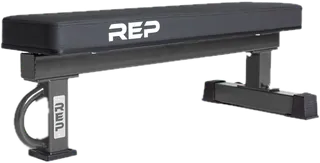
Fixed competition-style flat bench with a tripod base and a wide-pad option.
-
REP AB-3100 Adjustable Weight Bench · REP Fitness
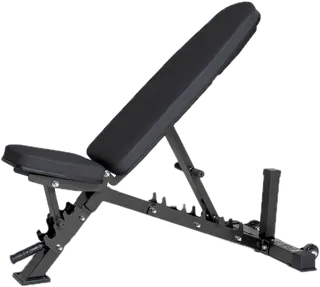
Flat-to-incline bench with a three-post base; no decline setting.
-
REP AB-3000 2.0 FID Adjustable Bench · REP Fitness
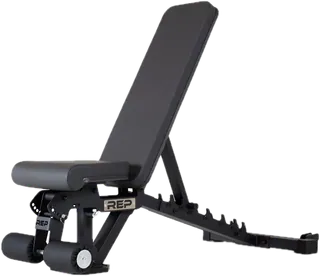
Flat, incline and decline bench with built-in leg rollers.
-
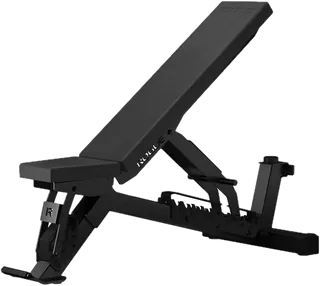
Rogue Adjustable Bench 3.0 · Rogue Fitness
Ten back angles, three seat settings and built-in vertical storage.
-
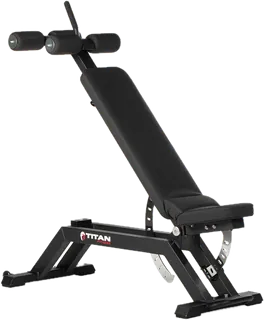
TITAN Series Adjustable FID Bench · Titan Fitness
Flat, incline, upright and decline settings with a removable foot-roller attachment.
-
Bells of Steel Commercial FID Bench · Bells of Steel
Commercial adjustable bench with decline leg rollers and seven back angles.
-
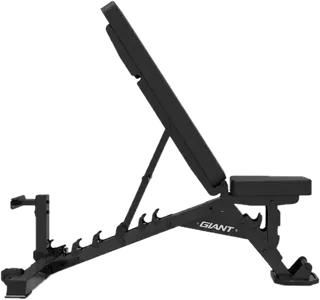
GIANT 2X Adjustable Bench · Giant
Compact three-post bench with seven back angles, three seat positions and vertical storage.
Suggest a change
Related comparisons
-
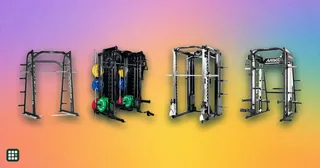 Smith machines
 guide a barbell on fixed rails so you can squat, press and lunge without a spotter. This grid compares stand-alone Smith machines, Smith machines with a half rack, and all-in-one racks with cables for home gyms, so you can see price, bar capacity, counterbalance, size and warranty side by side.
-
 Rowing machines
Home rowing machines compared: the Concept2 RowErg and WaterRower classics, smart rowers from Hydrow, Ergatta, Aviron, Peloton, Echelon and NordicTrack, and budget magnetic and water rowers from Sunny, Merach and others. They differ in how resistance feels and sounds, whether you need a monthly membership, how much space they take and how they store, and how well they fit tall or heavy rowers.
-
 Kettlebells
 for swings, squats, presses, and get-ups at home: classic cast iron bells, competition bells that stay the same size at every weight, and adjustable kettlebells that replace a rack of bells. The choice comes down to how many weights you need, your budget per pound, and how the handle feels in your hands.
-
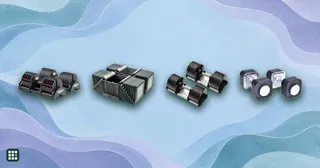 Adjustable dumbbells
 pack a rack of fixed weights into one pair. The choice comes down to how heavy you need to go, how fast and in what steps the weight changes, how long the bells are in your hands, and whether they survive a drop. Plate-loaded and pin designs trade speed for toughness; dials and twist handles change in seconds but don't like being dropped.
-
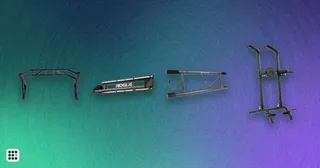 Pull-up bars
 for home training, from no-drill doorway bars for renters to permanent wall and ceiling bars and freestanding power towers. Compare price, how each one is mounted, rated capacity, grips and what it adds, so you pick the one your space and budget can actually hold.
-
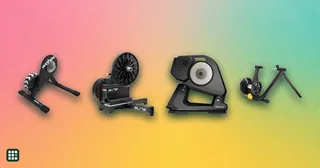 Indoor bike trainers
 turn your own bike into a stationary trainer for winter, bad weather or structured workouts. The big choices are direct drive versus wheel-on or rollers, smart (app-controlled resistance) versus classic, and how much realism, quietness and accuracy you want to pay for. This grid compares current models on bike fit, resistance, noise, app connectivity and full cost.