



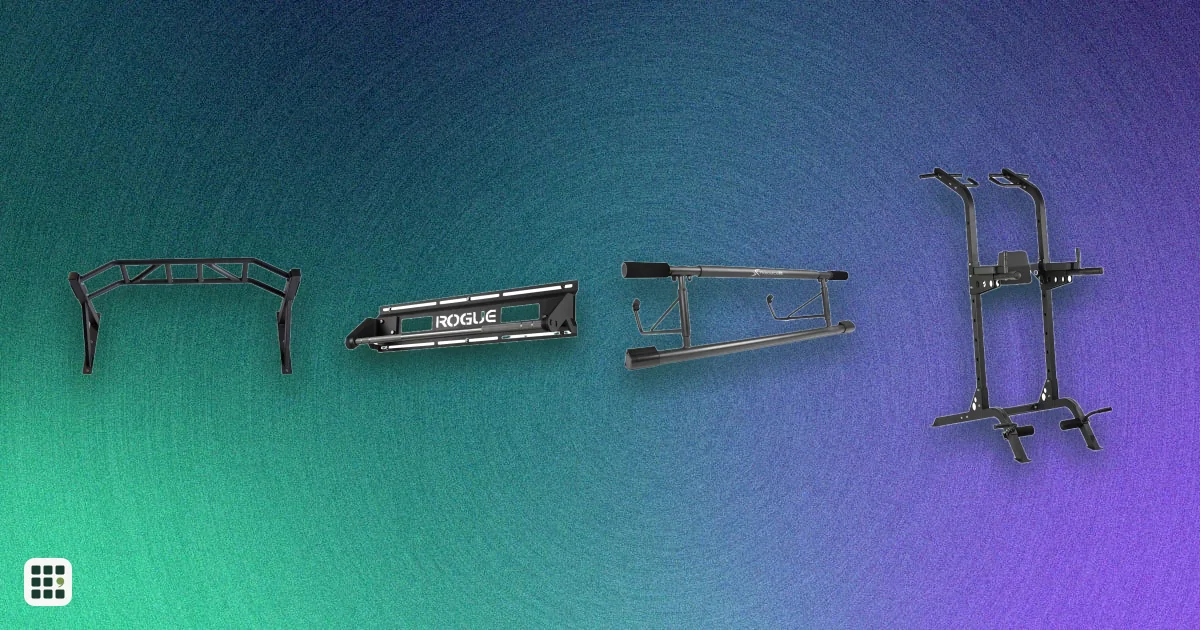
Pull-up bars
Pull-up bars for home training, from no-drill doorway bars for renters to permanent wall and ceiling bars and freestanding power towers. Compare price, how each one is mounted, rated capacity, grips and what it adds, so you pick the one your space and budget can actually hold.
Last updated
How to choose
Start with where it can go
Renters and anyone who cannot drill need a doorway or freestanding bar. Wall and ceiling bars are the strongest and leave doorways free, but they must be fastened into studs, joists or concrete. Check what your wall is made of before you choose.
Check the rating and how it is measured
Look at the maker's weight capacity and read the fine print: several wall bars are rated only when installed to the maker's directions. Doorway bars lean on your door frame, so their ratings and door-width ranges matter more. A bar with no stated rating tells you less than one with a number.
Match the grips to your body
A single straight bar is simple and cheaper. Multi-grip bars add neutral and angled positions that are easier on the wrists and shoulders and let you train more muscles. Wider bars give room for wide grips and kipping.
Think about space, setup and extras
Doorway bars need an opening that matches their range, and can mark trim. Towers take floor space but add dips and knee raises. Look at whether mounting hardware is in the box and what the warranty covers.
Before you order
Measure your door frame or locate your studs, check ceiling height for the full pull, and buy hardware rated for your wall type.
Answer
Browse the table. Filter to what matters.
Use the filters below, then sign in if you want to shortlist and decide with friends.
Sign in to vote, hide products and features, and reorder.
Verified: hover a cell and click its green dot for the source Estimate: no cited source Not stated: the maker doesn't publish it
| Feature | ⠿ | ⠿ | ⠿ | ⠿ | ⠿ | ⠿ | ⠿ | ⠿ | ⠿ | ⠿ | ⠿ | ⠿ |
|---|---|---|---|---|---|---|---|---|---|---|---|---|
|
⠿
Price
|
||||||||||||
|
⠿
Mount type
|
||||||||||||
|
⠿
Installs without drilling
|
|
|
|
|
|
|
|
|
||||
|
⠿
Weight capacity
|
||||||||||||
|
⠿
Bar diameter
|
||||||||||||
|
⠿
Width
|
30 in
|
|||||||||||
|
⠿
Grip positions
|
Single straight bar
|
Single straight bar
|
Single straight bar
|
Single straight bar
|
Straight bar, upper and lower hand positions
|
Multi-grip
|
||||||
|
⠿
Grip surface
|
||||||||||||
|
⠿
Dip station
|
|
|
|
|
|
|
|
|
|
|||
|
⠿
Product weight
|
||||||||||||
|
⠿
Narrowest doorway fit
|
Doesn't apply
|
Doesn't apply
|
Doesn't apply
|
Doesn't apply
|
Doesn't apply
|
Doesn't apply
|
Doesn't apply
|
Doesn't apply
|
Doesn't apply
|
|||
|
⠿
Widest doorway fit
|
Doesn't apply
|
Doesn't apply
|
Doesn't apply
|
Doesn't apply
|
Doesn't apply
|
Doesn't apply
|
Doesn't apply
|
Doesn't apply
|
Doesn't apply
|
|||
|
⠿
Warranty
|
Lifetime on structural welds
|
Lifetime on structural welds
|
Limited lifetime on frames
|
|||||||||
|
⠿
Mounting hardware included
|
Doesn't apply
|
Doesn't apply
|
Doesn't apply
|
Doesn't apply
|
Doesn't apply
|
Why these features matter
-
Price ($)
A doorway bar costs a fraction of a power tower. A wall or ceiling bar sits between them, but also needs hardware, tools and a safe place to drill.
-
Mount type
This decides who can use it. Renters need a doorway or freestanding bar; wall and ceiling bars are the strongest but need studs or joists.
-
Installs without drilling
No-drill bars are the only option for most renters and can move with you, but they carry less weight and are not designed for kipping.
-
Weight capacity (lb)
Pull-ups put more than body weight on the bar, especially with added weight or kipping. A higher rating means more margin, but only when the bar is installed to the maker's directions.
-
Bar diameter (in)
A 1 to 1.25 in bar is standard. A thicker bar is harder on the grip; a thinner one is easier to hold but can feel harsh with heavy reps.
-
Width (in)
A wider bar allows a wider grip and more room for kipping and side-to-side movement, and needs a wider wall or doorway.
-
Grip positions
Multi-grip bars let you train the same muscles differently and are easier on the wrists and shoulders; a single straight bar is simpler and cheaper.
- Neutral grip
- : Palms face each other, which is easier on wrists and shoulders. Worth having if overhand or underhand grips bother your joints.
- Wide grip
- : A hand spacing wider than the shoulders that shifts work toward the upper back. A single long straight bar gives it, but fixed handles may not.
-
Grip surface
Knurling and textured coats grip well but can be rough; foam and rubber are comfortable but wear; a smooth bar needs chalk if your hands sweat.
- Knurled
- : A cross-hatched texture cut into the metal. Holds well and wears gloves less than bare skin, but can feel rough on high-rep days.
-
Dip station
Dips are the main upper-body push exercise that pairs with pull-ups; only freestanding towers (and one doorway bar) offer them.
-
Product weight (lb)
A light bar is easy to take down and carry; a heavy one is built to stay put.
-
Narrowest doorway fit (in)
Measure the doorway before buying; a bar that does not span it cannot be used.
-
Widest doorway fit (in)
Older and wider doorways can fall outside the standard range; a wider fit gives more choice of door.
-
Warranty
A longer warranty shows how much the maker stands behind the structure, which matters for something you hang your body weight from.
-
Mounting hardware included
Missing hardware means a trip to buy the right lags or anchors for your wall type, and a wrong choice is a safety risk.
About the products
-
Wall-Mounted Multi-Grip Pull-Up Bar · REP Fitness
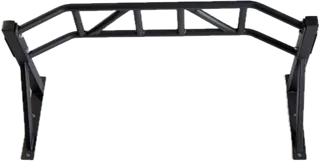
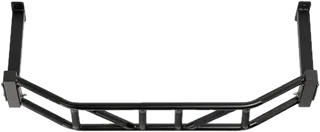
Permanent wall-mounted steel bar with traditional, neutral, close, wide and angled grips and a 700 lb rating. Can be mounted normally or inverted for more ceiling room.
-
Wall or Ceiling Mount Pull-Up Bar · REP Fitness
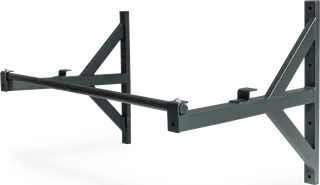
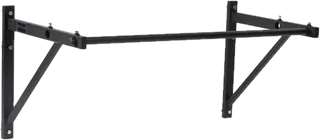
Single straight bar that mounts to wall or ceiling studs, with two mounting depths (14 or 26 in) and mounting hardware included. Leaves room for kipping when mounted properly.
-
Wall-Mounted Pull-Up Bar · Titan Fitness
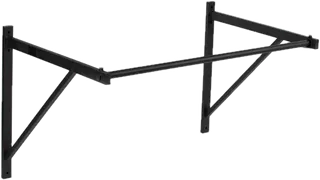
Straight 11-gauge steel bar for studs or concrete, adjustable to 16, 32 or 52 in widths. Mounting hardware is not included.
-
Adjustable Depth Wall Mounted Pull-Up Bar · Titan Fitness
Wall bar that mounts 14 or 22 in from the wall, with hardware included. Lower 400 lb rating than the other Titan wall bars.
-
Ceiling Mounted Multi-Grip Pull-Up Bar · Titan Fitness
Ceiling-mounted multi-grip bar with knurled handles in wide, narrow, angled and neutral positions; expansion bolts included. No capacity rating is listed.
-
48 inch Wall Mounted Multi Pull-Up Bar · Titan Fitness
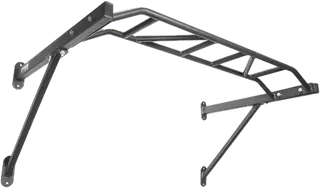
Wide wall-mounted bar with eight bars for many grip positions and a 600 lb capacity; Titan recommends mounting to studs or wood stringers.
-
Jammer Pull-Up Bar · Rogue Fitness
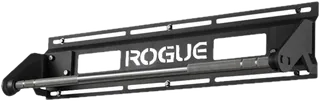
Made-in-USA bar that mounts above a doorway frame on a wood stud wall, with a 43 in stringer and 1.125 in bar in knurled or smooth finish. Lags for wood studs are included; no rating is listed.
-
FP-2 Doorway Pull-Up Bar · FitBar
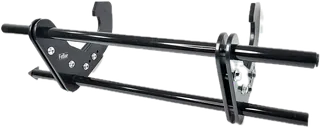
Made-in-USA doorway bar with two rubber-coated bars (narrow and wide), rubber pads that avoid marks on door trim, and a 230 lb user capacity. Sits high, so legs do not need to bend.
-
Foldable Doorway Pull-Up Bar · ProsourceFit
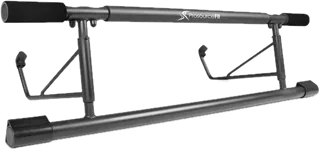
Light, foldable no-screw doorway bar with foam grips for wider doorways (27 to 36.5 in) and a 440 lb rating. Listed as backordered when checked.
-
Doorway Pull-Up Bar · DMoose
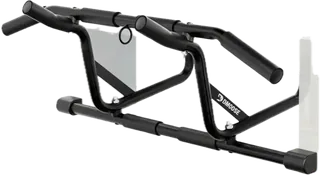
Tool-free, no-drill doorway bar with four padded grip positions, an anchor eyelet for bands, and a 400 lb rating; frames 24 to 32 in wide.
-
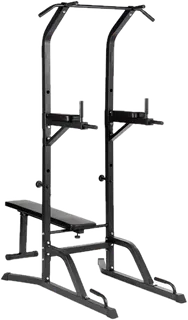
Heavy-Duty Power Tower · Titan Fitness
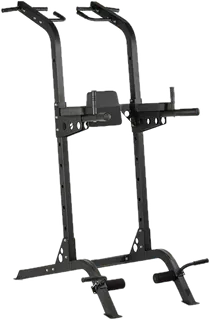
Freestanding 83.5 in tower with a multi-grip pull-up station, dip bars, a vertical knee raise station and a push-up station. For renters or anyone who cannot drill.
-
Power Tower with Bench · Titan Fitness
Freestanding tower that adds a foldable flat bench to the pull-up, dip, knee raise and push-up stations; rated 350 lb.
Suggest a change
Related comparisons
-
 Adjustable dumbbells
 pack a rack of fixed weights into one pair. The choice comes down to how heavy you need to go, how fast and in what steps the weight changes, how long the bells are in your hands, and whether they survive a drop. Plate-loaded and pin designs trade speed for toughness; dials and twist handles change in seconds but don't like being dropped.
-
 Smith machines
 guide a barbell on fixed rails so you can squat, press and lunge without a spotter. This grid compares stand-alone Smith machines, Smith machines with a half rack, and all-in-one racks with cables for home gyms, so you can see price, bar capacity, counterbalance, size and warranty side by side.
-
 Weight benches
Flat and adjustable weight benches for home and garage gyms, from a fixed competition-style platform to benches with incline and decline positions. Compare current price, adjustment range, rated load, pad size, bench height and weight before deciding how much versatility and floor space you need.
-
 Indoor bike trainers
 turn your own bike into a stationary trainer for winter, bad weather or structured workouts. The big choices are direct drive versus wheel-on or rollers, smart (app-controlled resistance) versus classic, and how much realism, quietness and accuracy you want to pay for. This grid compares current models on bike fit, resistance, noise, app connectivity and full cost.
-
 Treadmills
Compare home treadmills side by side: motor power, top speed, incline and decline, deck size, user weight limit, folding, screen, subscription and warranty. The main choices are how hard you will use it (walking or running), how much space you have, and whether you want built-in classes or a simple machine that works with any app.
-
 Rowing machines
Home rowing machines compared: the Concept2 RowErg and WaterRower classics, smart rowers from Hydrow, Ergatta, Aviron, Peloton, Echelon and NordicTrack, and budget magnetic and water rowers from Sunny, Merach and others. They differ in how resistance feels and sounds, whether you need a monthly membership, how much space they take and how they store, and how well they fit tall or heavy rowers.