



Treadmills
Compare home treadmills side by side: motor power, top speed, incline and decline, deck size, user weight limit, folding, screen, subscription and warranty. The main choices are how hard you will use it (walking or running), how much space you have, and whether you want built-in classes or a simple machine that works with any app.
Last updated
How to choose
Start with how you will use it
Walkers and casual joggers can choose a smaller folding treadmill with about a 2.5 CHP motor and a 55 in deck. Regular runners should look for 3 CHP or more, a 60 in by 22 in deck, a cushioned deck and a higher user weight rating. Hikers and walkers who want a hard workout without running should look at incline trainers.
Measure your space
- Check the footprint, and leave about 2 ft on each side and 6.5 ft behind.
- Check ceiling height: add the deck height at full incline to your height plus a few inches of bounce.
- Folding saves floor space but heavier folding models still take effort to lift; check the folded size too.
- Treadmills weigh 200 to 450 lb, so plan delivery to upstairs rooms.
Decide on screens and subscriptions
Big touchscreens stream classes and some adjust speed and incline for you, but they usually need a monthly membership. Check whether the treadmill still runs manual workouts without it, and whether it connects to third-party apps such as Zwift or Kinomap. A basic console with a tablet holder keeps your options open.
Compare the specs that matter
- Motor: compare continuous horsepower (CHP), not peak.
- Deck: width and length matter more than top speed for most people.
- Incline and decline: 10 to 15% incline is plenty for most; decline helps trail runners.
- User weight: stay comfortably below the rating.
Count the full cost
Add delivery and assembly, a mat, and any subscription (often $15 to $44 a month). Read the warranty line by line: a lifetime frame warranty means little if parts and labor are covered for only a year.
Before you buy
Check the return window and any restocking or return freight fees, which can be large for something this heavy. If you can, walk and jog on the model in a store to judge noise, stability and cushioning.
Answer
Browse the table. Filter to what matters.
Use the filters below, then sign in if you want to shortlist and decide with friends.
Sign in to vote, hide products and features, and reorder.
Verified: hover a cell and click its green dot for the source Estimate: no cited source
| Feature | ⠿ | ⠿ | ⠿ | ⠿ | ⠿ | ⠿ | ⠿ | ⠿ | ⠿ | ⠿ | ⠿ | ⠿ | ⠿ | ⠿ | ⠿ | ⠿ | ⠿ |
|---|---|---|---|---|---|---|---|---|---|---|---|---|---|---|---|---|---|
|
⠿
Price
|
|||||||||||||||||
|
⠿
Type
|
Non-folding
|
Non-folding
|
|||||||||||||||
|
⠿
Motor
|
2.75 CHP
|
||||||||||||||||
|
⠿
Top speed
|
Doesn't apply
|
||||||||||||||||
|
⠿
Max incline
|
0%
|
||||||||||||||||
|
⠿
Max decline
|
0%
|
0%
|
0%
|
0%
|
0%
|
0%
|
0%
|
0%
|
0%
|
0%
|
0%
|
0%
|
0%
|
0%
|
|||
|
⠿
Deck width
|
|||||||||||||||||
|
⠿
Deck length
|
|||||||||||||||||
|
⠿
Max user weight
|
|||||||||||||||||
|
⠿
Treadmill weight
|
|||||||||||||||||
|
⠿
Footprint
|
|||||||||||||||||
|
⠿
Screen
|
|||||||||||||||||
|
⠿
Subscription
|
None (free atZone app)
|
None (free atZone app)
|
None (free atZone app)
|
Peloton All-Access, $44/month
|
Peloton All-Access, $44/month
|
||||||||||||
|
⠿
Usable without subscription
|
|
|
|
|
|
|
|
|
|
|
|||||||
|
⠿
Third party apps
|
|
|
|
|
|
||||||||||||
|
⠿
Motor warranty
|
No motor
|
3 years
|
|||||||||||||||
|
⠿
Parts warranty
|
3 years
|
3 years
|
|||||||||||||||
|
⠿
Labor warranty
|
0.25 years
|
1 years
|
1 years
|
Why these features matter
-
Price ($)
Home treadmills run from about $700 to over $6,000. Bigger motors, decks and screens cost more; delivery and assembly can add $200 or more.
-
Type
Folding models save floor space; non-folding frames feel steadier for running. Incline trainers suit hikers and walkers; manual curved treadmills suit sprint and interval training.
-
Motor (CHP)
Walkers are fine with about 2.5 CHP; regular runners and heavier users should look for 3 CHP or more, which runs cooler and lasts longer.
-
Top speed (mph)
10 mph (a 6-minute mile) covers almost every home runner; 12 mph matters only for sprint work.
-
Max incline (%)
Incline walking burns more calories with less impact. 10 to 15% suits most people; incline trainers reach 30 to 40% for steep hiking workouts.
-
Max decline (%)
Decline trains downhill running and trail descents. Most people never use it, but trail runners and hikers often do.
-
Deck width (in)
20 in is the minimum for comfort; 22 in gives more room for wider strides and fewer missteps.
-
Deck length (in)
Runners, especially tall ones, want 60 in; 55 in is enough for walking and jogging.
-
Max user weight (lb)
Stay well under the limit for a longer-lasting machine. Higher ratings usually mean a sturdier frame.
-
Treadmill weight (lb)
Heavy machines feel more stable but are harder to move and may need help or professional delivery to reach an upstairs room.
-
Footprint
Leave about 2 ft clear on each side and 6.5 ft behind the treadmill for safety, and check ceiling height: you rise with the deck and incline.
-
Screen (in)
A big touchscreen streams classes but ties you to the maker's app; a simple console with a tablet holder lets you use any app.
-
Subscription
Class subscriptions add $15 to $44 a month, often more than the treadmill over a few years. Check what the treadmill does without one.
-
Usable without subscription
Some screen-first treadmills lock most features behind the membership. If you might cancel, make sure the basics still work.
-
Third party apps
Open connectivity lets you use cheaper or free apps instead of the maker's subscription.
-
Motor warranty (years)
Long motor and frame warranties signal a sturdier build. Look at parts and labor too: those are the repairs you are most likely to need.
-
Parts warranty (years)
Parts coverage is the most useful warranty line: consoles and belts fail far more often than frames.
-
Labor warranty (years)
Without labor coverage you pay a technician yourself, often $100 to $200 a visit.
About the products
-
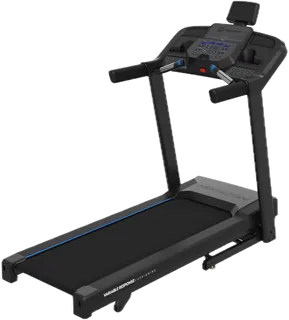
T101 · Horizon Fitness
Horizon's entry folding treadmill for walkers and light joggers: 20 x 55 in deck, 10 mph and 10% incline, Bluetooth for Zwift, Peloton and other apps. Small deck and short parts warranty for runners. On sale for $699 (Oct 2026).
-
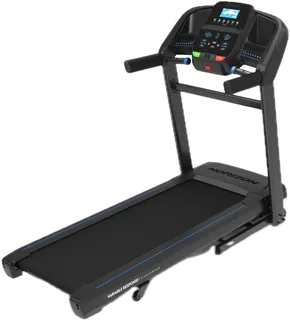
T202 · Horizon Fitness
A budget folding treadmill with a full 60 in deck and 12 mph top speed, plus a tablet holder and Bluetooth app support instead of a subscription screen. Only 1 year of parts and labor coverage. On sale for $899 (Oct 2026).
-
7.0 AT · Horizon Fitness
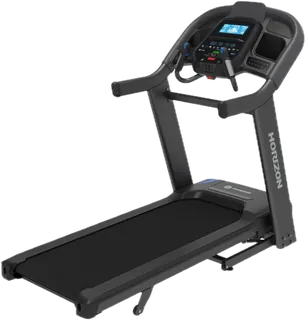
A popular folding runner's treadmill with quick-dial speed and incline, 12 mph, 15% incline and open app support (Zwift, Kinomap, Peloton app). Deck is 20 in wide. Often discounted heavily (on sale for $1,099 in Oct 2026).
-
7.4 AT · Horizon Fitness
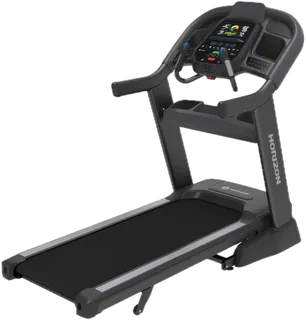
Steps up to a 22 x 60 in deck, a sturdier frame, 350 lb rating and longer warranty (5 years parts, 2 years labor), still with no subscription needed. On sale for $1,799 (Oct 2026).
-
7.8 AT · Horizon Fitness
Horizon's top folding treadmill: thicker belt, aluminum side rails, 375 lb rating and a color screen, with open app support rather than a paid service. On sale for $1,999 (Oct 2026).
-
F63 · Sole Fitness
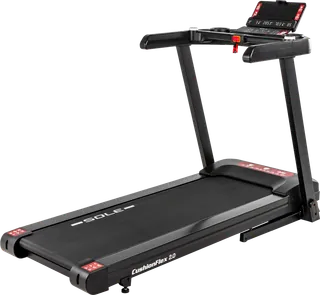
Sole's best-selling budget folding treadmill: 3.0 HP motor, 20 x 60 in deck, 12 mph and 15% incline, with a simple LED console, tablet holder and no subscription. On sale for $1,099.99 (Oct 2026).
-
F80 · Sole Fitness
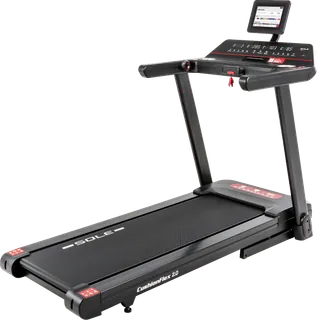
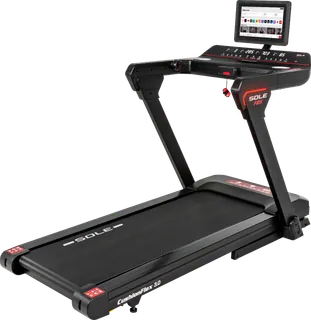
A sturdier folding treadmill with a 3.25 HP motor, 350 lb rating and a 10.1 in touchscreen running Sole's free app, with no monthly fee. On sale for $1,499.99 (Oct 2026).
-
F85 · Sole Fitness
Sole's top folding treadmill: 3.5 HP, a wide 22 x 60 in deck and a 15.6 in touchscreen with the free Sole+ app. Heavy at 250 lb. On sale for $2,099.99 (Oct 2026).
-
TT8 · Sole Fitness
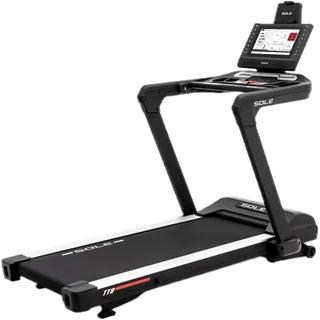
A non-folding, near-commercial treadmill with a 4.0 HP motor, decline as well as incline, a reversible deck and a 400 lb rating. Big and heavy (319 lb), with no subscription.
-
C80 · Sole Fitness
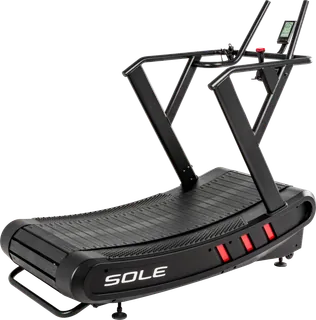
A manual curved treadmill: you power the slat belt yourself, so speed has no limit and it needs no outlet. Great for sprints and HIIT, tiring for long walks. On sale for $2,199.99 (Oct 2026).
-
Tread Vision · Peloton
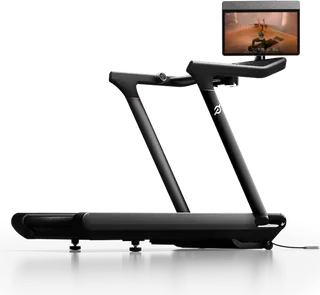
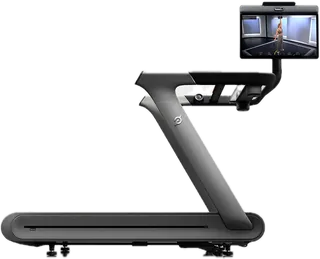
Peloton's main treadmill: a 23.8 in swivel touchscreen for its live and on-demand runs, speed and incline knobs on the rails, and a compact non-folding footprint. Most features need the Peloton All-Access Membership.
-
Tread+ Vision · Peloton
Peloton's premium slat-belt treadmill with a longer 67 in running space, 15% incline and a free mode for self-powered running. Very heavy (460 lb) and expensive; most features need the All-Access Membership.
-
T9 · Bowflex
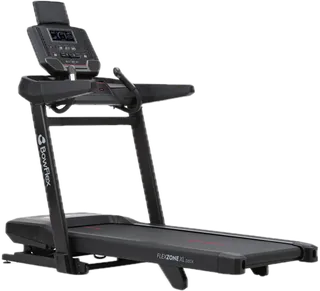
A folding treadmill with a wide 22 x 60 in deck, 350 lb rating and a simple LCD console; it works with JRNY, Peloton, Kinomap and Zwift on your own device, with no subscription required. On sale for $1,499 (Oct 2026).
-
T16 · Bowflex
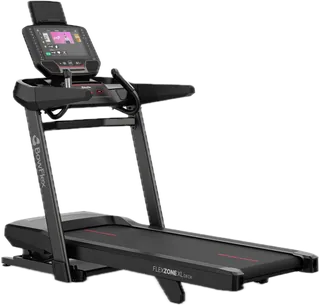
Bowflex's top folding treadmill with a 16 in HD touchscreen that also streams Netflix and other apps, a 22 x 60 in deck and 375 lb rating. JRNY is optional. On sale for $1,999 (Oct 2026).
-
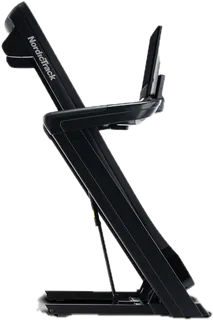
T Series 16 · NordicTrack
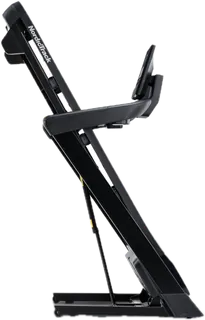
NordicTrack's entry folding treadmill with a 16 in tilting touchscreen for iFIT classes and auto-adjusting workouts. Most screen features need iFIT ($39/month after the first month), and the motor warranty is only 2 years. On sale for $1,699.99 (Oct 2026).
-
Commercial 2450 · NordicTrack
A powerful folding treadmill with a 4.25 CHP motor, 14 mph, -3% to 12% incline and a 24 in pivoting touchscreen. Built around iFIT ($39/month). On sale for $2,299.99 (Oct 2026).
-
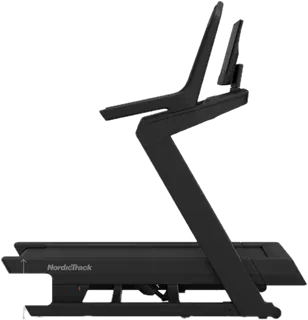
X24 · NordicTrack
An incline trainer that climbs to 40% and declines to -6%, with a 24 in pivoting touchscreen: ideal for steep hiking workouts. Non-folding, very heavy, and built around iFIT ($39/month). On sale for $2,999.99 (Oct 2026).
Suggest a change
Related comparisons
-
 Indoor bike trainers
 turn your own bike into a stationary trainer for winter, bad weather or structured workouts. The big choices are direct drive versus wheel-on or rollers, smart (app-controlled resistance) versus classic, and how much realism, quietness and accuracy you want to pay for. This grid compares current models on bike fit, resistance, noise, app connectivity and full cost.
-
 Trail running shoes
Compare 18 trail running shoes from HOKA, Altra, Brooks, La Sportiva, Merrell, New Balance, Nike, On, Salomon, Saucony and adidas, from $145 to $225 in the US. The big trade-offs are cushioning versus ground feel, grip versus road comfort, and drop. Weight, stack height, drop and lug depth are lab measurements from RunRepeat, so the numbers compare like for like rather than relying on each brand's own claims.
-
 Open-ear headphones
 sit near your ears instead of blocking them, so you hear traffic, coworkers and music at once. They suit runners, cyclists and office workers. The trade-offs are bass, sound leakage and battery life.
-
 GPS running watches
 track pace, distance and heart rate without a phone, and the better ones add training guidance, maps and music. This grid compares current models from Garmin, COROS, Suunto, Polar, Apple, Samsung and Amazfit, from about $200 entry watches to $1,000+ adventure flagships. The real trade-offs are battery life against a bright AMOLED screen, accurate multi-band GPS, offline maps, and how much training analysis you will actually use.
-
 Rowing machines
Home rowing machines compared: the Concept2 RowErg and WaterRower classics, smart rowers from Hydrow, Ergatta, Aviron, Peloton, Echelon and NordicTrack, and budget magnetic and water rowers from Sunny, Merach and others. They differ in how resistance feels and sounds, whether you need a monthly membership, how much space they take and how they store, and how well they fit tall or heavy rowers.
-
 Hydration packs
Compare running hydration vests and compact packs by gear capacity, dry weight, included bottles or bladder, and list price.