



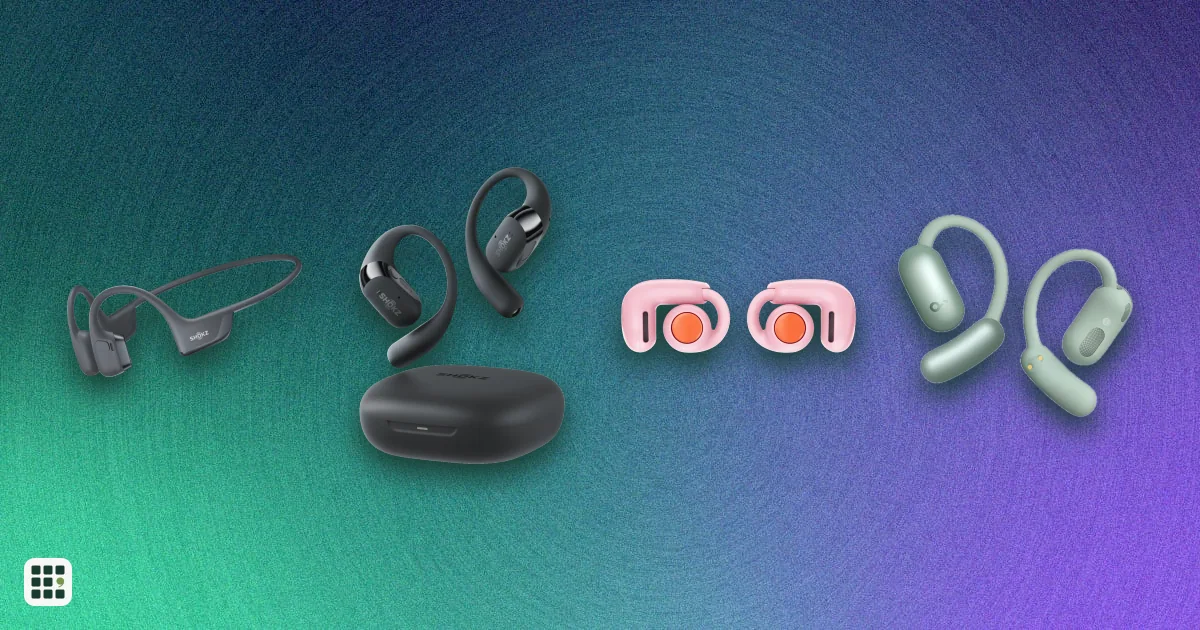
Open-ear headphones
Open-ear headphones sit near your ears instead of blocking them, so you hear traffic, coworkers and music at once. They suit runners, cyclists and office workers. The trade-offs are bass, sound leakage and battery life.
Last updated
How to choose
Start with how you will use them.
Pick a sound type
- Bone conduction bands leave your ears completely clear and are the usual running pick.
- Air conduction earbuds sound fuller and are easier to pocket, but leak a little more at high volume.
Check the practical features
- Battery life, and whether a case extends it.
- Water resistance: IP55 or IPX4 is fine for sweat and rain, but not for swimming.
- Multipoint if you switch between phone and laptop.
- Call microphones if you take calls outdoors.
Watch the cost
Prices run from under $100 to about $300. Open-ear designs trade bass and noise isolation for awareness; if you need quiet, choose noise-canceling headphones instead.
Answer
Browse the table. Filter to what matters.
Use the filters below, then sign in if you want to shortlist and decide with friends.
Sign in to vote, hide products and features, and reorder.
Verified: hover a cell and click its green dot for the source Estimate: no cited source
| Feature | ⠿ | ⠿ | ⠿ | ⠿ | ⠿ | ⠿ | ⠿ | ⠿ |
|---|---|---|---|---|---|---|---|---|
|
⠿
Price
|
||||||||
|
⠿
Sound technology
|
Air conduction
|
Air conduction
|
||||||
|
⠿
Wear style
|
Behind-the-neck band
|
Ear hook earbuds
|
||||||
|
⠿
Battery life
|
||||||||
|
⠿
Battery with case
|
Doesn't apply
|
Doesn't apply
|
||||||
|
⠿
Water resistance
|
||||||||
|
⠿
Weight
|
||||||||
|
⠿
Multipoint
|
||||||||
|
⠿
Call microphones
|
Built-in mics, count not stated
|
|||||||
|
⠿
Release year
|



Why these features matter
-
Price ($)
Open-ear models run from under $100 to about $300; extra money buys battery, a case or sound polish more than basic function.
-
Sound technology
Bone conduction leaves ears fully open but bass is weaker; air-conduction sounds fuller but leaks more at volume.
-
Wear style
A band feels secure for running; ear hooks and clips are lighter and pocketable but can shift on a hard run.
-
Battery life (hr)
Decides whether it lasts a long run or workday between charges.
-
Battery with case (hr)
A case adds days of use before you need an outlet; bands without one rely on a single charge.
-
Water resistance
Sweat and rain are the real threats; IP55 or IPX4 handles both but none of these are for swimming.
-
Weight (g)
Lighter feels better for hours of wear; heavier bands can be more stable when running.
-
Multipoint
Lets you switch between a phone and laptop without re-pairing.
-
Call microphones
More mics with noise reduction help on windy streets; open designs are harder for call audio.
-
Release year
Newer models usually have newer Bluetooth and better battery; older ones are often cheaper.
About the products
-
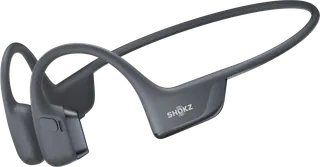
OpenRun Pro 2 · Shokz
Flagship bone-conduction neckband for runners who want ears fully open to traffic; adds an air-conduction bass driver. Pricier than the budget band and has no charging case.
-
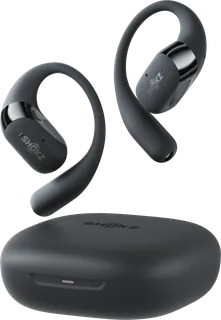
OpenFit 2 · Shokz
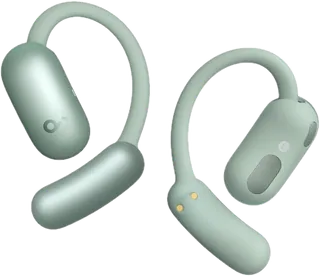
Ear-hook air-conduction earbuds with a charging case, two mics per bud and multipoint pairing. Good all-rounder for workouts and office calls.
-
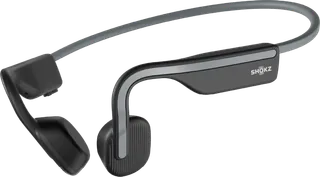
OpenMove · Shokz
Budget bone-conduction neckband, the cheapest way to try open-ear listening. Shorter battery and an older Bluetooth version than the flagship.
-
OpenDots One · Shokz
Clip-on open earbuds that grip the ear like an earring; very light with a long case battery. The priciest option here.
-
Ultra Open Earbuds (2nd Gen) · Bose
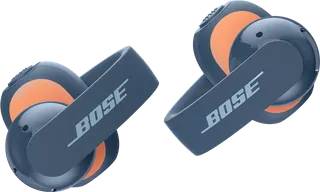
Cuff-style open earbuds with Bose Immersive Audio and now wireless charging. Premium price.
-
LinkBuds Open · Sony
Ring-driver open earbuds, the lightest here at about 5 g each; multipoint and call features, shorter case battery.
-
AeroFit 2 · soundcore
Affordable ear-hook open earbuds with wireless charging, 42-hour case battery, LDAC and four call mics; the best value of the group.
-
Sport Open Earbuds · Bose
Bose open-ear earbuds built for running and workouts: a soft C-arm cuff, physical buttons and IP54 protection. Cheaper than the Ultra Open and shorter on battery.
Suggest a change
Related comparisons
-
 Trail running shoes
Compare 18 trail running shoes from HOKA, Altra, Brooks, La Sportiva, Merrell, New Balance, Nike, On, Salomon, Saucony and adidas, from $145 to $225 in the US. The big trade-offs are cushioning versus ground feel, grip versus road comfort, and drop. Weight, stack height, drop and lug depth are lab measurements from RunRepeat, so the numbers compare like for like rather than relying on each brand's own claims.
-
 GPS running watches
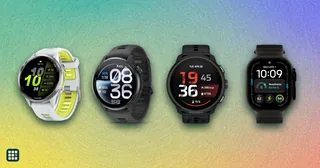
 track pace, distance and heart rate without a phone, and the better ones add training guidance, maps and music. This grid compares current models from Garmin, COROS, Suunto, Polar, Apple, Samsung and Amazfit, from about $200 entry watches to $1,000+ adventure flagships. The real trade-offs are battery life against a bright AMOLED screen, accurate multi-band GPS, offline maps, and how much training analysis you will actually use.
-
 Treadmills
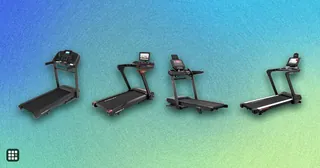
Compare home treadmills side by side: motor power, top speed, incline and decline, deck size, user weight limit, folding, screen, subscription and warranty. The main choices are how hard you will use it (walking or running), how much space you have, and whether you want built-in classes or a simple machine that works with any app.
-
 Hydration packs
Compare running hydration vests and compact packs by gear capacity, dry weight, included bottles or bladder, and list price.
-
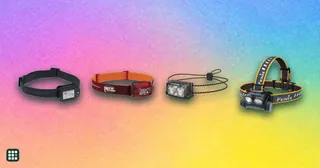 Headlamps
Popular headlamps side by side, from $20 AAA lamps for camp chores to rechargeable 1,000+ lumen lamps for night running and hiking. The trade-offs are brightness and runtime against weight, price and how you keep it powered.
-
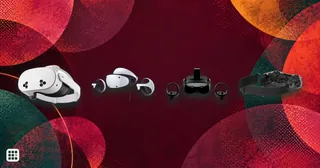 VR headsets
 put you inside games, workouts, movies and virtual workspaces; most now also do mixed reality, showing your room through cameras. This grid compares current headsets from Meta, Apple, Samsung, Sony, Valve, HTC and Bigscreen on price, standalone or tethered use, display sharpness, refresh rate, field of view, tracking, passthrough, weight and battery life. The big trade-offs are price against display quality, and the freedom of standalone headsets against the power of PC-tethered ones.