



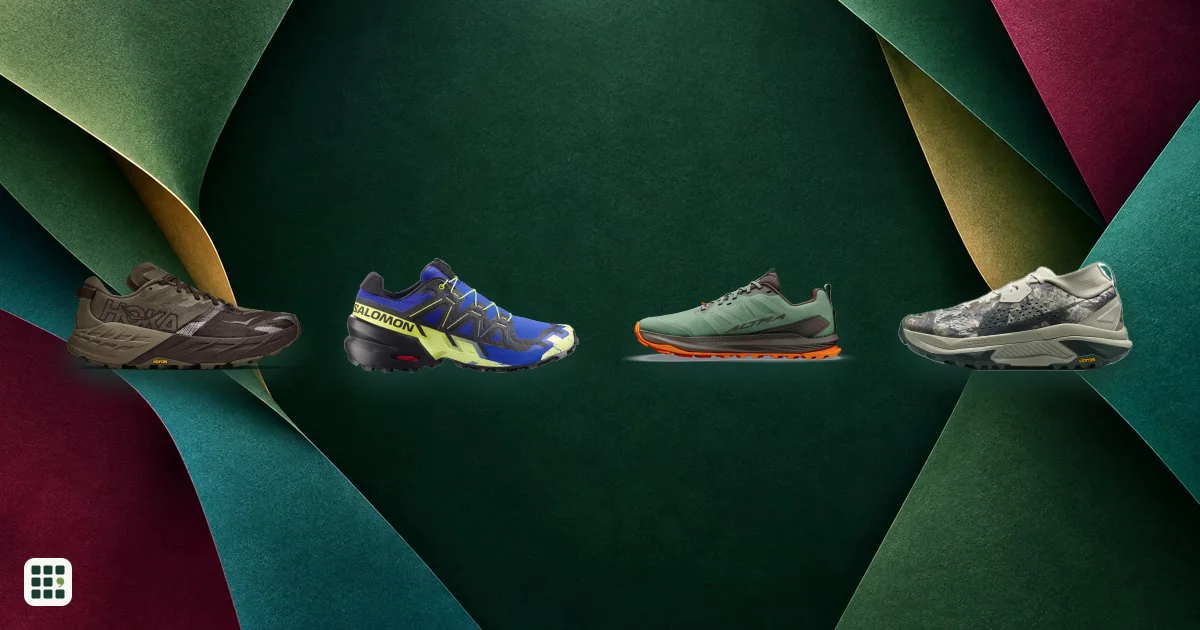
Trail running shoes
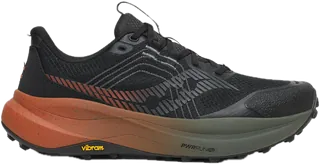
Compare 18 trail running shoes from HOKA, Altra, Brooks, La Sportiva, Merrell, New Balance, Nike, On, Salomon, Saucony and adidas, from $145 to $225 in the US. The big trade-offs are cushioning versus ground feel, grip versus road comfort, and drop. Weight, stack height, drop and lug depth are lab measurements from RunRepeat, so the numbers compare like for like rather than relying on each brand's own claims.
Last updated
How to choose
1. Start with your trails
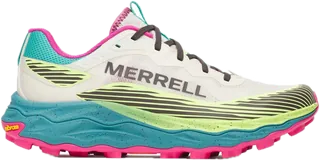
Smooth fire roads, gravel and park paths suit road-to-trail shoes with shallow lugs (under about 3.5 mm), which feel smooth on pavement too. Mixed singletrack suits a versatile shoe. Mud, wet grass and loose steep ground need deep, widely spaced lugs: the Salomon Speedcross 6 has the deepest here at 5.8 mm, then the Merrell Agility Peak 6 at 5 mm.
2. Decide how much cushioning you want
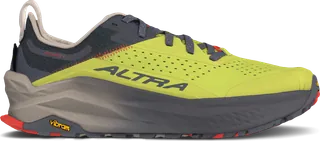
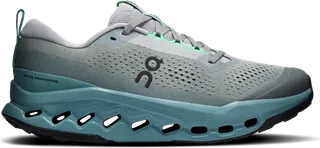
Heel stack is the quickest guide. Under about 30 mm feels close to the ground and stable on uneven trails (Altra Lone Peak 9, adidas Agravic Speed Ultra 2). Around 37 mm and up is maximal (HOKA Mafate 5, Challenger 8 and Speedgoat 7, On Cloudsurfer Trail 2, Saucony Xodus Ultra 4, Brooks Ghost Trail), which protects legs on long runs and rocky descents but sits higher off the ground.
3. Check the drop
Drop is the height difference between heel and forefoot. Zero to 5 mm encourages a midfoot landing and loads the calves and Achilles more; 8 mm and up is easier if you land on your heel or are used to typical road shoes. Brands' stated drops often differ from what the lab measures, so compare the measured figure, and change drop gradually.
4. Fit and width
Trail shoes should hold your heel and midfoot firmly but leave room for toes to splay on descents. If you have wide feet, filter for Wide; New Balance's Hierro v9 also comes in extra wide. Width is not the same as toe box room: the Toe box width row shows how much space RunRepeat measured up front, and the Altra Lone Peak 9 is the roomiest here. Try shoes on in the afternoon with the socks you run in.
5. Protection and extras
- Rock plate: blocks sharp stones on rocky trails (La Sportiva Prodigio Pro, Saucony Peregrine 16).
- Rocker: a curved sole that rolls you forward; helpful late in long runs.
- Waterproof version: most models come in a GORE-TEX version for cold, wet or snowy runs. In summer, a breathable shoe that drains fast is usually better.
6. Watch the price and the version
Shoes are updated every year or two, and the older version is often discounted while still in stores. Nike renamed its trail shoes under ACG in 2026, and Altra sells both a Lone Peak 9 and a Lone Peak 9+. Check the exact version before you compare prices, and expect around 300 to 500 miles from a pair.
Answer
Browse the table. Filter to what matters.
Use the filters below, then sign in if you want to shortlist and decide with friends.
Sign in to vote, hide products and features, and reorder.
Verified: hover a cell and click its green dot for the source Estimate: no cited source
| Feature | ⠿ | ⠿ | ⠿ | ⠿ | ⠿ | ⠿ | ⠿ | ⠿ | ⠿ | ⠿ | ⠿ | ⠿ | ⠿ | ⠿ | ⠿ | ⠿ | ⠿ | ⠿ |
|---|---|---|---|---|---|---|---|---|---|---|---|---|---|---|---|---|---|---|
|
⠿
Best terrain
|
||||||||||||||||||
|
⠿
Price
|
||||||||||||||||||
|
⠿
Weight
|
||||||||||||||||||
|
⠿
Heel stack
|
||||||||||||||||||
|
⠿
Forefoot stack
|
||||||||||||||||||
|
⠿
Drop
|
||||||||||||||||||
|
⠿
Lug depth
|
||||||||||||||||||
|
⠿
Rock plate
|
|
|
|
|
|
|||||||||||||
|
⠿
Rocker
|
|
|
|
|||||||||||||||
|
⠿
Widths
|
||||||||||||||||||
|
⠿
Toe box width
|
||||||||||||||||||
|
⠿
Midsole feel
|
||||||||||||||||||
|
⠿
Waterproof version
|
|
|
|
|
|
Why these features matter
-
Best terrain
Road-to-trail shoes feel smooth on pavement and hardpack; technical and mud shoes grip better but feel clunky on roads. Match the shoe to the trails you run most.
-
Price ($)
Trail shoes run from about $130 to $225. Extra money usually buys lighter foams, carbon or nylon plates and premium rubber, not necessarily more durability.
-
Weight (oz)
Lighter shoes feel faster on climbs and in races; heavier ones usually add cushioning, protection or durable uppers. Under about 10 oz feels light for a trail shoe.
-
Heel stack (mm)
More stack means more cushioning for long runs and rocky descents, but a higher platform feels less stable on uneven ground. Under about 30 mm feels close to the ground; 37 mm or more is maximal.
-
Forefoot stack (mm)
Forefoot stack sets how protected and cushioned the front of the foot feels; with heel stack it gives the drop.
-
Drop (mm)
Low drop (0-5 mm) encourages a midfoot landing and suits runners used to it; higher drop (8 mm+) is easier on calves and Achilles for heel strikers. Change drop gradually.
-
Lug depth (mm)
Deeper lugs (4.5 mm+) grip mud, loose dirt and wet grass; shallow lugs (under 3.5 mm) feel smoother on hardpack, gravel and roads.
-
Rock plate
A rock plate stops sharp stones bruising the sole of your foot on rocky trails, at the cost of some flexibility.
-
Rocker
A rocker shape helps you roll from heel to toe with less effort, useful on long runs and runnable trails.
-
Widths
Runners with wide feet or bunions should look for a Wide (or X-Wide) option rather than sizing up.
-
Toe box width
A roomy toe box lets toes splay on long runs and descents and suits wide feet or bunions; a narrow one locks the foot down for technical terrain but can rub on long days.
-
Midsole feel
Soft foam feels plush on long, easy runs; firmer foam is more stable and gives better ground feel on rocky, technical trails. It is a preference, not a quality ranking.
-
Waterproof version
A waterproof version keeps feet dry in snow, slush and cold puddles, but traps heat and drains slowly once water gets over the top.
About the products
-
Speedgoat 7 · HOKA
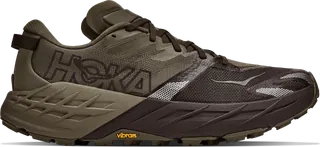
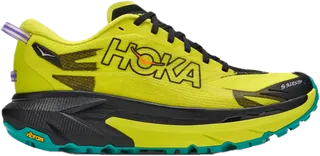
HOKA's best-selling all-terrain trail shoe: thick, cushioned and grippy with Vibram Megagrip and 4.5 mm lugs, among the deepest here. A wide and a GORE-TEX version are sold.
-
Challenger 8 · HOKA
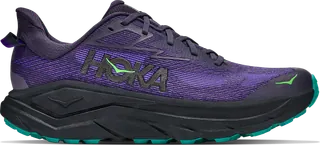
A road-to-trail shoe with a tall 40 mm heel stack and a soft rocker ride, for runners who link pavement and smooth trails. Shallow lugs grip less in mud.
-
Lone Peak 9 · Altra
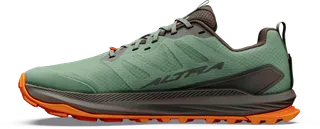
Altra's zero-drop trail classic with a wide, foot-shaped toe box and modest cushioning, popular with thru-hikers. Altra also sells a Lone Peak 9+ with a Vibram outsole.
-
Cascadia 20 · Brooks
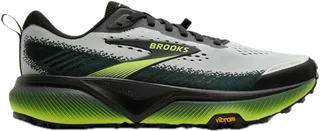
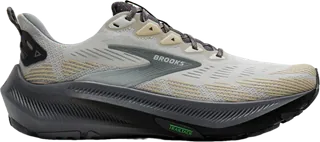
Brooks' stable, protective all-rounder, updated in 2026 with more cushioning and a Vibram Megagrip outsole. Wide and GORE-TEX versions are sold.
-
Ghost Trail · Brooks
A trail version of the Ghost road shoe: soft, high-drop and smooth on gravel and easy trails, with shallow lugs that are out of their depth in mud or on steep rock.
-
Prodigio Pro · La Sportiva
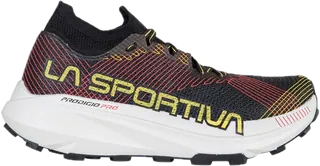
A light, low-drop mountain racer with a rock plate and rocker, aimed at fast ultras. Tied with the adidas Agravic Speed Ultra 2 as the priciest shoe here, and sold in one men's width.
-
Fresh Foam X Hierro v9 · New Balance
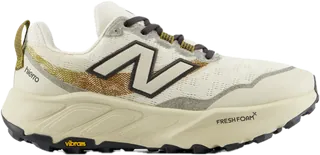
A soft, heavily cushioned trail shoe with a Vibram outsole, sold in standard, wide and extra-wide (2E and 4E) widths, which few trail shoes offer.
-
ACG Pegasus Trail · Nike
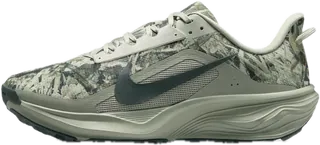
Nike's soft road-to-trail shoe, renamed under the ACG line in 2026 (it replaces the Pegasus Trail 5). Best on gravel and smooth singletrack.
-
ACG Zegama Trail · Nike
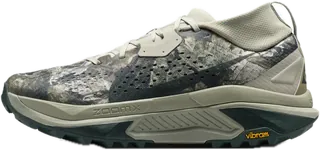
Nike's cushioned mountain shoe, with a low drop and ZoomX foam, for long runs on rougher trails. Replaced the Zegama 2 in 2026.
-
Speedcross 6 · Salomon
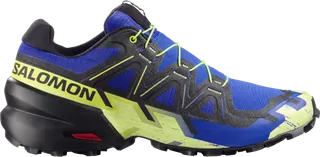
The mud specialist: very deep, aggressive lugs, a snug fit and a high drop. Superb in mud and soft ground, clumsy on hardpack and roads.
-
Peregrine 16 · Saucony
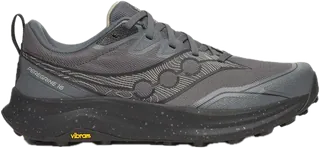
A lightweight, versatile trail shoe with a rock plate and low drop, at a mid-range price. Wide and GORE-TEX versions are sold.
-
Xodus Ultra 4 · Saucony
A heavily cushioned ultra-distance shoe with PWRRUN PB foam; one of the heavier shoes here, built for comfort over many hours.
-
Terrex Agravic Speed Ultra 2 · adidas
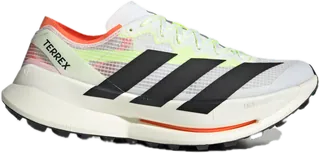
A zero-drop, Lightstrike Pro race shoe for fast ultras on runnable trails, with shallow lugs that suit dry hardpack more than mud.
-
Mafate 5 · HOKA
HOKA's maximal-cushion trail shoe, with the tallest stack here (about 43 mm at the heel) and 4.4 mm lugs, for long, rough mountain days. Heavy, and sold in one men's width.
-
Genesis 2 · Salomon
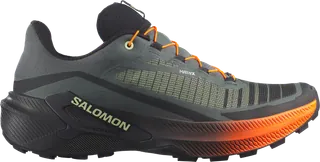
Salomon's cushioned all-rounder for long trail days, with a rocker and a roomy toe box, in narrow, regular and wide fits. A GORE-TEX version is sold.
-
Olympus 6 · Altra · Superseded
Altra's max-cushion, zero-drop trail shoe with a wide, foot-shaped toe box and a Vibram outsole. The heaviest shoe here. Replaced by the Olympus 7, and often discounted while stock lasts.
-
Cloudsurfer Trail 2 · On
A soft, high-drop road-to-trail shoe with a rocker and very shallow 2 mm lugs: smooth on gravel and paths, out of its depth in mud. A waterproof version is sold.
-
Agility Peak 6 · Merrell
A grippy mountain shoe with 5 mm Vibram lugs and a rock plate, for technical and muddy trails. High drop and a snug toe box; wide and GORE-TEX versions are sold.
Suggest a change
Related comparisons
-
 Hiking shoes
Compare 15 current low-cut hiking shoes and trail-ready alternatives across nine brands, from cushioned day-hike shoes to waterproof models for rocky terrain. Features cover price, weight, fit and width, waterproofing, outsole, support, protection, materials, and care; fit is personal, so try models on with your hiking socks.
-
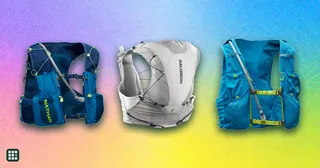 Hydration packs
Compare running hydration vests and compact packs by gear capacity, dry weight, included bottles or bladder, and list price.
-
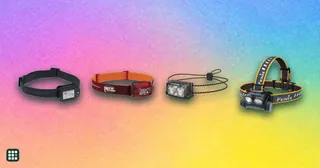 Headlamps
Popular headlamps side by side, from $20 AAA lamps for camp chores to rechargeable 1,000+ lumen lamps for night running and hiking. The trade-offs are brightness and runtime against weight, price and how you keep it powered.
-
 Water shoes
 and water-ready sandals compared side by side: how much they protect your toes, how they grip wet rock, how fast they dry and what they cost. Options range from a $50 foam clog to enclosed river shoes and hybrid sandals; the trade-off is protection and grip against weight and price.
-
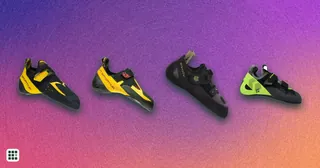 Climbing shoes
 are fitted tightly and built for one job: gripping small holds. The decision is how much downturn, stiffness and sensitivity you want, whether you want laces or Velcro, and how long you will wear them. Aggressive, soft shoes excel on steep boulders but hurt on long routes; flatter, stiffer shoes are comfortable and edge well.
-
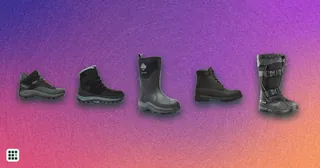 Winter boots
 keep your feet warm and dry in snow, slush and cold. This grid compares insulated, waterproof men's boots from Merrell, Timberland, The North Face, KEEN, Muck and Baffin by insulation, stated temperature rating, weight and price.