



Water shoes
Water shoes and water-ready sandals compared side by side: how much they protect your toes, how they grip wet rock, how fast they dry and what they cost. Options range from a $50 foam clog to enclosed river shoes and hybrid sandals; the trade-off is protection and grip against weight and price.
Last updated
How to choose
Start with where you will wear them. Pool, beach and boat use is fine in a light clog or open sandal. Wading rocky rivers, canyons or kayak launches calls for toe protection and a siped rubber sole.
What to check
- Toe protection: an enclosed shoe or a rubber bumper saves toes from wet rocks; open sandals do not.
- Wet traction: look for siping and a real rubber outsole, not just a smooth foam sole.
- Drying: quick-dry uppers and open designs stay lighter and smell less.
- Fit security: straps, laces or a bungee cinch keep the shoe on in current or surf.
- Weight and price: the lightest options are cheap and float, but give up protection and support.
Before you buy
Check the maker's return window, since fit is personal, and how the shoe should be cleaned. Sizing differs between brands, so use the maker's size chart.
Answer
Browse the table. Filter to what matters.
Use the filters below, then sign in if you want to shortlist and decide with friends.
Sign in to vote, hide products and features, and reorder.
Verified: hover a cell and click its green dot for the source Estimate: no cited source Not stated: the maker doesn't publish it
| Feature | ⠿ | ⠿ | ⠿ | ⠿ | ⠿ | ⠿ |
|---|---|---|---|---|---|---|
|
⠿
Price
|
||||||
|
⠿
Weight per shoe
|
||||||
|
⠿
Style
|
Closed-toe hybrid sandal
|
Closed-toe hybrid sandal, low profile
|
Enclosed water shoe, collapsible heel
|
Open strap sandal
|
Foam clog with heel strap
|
Open thong-style sandal
|
|
⠿
Toe protection
|
None (open toe)
|
Closed foam toe, no protection claim
|
None (open toe)
|
|||
|
⠿
Fit adjustment
|
Quick-pull lace, collapsible heel
|
|||||
|
⠿
Wet traction
|
||||||
|
⠿
Drying and drainage
|
||||||
|
⠿
Cleaning
|
||||||
|
⠿
Footbed support
|
||||||
|
⠿
Returns or sole warranty
|
Why these features matter
-
Price ($)
Water shoes range from clog money to hiking-sandal money; a sandal that dies after one season costs more than a pricier one that gets resoled.
-
Weight per shoe (oz)
Lighter shoes are easier to swim, paddle and pack with, but the lightest often protect and support less.
-
Style
Decides what the shoe can handle: open sandals dry fastest, enclosed shoes keep out grit and gravel.
- Hybrid sandal
- : A sandal with a closed, protected toe. Handles water and easy trails; heavier than an open sandal.
-
Toe protection
Wet rocks and riverbeds are where toes get hurt; skip it only for pool, beach and boat use.
- Rubber bumper
- : A molded rubber front that shields toes from rocks while the rest stays open and quick-drying.
-
Fit adjustment
A secure fit stops the shoe slipping off in current or surf; easy-on systems matter for kids and boats.
-
Wet traction
Wet rock and boat decks are slippery; a siped, grippy rubber sole is the difference between safe and a fall.
- Siped rubber
- : Thin slits cut into the sole that grip wet rock and boat decks.
-
Drying and drainage
Shoes that stay wet get heavy, rub, and smell; quick-dry materials matter on multi-day trips.
-
Cleaning
Water shoes pick up sand, algae and odor; easy washing keeps them usable.
-
Footbed support
Hours on your feet in a flat, hard sole are tiring; a supportive footbed helps for walking, less so for swimming.
-
Returns or sole warranty
A real trial or warranty lowers the risk of a bad fit or early wear.
About the products
-
Newport H2 · KEEN
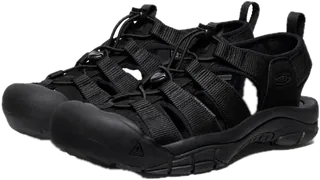
The original closed-toe hybrid sandal: rubber toe bumper, bungee cinch and a roomy fit make it a durable all-rounder for boating, wading and easy trails. Heaviest in this grid.
-
Clearwater CNX · KEEN
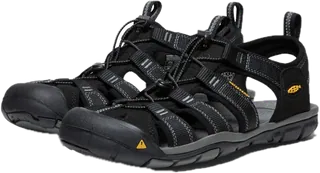
A lighter, lower-profile KEEN hybrid sandal with toe bumper and bungee cinch. Fits snugger than the Newport H2.
-
Techamphibian 5 · Salomon
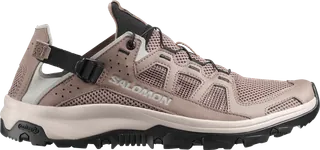
A fully enclosed water shoe with a reinforced toe cap, sticky siped outsole and quick-drying mesh upper. The pick for wet scrambling and canyon streams.
-
Z/1 Classic · Chaco
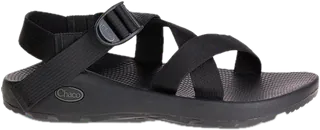
An open, fully strap-adjustable river sandal with a podiatrist-certified footbed and a resolable build. No toe protection.
-
Classic Clog · Crocs
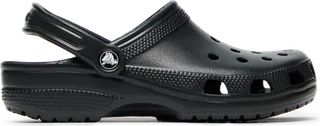
The cheapest, lightest option: a buoyant foam clog that is easy to rinse clean. Fine for beach, boat and pool, not for rocky wading or trails.
-
Aqua Cloud · Xero Shoes
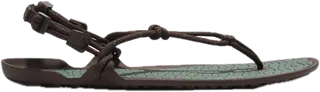
A featherweight, zero-drop thong-style water sandal that floats. Minimal protection; suits paddling, pools and shoreline.
Suggest a change
Related comparisons
-
 Beach umbrellas
A beach umbrella has to do two jobs: shade you from the sun and stay put when the wind picks up. This grid compares portable beach umbrellas on canopy size, how they anchor into the sand, claimed wind resistance, UV protection, and what you get in the box, so you can weigh a heavy sand-filled base against a light screw-in anchor.
-
 Beach chairs
Portable beach chairs differ most in how low they sit, how far they recline, how much weight they hold, and how you carry them across the sand. This grid compares current adult beach chairs from budget backpack chairs and classic webbed folders to ultralight, lumbar-support and lie-flat lounger designs.
-
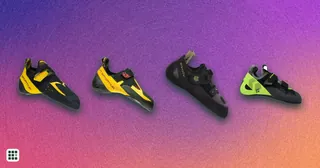 Climbing shoes
 are fitted tightly and built for one job: gripping small holds. The decision is how much downturn, stiffness and sensitivity you want, whether you want laces or Velcro, and how long you will wear them. Aggressive, soft shoes excel on steep boulders but hurt on long routes; flatter, stiffer shoes are comfortable and edge well.
-
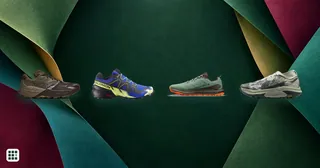 Trail running shoes
Compare 18 trail running shoes from HOKA, Altra, Brooks, La Sportiva, Merrell, New Balance, Nike, On, Salomon, Saucony and adidas, from $145 to $225 in the US. The big trade-offs are cushioning versus ground feel, grip versus road comfort, and drop. Weight, stack height, drop and lug depth are lab measurements from RunRepeat, so the numbers compare like for like rather than relying on each brand's own claims.
-
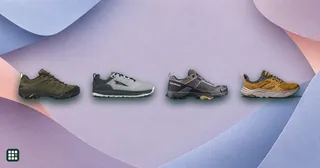 Hiking shoes
Compare 15 current low-cut hiking shoes and trail-ready alternatives across nine brands, from cushioned day-hike shoes to waterproof models for rocky terrain. Features cover price, weight, fit and width, waterproofing, outsole, support, protection, materials, and care; fit is personal, so try models on with your hiking socks.
-
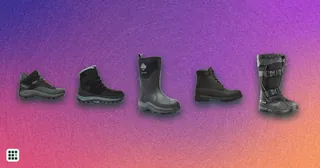 Winter boots
 keep your feet warm and dry in snow, slush and cold. This grid compares insulated, waterproof men's boots from Merrell, Timberland, The North Face, KEEN, Muck and Baffin by insulation, stated temperature rating, weight and price.