



Headlamps
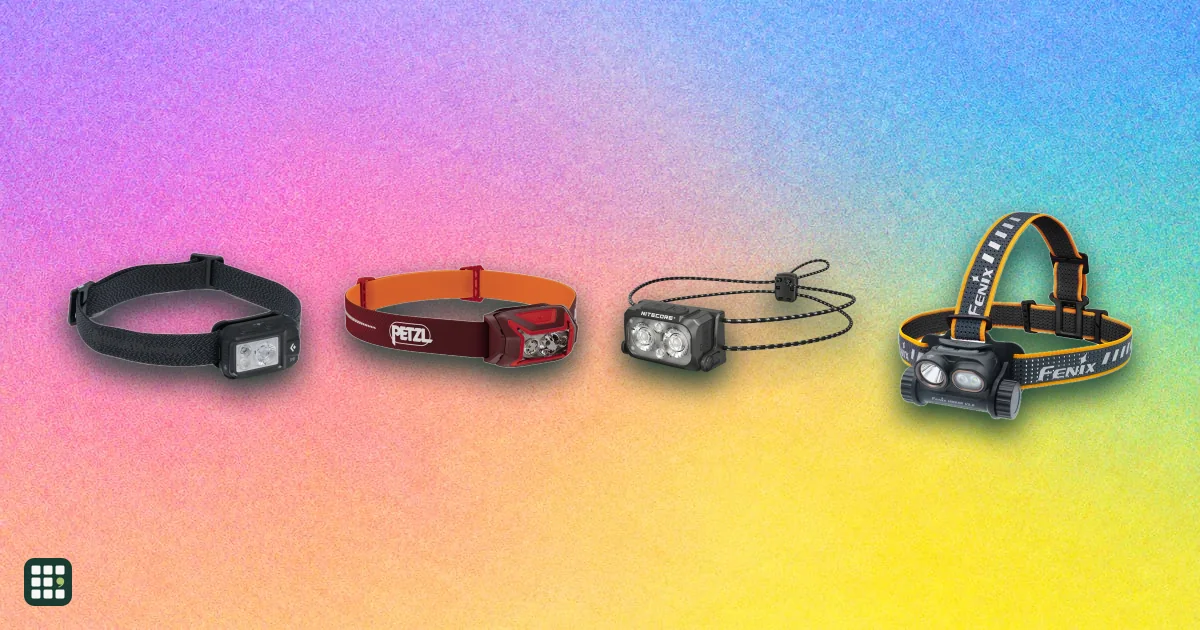
Popular headlamps side by side, from $20 AAA lamps for camp chores to rechargeable 1,000+ lumen lamps for night running and hiking. The trade-offs are brightness and runtime against weight, price and how you keep it powered.
Last updated
How to choose
Start with what you will do in the dark
- Camp chores, reading, power outages: 200 to 400 lumens is plenty. Prioritize a red light, a lock mode and long low-mode runtime.
- Night hiking and trail running: look for 400+ lumens, a good beam distance and a light, stable fit. Reactive (auto-dimming) lamps stretch the battery.
- Multi-day trips: runtime and how you recharge matter more than peak brightness.
Read the brightness claims carefully
Max lumens usually last only minutes before the lamp steps down to protect the battery. Compare runtime at max and longest runtime together, and treat beam distance as a rough guide; both are the maker's lab figures, not field tests.
Choose how to power it
- Built-in rechargeable: light and simple, but the lamp is done when the battery wears out, and you need power to top up.
- Removable pack or standard cell (18650): carry a spare and swap in seconds.
- AAA or hybrid: buy batteries anywhere; hybrids take both a rechargeable pack and AAAs. AAA lamps suit emergency kits, since stored lithium AAAs keep for years.
Prefer USB-C charging so one cable covers your phone and lamp.
Check the details that annoy people later
- Lock mode stops it turning on in your pack.
- Red light keeps night vision and spares your tent-mates.
- Water resistance: IPX4 handles rain; IP67 or IPX7 survives a dunk.
- Weight and fit: under 100 g suits running; heavier lamps with a rear battery balance better for long wear.
- Battery level indicator and warranty length.
Answer
Browse the table. Filter to what matters.
Use the filters below, then sign in if you want to shortlist and decide with friends.
Sign in to vote, hide products and features, and reorder.
Verified: hover a cell and click its green dot for the source Estimate: no cited source Not stated: the maker doesn't publish it
| Feature | ⠿ | ⠿ | ⠿ | ⠿ | ⠿ | ⠿ | ⠿ | ⠿ | ⠿ | ⠿ | ⠿ | ⠿ | ⠿ | ⠿ |
|---|---|---|---|---|---|---|---|---|---|---|---|---|---|---|
|
⠿
Price
|
$19.97
|
|||||||||||||
|
⠿
Max brightness
|
450 lm
|
|||||||||||||
|
⠿
Max beam distance
|
||||||||||||||
|
⠿
Longest runtime
|
||||||||||||||
|
⠿
Runtime at max
|
||||||||||||||
|
⠿
Battery type
|
Built-in rechargeable
|
|||||||||||||
|
⠿
Rechargeable
|
|
|||||||||||||
|
⠿
Charging port
|
None (AAA; BD 1500 pack charges separately)
|
None (AAA; BD 1500 pack charges separately)
|
USB-C
|
None (AAA)
|
None (AAA)
|
|||||||||
|
⠿
Weight
|
||||||||||||||
|
⠿
Water resistance
|
||||||||||||||
|
⠿
Red light
|
|
|
||||||||||||
|
⠿
Lock mode
|
|
|
|
|
|
|||||||||
|
⠿
Reactive lighting
|
|
|
|
|
|
|
|
|
|
|
|
|
|
|
|
⠿
Battery level indicator
|
|
|
|
|
||||||||||
|
⠿
Warranty
|
Why these features matter
-
Price ($)
Headlamps run from about $20 to over $150. Extra money buys brightness, smarter beams and better batteries, but a $40 lamp is plenty for camp chores.
-
Max brightness (lm)
More lumens light the trail farther, but max output usually lasts minutes before stepping down. Above about 300 lumens matters for running and night hiking, less for camp.
-
Max beam distance (m)
Beam distance shows how far the lamp throws light: useful for route-finding and spotting trail markers, irrelevant for reading in a tent.
-
Longest runtime (hr)
Low-mode runtime decides whether one charge or set of batteries lasts a multi-night trip.
-
Runtime at max (hr)
Shows how long the lamp actually holds a bright beam. Many lamps last under 2 hours on max.
-
Battery type
Built-in batteries are simple but end the lamp's life when they wear out. AAA and hybrid lamps can be fed spare batteries anywhere, which matters on long trips.
-
Rechargeable
Rechargeable lamps save on batteries and are greener; disposable-battery lamps are easier to keep running far from power.
-
Charging port
USB-C shares a cable with your phone; micro-USB or proprietary cables are one more thing to pack.
-
Weight (g)
Light lamps bounce less when running and suit ultralight packs; heavier lamps often add a rear battery for balance and runtime.
-
Water resistance
IPX4 survives rain; IP67/IPX7 survives a drop in a creek. Paddlers and winter users should look for 7 or 8.
-
Red light
Red light preserves night vision and doesn't blind tent-mates or campsite neighbors.
-
Lock mode
A lamp that turns on in your bag arrives with a dead battery. Lock modes prevent it.
-
Reactive lighting
Auto-dimming saves battery and stops glare when you look at a map, but some users find the constant adjusting distracting.
-
Battery level indicator
Knowing the charge before you head out avoids being caught in the dark.
-
Warranty
Longer warranties signal confidence and cover battery and switch failures, the usual weak points.
About the products
-
Black Diamond Spot · Black Diamond
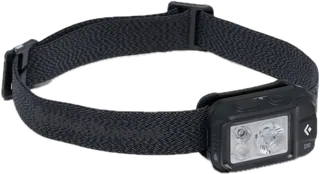
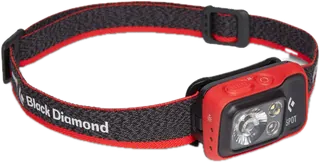
Black Diamond's 2026 redesign of its best-selling all-rounder: 450 lumens, RGB night modes, a digital lock and IPX7 waterproofing. Runs on three AAAs, or on the BD 1500 rechargeable pack, which is sold separately.
-
Storm+ · Black Diamond
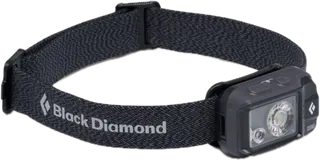
A 750-lumen lamp with a rechargeable, user-replaceable 2,200 mAh battery, a dustproof IP67 body, big glove-friendly buttons and a digital lockout. A tough choice for alpine and winter use.
-
Cosmo · Black Diamond
A compact 350-lumen camp lamp with a red light and IPX7 housing. Takes AAAs or the separately sold BD 1500 pack.
-
Astro 300 · Black Diamond
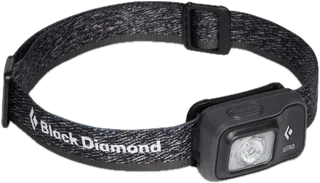
A basic $25 lamp with 300 lumens and AAA batteries included, good for emergency kits and occasional camp use. Only rain-resistant (IPX4).
-
Black Diamond Spot 400 · Black Diamond · Superseded
The previous Spot, still sold at the same price: 400 lumens, IPX8 waterproofing, a red light and a three-LED battery meter. Runs on AAAs or the BD 1500 pack.
-
Actik Core · Petzl
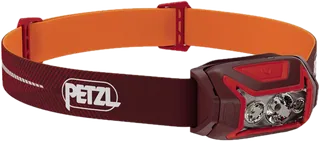
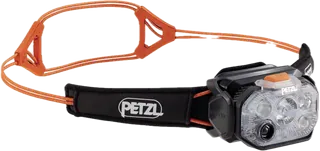
A versatile 625-lumen hybrid lamp that ships with Petzl's CORE rechargeable pack and also runs on three AAAs. Mixed beam, red light, 5-year lamp warranty; only IPX4.
-
Tikkina · Petzl
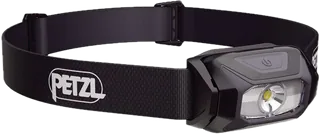
A simple, inexpensive 300-lumen AAA lamp with a wide beam and a 5-year warranty. No red light; can upgrade to the CORE rechargeable pack.
-
Swift RL · Petzl
A 1,200-lumen rechargeable lamp with Petzl's Reactive Lighting, which adjusts brightness to what you look at to stretch the battery. Light at 92 g, but expensive and only IPX4.
-
Nitecore NU25 MCT UL · Nitecore
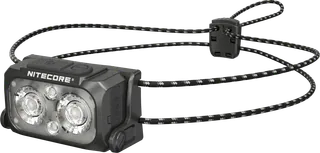
An ultralight 47 g rechargeable lamp with three white color temperatures, red light, lockout and IP66 sealing. Popular with ultralight hikers; the small built-in battery limits runtime.
-
Nitecore NU33 · Nitecore
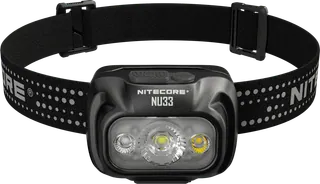
A 700-lumen rechargeable lamp with a large 2,000 mAh built-in battery, white, red and auxiliary modes, lockout and IP66 sealing, at about $50.
-
Fenix HM65R V2.0 · Fenix
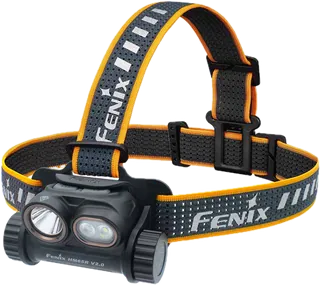
A 2,200-lumen magnesium-bodied lamp with separate spot and flood LEDs, a red LED, a swappable 18650 battery, IP68 sealing and a limited lifetime warranty. Heavier at 144 g.
-
Range 400 · BioLite
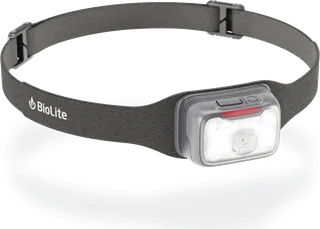
A 400-lumen rechargeable lamp that fast-charges over USB-C (8 minutes for an hour of light), with red light and IP67 submersible sealing. 75 g with a moisture-wicking band.
-
Dash 450 · BioLite
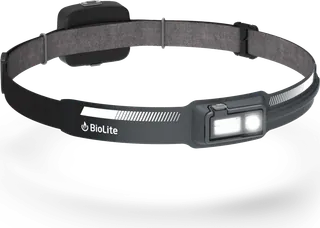
A slim 78 g running lamp with a 10 mm front, spot and flood lenses, a rear red safety light and lock mode. IPX4 and a short 1-year warranty.
-
Vision HD+ · Energizer
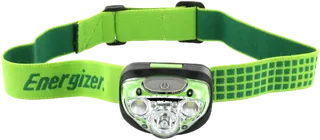
A cheap, widely sold 350-lumen AAA headlamp with a red light, sold in drugstores and hardware stores. Basic IPX4 splash resistance.
Suggest a change
Related comparisons
-
 Hydration packs
Compare running hydration vests and compact packs by gear capacity, dry weight, included bottles or bladder, and list price.
-
 Trail running shoes
Compare 18 trail running shoes from HOKA, Altra, Brooks, La Sportiva, Merrell, New Balance, Nike, On, Salomon, Saucony and adidas, from $145 to $225 in the US. The big trade-offs are cushioning versus ground feel, grip versus road comfort, and drop. Weight, stack height, drop and lug depth are lab measurements from RunRepeat, so the numbers compare like for like rather than relying on each brand's own claims.
-
 Camping lanterns
Popular camping lanterns side by side, from tiny solar inflatables and D-battery lanterns for emergency kits to bright rechargeable lanterns that double as power banks. The trade-offs are brightness and runtime against size, weight, price and how you recharge.
-
 Open-ear headphones
 sit near your ears instead of blocking them, so you hear traffic, coworkers and music at once. They suit runners, cyclists and office workers. The trade-offs are bass, sound leakage and battery life.
-
 GPS running watches
 track pace, distance and heart rate without a phone, and the better ones add training guidance, maps and music. This grid compares current models from Garmin, COROS, Suunto, Polar, Apple, Samsung and Amazfit, from about $200 entry watches to $1,000+ adventure flagships. The real trade-offs are battery life against a bright AMOLED screen, accurate multi-band GPS, offline maps, and how much training analysis you will actually use.
-
 Treadmills
Compare home treadmills side by side: motor power, top speed, incline and decline, deck size, user weight limit, folding, screen, subscription and warranty. The main choices are how hard you will use it (walking or running), how much space you have, and whether you want built-in classes or a simple machine that works with any app.