



Camping lanterns
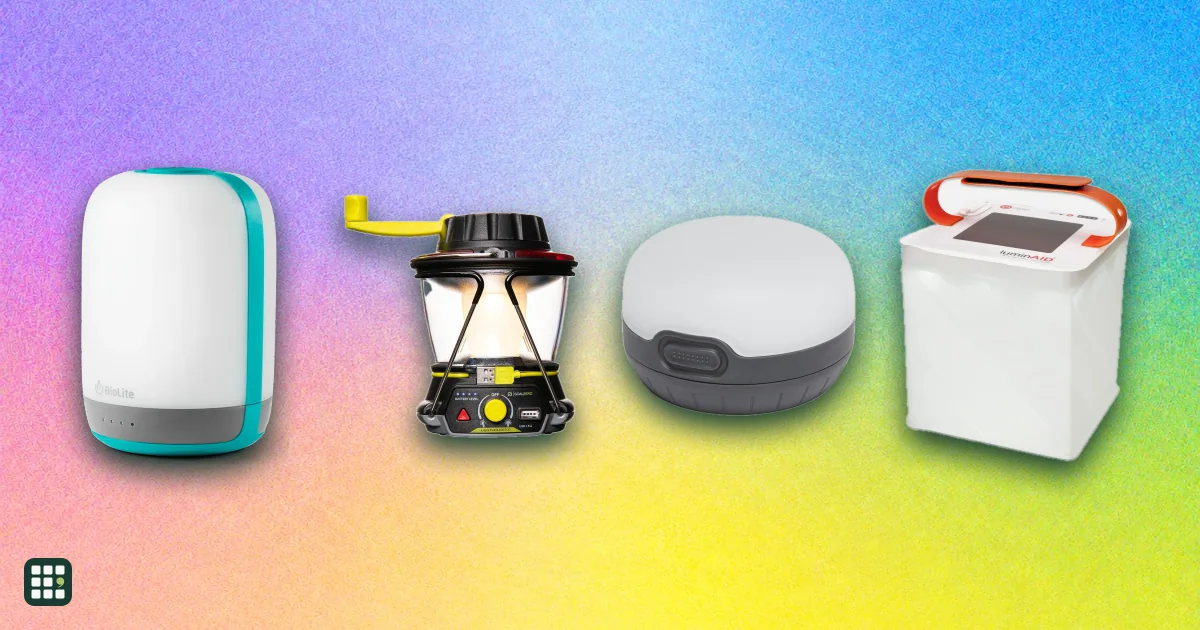
Popular camping lanterns side by side, from tiny solar inflatables and D-battery lanterns for emergency kits to bright rechargeable lanterns that double as power banks. The trade-offs are brightness and runtime against size, weight, price and how you recharge.
Last updated
How to choose
Decide what you need to light
- Inside a tent: 100 to 200 lumens is plenty. A hanging hook or loop and a dim mode matter more than power.
- A campsite or picnic table: look for 300 lumens or more and 360 degree light.
- Power outages: long low-mode runtime, a way to recharge without the grid (solar, crank or disposable batteries) and a USB output for your phone.
Choose how it is powered
- Built-in rechargeable lanterns are convenient and often double as power banks, but need power to top up.
- Solar models recharge in sunlight; expect a full day of sun for a charge.
- Disposable batteries (AA or D) keep for years in an emergency kit and can be swapped anywhere.
Prefer USB-C so one cable covers your phone and lantern.
Read the brightness and runtime claims together
Max lumens rarely last more than a few hours. Compare runtime at max with longest runtime: these are the maker's figures, not field tests.
Check the details
- Hanging options: hooks, loops, carabiners or magnets.
- Light distribution: 360 degree for tables, downward light for hanging.
- Warm light is gentler for evenings; color modes are for fun.
- Weight and water resistance if you carry it far or paddle.
Answer
Browse the table. Filter to what matters.
Use the filters below, then sign in if you want to shortlist and decide with friends.
Sign in to vote, hide products and features, and reorder.
Verified: hover a cell and click its green dot for the source Estimate: no cited source Not stated: the maker doesn't publish it
| Feature | ⠿ | ⠿ | ⠿ | ⠿ | ⠿ | ⠿ | ⠿ | ⠿ | ⠿ | ⠿ | ⠿ | ⠿ | ⠿ | ⠿ | ⠿ | ⠿ |
|---|---|---|---|---|---|---|---|---|---|---|---|---|---|---|---|---|
|
⠿
Price
|
$134.99
|
|||||||||||||||
|
⠿
Max brightness
|
||||||||||||||||
|
⠿
Longest runtime
|
||||||||||||||||
|
⠿
Runtime at max
|
||||||||||||||||
|
⠿
Power source
|
Built-in rechargeable
|
Built-in rechargeable
|
||||||||||||||
|
⠿
Charging
|
None (AAA); USB with BD 1500 pack
|
None (disposable batteries)
|
||||||||||||||
|
⠿
Solar charging
|
|
|
|
|
|
|
|
|
|
|
|
|
||||
|
⠿
Power bank
|
|
|
|
|
|
|
||||||||||
|
⠿
Light distribution
|
360 degree
|
360 degree
|
360 degree
|
360 degree
|
360 degree
|
360 degree
|
360 degree
|
360 degree
|
360 degree
|
|||||||
|
⠿
Hanging options
|
Hook
|
Hook
|
Handle
|
Loop
|
Handle strap
|
Handle strap
|
||||||||||
|
⠿
Color modes
|
|
|
|
|
|
|
|
|
|
|
|
|||||
|
⠿
Warm light
|
|
|
|
|||||||||||||
|
⠿
Weight
|
272 g
|
400 g
|
||||||||||||||
|
⠿
Water resistance
|
Waterproof
|
|||||||||||||||
|
⠿
Warranty
|
Limited lifetime; battery and charger 2 years
|
Why these features matter
-
Price ($)
Lanterns run from about $20 to over $100. Paying more buys brightness, runtime, a power bank and solar or color options.
-
Max brightness (lm)
Around 100 lumens lights a tent; 300 or more lights a picnic table or campsite. More lumens drain the battery faster.
-
Longest runtime (hr)
Low-mode runtime decides how many nights a lantern lasts between charges, or through a power outage.
-
Runtime at max (hr)
Shows how long the lantern can actually run bright.
-
Power source
Built-in batteries recharge from USB or solar but can't be swapped; disposable-battery lanterns can be kept running anywhere you can buy batteries.
-
Charging
USB-C shares a cable with your phone; solar and crank keep you going off the grid and in long outages.
-
Solar charging
A built-in panel recharges during the day with no other power, useful on long trips and for emergency kits.
-
Power bank
Doubling as a power bank saves carrying a separate battery, though using it shortens lantern runtime.
-
Light distribution
360 degree light fills a tent or table evenly; downward light suits hanging from a tent loop or branch without glare.
-
Hanging options
A hook or loop lets you hang the lantern from a tent ceiling or branch to light the whole space.
-
Color modes
Color and ambient modes are fun at camp and some help keep bugs away, but aren't needed for basic lighting.
-
Warm light
Warm light is easier on the eyes and less harsh for evenings than cool white.
-
Weight (g)
Light lanterns go backpacking; heavier ones usually hold bigger batteries for car camping and outages.
-
Water resistance
IPX4 handles rain; IP67 survives a dunk, useful for paddling trips.
-
Warranty
Longer warranties cover battery and switch failures, the usual weak points.
About the products
-
AlpenGlow 500 · BioLite
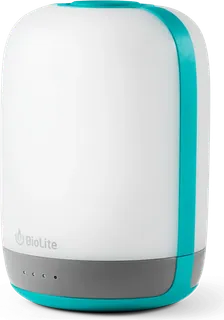
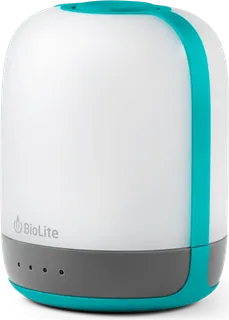
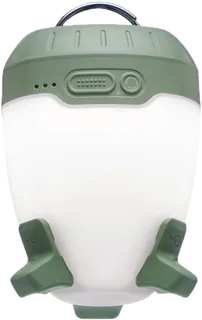
A bright 500-lumen rechargeable lantern with high-CRI warm and cool white, color and candle-flicker modes, and a USB output to charge a phone. Charges by micro-USB, not USB-C.
-
AlpenGlow 250 · BioLite
The smaller AlpenGlow: 250 lumens, the same warm, color and flicker modes and a USB power-bank output in a 210 g lantern. Micro-USB charging.
-
Luci Charge 360 · BioLite
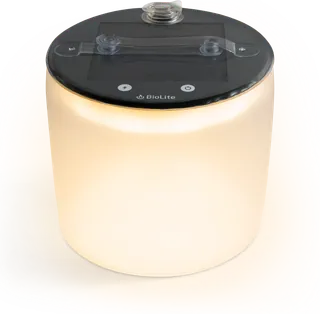
A collapsible solar lantern (formerly MPOWERD Luci) with 360 lumens, a 4,000 mAh battery that charges phones, USB-C charging and IP67 waterproofing. Packs flat.
-
Orbiter 450 · Black Diamond
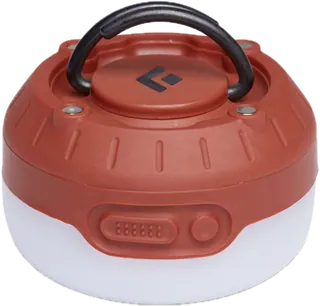
A 450-lumen rechargeable lantern with a down-beam for cooking, campfire and color modes, and a USB-A port to top up small devices. Only 2 hours on high.
-
Moji R+ · Black Diamond
A pocket-sized 200-lumen rechargeable lantern with color and campfire modes and four magnets for sticking it to a car or tent pole. Micro-USB charging.
-
Moji · Black Diamond
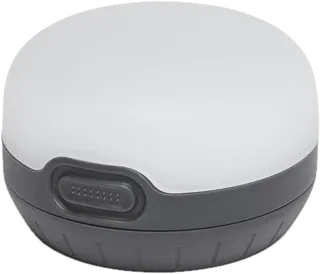
A simple $30 lantern that runs on three AAAs (or BD's rechargeable pack), with a dimmer and a double-hook loop. Good for emergency kits and kids.
-
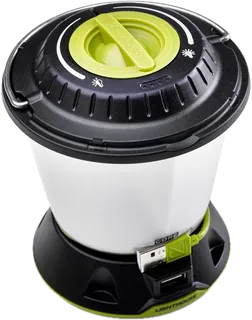
Lighthouse 600 · Goal Zero
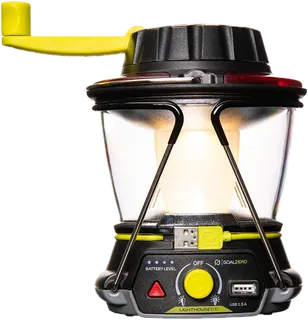
A 600-lumen lantern and USB power hub with a hand crank for emergencies, fold-out legs and one- or two-sided light. Popular for power outages.
-
Lighthouse Core · Goal Zero
A 430-lumen warm-white rechargeable lantern with a brightness dial, a USB output for phones and up to 350 hours on low.
-
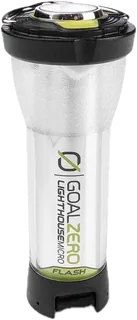
Lighthouse Micro Flash · Goal Zero
A tiny 68 g lantern with a built-in flashlight and IPX6 weatherproofing, made for packs and glove boxes. Up to 170 hours on low.
-
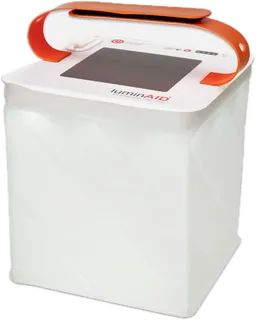
PackLite Max 2-in-1 · LuminAID
An inflatable solar lantern that packs flat, floats, and charges a phone from its 2,000 mAh battery. Good for emergency kits and paddling trips.
-
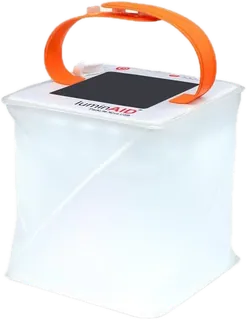
PackLite Nova · LuminAID
A very light inflatable solar lantern (about 140 g) with 75 lumens and 24 hours of light. No phone charging.
-
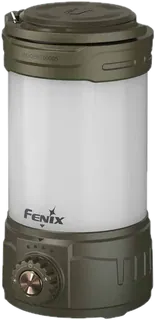
Fenix CL26R PRO · Fenix
A compact 650-lumen lantern with 360-degree, downward and forward light, red light, a magnetic top and a retractable hook. Runs on a swappable 21700 battery that doubles as a 5,000 mAh power bank.
-
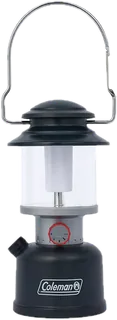
Coleman Classic Recharge 800 · Coleman
A big, classic-shaped 800-lumen rechargeable lantern with a 4,800 mAh battery that can charge a phone while lit, a bail handle with a built-in carabiner and USB-C charging. Heavy at about 1 kg; often out of stock at Coleman.
-
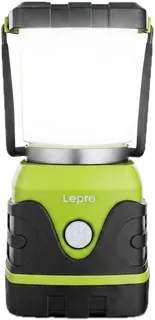
Lepro 1000LM Battery Camping Lantern · Lepro
A cheap, bright lantern that runs on three D batteries (not included, not rechargeable), with daylight and warm white modes and a hook plus handle. Good for emergency kits where batteries keep for years.
-
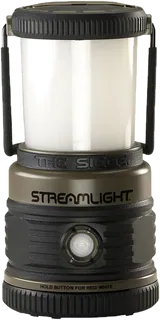
The Siege · Streamlight
A rugged 540-lumen hand lantern that runs on three D batteries for up to 295 hours on low, is IPX7 waterproof and floats, with a red mode and a hook for rope or pipes. Heavy (about 880 g with batteries); Streamlight lists no price, so check retailers.
-
Super Siege · Streamlight
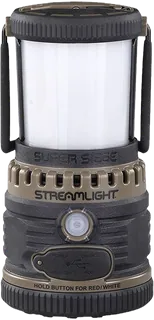
A 1,100-lumen rechargeable work-and-camp lantern that charges USB devices, is IPX7 waterproof and floats. It charges from an AC cord rather than USB and costs much more than camping-brand lanterns.
Suggest a change
Related comparisons
-
 Headlamps
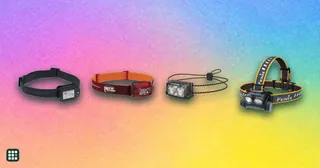
Popular headlamps side by side, from $20 AAA lamps for camp chores to rechargeable 1,000+ lumen lamps for night running and hiking. The trade-offs are brightness and runtime against weight, price and how you keep it powered.
-
 Portable generators
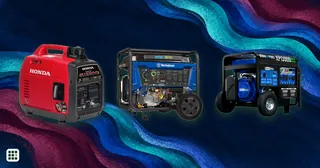
Compare portable gas generators by usable running power, fuel choices, portability, noise and safety features. Small inverter models suit camping and electronics; larger open-frame and dual-fuel models can handle more household loads but are heavier and louder.
-
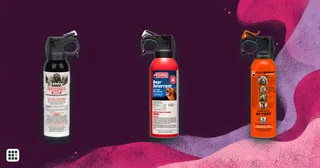 Bear spray
 is a pepper-based deterrent you carry in bear country. This grid sets the main EPA-registered US brands side by side on canister size, how far and how long they spray, and what each one includes. The real trade-off is range and spray time against weight and price.
-
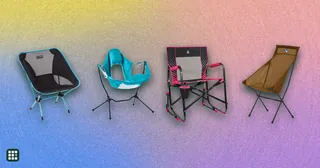 Camping chairs
Popular camping chairs side by side, from 1 lb backpacking chairs that pack smaller than a water bottle to padded recliners and rockers for the campsite. The trade-off is comfort, height and sturdiness against weight, packed size and price.
-
 Sleeping bags
Popular sleeping bags side by side, from ultralight down mummies for backpacking to roomy synthetic bags for car camping. The choice is warmth for the coldest night you expect against weight, packed size and price, with down lighter and more compact and synthetic cheaper and better when wet.
-
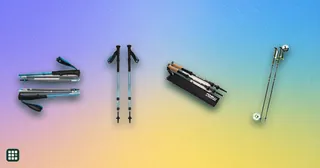 Trekking poles
 take load off your knees on descents and add stability on rough or wet trails. This grid compares popular carbon and aluminum poles across price, weight per pair, shaft material, folding or telescoping design, lock type, grip, length range and warranty, so you can see the real trade-offs between a light, packable carbon pole and a cheaper, tougher aluminum one.