



Trekking poles
Trekking poles take load off your knees on descents and add stability on rough or wet trails. This grid compares popular carbon and aluminum poles across price, weight per pair, shaft material, folding or telescoping design, lock type, grip, length range and warranty, so you can see the real trade-offs between a light, packable carbon pole and a cheaper, tougher aluminum one.
Last updated
How to choose
Start with how you hike. Occasional day hikers rarely need to pay for the lightest pole; long backpacking trips and fast hiking reward every saved ounce.
Rule out deal-breakers
- Packed length: if the poles must fit in a carry-on or on a small pack, check the collapsed length. Folding poles pack smallest.
- Adjustable or fixed length: fixed Z-fold poles are the lightest, but you must buy the right size. Adjustable poles fit uphill, downhill and several users.
- Length range: short hikers and children need a low minimum; tall hikers need a high maximum.
Compare the key features
- Shaft material: carbon is lighter and damps vibration but can snap under a sharp side load; aluminum is heavier and bends instead of breaking.
- Locks: external lever locks are fast and easy with gloves; twist locks are lighter but can slip when wet or worn.
- Grip: cork wicks sweat, foam is light and warm, rubber is cheap. A foam extension below the grip helps on slopes.
Check the full cost
Regular prices are used here; many makers run permanent sales. Check the warranty length and whether it covers breakage, since carbon shafts are sometimes excluded.
Judge the claims
Weights are the maker's figure for the pair, sometimes for the shortest size, and several pair weights here are doubled per-pole figures (marked as estimates). Compare packed length and lock type, not just weight.
Answer
Browse the table. Filter to what matters.
Use the filters below, then sign in if you want to shortlist and decide with friends.
Sign in to vote, hide products and features, and reorder.
Verified: hover a cell and click its green dot for the source Estimate: no cited source Not stated: the maker doesn't publish it
| Feature | ⠿ | ⠿ | ⠿ | ⠿ | ⠿ | ⠿ | ⠿ | ⠿ | ⠿ | ⠿ | ⠿ |
|---|---|---|---|---|---|---|---|---|---|---|---|
|
⠿
Price
|
|||||||||||
|
⠿
Weight per pair
|
16.1 oz
|
15.4 oz
|
|||||||||
|
⠿
Shaft material
|
|||||||||||
|
⠿
Pole style
|
Telescoping
|
||||||||||
|
⠿
Number of sections
|
3 sections
|
||||||||||
|
⠿
Lock type
|
|||||||||||
|
⠿
Adjustable length
|
|||||||||||
|
⠿
Minimum length
|
|||||||||||
|
⠿
Maximum length
|
|||||||||||
|
⠿
Packed length
|
|||||||||||
|
⠿
Grip material
|
|||||||||||
|
⠿
Extended grip below main grip
|
|||||||||||
|
⠿
Wrist strap
|
|||||||||||
|
⠿
Shock absorbing
|
|||||||||||
|
⠿
Tips
|
|||||||||||
|
⠿
Warranty
|





Why these features matter
-
Price ($)
Poles run from about $30 to $230. Carbon and folding designs cost more; budget aluminum works fine for occasional hikers.
-
Weight per pair (oz)
Every ounce is lifted thousands of times a day. It matters most on long hikes and less for short trips.
-
Shaft material
Carbon is lighter and damps vibration but can snap under side loads. Aluminum is heavier but bends rather than breaks.
-
Pole style
Folding poles pack smaller; telescoping poles are simpler and cheaper.
-
Number of sections (sections)
More sections pack smaller but add joints and weight.
-
Lock type
Lever locks are quick to adjust with gloves; twist locks are lighter but can slip.
- Lever lock
- : A clamp on the outside of the shaft opens and closes to adjust length. It is quick to use and easy to tighten in the field.
- Twist lock
- : The shaft sections twist to lock at a chosen length. It keeps the outside smooth but can take more effort to adjust.
- Push button
- : A button releases the folding sections for setup or packing; the length adjustment is separate.
-
Adjustable length
Adjustable poles fit uphill and downhill and shared use; fixed poles save weight.
-
Minimum length (in)
Shows whether the pole is short enough for children, short hikers or steep climbs.
-
Maximum length (in)
Tall hikers need a pole that reaches a comfortable elbow-height grip.
-
Packed length (in)
A shorter packed length fits in a carry-on or on a small pack.
-
Grip material
Cork wicks sweat and molds to your hand; foam is light and warm; rubber is cheap and durable.
-
Extended grip below main grip
Lets you choke down on the pole on slopes without readjusting length.
-
Wrist strap
A padded adjustable strap lets you rest your hand weight on the strap.
- Harness strap
- : A glove-like strap supports the hand without a tight grip. It can reduce pressure for long walks, but may feel bulky.
-
Shock absorbing
Anti-shock can ease joints on long descents but adds weight and a rattle.
-
Tips
Carbide tips grip rock; baskets keep poles from sinking in mud or snow.
- Carbide tips
- : Hard metal tips bite into rock and dirt. Use rubber boots on pavement to avoid scratching surfaces and reduce noise.
-
Warranty
Poles break; a longer warranty lowers the cost of a failure.
About the products
-
Distance Carbon Z · Black Diamond
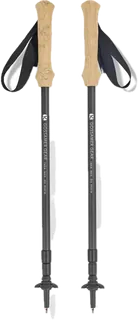
Fixed-length, three-section Z-fold carbon poles for fast hiking and trail running. Very light and compact, but each pair is one length, so pick your size first.
-
Trail Back · Black Diamond
A budget aluminum telescoping pole with FlickLock adjustment and a 2-year warranty. Heavier than carbon, but a durable everyday pick.
-
Alpine Carbon Cork · Black Diamond
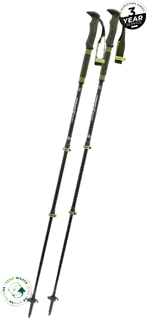
Adjustable carbon poles with cork grips, an EVA foam extension and FlickLock Pro locks. A strong all-round choice for hikers who want light weight without losing adjustability.
-
Black Series FX Carbon · Leki
Folding, adjustable carbon poles with cork grips and Speed Lock 2+ levers. Currently $199.95 on sale (regularly $249.95); they pack small but still cost more than most telescoping poles.
-
Makalu Lite Cork · Leki
A three-section aluminum telescoping pole with a cork Aergon Air grip and Speed Lock+ levers. Heavier than carbon, but a proven mid-priced all-rounder.
-
Gossamer Gear LT5 · Gossamer Gear
Ultralight three-piece carbon poles with twist locks and EVA foam grips. Among the lightest adjustable poles here, at a premium price; the product page showed sold out when checked.
-
Carbon Fiber Quick Lock · Cascade Mountain Tech
A low-priced carbon telescoping pole with a cork grip and quick-lock levers. Good value, but it collapses to a longer 26 inches than most.
-
Aluminum Quick Lock · Cascade Mountain Tech
One of the cheapest ways to get adjustable poles, with a cork grip, foam extension and wrist straps. Heaviest option here.
-
Ultra Strong · Montem
Three-section 7075 aluminum poles with flick locks, EVA foam grips and a lifetime warranty (sign-up required). Stock varies by color.
-
Carbon Fiber Trekking Poles · Foxelli
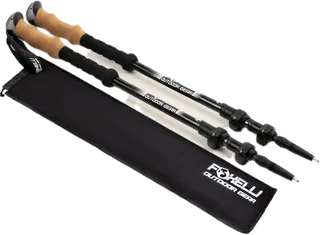
Cork-grip carbon poles with flip locks and a long list of included tips and baskets. The page shows a permanent half-price sale; its list price is used here.
-
Carbon Pro Zero · Komperdell
Adjustable carbon poles with a titanal lower section, Powerlock 3.0 locks and a 3-year repair service. Replaces the older C3 Carbon Pro.
Suggest a change
Related comparisons
-
 Kayaks
Compare recreational, touring, sit-on-top, fishing, inflatable and folding kayaks from Eddyline, Old Town, Ocean Kayak, Dagger, Wilderness Systems, Perception, Delta, Sea Eagle and Oru on price, length, width, weight, capacity, hatches, bulkheads, skeg or rudder and seating. The main trade-offs: stability versus speed, weight on your shoulders versus price, and storage space versus setup time.
-
 Climbing gyms in Austin, US
Austin has a handful of big climbing gyms inside city limits: two bouldering-only Bouldering Project gyms in East and South Austin, Mesa Rim's 55-foot rope walls in North Austin, Crux's bouldering gym in Central Austin and its new rope-and-bouldering gym in far South Austin, plus the University of Texas wall in Gregory Gym. This grid compares what you can climb (bouldering, top rope, lead), wall height, day pass, rentals, punch cards and memberships with joining fees, belay certification, yoga and sauna, age rules, who can use it, hours, parking and how membership cancellation works.
-
 Indoor bike trainers
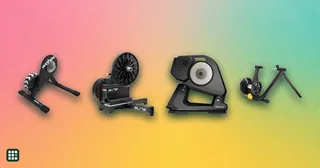
 turn your own bike into a stationary trainer for winter, bad weather or structured workouts. The big choices are direct drive versus wheel-on or rollers, smart (app-controlled resistance) versus classic, and how much realism, quietness and accuracy you want to pay for. This grid compares current models on bike fit, resistance, noise, app connectivity and full cost.
-
 Bear spray
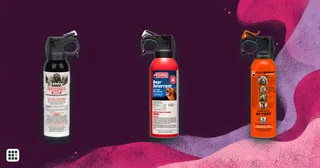
 is a pepper-based deterrent you carry in bear country. This grid sets the main EPA-registered US brands side by side on canister size, how far and how long they spray, and what each one includes. The real trade-off is range and spray time against weight and price.
-
 Camping chairs
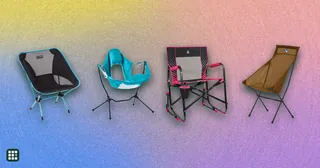
Popular camping chairs side by side, from 1 lb backpacking chairs that pack smaller than a water bottle to padded recliners and rockers for the campsite. The trade-off is comfort, height and sturdiness against weight, packed size and price.
-
 Sleeping bags
Popular sleeping bags side by side, from ultralight down mummies for backpacking to roomy synthetic bags for car camping. The choice is warmth for the coldest night you expect against weight, packed size and price, with down lighter and more compact and synthetic cheaper and better when wet.