



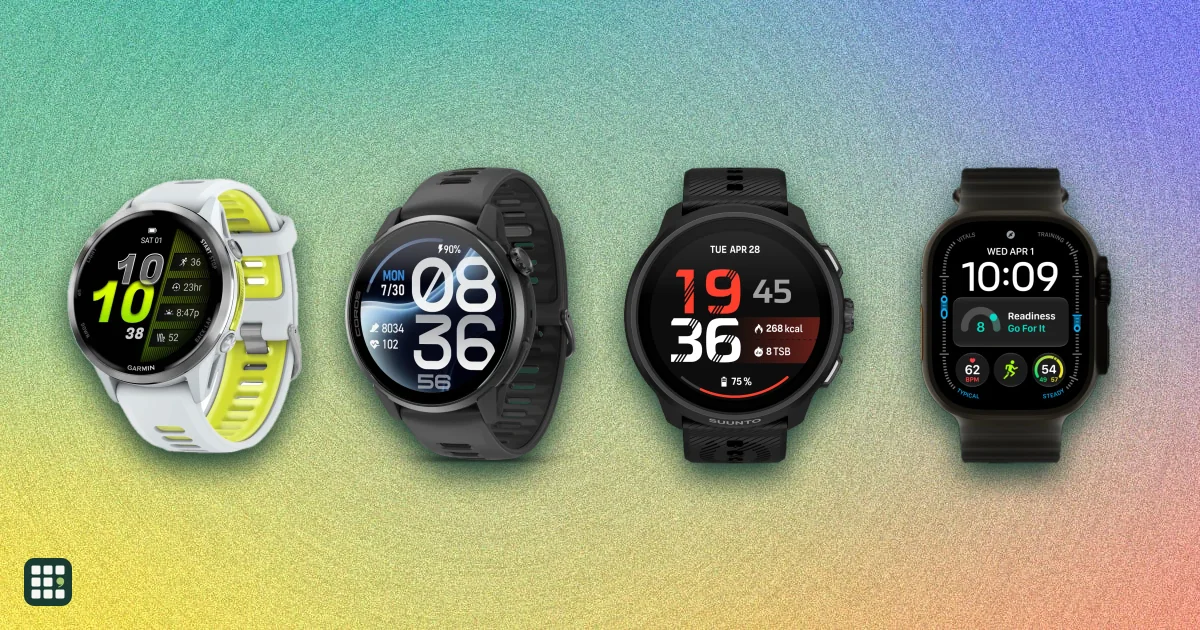
GPS running watches
GPS running watches track pace, distance and heart rate without a phone, and the better ones add training guidance, maps and music. This grid compares current models from Garmin, COROS, Suunto, Polar, Apple, Samsung and Amazfit, from about $200 entry watches to $1,000+ adventure flagships. The real trade-offs are battery life against a bright AMOLED screen, accurate multi-band GPS, offline maps, and how much training analysis you will actually use.
Last updated
How to choose
Start with how you run
- Road runner training for 5K to marathon: an entry or mid-range running watch covers pace, heart rate, intervals and a free adaptive plan. You rarely need maps or titanium.
- Trail and ultra runner: prioritise battery hours in multi-band GPS mode, offline topo maps with routing, and a tough lens.
- Triathlete: look for open-water swim and bike sensor support; every flagship here does both.
- Want one watch for everything: Apple Watch Ultra and Galaxy Watch Ultra are the best smartwatches, but need daily or two-day charging and only work with one phone platform.
Rule out deal-breakers first
- Phone: Apple Watch needs an iPhone; Samsung's watches need Android. Garmin, COROS, Suunto, Polar and Amazfit work with both.
- Battery: check the multi-band GPS figure, not the headline smartwatch days. Your longest race should fit with a margin of a few hours.
- Size and weight: big adventure watches can weigh twice as much as a light running watch, which you notice over long runs and in bed.
Compare the features that change daily use
- Display: AMOLED looks like a phone and is easy to read indoors; MIP screens read best in bright sun and last much longer per charge.
- Multi-band GPS: markedly better tracks near tall buildings and under trees. Most watches above entry level have it now.
- Music and payments: worth paying for only if you want to leave the phone at home. Some models sell a separate music edition.
- Training insight: readiness scores, training load and adaptive plans are useful, but the brands' apps differ more than the watches. Try the app before you buy if you can.
Understand the full cost
None of these sports watches need a subscription for core features, though Garmin sells an optional Connect+ plan and LTE models need a cellular plan. Older models such as the Forerunner 165, fenix 8 and PACE 3 are still sold and often discounted, and give most of the newer model's value.
Judge the claims
Battery numbers are makers' lab claims; heavy backlight, always-on screens, music and cold weather cut them. Wrist heart rate and running power are estimates; serious interval or power training benefits from a chest strap.
Answer
Browse the table. Filter to what matters.
Use the filters below, then sign in if you want to shortlist and decide with friends.
Sign in to vote, hide products and features, and reorder.
Verified: hover a cell and click its green dot for the source Estimate: no cited source Not stated: the maker doesn't publish it
| Feature | ⠿ | ⠿ | ⠿ | ⠿ | ⠿ | ⠿ | ⠿ | ⠿ | ⠿ | ⠿ | ⠿ | ⠿ | ⠿ | ⠿ | ⠿ | ⠿ | ⠿ | ⠿ | ⠿ | ⠿ | ⠿ | ⠿ | ⠿ | ⠿ | ⠿ | ⠿ | ⠿ |
|---|---|---|---|---|---|---|---|---|---|---|---|---|---|---|---|---|---|---|---|---|---|---|---|---|---|---|---|
|
⠿
Price
|
|||||||||||||||||||||||||||
|
⠿
Phone compatibility
|
iPhone and Android
|
iPhone and Android
|
iPhone and Android
|
iPhone and Android
|
iPhone and Android
|
iPhone and Android
|
iPhone and Android
|
iPhone and Android
|
|||||||||||||||||||
|
⠿
Display type
|
|||||||||||||||||||||||||||
|
⠿
Screen size
|
|||||||||||||||||||||||||||
|
⠿
Touchscreen
|
|
|
|
|
|||||||||||||||||||||||
|
⠿
Battery smartwatch mode
|
|||||||||||||||||||||||||||
|
⠿
Battery GPS mode
|
|||||||||||||||||||||||||||
|
⠿
Battery multiband GPS
|
Doesn't apply
|
Doesn't apply
|
Doesn't apply
|
Doesn't apply
|
|||||||||||||||||||||||
|
⠿
Multiband GPS
|
|
|
|
|
|||||||||||||||||||||||
|
⠿
Maps
|
No maps or routes
|
||||||||||||||||||||||||||
|
⠿
Music storage
|
|
|
|
|
|
|
|||||||||||||||||||||
|
⠿
Weight
|
|||||||||||||||||||||||||||
|
⠿
Water resistance
|
|||||||||||||||||||||||||||
|
⠿
Wrist running power
|
|
|
|
|
|
|
|
|
|
|
|||||||||||||||||
|
⠿
Adaptive training plans
|
|
|
|
|
|||||||||||||||||||||||
|
⠿
Training readiness score
|
|
|
|
||||||||||||||||||||||||
|
⠿
ECG
|
|
|
|
|
|
|
|
|
|
|
|
|
|
|
|
|
|
|
|
|
|||||||
|
⠿
Mobile payments
|
|
|
|
|
|
|
|
|
|
|
|
|
|
|
|
||||||||||||
|
⠿
Cellular LTE
|
|
|
|
|
|
|
|
|
|
|
|
|
|
|
|
|
|||||||||||
|
⠿
Flashlight
|
|
|
|
|
|
|
|
|
|
|
|
|
|
|
|
|
|
|
|
||||||||
|
⠿
Solar charging
|
|
|
|
|
|
|
|
|
|
|
|
|
|
|
|
|
|
|
|
|
|
|
|||||
|
⠿
Lens material
|
Mineral glass
|
Mineral glass
|
Sapphire crystal
|
Why these features matter
-
Price ($)
The single biggest split: entry running watches cost a third of flagships, and most runners need far less than the top model.
-
Phone compatibility
Apple Watch needs an iPhone and Samsung's watches need Android; every sports-brand watch here works with both.
-
Display type
AMOLED is bright and sharp but costs battery; MIP reads best in direct sun and lasts far longer. Pick by whether you value looks or weeks between charges.
-
Screen size (in)
Bigger screens show more data fields and maps; smaller ones fit slim wrists and feel lighter.
-
Touchscreen
Touch makes maps and menus quicker; buttons work with gloves, rain and sweat. Most good running watches have both.
-
Battery smartwatch mode (days)
Decides how often you charge. A week or more means you can forget the charger on a trip.
-
Battery GPS mode (hr)
Marathon and ultra runners need enough hours to finish; most runners only need 15+ hours to charge weekly.
-
Battery multiband GPS (hr)
Multi-band tracks best near tall buildings and trees but drains faster; this is the honest runtime for accurate race tracking.
-
Multiband GPS
Gives much more accurate pace and distance in cities, canyons and forests. Matters less on open roads.
-
Maps
Trail and ultra runners use maps to stay on course; road runners rarely need more than breadcrumb routes.
-
Music storage
Lets you leave the phone at home and still run with music or podcasts.
-
Weight (g)
Light watches disappear on the wrist over long runs and while sleeping; heavy ones bounce more.
-
Water resistance (m)
All of these survive rain and swimming; 100 m matters only for snorkeling and water sports.
-
Wrist running power
Power reacts faster than heart rate to hills and wind, useful for pacing hilly races.
-
Adaptive training plans
A free coach that adjusts as you go helps first marathoners; experienced runners may ignore it.
-
Training readiness score
Helps decide whether to train hard or easy today, which reduces overtraining and injury.
-
ECG
Can flag atrial fibrillation; useful for older runners or anyone with heart concerns.
-
Mobile payments
Buy a drink mid-run without carrying cards or a phone.
-
Cellular LTE
Lets you call, text and share live location without a phone, a safety plus for solo runners.
-
Flashlight
Handy on dark early runs and camping; not needed for daylight road runners.
-
Solar charging
Stretches battery on long outdoor days; makes little difference to people who run an hour at a time.
-
Lens material
Sapphire resists scratches from rocks and walls; glass is cheaper and fine for road running.
About the products
-
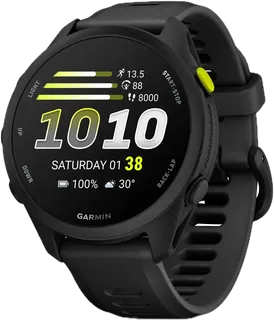
Forerunner 70 · Garmin
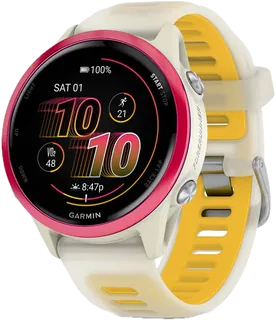
Garmin's 2026 entry running watch: AMOLED screen, wrist running power, Training Readiness and free adaptive Garmin Coach plans for about $250. No multi-band GPS, music or Garmin Pay.
-
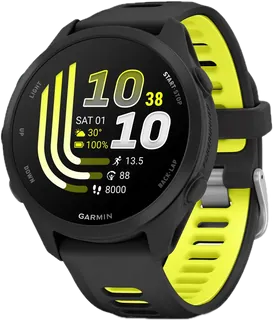
Forerunner 170 · Garmin
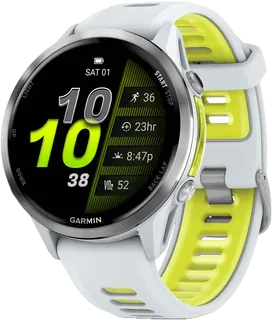
Adds Garmin Pay, open-water swim and cycling power-meter support to the Forerunner 70 for $50 more. Music storage costs extra in the 170 Music edition; still single-band GPS.
-
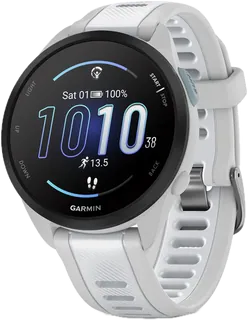
Forerunner 165 · Garmin · Superseded May 2026
The previous entry Forerunner, replaced by the 170 in May 2026 but still sold at the same $249.99. Has Garmin Pay, but lacks Training Readiness and multi-band GPS; music needs the Music edition.
-
Forerunner 570 (42 mm) · Garmin
Mid-range Garmin with multi-band GPS, music, Garmin Pay, triathlon modes and the full training-readiness suite. Battery is short for the price (13 hours in multi-band mode) and there are no maps.
-
Forerunner 970 · Garmin
Garmin's flagship running watch: sapphire lens, full offline maps, LED flashlight, ECG and 21 hours of multi-band GPS in a 56 g watch. The choice for marathoners who want everything without an adventure-watch bulk.
-
fenix 9 (43 mm) · Garmin
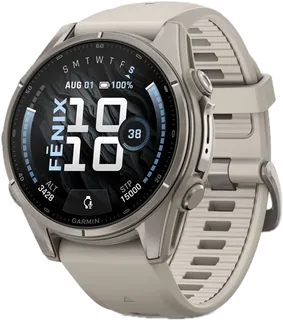
Garmin's 2026 premium multisport and adventure watch, here in the smallest 43 mm size with sapphire, maps, flashlight, speaker and 10 ATM rating. Pricey, and the small size has modest battery for an outdoor watch.
-
fenix 8 (43 mm AMOLED) · Garmin · Superseded Aug 2026
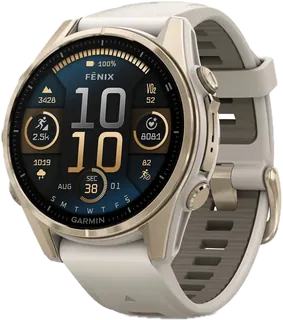
Previous-generation fenix, replaced by the fenix 9 in August 2026 and still sold. Rugged, with maps, flashlight, ECG and 21 hours of multi-band GPS in the 43 mm size; preloaded maps need a Sapphire edition.
-
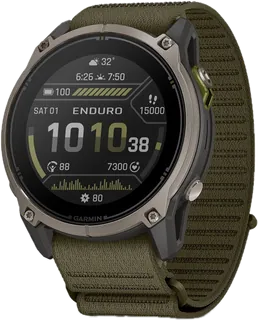
Enduro 4 · Garmin
Ultra-distance watch with a solar MIP screen: up to 80 hours of standard GPS and 60 hours in max-accuracy mode before solar, plus maps, flashlight and music. The screen is less vivid than AMOLED.
-
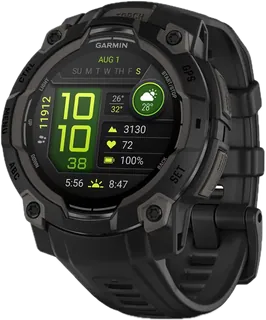
Instinct 3 (45 mm AMOLED) · Garmin
Rugged, button-only Garmin with an AMOLED screen, multi-band GPS, flashlight, Garmin Pay and 18-day battery for $349.99. No touchscreen, maps, music or Garmin Coach plans.
-
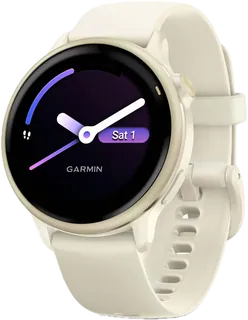
vivoactive 6 · Garmin
A fitness smartwatch more than a running watch: light, AMOLED, music and Garmin Pay for $299.99. Lacks multi-band GPS, running power and Training Readiness.
-
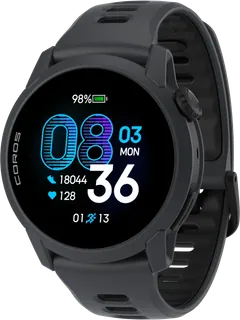
PACE 4 · COROS
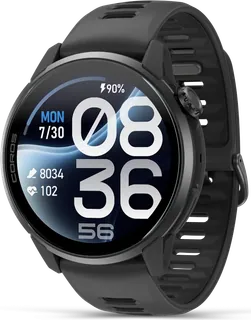
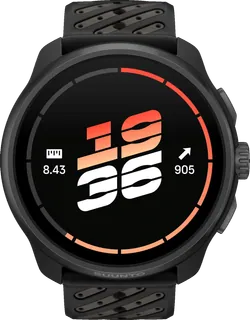
COROS's light AMOLED running watch: multi-band GPS, music and around 41 hours of standard GPS for $249. No payments; maps are limited.
-
PACE 4 Pro · COROS
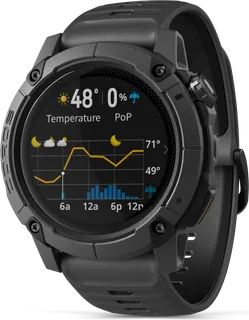
Bigger-screen PACE with sapphire lens, full offline maps, flashlight and 40 hours of multi-band GPS for $449. A lot of battery and navigation for the price; no tap-to-pay.
-
PACE 3 · COROS · Superseded Nov 2025
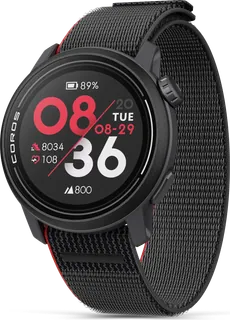
Older, ultra-light (30 g) COROS with a memory-LCD screen, multi-band GPS, music and 38 hours of GPS for $199. Superseded by the PACE 4 and partly out of stock.
-
APEX 4 · COROS
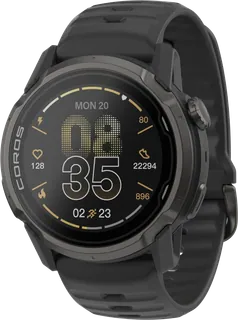
Premium compact COROS with a sapphire lens, full offline maps and a sunlight-readable MIP screen. Starts at $429 for 42 mm.
-
NOMAD · COROS
COROS's adventure watch for hiking and trail running: full offline maps, MIP screen and 50 hours of GPS for $349.
-
VERTIX 2S · COROS
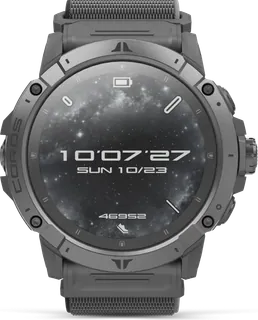
COROS's expedition flagship with 118 hours of standard GPS and 43 hours of multi-band, maps and sapphire. Shown out of stock on coros.com when checked.
-
Suunto Run 2 · Suunto
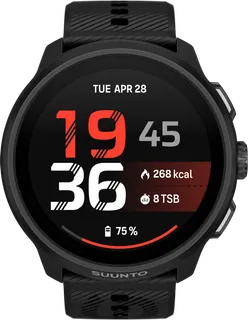
Suunto's 2026 light AMOLED running watch: 53 g with strap, dual-band GPS, free offline maps and music storage from $349.
-
Suunto Run · Suunto · Superseded Sep 2026
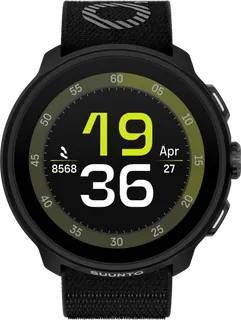
The original Suunto Run, now succeeded by the Run 2 and often discounted. Very light (36 g), AMOLED, dual-band GPS and music, but no offline maps.
-
Race 2 · Suunto
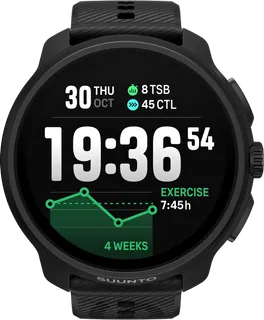
Large AMOLED sports watch with sapphire, free offline maps and 55 hours of dual-band GPS for $499. No music storage.
-
Race 3S · Suunto
Compact titanium Race with sapphire, offline maps, music (a first for the Race line) and 38 hours of dual-band GPS. $599.
-
Vertical 2 · Suunto
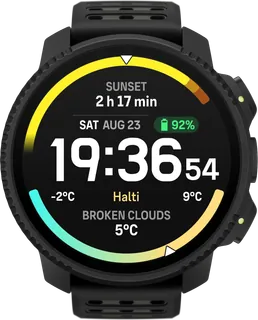
Suunto's adventure watch: 65 hours of dual-band GPS, offline maps, LED flashlight and 100 m water rating, but heavy at 87 g.
-
Grit X2 · Polar
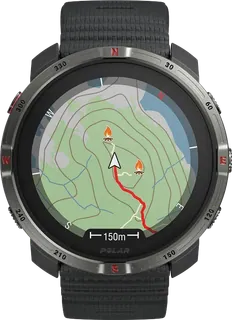
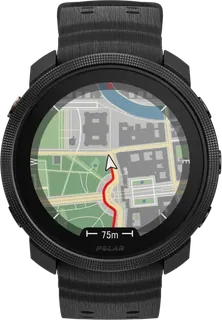
Rugged Polar outdoor watch with sapphire glass, full-color offline maps, wrist ECG sensor and Polar's strong recovery tools (Nightly Recharge). Only 30 hours of GPS and no music storage.
-
Vantage V3 · Polar
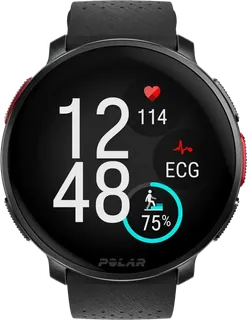
Polar's premium multisport watch: AMOLED, dual-frequency GPS, offline maps and 43 hours of GPS. Best for data-driven training; no music or payments.
-
Vantage M3 · Polar
A smaller, cheaper Vantage with nearly the same training and recovery features, AMOLED and offline maps for $499.99. 30 hours of GPS, no music storage.
-
Apple Watch Ultra 4 (49 mm) · Apple
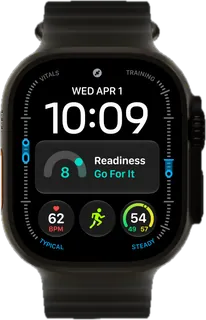
The most capable smartwatch here, with cellular, Apple Pay, ECG, offline maps and a readiness score. Needs an iPhone, and the battery lasts about two days, far less than sports watches.
-
Galaxy Watch Ultra2 (47 mm LTE) · Samsung
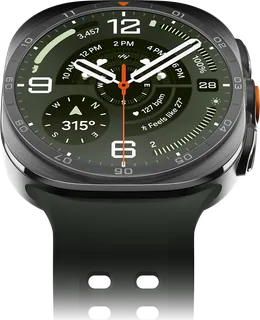
Samsung's rugged LTE smartwatch for Android phones, with dual-frequency GPS, payments and an Energy Score. Battery is measured in days, not weeks; Android only.
-
Cheetah 2 Pro · Amazfit
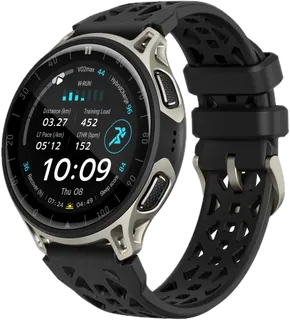
Strong value: titanium, sapphire, offline maps, music, flashlight and adaptive Zepp Coach plans for $449.99, with 31 hours of dual-band GPS. No tap-to-pay or ECG.
Suggest a change
Related comparisons
-
 Trail running shoes
Compare 18 trail running shoes from HOKA, Altra, Brooks, La Sportiva, Merrell, New Balance, Nike, On, Salomon, Saucony and adidas, from $145 to $225 in the US. The big trade-offs are cushioning versus ground feel, grip versus road comfort, and drop. Weight, stack height, drop and lug depth are lab measurements from RunRepeat, so the numbers compare like for like rather than relying on each brand's own claims.
-
 Open-ear headphones
 sit near your ears instead of blocking them, so you hear traffic, coworkers and music at once. They suit runners, cyclists and office workers. The trade-offs are bass, sound leakage and battery life.
-
 Treadmills
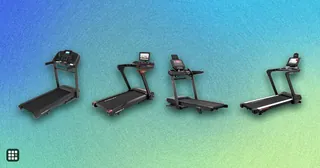
Compare home treadmills side by side: motor power, top speed, incline and decline, deck size, user weight limit, folding, screen, subscription and warranty. The main choices are how hard you will use it (walking or running), how much space you have, and whether you want built-in classes or a simple machine that works with any app.
-
 Hydration packs
Compare running hydration vests and compact packs by gear capacity, dry weight, included bottles or bladder, and list price.
-
 Headlamps
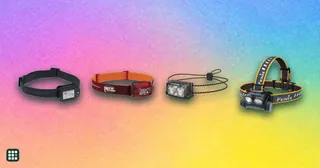
Popular headlamps side by side, from $20 AAA lamps for camp chores to rechargeable 1,000+ lumen lamps for night running and hiking. The trade-offs are brightness and runtime against weight, price and how you keep it powered.
-
 Smart rings
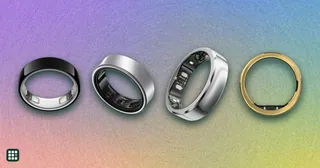
 track sleep, recovery, and daily health signals in a screen-free form. Compare the hardware price and any membership with battery life, phone requirements, sizing, and the health features each maker actually offers. These are wellness tools: a ring’s alert or estimate is not a diagnosis.