



Wearables
Smartwatches, rings, trackers, and health sensors compared for fit, cost, accuracy limits, and what each one measures.
These comparisons cover devices you wear all day: smartwatches, fitness bands, rings, sleep trackers, and medical sensors that stream health data to your phone. Some are general wellness tools; others are cleared for diabetes or clinical use and come with prescription rules and recurring sensor costs.
Questions that show up on almost every grid. Phone and ecosystem fit: Many watches work fully only with iPhone or only with Android, and some rings or bands need a particular app. Upfront price versus ongoing cost: Memberships, cellular plans, and disposable sensors can dwarf the hardware price. Wellness estimate or medical device? Sleep scores and recovery metrics are not diagnoses; CGM and similar tools have different rules and audiences. Comfort and battery: Screen size, ring sizing, and whether you charge daily or weekly change whether you actually keep wearing it.
Where to start
- Everyday watch with apps and calls: Smartwatches
- Steps and workouts without a big screen: Fitness trackers
- Health tracking in a ring: Smart rings
- Overnight sleep detail: Sleep trackers
- Compare wellness and medical wearables: Wearable health technology
- Continuous glucose monitoring: Continuous glucose monitors
-
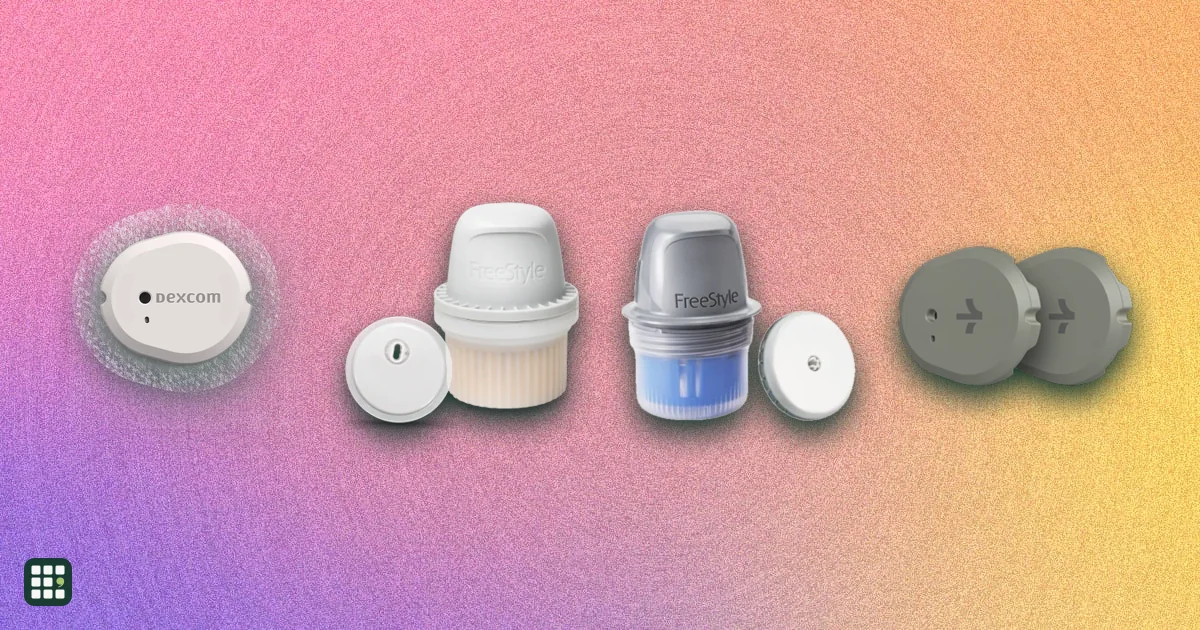 Continuous glucose monitors
12 products · Updated Nov 1, 2026
Continuous glucose monitors (CGMs) track glucose in fluid just under the skin and send readings to a phone, receiver, or connected insulin system. The choice depends on who the device is cleared for, how it displays and alerts, sensor wear time, pump compatibility, and recurring cost. OTC wellness sensors have narrower uses than prescription diabetes systems.
-
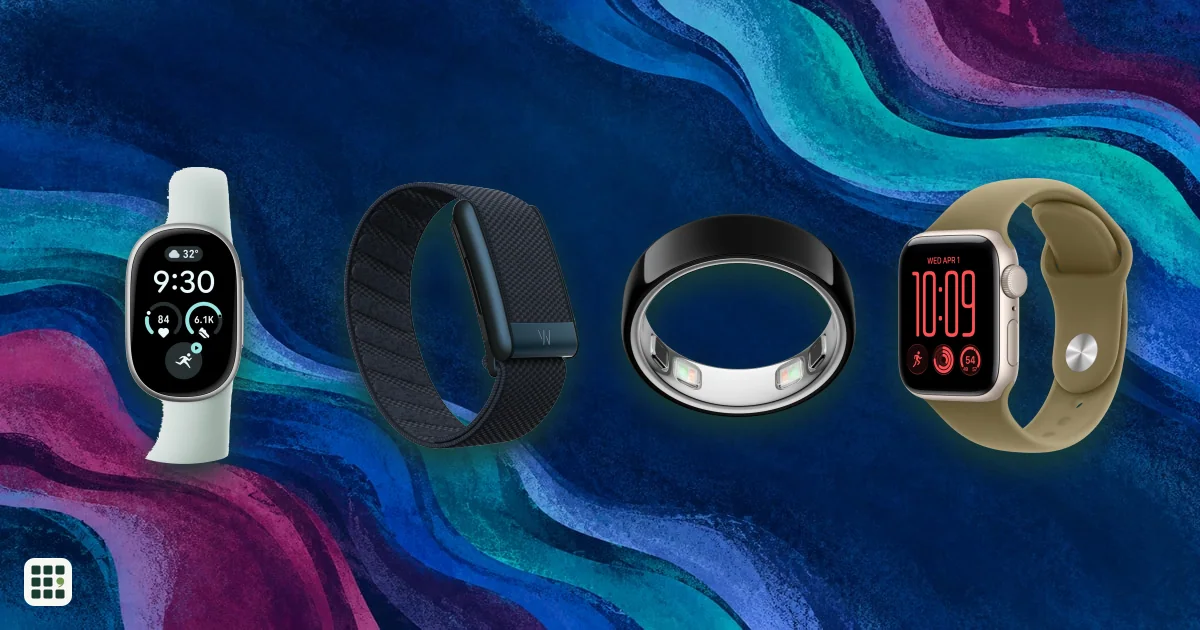 Fitness trackers
20 products · Updated Nov 11, 2026
Compare fitness trackers sold in the US: slim bands, screenless straps, smart rings and fitness-focused watches from Fitbit, Garmin, WHOOP, Oura, Amazfit, Samsung, Apple and others. The trade-offs are price and subscriptions, screen versus discreet design, built-in GPS for workouts, battery life, and which health sensors you actually want.
-
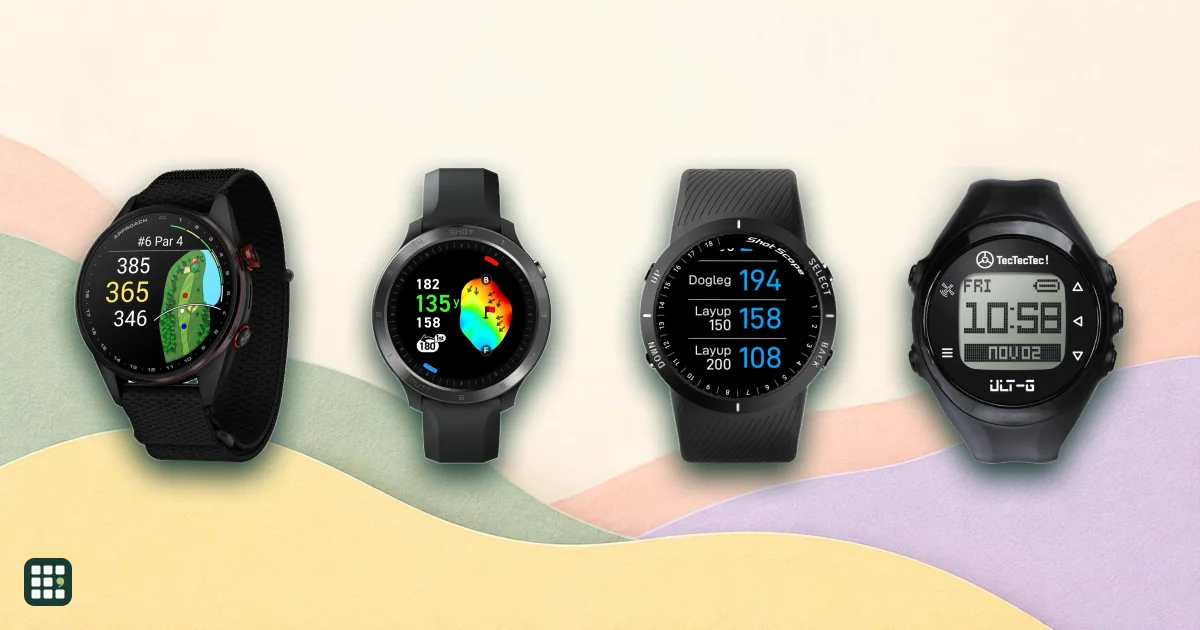 Golf GPS watches
18 products · Updated Nov 12, 2026
Golf GPS watches put front, center, and back yardages on your wrist, with no aiming and no phone needed on the course. They range from simple distance-only watches around $110 to full smartwatches near $800 that add slope-adjusted distances, hole maps, automatic shot tracking, and health tracking. This grid compares the current watches from Garmin, Shot Scope, Voice Caddie, Bushnell, SkyCaddie, and TecTecTec on the things that change the choice: what you see on the course, whether anything needs a subscription, battery life, screen, and everyday smartwatch features.
-
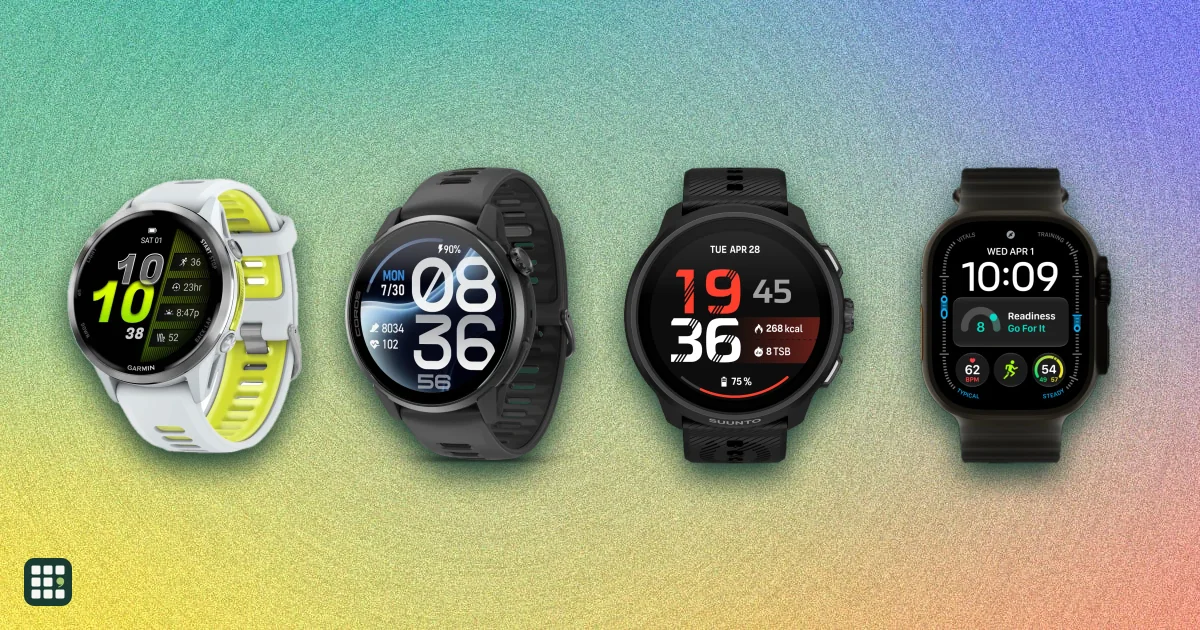 GPS running watches
27 products · Updated Nov 12, 2026
GPS running watches track pace, distance and heart rate without a phone, and the better ones add training guidance, maps and music. This grid compares current models from Garmin, COROS, Suunto, Polar, Apple, Samsung and Amazfit, from about $200 entry watches to $1,000+ adventure flagships. The real trade-offs are battery life against a bright AMOLED screen, accurate multi-band GPS, offline maps, and how much training analysis you will actually use.
-
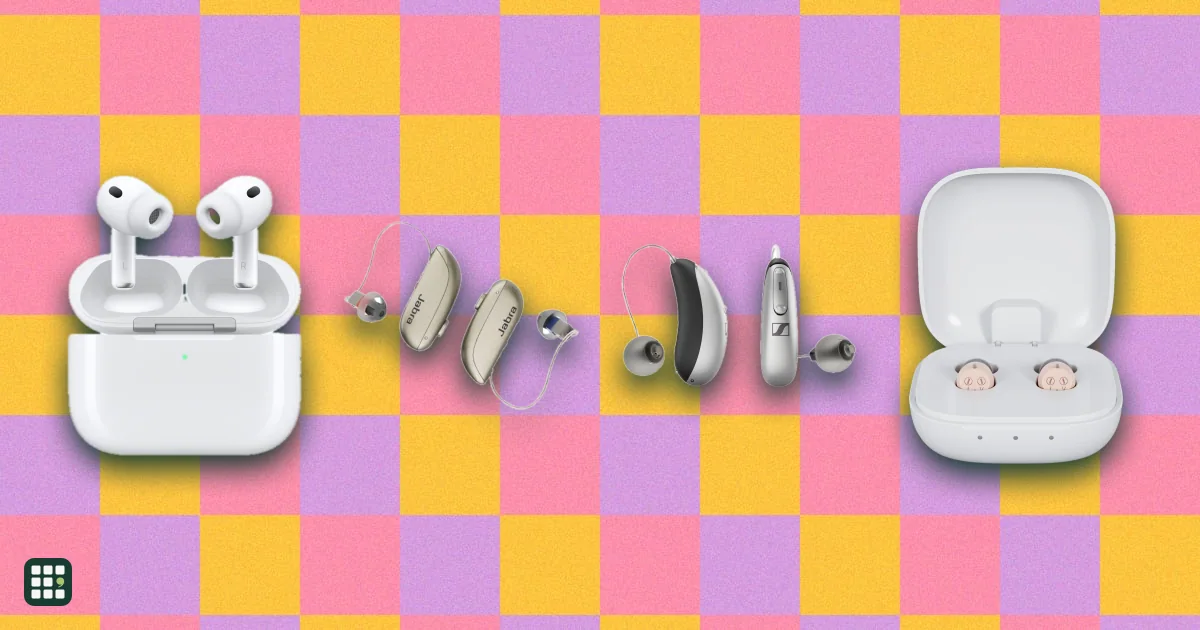 OTC hearing aids
19 products · Updated Nov 16, 2026
Over-the-counter hearing aids side by side, from earbuds with a built-in hearing aid mode to nearly invisible in-canal aids and models with remote audiologist care. Since 2022, US adults with mild to moderate hearing loss can buy hearing aids without a prescription; the choice is between price, how well the sound is fitted to your hearing, comfort and visibility, and how much help you get afterwards.
-
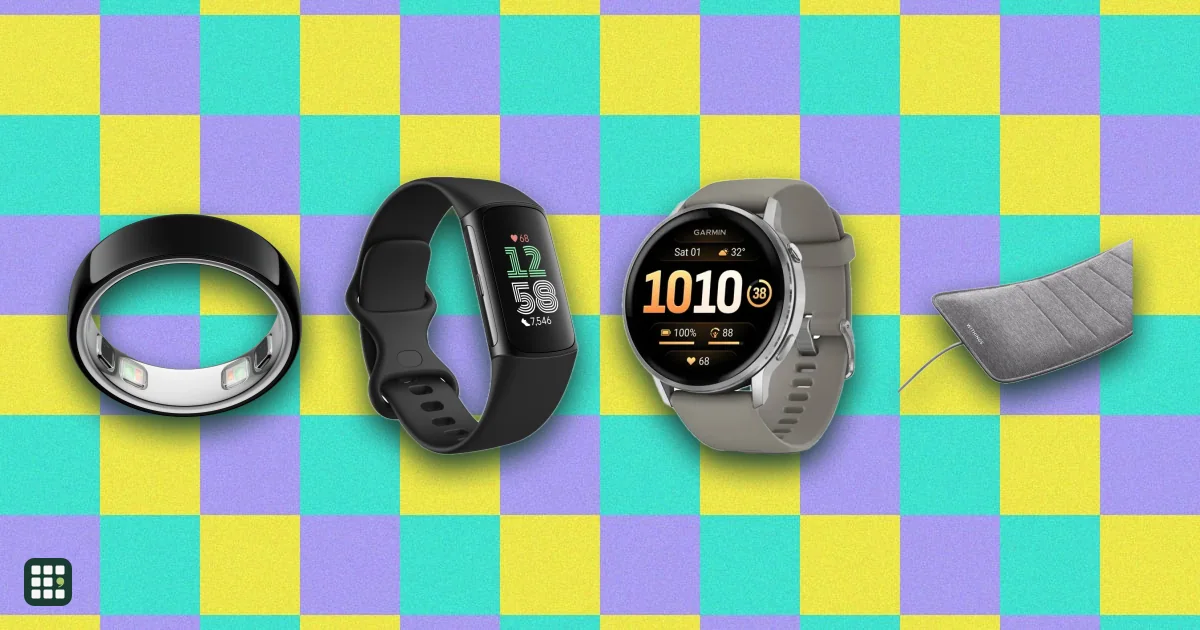 Sleep trackers
20 products · Updated Nov 12, 2026
Sleep trackers estimate when and how you sleep using motion and body signals. Form factor, overnight comfort, sensor coverage, battery life, phone compatibility, and recurring app fees can matter as much as the score shown each morning. Apnea features vary by device and region and should not be treated as a diagnosis.
-
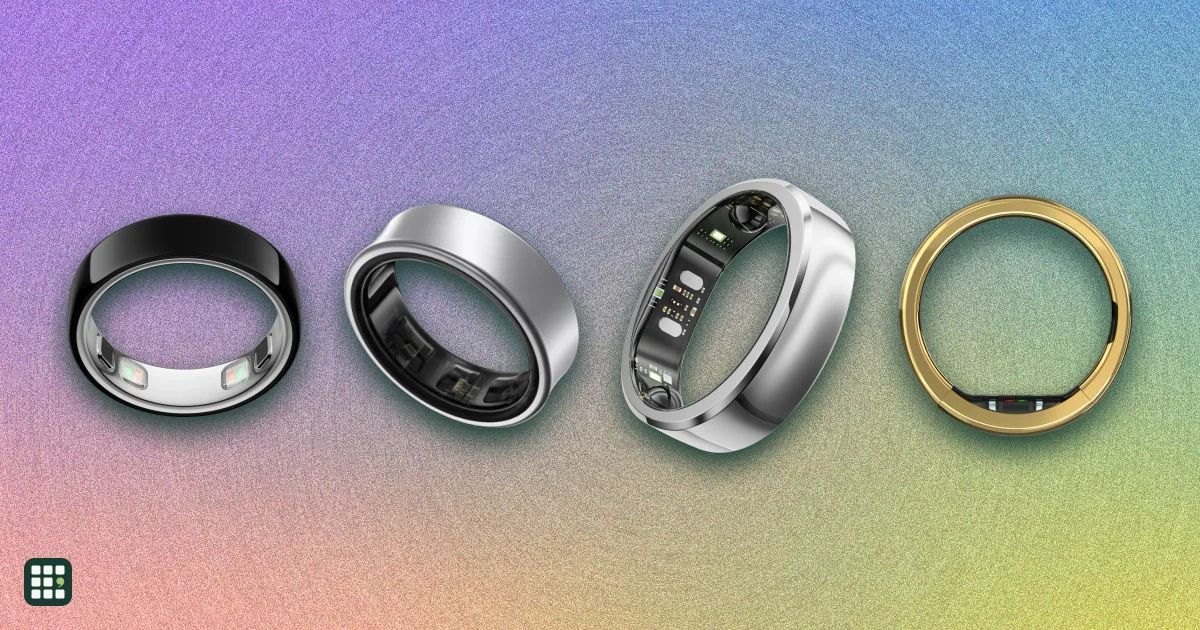 Smart rings
11 products · Updated Nov 16, 2026
Smart rings track sleep, recovery, and daily health signals in a screen-free form. Compare the hardware price and any membership with battery life, phone requirements, sizing, and the health features each maker actually offers. These are wellness tools: a ring’s alert or estimate is not a diagnosis.
-
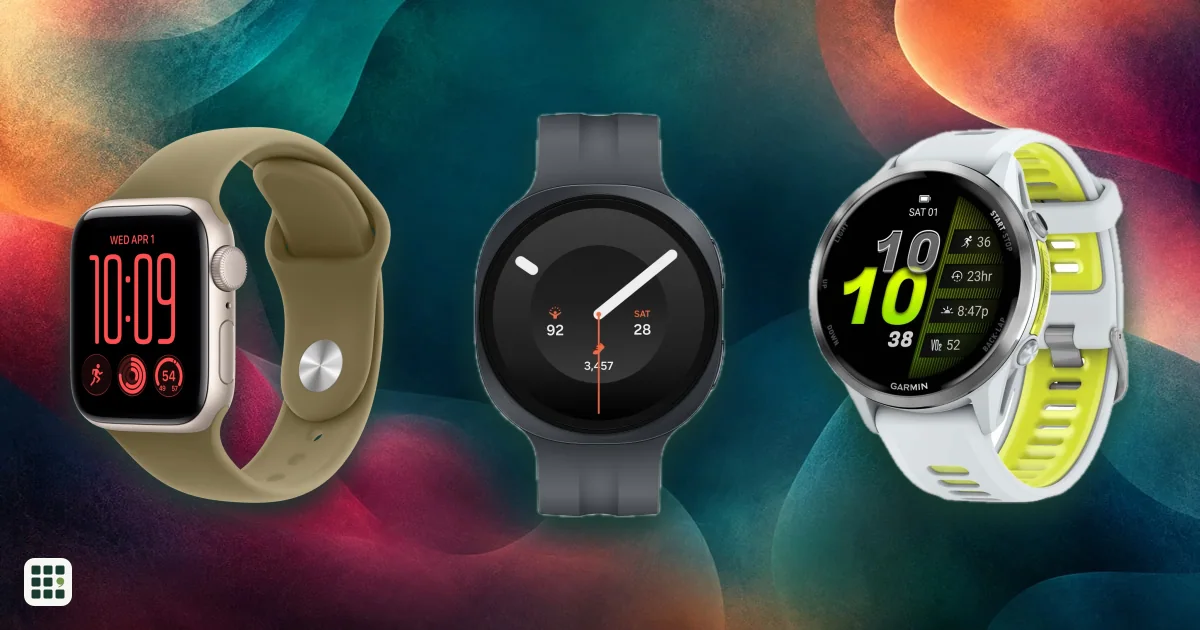 Smartwatches
11 products · Updated Nov 11, 2026
Compare mainstream smartwatches across iPhone and Android ecosystems, with choices ranging from everyday health tracking to rugged outdoor training. Battery life, phone compatibility, cellular options, health tools and subscription requirements differ sharply by model.
-
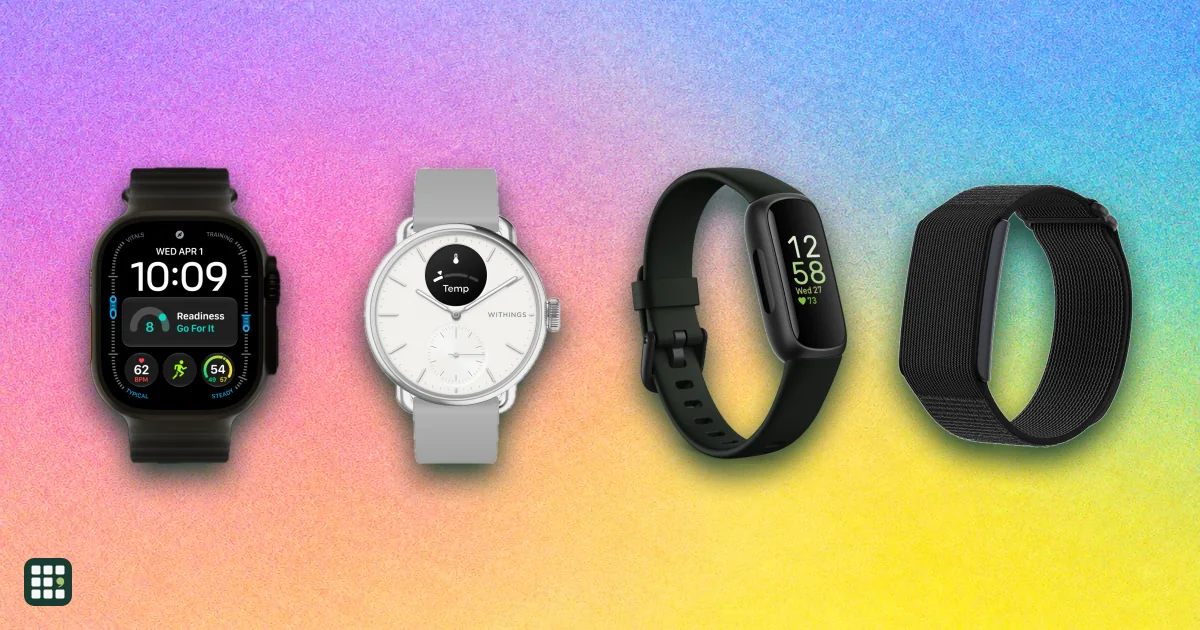 Wearable health technology
30 products · Updated Nov 13, 2026
Wearable health technology now runs from everyday smartwatches and rings to prescription glucose sensors and medical-grade patches. This grid puts them side by side so you can see what each one actually measures, which functions are FDA cleared, what it costs up front and every month, and how long it lasts between charges or replacements. The real trade-offs: breadth versus medical depth, a screen versus discretion, and a one-off price versus memberships or disposable sensors.