



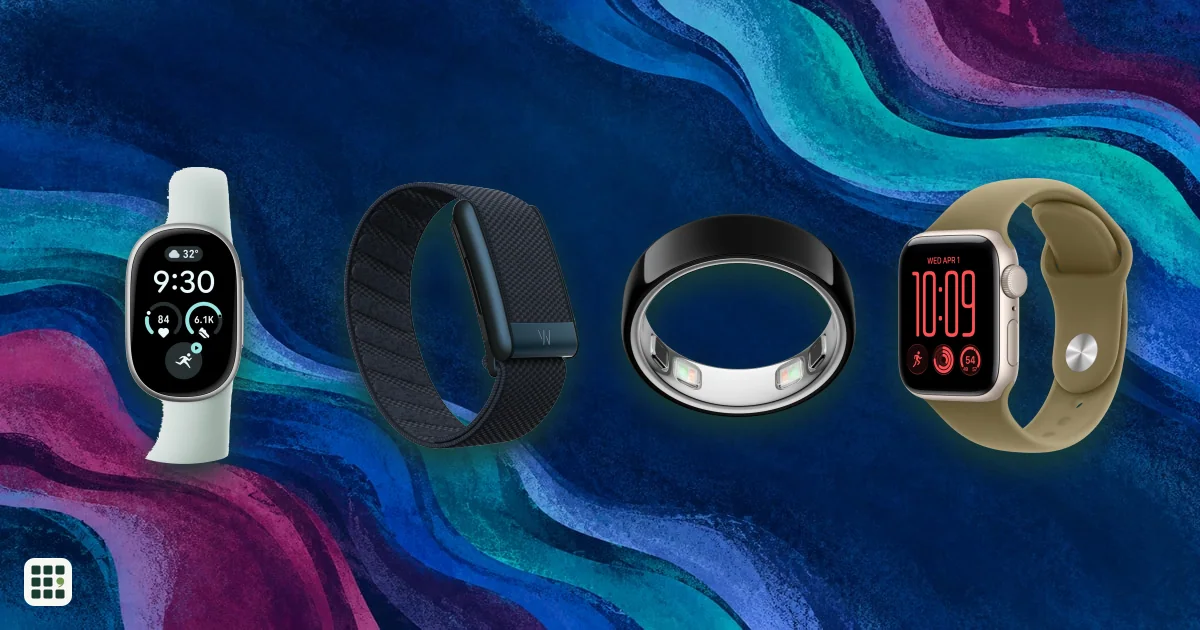
Fitness trackers
Compare fitness trackers sold in the US: slim bands, screenless straps, smart rings and fitness-focused watches from Fitbit, Garmin, WHOOP, Oura, Amazfit, Samsung, Apple and others. The trade-offs are price and subscriptions, screen versus discreet design, built-in GPS for workouts, battery life, and which health sensors you actually want.
Last updated
How to choose
Specs here are makers' figures. Health readings from consumer trackers are for wellness, not diagnosis.
1. Pick the form that you will actually wear
- Bands are light, cheap and show basic stats.
- Watches add bigger screens, built-in GPS and workout features, but are bulkier.
- Screenless straps and rings are discreet and comfortable for sleep, but you see everything in the phone app.
2. Match features to your goals
- Runners and cyclists: built-in GPS lets you leave the phone at home.
- Sleep and recovery: look for skin temperature, HRV-based recovery scores and long battery life so it stays on overnight.
- Heart health: an FDA-cleared ECG app can check for atrial fibrillation.
- Swimmers: check the water rating (5 ATM or higher).
3. Count the full cost
Some trackers require a membership for most features, which can cost more than the hardware within a year or two. Compare the price with the subscription column, and check whether core data stays free.
4. Check compatibility and comfort
Make sure it works with your phone, look at weight and size options (rings need sizing), and consider whether you want contactless payments or notifications on your wrist.
5. Keep expectations realistic
Calorie, sleep-stage and body-battery figures are estimates. Trends over weeks are more useful than any single number.
Answer
Browse the table. Filter to what matters.
Use the filters below, then sign in if you want to shortlist and decide with friends.
Sign in to vote, hide products and features, and reorder.
Verified: hover a cell and click its green dot for the source Estimate: no cited source Not stated: the maker doesn't publish it
| Feature | ⠿ | ⠿ | ⠿ | ⠿ | ⠿ | ⠿ | ⠿ | ⠿ | ⠿ | ⠿ | ⠿ | ⠿ | ⠿ | ⠿ | ⠿ | ⠿ | ⠿ | ⠿ | ⠿ | ⠿ |
|---|---|---|---|---|---|---|---|---|---|---|---|---|---|---|---|---|---|---|---|---|
|
⠿
Price
|
||||||||||||||||||||
|
⠿
Form factor
|
Band
|
Screenless strap
|
||||||||||||||||||
|
⠿
Display
|
OLED touchscreen
|
None
|
None
|
None
|
None
|
|||||||||||||||
|
⠿
Battery life
|
0.75 days, Up to 18 hours (32 in Low Power Mode)
|
|||||||||||||||||||
|
⠿
Built in GPS
|
|
|
|
|
|
|
|
|
||||||||||||
|
⠿
Continuous heart rate
|
|
|
|
|||||||||||||||||
|
⠿
Blood oxygen
|
||||||||||||||||||||
|
⠿
ECG
|
|
|
|
|
|
|
|
|
|
|
|
|
||||||||
|
⠿
Skin temperature
|
|
|
|
|
|
|||||||||||||||
|
⠿
Recovery score
|
|
|||||||||||||||||||
|
⠿
Water resistance
|
||||||||||||||||||||
|
⠿
Weight
|
34.6 g
|
|||||||||||||||||||
|
⠿
Subscription
|
None
|
None
|
None
|
None
|
||||||||||||||||
|
⠿
Contactless payments
|
|
|
|
|
|
|
|
|
|
|
|
|
|
|
||||||
|
⠿
Phone compatibility
|
iPhone and Android
|
iPhone and Android
|
Why these features matter
-
Price ($)
Trackers range from under $50 to over $500; more money usually buys GPS, better screens, more sensors and longer software support.
-
Form factor
Bands are light and cheap, watches add bigger screens and GPS, screenless straps and rings are discreet and good for sleep but show nothing on your wrist.
-
Display
A screen lets you see stats and notifications at a glance; screenless devices rely entirely on the phone app.
-
Battery life (days)
Longer battery life means fewer charges and better sleep tracking, since you are less likely to take it off overnight to charge.
-
Built in GPS
Built-in GPS records pace and distance on runs and rides without carrying your phone.
-
Continuous heart rate
All-day heart rate drives calorie, sleep, stress and recovery estimates.
-
Blood oxygen
SpO2 readings, often during sleep, can flag breathing disturbances; they are wellness readings, not a medical diagnosis.
-
ECG
An ECG app can check for atrial fibrillation on demand; useful for people with heart-rhythm concerns.
-
Skin temperature
Temperature trends can hint at illness and help with cycle tracking.
-
Recovery score
A daily score turns heart rate variability and sleep into a simple guide for when to train hard or rest.
-
Water resistance
Higher ratings mean you can swim and shower with it; 5 ATM is fine for pool swimming.
-
Weight (g)
Lighter devices are more comfortable for all-day and overnight wear.
-
Subscription
Some trackers lock key insights behind a monthly fee, which can cost more than the device over a few years.
-
Contactless payments
Paying from your wrist means you can leave your wallet and phone at home on workouts.
-
Phone compatibility
Some trackers work only with one phone platform; check before buying.
About the products
-
Fitbit Edge · Google
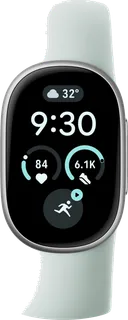
Google's newest Fitbit band, now on pre-order, for people who want built-in GPS, an altimeter, ECG and a bigger, brighter AMOLED screen than the Charge 6 in a slim aluminum tracker with a user-replaceable battery. Unlike the Charge 6 it has no NFC tap-to-pay, and the Gemini-built coaching needs a Google Health Premium membership ($9.99/month; 3 months included).
-
Fitbit Charge 6 · Google
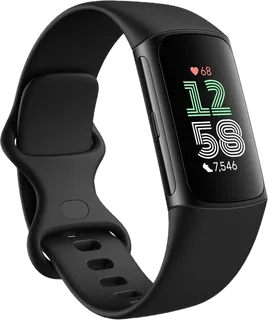
Fitbit's 2023 flagship band, still sold beside its replacement, the Fitbit Edge. It has built-in GPS, an ECG app and Google Wallet tap-to-pay, which the Edge drops. The Daily Readiness Score and coaching need Google Health Premium ($9.99/month; 3 months included).
-
Fitbit Inspire 3 · Google
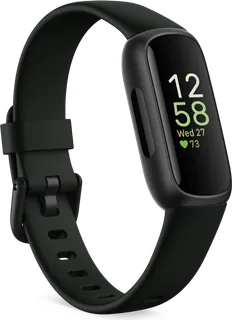
Fitbit's cheapest band with a screen, for steps, sleep, 24/7 heart rate, SpO2 and skin temperature, with up to 10 days of battery. It uses your phone's GPS (no built-in GPS) and has no ECG or tap-to-pay. Some scores and coaching need Google Health Premium ($9.99/month; 3 months included).
-
vívosmart 5 · Garmin
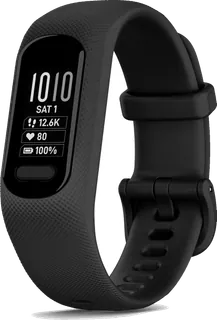
Slim band with a small OLED touchscreen for people who want steps, heart rate, sleep score, Body Battery and Pulse Ox at Garmin's lowest price. It has no built-in GPS (it borrows the phone's) and no contactless payments, and the design dates from 2022.
-
vívoactive 6 · Garmin
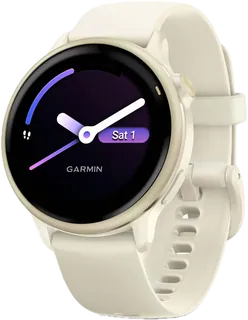
Mid-priced AMOLED fitness smartwatch with built-in GPS, Garmin Pay and more than 80 sports apps, for people who want a watch rather than a band. Up to 11 days per charge (5 with the display always on); no ECG app or skin temperature tracking.
-
Forerunner 170 · Garmin
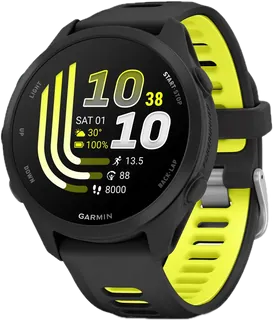
Entry-level GPS running watch with an AMOLED touchscreen, training readiness, morning report and Garmin Pay, aimed at newer runners who also want daily health tracking. No ECG app or skin temperature tracking; a Forerunner 170 Music version costs more.
-
Venu 4 · Garmin
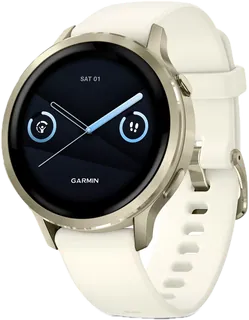
Garmin's health-focused smartwatch with a stainless steel bezel, ECG app, sleep-time skin temperature, multi-band GPS and Garmin Pay, in 41 mm and 45 mm sizes at the same price. Battery is up to 10 days (41 mm) or 12 days (45 mm) in smartwatch mode, shorter than Garmin's cheaper watches.
-
Polar Loop · Polar
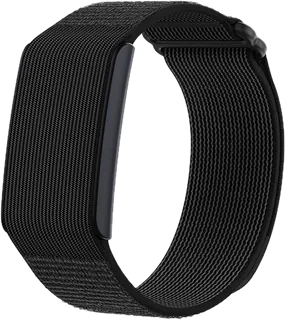
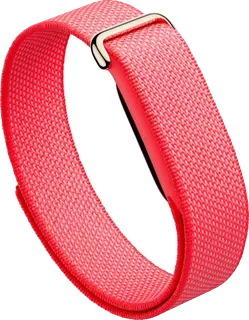
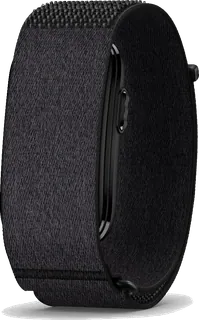
Screen-free fitness band (a Whoop-style strap) that tracks 24/7 heart rate, sleep and overnight recovery with no subscription. It has no built-in GPS (uses the phone's via the Polar Flow app), no notifications, and no swim metrics beyond heart rate and calories.
-
WHOOP 5.0 · WHOOP
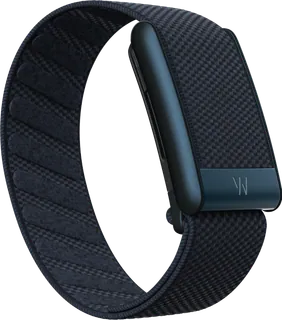
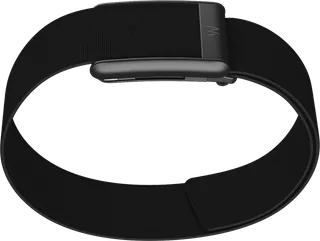
Screenless band sold only as a membership: the device comes with WHOOP One ($199/yr, basic wired charger) or WHOOP Peak ($239/yr, adds Health Monitor, Stress Monitor and Healthspan plus a wireless battery pack). Suits people who want sleep, strain and recovery coaching without a screen; there is no display, no built-in GPS and no ECG, and the device stops being useful without an active membership.
-
WHOOP MG · WHOOP
The medical-grade WHOOP sensor, sold only with the WHOOP Life membership ($359/yr). Adds on-demand ECG (Heart Screener, available in the US), and Blood Pressure Insights on top of everything in Peak. Screenless, no built-in GPS, and ECG needs a band with the conductive clasp worn on the wrist.
-
Helio Strap · Amazfit
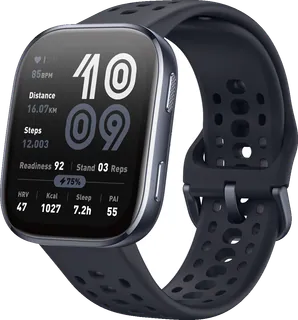
A $99.99 screenless strap worn on the wrist or upper arm that tracks heart rate every second, sleep, HRV and blood oxygen in the free Zepp app with no required subscription. Can broadcast live heart rate to watches and gym equipment; no display, no built-in GPS, and no ECG.
-
Amazfit Bip 6 · Amazfit
A $79.99 budget fitness watch with a 1.97-inch AMOLED touchscreen, built-in GPS, 24/7 heart rate and blood oxygen, a daily readiness score, and up to 14 days of typical battery life; no subscription needed. No NFC payments, no ECG, and no skin-temperature sensor.
-
Oura Ring 5 · Oura
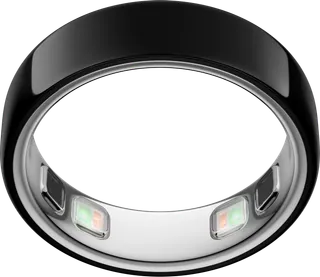
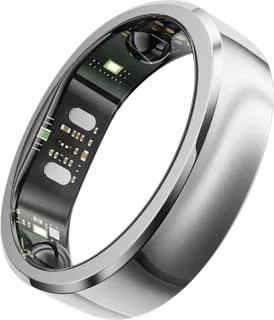
Oura's current titanium smart ring (launched May 2026), 40% smaller than Ring 4, tracking sleep, readiness, 24/7 heart rate, nighttime blood oxygen and temperature trends. $399 in Silver or Black, $499 for other finishes; full insights need the Oura Membership ($5.99/month or $69.99/year). No screen, no GPS, no ECG.
-
Apple Watch SE 3 · Apple
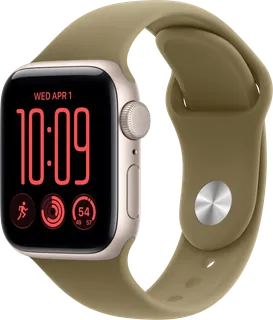
Apple's entry-level Apple Watch for iPhone owners who want full workout, sleep and heart-rate tracking with built-in GPS and Apple Pay. It lacks the ECG, Blood Oxygen and Readiness apps found on Series 12, and battery lasts about 18 hours (32 in Low Power Mode), so expect to charge it daily. Works only with an iPhone.
-
Galaxy Ring · Samsung
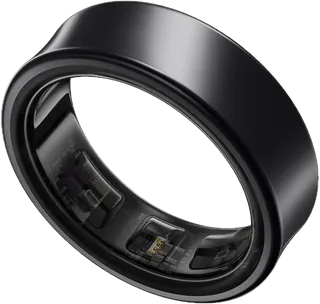
A titanium smart ring for Android users, best paired with a Samsung Galaxy phone, that tracks sleep, heart rate, skin temperature and a daily Energy Score with no subscription. It needs an Android phone, some features such as Energy Score need a Samsung Galaxy AI phone, and battery lasts up to 7 days (6 on smaller sizes).
-
RingConn Gen 3 · RingConn
A titanium smart ring for iPhone or Android users who want 24/7 heart rate, SpO2, skin temperature and sleep-apnea pattern tracking with no subscription, plus vibration alerts and up to 14 days of battery. It adds vascular health trend insights but does not give single blood pressure readings, and ring sizes differ from other brands, so use the free sizing kit.
-
ScanWatch 2 · Withings
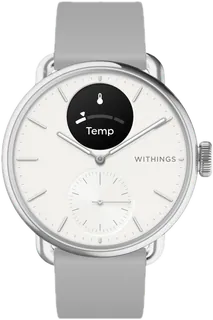
A stainless steel hybrid watch with analog hands and a small grayscale screen, for people who want an FDA-cleared ECG, SpO2, 24/7 heart rate and temperature tracking with up to 35 days of battery. It has no built-in GPS (it uses your phone's GPS), and the Readiness score and cardiologist ECG reviews need a Withings+ subscription.
-
COROS PACE 4 · COROS
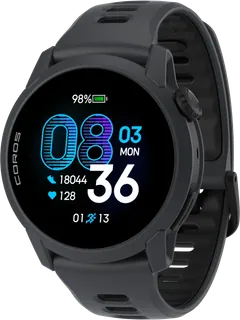
A 32-gram running and multisport GPS watch with an AMOLED touchscreen, dual-frequency GPS, offline maps and up to 19 days of daily use, aimed at runners and triathletes on a budget. Health tracking is training-focused: SpO2 is only checked in altitude mode, and there is no ECG or tap-to-pay.
-
Fitbit Air · Google
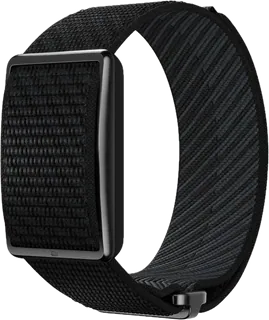
Google's lightest, cheapest screenless Fitbit strap (12 g with band) for people who want 24/7 heart rate, sleep, SpO2, skin temperature and a daily Readiness score without a display. It has no built-in GPS, no ECG and no tap-to-pay, and the Gemini-built coaching needs Google Health Premium ($9.99/month; 3 months included).
-
CIRQA Smart Band · Garmin
Garmin's screenless, Whoop-style band for people who want Garmin's sleep score, Body Battery, training readiness, HRV status and skin temperature with no subscription; it can be worn on the wrist or upper arm (arm band sold separately). It has no built-in GPS (uses the phone's), no ECG and no Garmin Pay, and coaching plans, guided breathwork and nutrition tracking need Garmin Connect+ ($6.99/month).
Suggest a change
Related comparisons
-
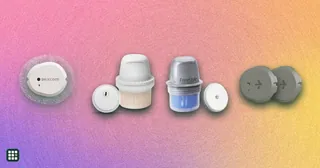 Continuous glucose monitors
 (CGMs) track glucose in fluid just under the skin and send readings to a phone, receiver, or connected insulin system. The choice depends on who the device is cleared for, how it displays and alerts, sensor wear time, pump compatibility, and recurring cost. OTC wellness sensors have narrower uses than prescription diabetes systems.
-
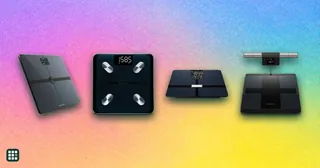 Smart scales
Compare smart bathroom scales sold in the US that sync weight and body composition to your phone, from budget Bluetooth models to Wi-Fi scales with hand electrodes and segmental analysis. The trade-offs are price, Wi-Fi versus Bluetooth syncing, which body metrics you get, how well it handles several users, and how it fits with your health apps.
-
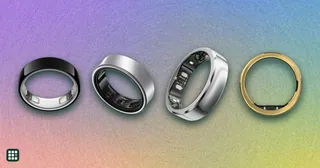 Smart rings
 track sleep, recovery, and daily health signals in a screen-free form. Compare the hardware price and any membership with battery life, phone requirements, sizing, and the health features each maker actually offers. These are wellness tools: a ring’s alert or estimate is not a diagnosis.
-
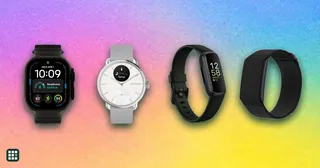 Wearable health technology
 now runs from everyday smartwatches and rings to prescription glucose sensors and medical-grade patches. This grid puts them side by side so you can see what each one actually measures, which functions are FDA cleared, what it costs up front and every month, and how long it lasts between charges or replacements. The real trade-offs: breadth versus medical depth, a screen versus discretion, and a one-off price versus memberships or disposable sensors.
-
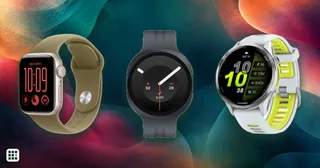 Smartwatches
Compare mainstream smartwatches across iPhone and Android ecosystems, with choices ranging from everyday health tracking to rugged outdoor training. Battery life, phone compatibility, cellular options, health tools and subscription requirements differ sharply by model.
-
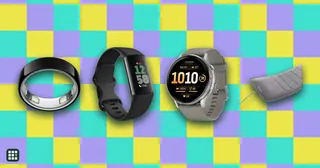 Sleep trackers
 estimate when and how you sleep using motion and body signals. Form factor, overnight comfort, sensor coverage, battery life, phone compatibility, and recurring app fees can matter as much as the score shown each morning. Apnea features vary by device and region and should not be treated as a diagnosis.