



Continuous glucose monitors
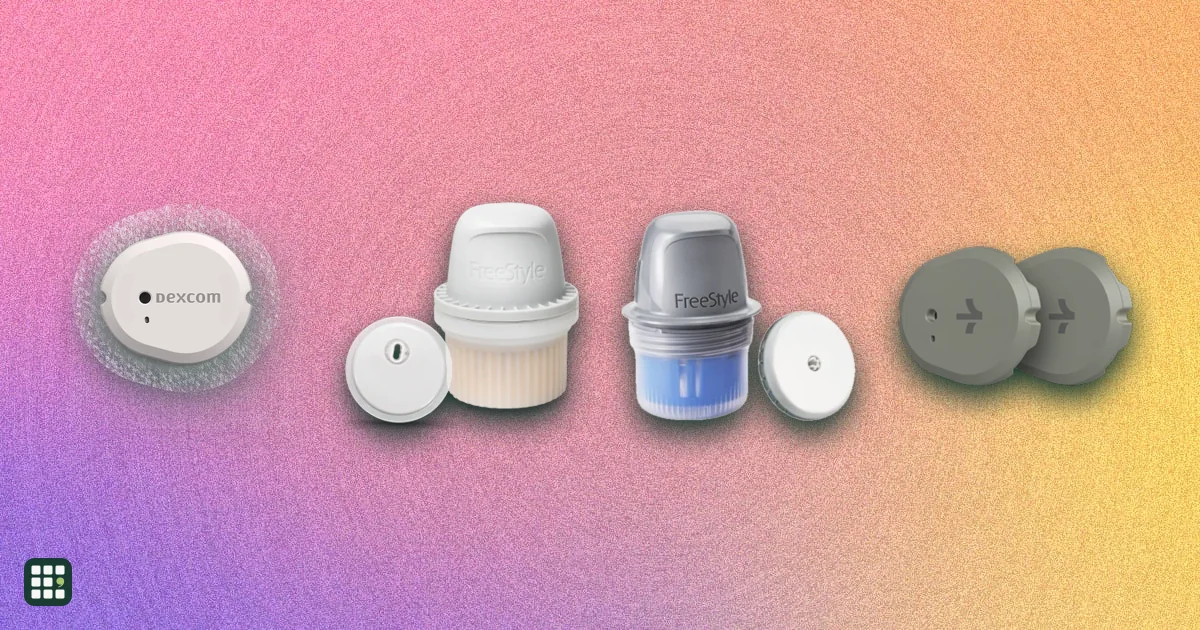
Continuous glucose monitors (CGMs) track glucose in fluid just under the skin and send readings to a phone, receiver, or connected insulin system. The choice depends on who the device is cleared for, how it displays and alerts, sensor wear time, pump compatibility, and recurring cost. OTC wellness sensors have narrower uses than prescription diabetes systems.
Last updated
How to choose
First check who the system is cleared for. Prescription CGMs are intended for diabetes care and have specific age, insulin-use, and pump rules. OTC sensors such as Stelo and Lingo are for narrower wellness uses and should not replace a diabetes treatment device.
Then compare how readings reach you: phone app, dedicated receiver, or compatible insulin pump. Check the exact phone and pump compatibility list before choosing. Look at sensor wear time, warm-up gaps, alarm options, and whether calibration fingersticks or a clinician visit are part of routine use.
Compare recurring costs on the same basis. Insurance, pharmacy pricing, and coupon eligibility can change what you pay; Eversense also involves clinician insertion and yearly replacement. Published MARD values come from different studies and populations, so they are not a head-to-head ranking. Follow each device’s labeling and your care team’s instructions.
Answer
Browse the table. Filter to what matters.
Use the filters below, then sign in if you want to shortlist and decide with friends.
Sign in to vote, hide products and features, and reorder.
Verified: hover a cell and click its green dot for the source Estimate: no cited source Not stated: the maker doesn't publish it
| Feature | ⠿ | ⠿ | ⠿ | ⠿ | ⠿ | ⠿ | ⠿ | ⠿ | ⠿ | ⠿ | ⠿ | ⠿ |
|---|---|---|---|---|---|---|---|---|---|---|---|---|
|
⠿
Price
|
||||||||||||
|
⠿
Savings programs
|
||||||||||||
|
⠿
Access and intended user
|
||||||||||||
|
⠿
Sensor wear time
|
||||||||||||
|
⠿
Reading interval
|
5 min
|
|||||||||||
|
⠿
Warmup time
|
120 min
|
|||||||||||
|
⠿
Alerts
|
Custom high/low, urgent low, urgent low soon, rate alerts and alert schedule.
|
|||||||||||
|
⠿
Calibration and fingersticks
|
No routine calibration described; not intended for treatment decisions.
|
|||||||||||
|
⠿
Wear site and insertion
|
Back of upper arm; separate sensor and reusable transmitter.
|
Self-applied on back of upper arm with all-in-one applicator.
|
||||||||||
|
⠿
Water resistance
|
Up to 8 ft (2.4 m) for 24 hours.
|
|||||||||||
|
⠿
Phone and display compatibility
|
iOS/Android app or optional receiver; check current phone compatibility.
|
|||||||||||
|
⠿
Insulin delivery integration
|
MiniMed 780G and MiniMed Flex pumps; InPen through MiniMed Go.
|
MiniMed 780G and MiniMed Flex pumps.
|
||||||||||
|
⠿
Published MARD
|
9%, Overall; not found on a US product page
|
|||||||||||
|
⠿
Reusable hardware
|
No reusable transmitter; optional Libre 2 reader is separate.
|
|||||||||||
|
⠿
Data sharing
|
Share with up to 10 Followers; provider reports via Dexcom Clarity.
|
Apple Watch display and Apple Health export; caregiver sharing not listed.
|
MiniMed Mobile syncs to CareLink; caregiver view via CareLink Connect.
|
MiniMed Mobile syncs to CareLink; caregiver view via CareLink Connect.
|
MiniMed Mobile syncs to CareLink; caregiver view via CareLink Connect.
|
Why these features matter
-
Price ($/30 days)
Without insurance, sensors are a large recurring cost, and prices differ several-fold between OTC and prescription systems. Most insured buyers pay far less, so also check Savings programs and your plan’s coverage.
-
Savings programs
Copay cards and subscriptions can cut the monthly cost sharply, but they often require commercial insurance or a recurring commitment.
-
Access and intended user
Indication and access decide whether a sensor fits your care plan; OTC wellness products are not substitutes for diabetes treatment devices.
-
Sensor wear time (days)
Longer wear means fewer changes, but lifespan is only one part of cost and convenience.
-
Reading interval (min)
Frequent updates can help users and connected systems react sooner.
-
Warmup time (min)
Shorter warm-up reduces gaps when changing sensors.
-
Alerts
Alerts are important for treatment safety and may be absent from wellness sensors.
-
Calibration and fingersticks
Factory calibration is convenient, but symptoms or device warnings may still require a meter check.
-
Wear site and insertion
Placement limits, insertion steps, and clinician visits affect fit and access.
-
Water resistance
Swimming and shower limits vary by system and component.
-
Phone and display compatibility
A phone that is not supported can make a system unusable; a receiver may help children or phone-free use.
-
Insulin delivery integration
Only specific sensor versions connect to automated dosing systems; compatibility can affect device choice.
-
Published MARD (%)
Published accuracy figures can add context, but different trials cannot rank devices directly.
-
Reusable hardware
Reusable components can add cost, charging, and replacement steps beyond the sensor.
-
Data sharing
Sharing can help caregivers and care teams follow trends without relying on verbal updates.
About the products
-
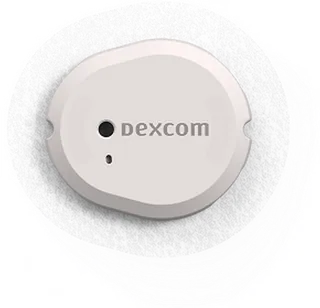
Dexcom G7 15 Day · Dexcom
Adults 18+; newer 15-day prescription sensor.
-
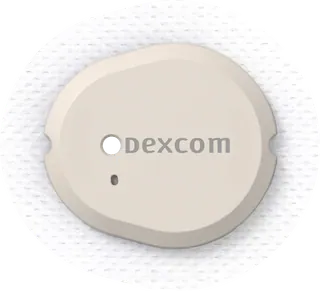
Dexcom G7 · Dexcom
10-day prescription sensor for ages 2+, including pediatric users.
-
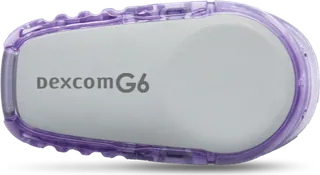
Dexcom G6 · Dexcom · No longer sold Jul 2026
Widely used earlier Dexcom system; manufacturer stopped making it in July 2026.
-
Stelo · Dexcom
Over-the-counter glucose insights for adults who do not use insulin.
-
FreeStyle Libre 3 Plus · Abbott
Prescription real-time system; works with select automated insulin delivery systems. Abbott’s formulary list price is $77.31 per 15-day sensor.
-
FreeStyle Libre 2 Plus · Abbott
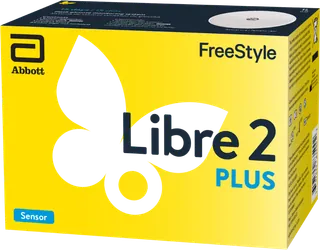
Prescription sensor with alarms and select pump integrations. Abbott’s formulary list price is $77.31 per 15-day sensor.
-
Lingo · Abbott
OTC wellness sensor for adults not using insulin.
-
Medtronic Instinct · MiniMed
15-day sensor made by Abbott, exclusive to compatible MiniMed systems.
-
Medtronic Simplera Sync · MiniMed
Disposable sensor for the MiniMed 780G system.
-
Medtronic Guardian 4 · MiniMed
Sensor and reusable transmitter for the MiniMed 780G system.
-
Medtronic Simplera CGM · MiniMed
Standalone CGM for the InPen smart insulin pen system.
-
Eversense 365 · Senseonics
Implanted sensor replaced by a trained clinician once a year.
Suggest a change
Related comparisons
-
 Fitness trackers
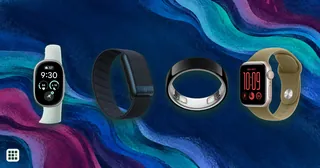
Compare fitness trackers sold in the US: slim bands, screenless straps, smart rings and fitness-focused watches from Fitbit, Garmin, WHOOP, Oura, Amazfit, Samsung, Apple and others. The trade-offs are price and subscriptions, screen versus discreet design, built-in GPS for workouts, battery life, and which health sensors you actually want.
-
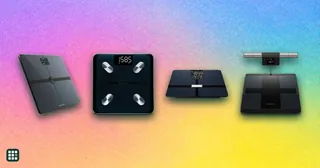 Smart scales
Compare smart bathroom scales sold in the US that sync weight and body composition to your phone, from budget Bluetooth models to Wi-Fi scales with hand electrodes and segmental analysis. The trade-offs are price, Wi-Fi versus Bluetooth syncing, which body metrics you get, how well it handles several users, and how it fits with your health apps.
-
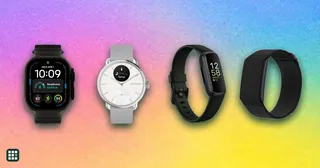 Wearable health technology
 now runs from everyday smartwatches and rings to prescription glucose sensors and medical-grade patches. This grid puts them side by side so you can see what each one actually measures, which functions are FDA cleared, what it costs up front and every month, and how long it lasts between charges or replacements. The real trade-offs: breadth versus medical depth, a screen versus discretion, and a one-off price versus memberships or disposable sensors.
-
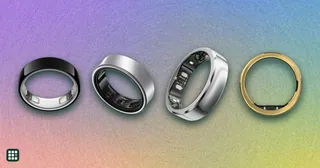 Smart rings
 track sleep, recovery, and daily health signals in a screen-free form. Compare the hardware price and any membership with battery life, phone requirements, sizing, and the health features each maker actually offers. These are wellness tools: a ring’s alert or estimate is not a diagnosis.
-
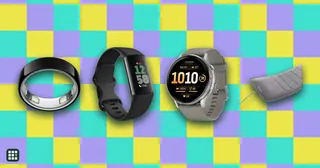 Sleep trackers
 estimate when and how you sleep using motion and body signals. Form factor, overnight comfort, sensor coverage, battery life, phone compatibility, and recurring app fees can matter as much as the score shown each morning. Apnea features vary by device and region and should not be treated as a diagnosis.
-
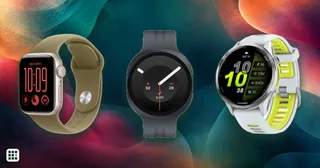 Smartwatches
Compare mainstream smartwatches across iPhone and Android ecosystems, with choices ranging from everyday health tracking to rugged outdoor training. Battery life, phone compatibility, cellular options, health tools and subscription requirements differ sharply by model.