



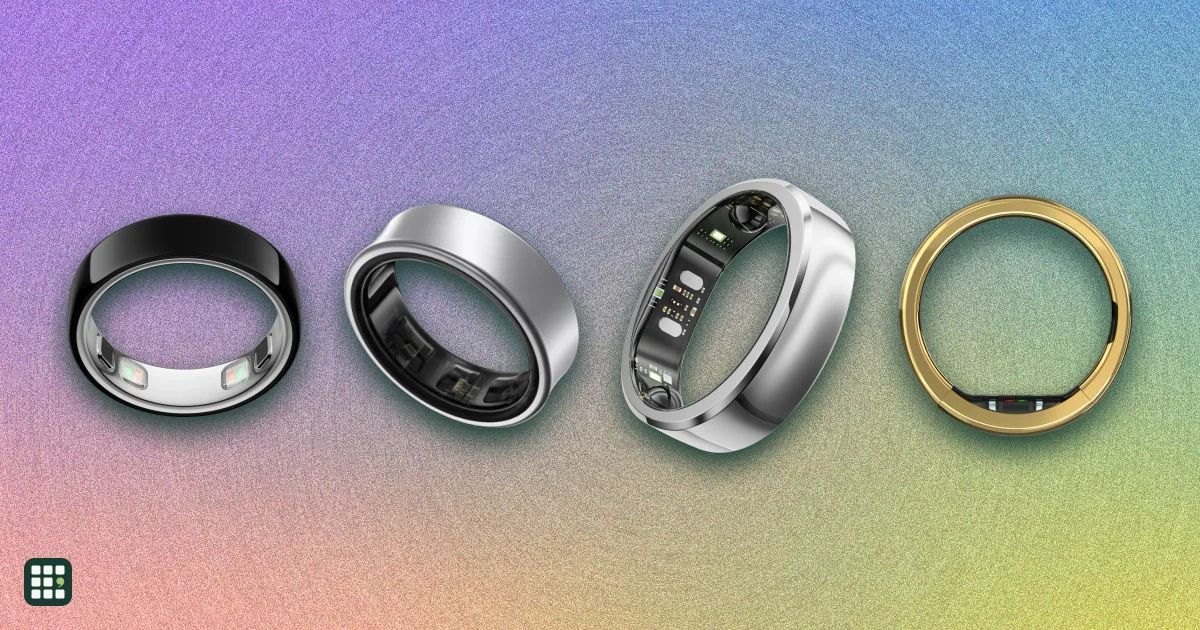
Smart rings
Smart rings track sleep, recovery, and daily health signals in a screen-free form. Compare the hardware price and any membership with battery life, phone requirements, sizing, and the health features each maker actually offers. These are wellness tools: a ring’s alert or estimate is not a diagnosis.
Last updated
How to choose
Start with the data you want
Most smart rings emphasize sleep, resting heart rate, heart-rate variability, temperature trends, and recovery. Workout tracking is usually less detailed than a GPS watch. Check the specific rows for ECG, blood-pressure trends, and sleep-apnea insights: these are not interchangeable, and wellness estimates are not medical diagnoses.
Check the full cost
Compare the upfront price with the Subscription row. Some brands reserve detailed insights for a paid membership; others include their app without a recurring fee. Confirm whether a free trial ends automatically and whether optional coaching or cycle features cost extra.
Fit and compatibility come first
- Use the maker’s sizing kit and follow its wear-time instructions before ordering. Ring sizes are not standardized across brands.
- Check phone compatibility and whether any health feature requires a particular phone or app.
- Compare weight, width, materials, and water rating if you plan to wear the ring overnight, at work, or while swimming.
Plan for charging and care
Battery claims vary with ring size, settings, and use. Check whether the charger is a portable case or a small dock, and whether its extra charge capacity is included in the battery figure. Read the warranty and return terms before sizing or opening the package.
Interpret health claims carefully
Sleep-apnea patterns, blood-pressure estimates, ECG recordings, cycle predictions, and recovery scores have different purposes and regulatory status. Read the maker’s limits and talk with a clinician before using ring data to make a medical decision.
Answer
Browse the table. Filter to what matters.
Use the filters below, then sign in if you want to shortlist and decide with friends.
Sign in to vote, hide products and features, and reorder.
Verified: hover a cell and click its green dot for the source Estimate: no cited source Not stated: the maker doesn't publish it
| Feature | ⠿ | ⠿ | ⠿ | ⠿ | ⠿ | ⠿ | ⠿ | ⠿ | ⠿ |
⠿
No longer sold
|
⠿ |
|---|---|---|---|---|---|---|---|---|---|---|---|
|
⠿
Price
|
|||||||||||
|
⠿
Subscription
|
|||||||||||
|
⠿
Phone compatibility
|
|||||||||||
|
⠿
Ring size range
|
|||||||||||
|
⠿
Weight
|
|||||||||||
|
⠿
Materials and dimensions
|
|||||||||||
|
⠿
Battery life
|
|||||||||||
|
⠿
Charging setup
|
|||||||||||
|
⠿
Water resistance
|
|||||||||||
|
⠿
Sleep tracking
|
|||||||||||
|
⠿
Health metrics
|
|||||||||||
|
⠿
Activity tracking
|
|||||||||||
|
⠿
Cycle insights
|
Clue cycle data can be combined with ring temperature and sleep insights; US availability is not confirmed.
|
||||||||||
|
⠿
Sleep apnea insights
|
No sleep-apnea monitoring feature is listed in the current product feature set.
|
Not established from the official Ring AIR product specifications.
|
|||||||||
|
⠿
ECG recording
|
Not established from Oura's official product specifications.
|
Not established from Oura's official product specifications.
|
Not established from Oura's official product specifications.
|
No ECG feature listed by the maker
|
No ECG feature listed by the maker
|
No ECG feature listed by the maker
|
No ECG recording listed; optional AFib Detection PowerPlug monitors heart rhythm overnight
|
Not established from the official Ring AIR product specifications.
|
|||
|
⠿
Blood pressure feature
|
No blood pressure feature listed by the maker
|
No blood pressure feature listed by the maker
|
No ring blood-pressure reading or trend listed
|
Not established from the official Ring AIR product specifications.
|
|||||||
|
⠿
Warranty
|
Why these features matter
-
Price ($)
The ring’s upfront cost can differ substantially even when the app features look similar.
-
Subscription
A membership can change the real cost over several years and determine which data remains available.
-
Phone compatibility
A ring is only useful if it syncs with the phone and services you use.
-
Ring size range
Sizing affects comfort, sensor contact, and sometimes battery life.
-
Weight (g)
A lighter ring may be more comfortable for overnight wear; weight varies by size.
-
Materials and dimensions
Material, profile, and thickness affect comfort, durability, and how the ring feels during daily tasks.
-
Battery life (days)
Longer intervals reduce charging interruptions, especially for overnight tracking.
-
Charging setup
A case can make trips easier, while a dock may be smaller but needs an outlet.
-
Water resistance
A water rating does not always mean scuba, sauna, or every water sport is supported.
-
Sleep tracking
Sleep is a core use for rings, but the data and interpretation vary by app.
-
Health metrics
Sensor breadth and the metrics exposed in the app determine what questions the ring can help explore.
-
Activity tracking
Rings vary in whether they automatically identify workouts or mainly track daily movement.
-
Cycle insights
Availability and costs matter for people choosing a ring for cycle awareness.
-
Sleep apnea insights
This feature is not universal and does not replace clinical diagnosis.
-
ECG recording
ECG is an occasional spot measurement and differs from passive optical heart-rate tracking.
-
Blood pressure feature
Cuffless ring features vary widely and should not be treated as validated cuff measurements unless the maker says so.
-
Warranty
A ring is worn daily and exposed to knocks, water, and repeated charging; coverage terms differ.
About the products
-
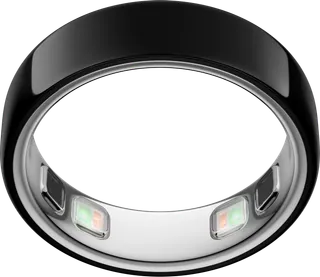
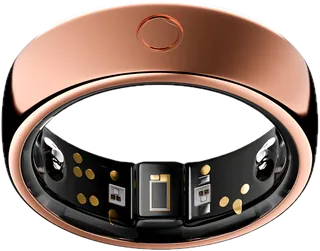
Oura Ring 5 · Oura
Oura’s current flagship ring with a broad set of sleep and wellness insights and a required membership for full app features.
-
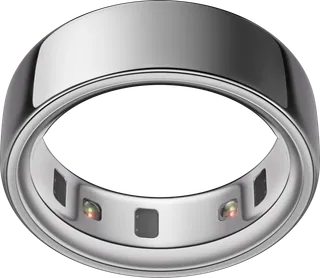
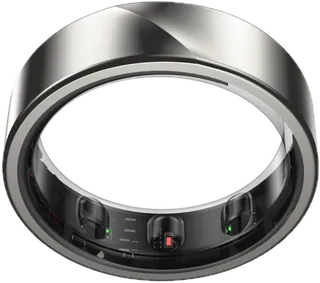
Oura Ring 4 · Oura · Superseded
The earlier all-titanium Oura ring remains a lower-priced option in the maker’s store; full insights require Oura Membership.
-
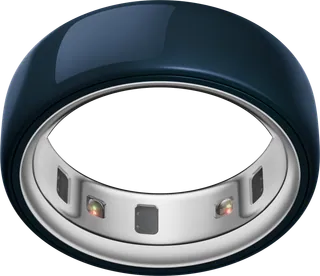
Oura Ring 4 Ceramic · Oura · Superseded
A ceramic-shell version of Oura Ring 4 with the same Oura app and membership model, sold at a premium over standard Ring 4.
-
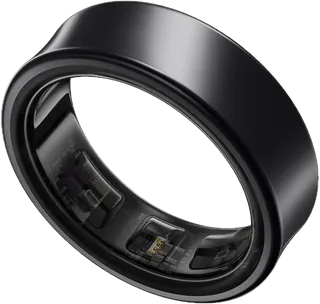
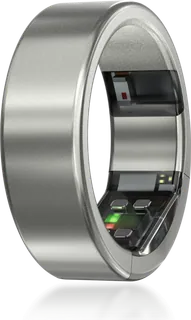
Galaxy Ring · Samsung
A titanium smart ring integrated with Samsung Health; several health features require a compatible Samsung Galaxy phone.
-
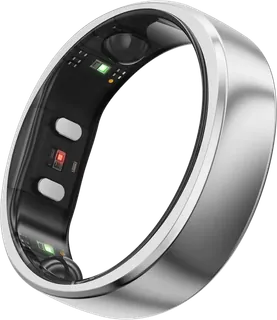
RingConn Gen 3 · RingConn
RingConn’s current flagship pairs a long claimed battery life and charging case with sleep-apnea pattern and vascular-health insights, without a required subscription.
-
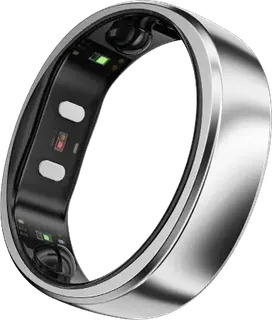
RingConn Gen 2 · RingConn · Superseded
A thin previous-generation RingConn with sleep-apnea insights and a charging case; the maker continues to list it alongside Gen 3.
-
RingConn Gen 2 Air · RingConn · Superseded
A lower-cost, thinner RingConn with a dock charger and no sleep-apnea insights; check size availability because stock varies.
-
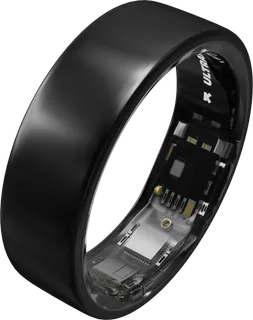
Ultrahuman Ring PRO · Ultrahuman
Ultrahuman’s current ring pairs extended onboard storage and a high-capacity charging case with a one-time purchase; optional PowerPlug features may cost extra.
-
Circular Ring 2 · Circular
Circular Ring 2 offers ECG and blood-pressure trend features without a mandatory subscription; check the maker’s stated limits for these health readings.
-
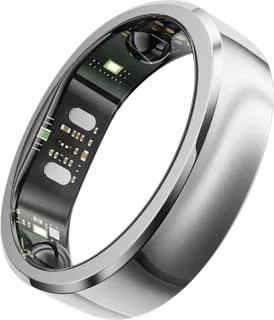
Ultrahuman Ring AIR · Ultrahuman · No longer sold
Ultrahuman’s lighter previous-generation ring remains relevant to owners comparing an upgrade, but the maker’s U.S. order page says it cannot currently sell or ship Ring AIR to U.S. addresses.
-
Luna Ring Gen 2 · Luna
A subscription-free titanium ring with a free portable charging case and an AI health coach; sold direct and shipped after a sizing kit, with 14-day returns.
Suggest a change
Related comparisons
-
 Sleep trackers
 estimate when and how you sleep using motion and body signals. Form factor, overnight comfort, sensor coverage, battery life, phone compatibility, and recurring app fees can matter as much as the score shown each morning. Apnea features vary by device and region and should not be treated as a diagnosis.
-
 Wearable health technology
 now runs from everyday smartwatches and rings to prescription glucose sensors and medical-grade patches. This grid puts them side by side so you can see what each one actually measures, which functions are FDA cleared, what it costs up front and every month, and how long it lasts between charges or replacements. The real trade-offs: breadth versus medical depth, a screen versus discretion, and a one-off price versus memberships or disposable sensors.
-
 Fitness trackers
Compare fitness trackers sold in the US: slim bands, screenless straps, smart rings and fitness-focused watches from Fitbit, Garmin, WHOOP, Oura, Amazfit, Samsung, Apple and others. The trade-offs are price and subscriptions, screen versus discreet design, built-in GPS for workouts, battery life, and which health sensors you actually want.
-
 Smartwatches
Compare mainstream smartwatches across iPhone and Android ecosystems, with choices ranging from everyday health tracking to rugged outdoor training. Battery life, phone compatibility, cellular options, health tools and subscription requirements differ sharply by model.
-
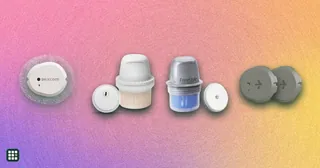 Continuous glucose monitors
 (CGMs) track glucose in fluid just under the skin and send readings to a phone, receiver, or connected insulin system. The choice depends on who the device is cleared for, how it displays and alerts, sensor wear time, pump compatibility, and recurring cost. OTC wellness sensors have narrower uses than prescription diabetes systems.
-
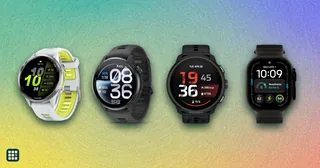 GPS running watches
 track pace, distance and heart rate without a phone, and the better ones add training guidance, maps and music. This grid compares current models from Garmin, COROS, Suunto, Polar, Apple, Samsung and Amazfit, from about $200 entry watches to $1,000+ adventure flagships. The real trade-offs are battery life against a bright AMOLED screen, accurate multi-band GPS, offline maps, and how much training analysis you will actually use.