



Protein bars
Protein bars range from candy-bar-like snacks to lean, high-protein bars with almost no sugar. This grid compares widely sold US bars on protein, calories, sugar, sugar alcohols, sweeteners, and price per bar, using each brand's official label for one reference flavor.
Last updated
How to choose
Nutrition here is per bar of one reference flavor from each brand's official label; other flavors differ. If you have a health condition or food allergy, check the full label of the flavor you buy.
1. Decide what the bar is for
- A meal replacement or post-workout snack calls for 20 grams of protein or more.
- A light snack can be lower in protein and calories; look at calories per bar first.
2. Look past the protein number
- Compare calories, total sugars, and added sugars. Some bars have as much sugar as a candy bar.
- Low-sugar bars often use sugar alcohols (erythritol, maltitol) or fiber to stay sweet, which can cause bloating for some people.
3. Check the protein source and sweeteners
- Milk and whey proteins are common; egg whites, nuts, or plant proteins suit people who avoid dairy.
- Check the sweeteners if you avoid sucralose, stevia, or sugar alcohols.
4. Work out the cost per bar
- Divide the box price by the number of bars. Subscriptions and larger boxes usually cut the price per bar.
Final check
Buy a small box or variety pack first: taste and texture vary a lot between brands and flavors.
Answer
Browse the table. Filter to what matters.
Use the filters below, then sign in if you want to shortlist and decide with friends.
Sign in to vote, hide products and features, and reorder.
Verified: hover a cell and click its green dot for the source Estimate: no cited source Not stated: the maker doesn't publish it
| Feature | ⠿ | ⠿ | ⠿ | ⠿ | ⠿ | ⠿ | ⠿ | ⠿ | ⠿ | ⠿ | ⠿ | ⠿ | ⠿ |
|---|---|---|---|---|---|---|---|---|---|---|---|---|---|
|
⠿
Price
|
|||||||||||||
|
⠿
Box size
|
|||||||||||||
|
⠿
Reference flavor
|
|||||||||||||
|
⠿
Protein per bar
|
|||||||||||||
|
⠿
Calories per bar
|
|||||||||||||
|
⠿
Bar weight
|
|||||||||||||
|
⠿
Total carbohydrates
|
|||||||||||||
|
⠿
Dietary fiber
|
|||||||||||||
|
⠿
Saturated fat
|
|||||||||||||
|
⠿
Total sugars
|
|||||||||||||
|
⠿
Added sugars
|
|||||||||||||
|
⠿
Sugar alcohols
|
|||||||||||||
|
⠿
Protein source
|
|||||||||||||
|
⠿
Sweeteners
|
|||||||||||||
|
⠿
Dietary labels
|
Why these features matter
-
Price ($)
Divide the price by the bars in the box to compare the cost per bar.
-
Box size (bars)
Bigger boxes usually cost less per bar.
-
Reference flavor
Nutrition changes by flavor, so compare the flavor you would actually buy.
-
Protein per bar (g)
More protein per bar keeps you full longer and helps you hit a daily protein target.
-
Calories per bar (kcal)
Some bars are a light snack and others are closer to a small meal.
-
Bar weight (g)
Comparing protein per gram of bar shows how much of the bar is actually protein.
-
Total carbohydrates (g)
Carbs matter if you follow a low-carb or keto diet.
-
Dietary fiber (g)
High-fiber bars can be filling but can upset some stomachs.
-
Saturated fat (g)
Saturated fat adds up quickly across snacks. Lower is better if you are watching heart-health guidelines; peanut-butter and chocolate coatings often raise it.
-
Total sugars (g)
Sugar content varies from almost none to as much as a candy bar.
-
Added sugars (g)
Added sugars are the ones health guidelines suggest limiting.
-
Sugar alcohols (g)
Sugar alcohols like erythritol and maltitol cut sugar but can cause bloating in some people.
-
Protein source
Whey and milk proteins suit most people; plant proteins suit vegans and people who avoid dairy.
-
Sweeteners
Some people avoid artificial sweeteners or sugar alcohols.
-
Dietary labels
Labels like gluten-free or vegan matter if you have an allergy or follow a strict diet.
About the products
-
Quest Protein Bar · Quest Nutrition
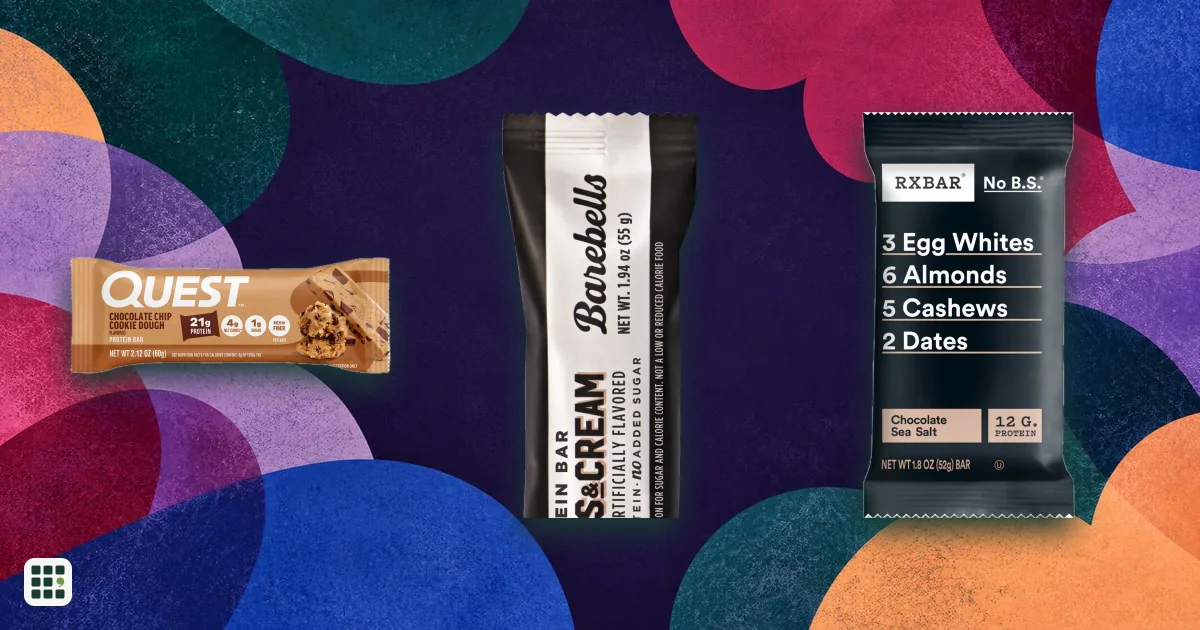
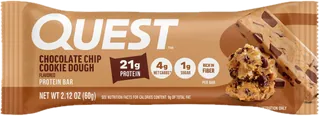
Milk-protein bar with 21g protein, 1g sugar and 12g fiber per bar, sweetened with erythritol, stevia and sucralose and labeled keto-friendly. It has 6g sugar alcohols, and the box is pricier per bar than most supermarket bars.
-
ONE Protein Bar · ONE Brands
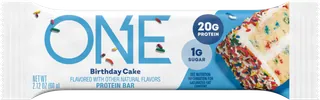
Hershey-owned bar with dessert flavors, 20g protein and 1g sugar; labeled gluten-free and kosher. It is sweetened with maltitol, sugar and sucralose (7g sugar alcohols) and is sold through retailers and the Hershey's Store rather than a ONE store.
-
Barebells Protein Bar · Barebells
Swedish chocolate-coated bar with a soft core, 20g protein and no added sugar. It is sweetened with maltitol and sucralose (the label warns of a laxative effect if eaten in excess), contains collagen and soy, and is not labeled gluten-free.
-
RXBAR · RXBAR
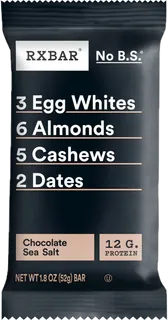
Short-ingredient bar made from dates, egg whites and nuts, with 12g protein, about 8g less than the other bars here. Its 14g sugar all comes from dates (0g added), and it has no sugar alcohols or high-intensity sweeteners. Gluten-free.
-
Pure Protein Bar · Pure Protein
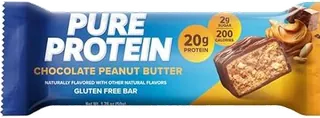
Lower-priced 50g bar with 20g protein and 2g sugar, labeled gluten-free. It is sweetened with maltitol, sugar and sucralose, and its protein blend includes collagen and soy. The brand's product page sends buyers to Amazon.
-
Clif Builders Protein Bar · Clif Bar & Company
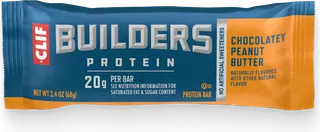
A plant-based bar with 20g of soy protein, aimed at post-workout recovery. It is one of the more sugary bars here (17g added sugar in Chocolatey Peanut Butter) but uses no artificial sweeteners or sugar alcohols. Gluten-free and Non-GMO Project Verified.
-
think! High Protein Bar · think!
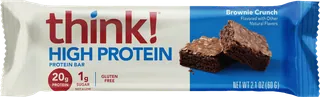
A low-sugar bar (1g sugar) with 20g of protein from a soy, casein and whey blend. It gets its sweetness from maltitol (11g sugar alcohol), which can cause bloating in some people. Sold in 10-bar boxes, smaller than most brands' 12.
-
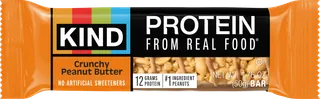
KIND Protein Bar · KIND Snacks
A nut-based bar with 12g of protein, less than the others here, but with 6g of fiber and only 5g added sugar. It is smaller (50g) and higher in fat (18g) because peanuts are the first ingredient. KIND does not sell it directly; it is sold through retailers.
-
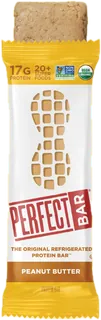
Perfect Bar · Perfect Snacks
A refrigerated whole-food bar made from organic peanut butter, honey, milk and egg, with 17g of protein. It is the heaviest and highest-calorie bar here (71g, 340 kcal) and has 19g of sugar from honey. It must be kept cold, and boxes hold only 8 bars.
-
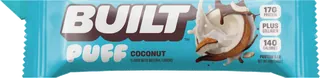
BUILT Puff · Built Brands
A light 40 g marshmallow-style bar with a chocolatey coating, made with a whey and collagen protein blend. It suits people who want a small, dessert-like snack with 17 g protein; it is sweetened with real sugar (6 g added sugar in Coconut) and has no fiber, and collagen is a less complete protein than whey or milk. Also sold in 4-bar boxes ($10.99).
-
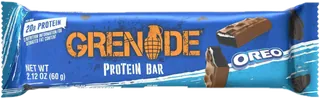
Grenade Protein Bar (formerly Carb Killa) · Grenade
A dense, chocolate-coated 60 g bar with 20 g protein and 1 g sugar, aimed at people who want a candy-bar style snack with very little sugar. Most of its carbohydrate is the sugar alcohol maltitol (17 g), which can have a laxative effect; it contains wheat and milk, so it is not gluten-free or vegan. Sold in the US through retailers such as GNC; the reference flavor is the Oreo collaboration.
-
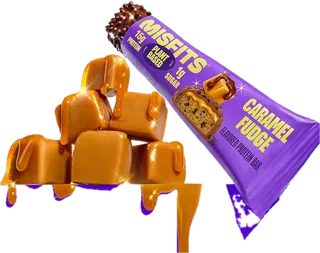
Misfits Plant-Based Protein Bar · Misfits
A vegan, gluten-free 50 g bar made with soy and pea protein, layered and coated in vegan chocolate, for people avoiding dairy who want a sweet, low-sugar snack. It has 15 g protein, less than other bars here, and is sweetened with maltitol (7 g sugar alcohol). The store offers mix-and-match discounts of up to 25% on multiple boxes.
-
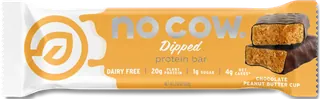
No Cow Protein Bar · No Cow
A vegan, chocolate-dipped 60 g bar made with brown rice and pea protein, for people who want 20 g plant protein with high fiber (14 g) and 1 g sugar. It is sweetened with erythritol, stevia and monk fruit (8 g sugar alcohol), and the high fiber can bother some stomachs.
Suggest a change
Related comparisons
-
 Protein powders
 differ in protein source, protein per scoop, sugar and sweeteners, third-party testing, and price per serving. This grid compares widely sold whey and plant-based powders from their official labels and stores, so you can find one that fits your diet, goals, and budget.
-
 Weight loss programs
 range from app-based habit coaching and points systems to meal replacement plans and telehealth clinics that prescribe GLP-1 medication. This grid compares seven US programs on what they cost per month, whether they provide food, medication or clinicians, and what kind of coaching you get.
-
 Kettlebells
 for swings, squats, presses, and get-ups at home: classic cast iron bells, competition bells that stay the same size at every weight, and adjustable kettlebells that replace a rack of bells. The choice comes down to how many weights you need, your budget per pound, and how the handle feels in your hands.
-
 Smart scales
Compare smart bathroom scales sold in the US that sync weight and body composition to your phone, from budget Bluetooth models to Wi-Fi scales with hand electrodes and segmental analysis. The trade-offs are price, Wi-Fi versus Bluetooth syncing, which body metrics you get, how well it handles several users, and how it fits with your health apps.
-
 Fitness trackers
Compare fitness trackers sold in the US: slim bands, screenless straps, smart rings and fitness-focused watches from Fitbit, Garmin, WHOOP, Oura, Amazfit, Samsung, Apple and others. The trade-offs are price and subscriptions, screen versus discreet design, built-in GPS for workouts, battery life, and which health sensors you actually want.
-
 Meal delivery services
Prepared meal delivery services send ready-to-eat meals you just heat, unlike meal kits you cook yourself. They differ in price per meal, fresh versus frozen meals, menu size, diet options, delivery area, and how easy it is to skip a week. This grid compares the major US services on their published terms.