



Protein powders
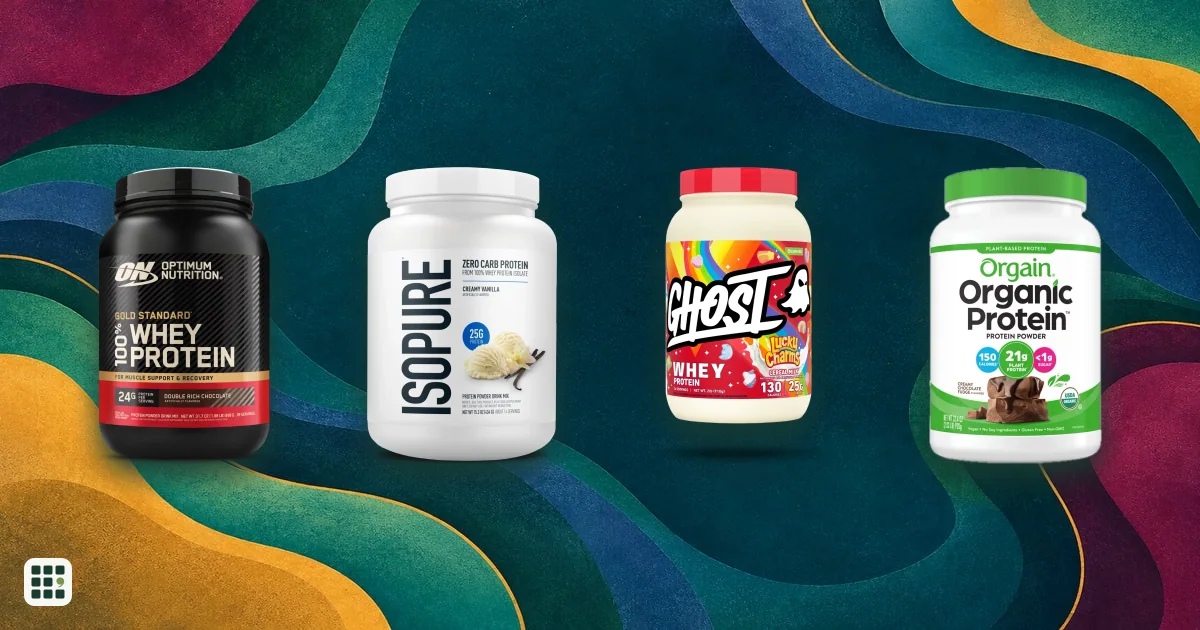
Protein powders differ in protein source, protein per scoop, sugar and sweeteners, third-party testing, and price per serving. This grid compares widely sold whey and plant-based powders from their official labels and stores, so you can find one that fits your diet, goals, and budget.
Last updated
How to choose
Nutrition here is per serving of one reference flavor from each brand's official label; other flavors and sizes differ. Supplements aren't approved by the FDA before sale. If you have a health condition, are pregnant, or take medication, ask your doctor before adding a protein supplement.
1. Pick a protein source
- Whey isolate is filtered to remove most lactose, fat, and carbs, so it suits many people with mild lactose sensitivity.
- Whey concentrate costs less but has a little more lactose, fat, and carbs.
- Plant-based blends (pea, rice, and others) suit vegans and people who avoid dairy; blends give a more complete amino acid profile than one plant source.
2. Compare protein per serving, not per scoop size
- Most powders give 20 to 30 grams of protein per serving. Check calories, carbs, and added sugar per serving too, since bigger scoops often add more of each.
3. Check sweeteners and labels
- Look at the sweetener (sucralose, stevia, monk fruit, sugar) and claims like gluten-free or non-GMO if they matter to you.
4. Look for third-party testing
- Certifications like NSF Certified for Sport or Informed Choice test for banned substances and contaminants. Athletes subject to drug testing should insist on one.
5. Work out the cost per serving
- Divide the price by the servings per container. Bigger tubs and subscriptions are usually cheaper per serving.
Final check
Try a small size or single-serve packets first if you're unsure about taste or how your stomach handles it.
Answer
Browse the table. Filter to what matters.
Use the filters below, then sign in if you want to shortlist and decide with friends.
Sign in to vote, hide products and features, and reorder.
Verified: hover a cell and click its green dot for the source Estimate: no cited source Not stated: the maker doesn't publish it
| Feature | ⠿ | ⠿ | ⠿ | ⠿ | ⠿ | ⠿ | ⠿ | ⠿ | ⠿ | ⠿ | ⠿ | ⠿ | ⠿ | ⠿ |
|---|---|---|---|---|---|---|---|---|---|---|---|---|---|---|
|
⠿
Price
|
$105.99
|
$69.99
|
||||||||||||
|
⠿
Container size
|
5 lb
|
1.91 lb (867 g), sold as the 2 lb / 30-serving bag
|
30.16 oz (855 g)
|
29.2 oz (828 g)
|
||||||||||
|
⠿
Servings per container
|
71 servings
|
30 servings
|
||||||||||||
|
⠿
Protein type
|
Whey protein isolate (Truly Grass Fed, Ireland)
|
|||||||||||||
|
⠿
Reference flavor
|
Dutch Chocolate
|
|||||||||||||
|
⠿
Protein per serving
|
22 g
|
|||||||||||||
|
⠿
Calories per serving
|
100 kcal
|
170 kcal
|
170 kcal
|
|||||||||||
|
⠿
Serving size
|
28.4 g
|
28.9 g
|
||||||||||||
|
⠿
Total carbohydrates
|
3 g
|
3 g
|
7 g
|
4 g
|
||||||||||
|
⠿
Added sugars
|
0 g
|
0 g
|
1 g
|
0 g
|
0 g
|
|||||||||
|
⠿
Sweeteners
|
Stevia
|
|||||||||||||
|
⠿
Third party testing
|
None stated
|
None stated
|
None stated
|
Labdoor certified (third-party lab tested for purity and label accuracy)
|
None stated
|
|||||||||
|
⠿
Dietary labels
|
Gluten-free
|
Gluten-free, vegetarian, non-GMO
|
USDA Organic, vegan, gluten-free, non-GMO, kosher, no soy or dairy ingredients
|
|||||||||||
|
⠿
Grass fed
|
|
|
|
|
|
|
|
|
Doesn't apply
|
Doesn't apply
|
Doesn't apply
|
Why these features matter
-
Price ($)
Price per serving varies widely; divide the price by the servings per container to compare.
-
Container size
Larger tubs usually cost less per serving but take longer to finish before they go stale.
-
Servings per container (servings)
Servings per container is what you need to work out the cost per scoop.
-
Protein type
Whey isolate has less lactose and fat than concentrate; plant blends suit vegans and people who avoid dairy.
-
Reference flavor
Nutrition changes by flavor, so compare the flavor you would actually buy.
-
Protein per serving (g)
More protein per scoop means fewer scoops to hit your daily target.
-
Calories per serving (kcal)
Lower-calorie powders fit weight-loss plans; higher-calorie ones help if you're trying to gain.
-
Serving size (g)
A bigger scoop for the same protein usually means more carbs, fat, or fillers.
-
Total carbohydrates (g)
Carbs matter if you follow a low-carb diet or manage blood sugar.
-
Added sugars (g)
Many powders add little or no sugar, but some flavors add several grams per scoop.
-
Sweeteners
Some people avoid artificial sweeteners or find stevia and monk fruit taste bitter.
-
Third party testing
Supplements aren't approved by the FDA before sale, so third-party testing is the best check on what's in the tub.
-
Dietary labels
Labels like vegan or gluten-free matter if you have an allergy or follow a strict diet.
-
Grass fed
Grass-fed whey is a sourcing claim some buyers prefer; it doesn't change the protein content.
About the products
-
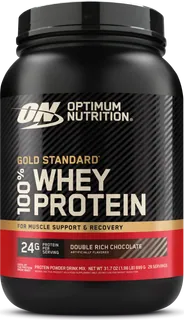
Gold Standard 100% Whey · Optimum Nutrition
A whey blend led by whey isolate with concentrate and hydrolyzed whey, for buyers who want a widely available all-rounder with many flavors. Double Rich Chocolate has 24g protein in a 31g scoop, is sweetened with acesulfame potassium, and carries the Informed Choice mark. It is not grass-fed and contains soy lecithin.
-
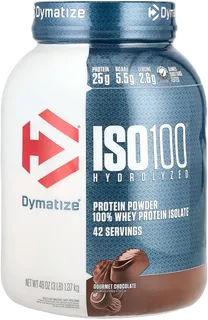
ISO100 Hydrolyzed · Dymatize
Hydrolyzed whey isolate plus whey isolate, for buyers who want a low-carb, low-fat isolate. Gourmet Chocolate has 25g protein, 120 calories and 2g carbs per 32g scoop, sweetened with sucralose and stevia. Dymatize sells it only through retailers, so prices vary by store.
-
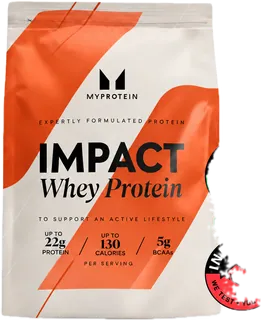
Impact Whey Protein · Myprotein
A whey concentrate powder for budget-minded buyers, sold in resealable pouches rather than tubs. Vanilla Ice Cream has 22g protein and 120 calories per 31g scoop, sweetened with sucralose and acesulfame potassium plus a little sugar. Myprotein runs frequent sales; at research time the 65-serving bag was 30% off ($74.19, regular $105.99).
-
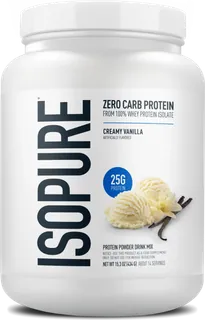
Isopure Zero Carb Protein Powder · The Isopure Company
A whey isolate with zero carbs and added vitamins and minerals, for buyers counting carbs. Creamy Vanilla has 25g protein and 110 calories per 31g scoop, sweetened with sucralose. The flagship tub is now 2.73 lb (40 servings) rather than 3 lb, and it costs more per serving than most whey powders.
-
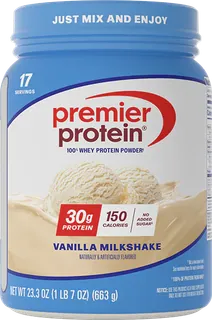
Premier Protein 100% Whey Protein Powder · Premier Protein
A whey isolate and concentrate blend from the ready-to-drink shake brand, sold mainly at grocery and big-box stores. Chocolate Milkshake has 30g protein and 150 calories per two-scoop (41g) serving, sweetened with acesulfame potassium and sucralose. The common tub is small (17 servings).
-
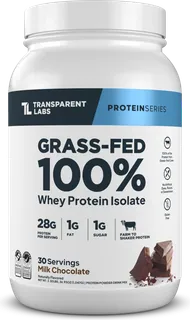
Transparent Labs Grass-Fed Whey Protein Isolate · Transparent Labs
A grass-fed whey isolate with 28 g of protein per scoop, sweetened only with stevia, in 20-plus flavors. It is Informed Choice and Informed Protein certified. The 2 lb size actually holds about 2.3 lb (30 servings); a 4 lb tub is also sold.
-
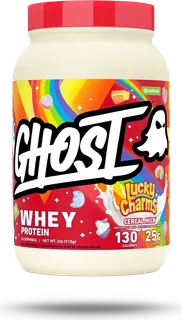
GHOST Whey Protein · GHOST
A whey isolate, concentrate and hydrolyzed isolate blend known for licensed cereal and dessert flavors (Lucky Charms, Cinnabon, Cocoa Puffs and others). It uses sucralose, and the Lucky Charms flavor has real marshmallows that add 2 g of added sugar. Ghost does not state a third-party certification on its page. A sale price of $43.99 (regular $54.99) was showing when checked.
-
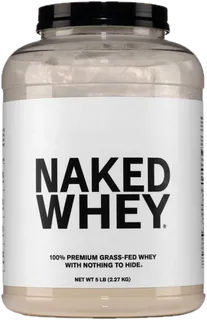
Naked Whey · Naked Nutrition
Unflavored, unsweetened grass-fed whey concentrate with a single ingredient and no added flavors or sweeteners. It is NSF Contents Certified (tested for contents and contaminants, not the NSF Certified for Sport program). Being a concentrate, it has slightly more fat and lactose than an isolate.
-
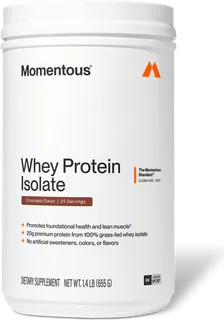
Momentous Whey Protein Isolate · Momentous
A European grass-fed whey isolate with 20 g of protein per scoop, added ProHydrolase enzyme, and monk fruit and stevia sweetening, with no gums. It is NSF Certified for Sport. It is the most expensive per gram of protein here: $69.99 for 25 servings.
-
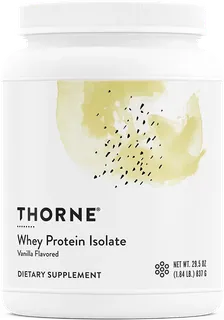
Thorne Whey Protein Isolate · Thorne
A whey isolate with 21 g of protein per scoop, plus bromelain and papain enzymes. It is NSF Certified for Sport and sold in Vanilla and Chocolate. Vanilla is sweetened with evaporated cane juice sugar and stevia (Reb A), so it has 3 g of sugar per serving.
-
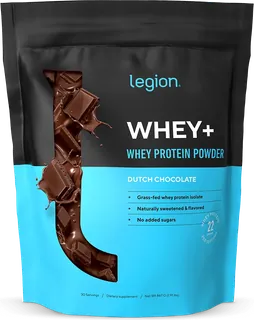
Legion Whey+ · Legion Athletics
A grass-fed whey isolate from Irish Truly Grass Fed milk, sweetened with stevia and lab-tested by Labdoor, for lifters who want a lean, low-carb whey. Sold in 30-serving (about 2 lb) and 60-serving bags in many flavors; protein per scoop (22 g) is lower than some isolates because servings are small. Legion advertises 30% off with subscribe-and-save and a first-order discount.
-
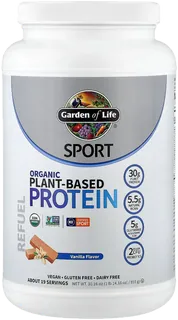
Garden of Life SPORT Organic Plant-Based Protein · Garden of Life
An organic, NSF Certified for Sport vegan blend of pea, bean, lentil and cranberry seed proteins with 30 g protein per two-scoop serving, plus probiotics and a fruit recovery blend. Suits tested-athlete and organic-first buyers; one 19-serving tub size, so cost per serving is relatively high.
-
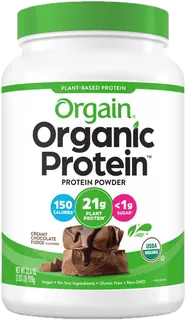
Orgain Organic Protein Plant Based Protein Powder · Orgain
A budget-friendly USDA Organic vegan powder (pea, brown rice and mung bean protein) with 21 g protein, 7 g fiber and stevia per two-scoop serving. Lower protein and higher carbs per serving than sport-focused powders, and no third-party sport certification is stated. The site was running a 'Limited Time: 25% Off Select Products' banner.
-
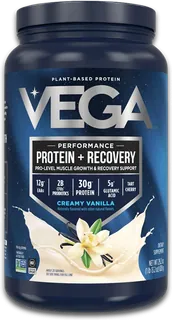
Vega Performance Protein + Recovery · Vega
Vega's NSF Certified for Sport plant protein (formerly Vega Sport Premium Protein): pea, pumpkin seed and sunflower seed protein with 30 g protein, tart cherry and probiotics per scoop, stevia-sweetened. Suits athletes who need tested vegan protein; one of the priciest per serving here.
Suggest a change
Related comparisons
-
 Protein bars
 range from candy-bar-like snacks to lean, high-protein bars with almost no sugar. This grid compares widely sold US bars on protein, calories, sugar, sugar alcohols, sweeteners, and price per bar, using each brand's official label for one reference flavor.
-
 Weight loss programs
 range from app-based habit coaching and points systems to meal replacement plans and telehealth clinics that prescribe GLP-1 medication. This grid compares seven US programs on what they cost per month, whether they provide food, medication or clinicians, and what kind of coaching you get.
-
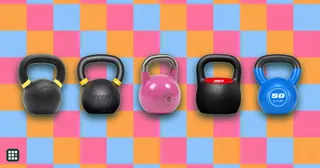 Kettlebells
 for swings, squats, presses, and get-ups at home: classic cast iron bells, competition bells that stay the same size at every weight, and adjustable kettlebells that replace a rack of bells. The choice comes down to how many weights you need, your budget per pound, and how the handle feels in your hands.
-
 Smart scales
Compare smart bathroom scales sold in the US that sync weight and body composition to your phone, from budget Bluetooth models to Wi-Fi scales with hand electrodes and segmental analysis. The trade-offs are price, Wi-Fi versus Bluetooth syncing, which body metrics you get, how well it handles several users, and how it fits with your health apps.
-
 Fitness trackers
Compare fitness trackers sold in the US: slim bands, screenless straps, smart rings and fitness-focused watches from Fitbit, Garmin, WHOOP, Oura, Amazfit, Samsung, Apple and others. The trade-offs are price and subscriptions, screen versus discreet design, built-in GPS for workouts, battery life, and which health sensors you actually want.
-
 Meal delivery services
Prepared meal delivery services send ready-to-eat meals you just heat, unlike meal kits you cook yourself. They differ in price per meal, fresh versus frozen meals, menu size, diet options, delivery area, and how easy it is to skip a week. This grid compares the major US services on their published terms.