



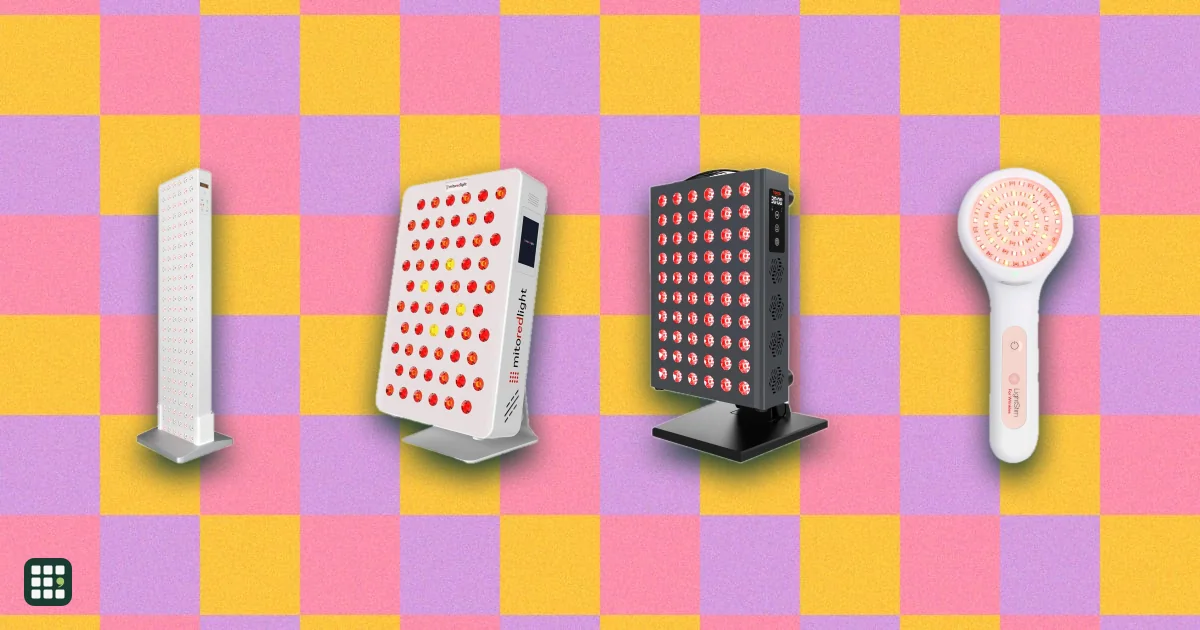
Red light therapy devices
Compare at-home red and near-infrared light therapy devices sold in the US: full-body and tabletop panels, LED face masks, handheld wands, and wraps for joints and muscles. The main questions are what you want to treat, how much area a device covers, whether it is FDA-cleared for that use, how long sessions take, and what it costs.
Last updated
How to choose
Specs here are makers' figures and FDA records. Evidence for red light therapy is strongest for some skin uses (fine lines, skin tone) and more mixed for pain, muscle recovery and general wellness. Results take weeks of regular use. This is not medical advice: check with a doctor if you are pregnant, take photosensitizing medicines, or have a skin or eye condition.
1. Start with what you want to treat
- Face and skin: LED face masks and handheld wands are designed for this, and several are FDA-cleared for wrinkles.
- Muscles and joints: look for near-infrared wavelengths, which reach deeper, in a wrap, pad or panel.
- Larger areas or the whole body: panels cover more at once but cost more and need space.
2. Check FDA clearance for your use
FDA clearance means the device was reviewed for a specific claim, such as wrinkles or temporary pain relief. Many devices are only registered, which is not a review of whether they work.
3. Compare wavelengths and output carefully
- Red light (about 630 to 670 nm) mainly reaches the skin; near-infrared (about 800 to 900 nm) goes deeper.
- Irradiance claims are measured differently by each maker. Compare at the same distance and don't assume more is always better.
4. Think about routine and comfort
Session length, how often you need to use it, and whether it is cordless decide whether you will keep using it. Wear eye protection with bright panels.
5. Look at the trial period and warranty
Because results take weeks, a long money-back trial lets you test it properly. Check the warranty, especially on expensive panels.
Answer
Browse the table. Filter to what matters.
Use the filters below, then sign in if you want to shortlist and decide with friends.
Sign in to vote, hide products and features, and reorder.
Verified: hover a cell and click its green dot for the source Estimate: no cited source Not stated: the maker doesn't publish it
| Feature | ⠿ | ⠿ | ⠿ | ⠿ | ⠿ | ⠿ | ⠿ | ⠿ | ⠿ | ⠿ | ⠿ | ⠿ | ⠿ | ⠿ | ⠿ |
|---|---|---|---|---|---|---|---|---|---|---|---|---|---|---|---|
|
⠿
Price
|
|||||||||||||||
|
⠿
Device type
|
Full-body panel
|
Full-body panel
|
Handheld
|
Handheld
|
Face mask
|
||||||||||
|
⠿
Main use
|
|||||||||||||||
|
⠿
FDA clearance
|
Not cleared (no 510(k) found in FDA database)
|
Not cleared (no 510(k) found in FDA database)
|
|||||||||||||
|
⠿
Wavelengths
|
|||||||||||||||
|
⠿
Near infrared
|
|||||||||||||||
|
⠿
Number of LEDs
|
|||||||||||||||
|
⠿
Irradiance
|
92 mW/cm², at 6 in, center (lab report)
|
61 mW/cm², red (61–65); blue 50+
|
|||||||||||||
|
⠿
Session length
|
|||||||||||||||
|
⠿
Treatment area
|
Full face
|
||||||||||||||
|
⠿
Cordless
|
|
|
|
|
|
||||||||||
|
⠿
Eye protection included
|
|||||||||||||||
|
⠿
Trial period
|
|||||||||||||||
|
⠿
Warranty
|
Why these features matter
-
Price ($)
Devices run from about $100 for a wand to over $1,000 for a full-body panel; bigger coverage and higher output cost more.
-
Device type
The form decides what you can treat: masks for the face, panels for large areas, wraps for joints, handhelds for small spots.
-
Main use
Match the device to your goal; face masks are built for skin, while panels and wraps target muscles and joints.
-
FDA clearance
FDA clearance means the device was reviewed for a specific claim, such as wrinkles or minor pain; registration alone means no review of effectiveness.
-
Wavelengths
Red light (about 630 to 670 nm) mainly reaches the skin; near-infrared (about 800 to 900 nm) reaches deeper tissue.
-
Near infrared
Near-infrared is what reaches muscles and joints; skin-focused devices may not need it.
-
Number of LEDs (LEDs)
More LEDs usually mean more even coverage; it is not a direct measure of strength.
-
Irradiance (mW/cm²)
Higher irradiance can shorten sessions, but makers measure it differently; compare at the same distance and treat claims cautiously.
-
Session length (min)
Short sessions fit routines more easily; most devices need regular use for weeks to show results.
-
Treatment area
Bigger coverage treats more of the body at once; small devices need moving around.
-
Cordless
Cordless devices are easier to use anywhere; corded panels deliver steady output for long sessions.
-
Eye protection included
Bright LEDs, especially near-infrared, can strain eyes; protection matters for panels and masks.
-
Trial period (days)
Results take weeks; a long trial lets you return it if it doesn't help.
-
Warranty
LED devices are electronic; longer warranties protect an expensive panel.
About the products
-
Solo 3.0 · Joovv
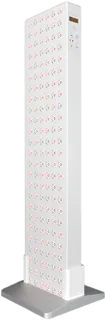
A 36-inch modular red (660 nm) and near-infrared (850 nm) panel for moderate-area sessions at home, mounted on a door, wall or stand; it can be expanded into Joovv's larger multi-panel kits later. It uses only two wavelengths and costs more per LED than most rivals. Currently on sale at $1,699 (regular $1,799); stands and mounts cost extra.
-
Go 2.0 · Joovv
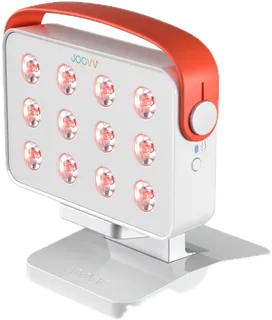
A palm-size battery-powered red and near-infrared light for small, targeted areas such as a joint or the face, controlled by buttons or the Joovv app. It has only 12 LEDs, enters a 10-minute cooldown after each 10-minute session, and light modes need the app. Warranty (1 year) and return window (30 days) are shorter than Joovv's panels.
-
MitoPRO 1500X · Mito Red Light
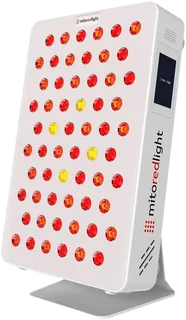
A 43-inch full-body panel with six wavelengths (amber, red and near-infrared) using dual-chip LEDs that can run red-only, NIR-only or both, with a touchscreen and Bluetooth app. Mito lists two irradiance figures: about 73 mW/cm2 by lab spectroradiometer and over 160 on a consumer meter, so compare carefully. Stands are sold separately; it ships with an over-the-door hanging kit.
-
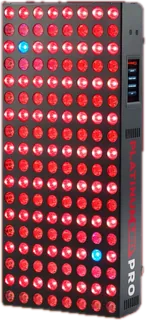
BIOMAX PRO GRANDE · PlatinumLED
A 35-inch half-body panel from PlatinumLED's newer BIOMAX PRO line, with seven wavelengths (including a small amount of 480 nm blue and 1060 nm NIR), per-wavelength dimming, pulse control and preset modes. It is heavy (22 lb) and fan-cooled, and stands are sold separately. PlatinumLED publishes third-party lab irradiance reports rather than a single headline number.
-
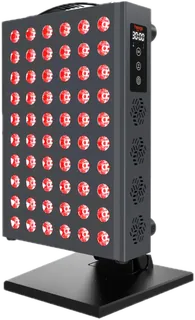
PRO300 · Hooga
A compact tabletop red (660 nm) and near-infrared (850 nm) panel for the face, joints and other targeted areas, with a built-in kickstand, separate red/NIR switches and a 5/10/15-minute timer. It is the most affordable panel here but covers only a small area, and the finished panel has no UL or ETL safety listing. Returns are accepted for 60 days, but return shipping is deducted from the refund.
-
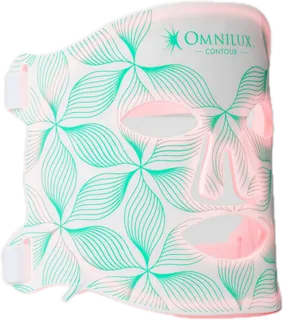
Contour Face · Omnilux
Flexible silicone mask with 132 LEDs at two wavelengths (633 nm red, 830 nm near-infrared), FDA-cleared for full-face wrinkles; 10-minute sessions 3-5 times a week. Runs from a rechargeable controller on a short lead; no eye shields (the maker says none are needed).
-
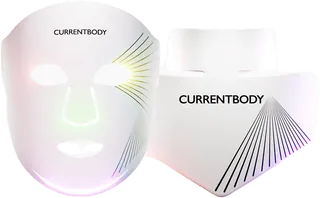
LED Face Mask Series 3 · CurrentBody
App-controlled silicone mask with 750 LEDs and six wavelengths (red, near-infrared, deep near-infrared 1072 nm, blue, green, yellow); you pick wavelengths and the app sets the dose. Costs more than the red-only Series 2 ($469.99), which is still sold.
-
Dr. Dennis Gross DRx SpectraLite FaceWare Pro · Dr. Dennis Gross Skincare
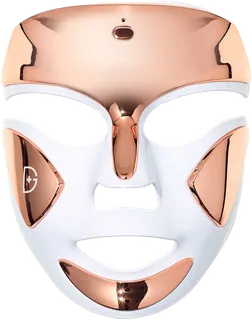
Full-face mask with red, blue, or combined modes for wrinkles and acne in 3-minute sessions with automatic shut-off. Has fewer LEDs (up to 100) and a shorter warranty (1 year) than most rivals; no irradiance published.
-
TheraFace Mask · Therabody
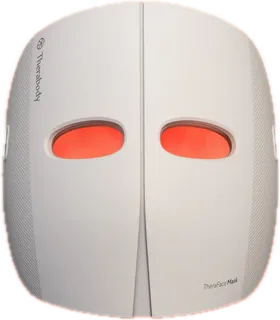
Rigid cordless mask with 648 LEDs (red, red + infrared, blue) and a vibration massage, FDA-cleared for wrinkles and acne. Sessions are 3 minutes per mode, and it comes with removable eye shields. The warranty is 1 year.
-
CryoGlow LED Face Mask · Shark
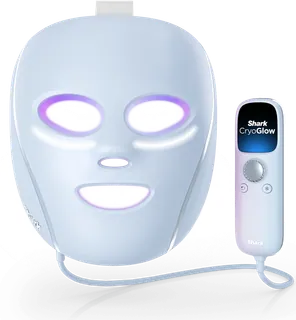
Rigid battery-powered mask (480 LEDs: red, blue, infrared) that also has cooling pads for under the eyes, FDA-cleared for wrinkles and acne. Routines run 4-8 minutes. Bundles with a charging stand are on sale ($399.99, down from $439.98); the mask alone is $349.99.
-
LightStim for Wrinkles · LightStim
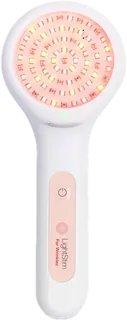
A cordless handheld LED wand for fine lines and wrinkles, held on one face area for 3 minutes at a time. It mixes amber, red and near-infrared LEDs, is FDA-cleared for wrinkles, and comes with goggles. Its small head means a full-face session takes several 3-minute placements.
-
Radiant Renewal Wand · Solawave
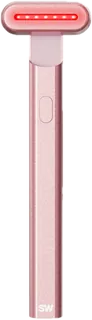
A small cordless wand that pairs 630 nm red light with warmth, galvanic current and vibration, for spot treatment of smile lines, under-eyes and the jawline. It has only 14 LEDs and red light only (no near-infrared), so it covers far less area than a mask. At the time of research the site ran a buy-one-get-one-free sale.
-
MOVE+ Pro · Kineon
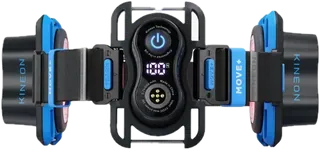
A wearable strap with three battery-powered modules that combine 660 nm red LEDs and 808 nm class 1 laser diodes, worn on a single joint such as a knee or shoulder for pain relief. It isn't FDA-cleared, and its maker lists power per module rather than irradiance. In November 2026 it was on sale at $499 (list $699).
-
Hooga Red Light Therapy Belt · Hooga
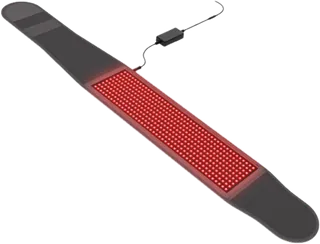
A flexible 52-inch wrap for the lower back, waist, hips or thighs, with 660 and 850 nm LEDs, a pulse mode and an included 15,000 mAh battery pack, so it can be used away from an outlet. It is sold for general wellness (no FDA clearance), and returns cost the return shipping.
-
HigherDOSE Red Light Face Mask · HigherDOSE
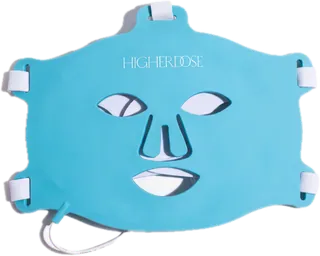
A flexible silicone LED face mask with 630 nm red and 830 nm near-infrared light. It runs 10- or 20-minute sessions from a rechargeable controller you clip on, so you can move around. It is FDA-cleared for wrinkles and comes with goggles. It covers the face only; the neck needs the separate Neck Enhancer.
Suggest a change
Related comparisons
-
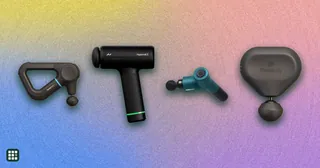 Massage guns
Percussion massage guns for sore muscles, warm-ups, and everyday tightness. Columns run from pocket minis to pro models you can buy new in the US. The rows that change how a gun feels are stroke depth, how hard you can press before the motor stalls, weight, battery, noise, and which heads and therapies are actually in the box.
-
 Home saunas
Compare home saunas sold in the US: infrared cabins, traditional electric saunas and outdoor barrels, and portable infrared tents and blankets. The main trade-offs are infrared versus traditional heat, how many people it fits, where it goes, whether you need new wiring, and total cost including installation.
-
 Spas and bathhouses in Bangkok, Thailand
Where to get a massage or soak in Bangkok, compared branch by branch: Japanese-style onsen bathhouses, budget massage chains, upscale day spas, a famous hotel spa and the massage pavilions at Wat Pho temple. Prices span from about 400 THB for an hour's foot massage to several thousand at hotel spas, so the real choice is between a quick, cheap massage, a half-day of baths and treatments, or a luxury splurge.
-
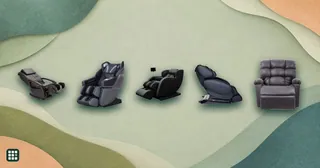 Massage chairs
Compare in-stock and orderable massage chairs by their massage track, air compression, heat, programs, fit and footprint. A product page may describe its current sale price; verify price, delivery and availability before ordering. Recommended height is shown only where the maker states it.
-
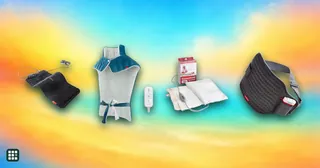 Heating pads
Electric heating pads from Sunbeam, Pure Enrichment, Thermophore, Comfytemp, RENPHO and Sharper Image, compared on size and shape, how hot they get, the shutoff timer, moist heat, weight, cordless running, washing, warranty and price. The choice runs from $26 basic pads to weighted, massaging, far-infrared and automatic moist-heat models.
-
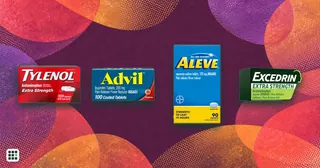 Pain relievers
Compare common OTC pain relievers, from acetaminophen (Tylenol), ibuprofen (Advil, Motrin), naproxen (Aleve) and aspirin (Bayer) to the Excedrin combination, diclofenac gel and a lidocaine patch. See onset, dosing interval, daily maximum, age limits and who should avoid each one (stomach, liver, kidney, blood thinners, pregnancy). Acetaminophen is not an anti-inflammatory; the NSAIDs are.