



Pain relievers
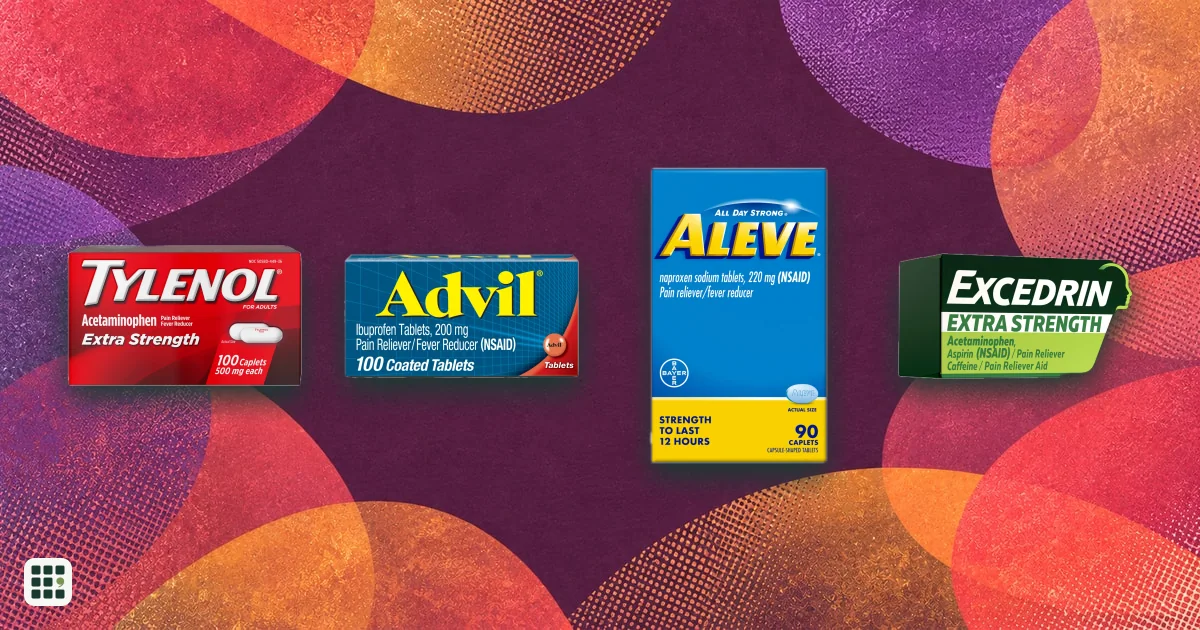
Compare common OTC pain relievers, from acetaminophen (Tylenol), ibuprofen (Advil, Motrin), naproxen (Aleve) and aspirin (Bayer) to the Excedrin combination, diclofenac gel and a lidocaine patch. See onset, dosing interval, daily maximum, age limits and who should avoid each one (stomach, liver, kidney, blood thinners, pregnancy). Acetaminophen is not an anti-inflammatory; the NSAIDs are.
Last updated
How to choose
Match the label to the pain
Acetaminophen is labeled for minor pain and fever but is not an anti-inflammatory. Oral NSAIDs such as ibuprofen, naproxen, and aspirin are labeled for several minor aches and pains; topical diclofenac has a narrower label for arthritis pain in specified joints.
Read the exact directions
These labels differ in dose intervals, daily limits, age cutoffs, and how long self-treatment should continue. Use the product package you have, and do not combine products with the same active ingredient or multiple NSAIDs unless a health professional tells you to.
Check warnings before use
Acetaminophen labels warn about liver damage and taking other acetaminophen-containing medicines. NSAID labels warn about serious stomach bleeding and cardiovascular risks; aspirin also has a Reye syndrome warning for children and teenagers with chickenpox or flu-like symptoms. Ask a pharmacist or clinician about personal conditions, pregnancy, medicines, or uncertainty. This grid summarizes selected Drug Facts information and is not medical advice.
Quick screens before you buy
- Stomach, kidney or blood thinners: oral NSAIDs (ibuprofen, naproxen, aspirin) carry stomach-bleeding warnings and tell people with kidney disease to ask first. Acetaminophen and the lidocaine patch have no such warnings.
- Liver or daily alcohol: acetaminophen products carry a liver warning; check every medicine you take for a second acetaminophen source.
- Kids and teens: aspirin products warn against use in children and teens with chickenpox or flu-like illness; the adult labels here start at age 12 (18 for the arthritis products).
- Dosing rhythm: Aleve and Tylenol 8 HR spread doses further apart than ibuprofen or standard Tylenol, which may suit all-day pain.
- One joint or one spot: a topical gel or patch acts locally, but each has a narrow label.
Answer
Browse the table. Filter to what matters.
Use the filters below, then sign in if you want to shortlist and decide with friends.
Sign in to vote, hide products and features, and reorder.
Verified: hover a cell and click its green dot for the source Estimate: no cited source Not stated: the maker doesn't publish it
| Feature | ⠿ | ⠿ | ⠿ | ⠿ | ⠿ | ⠿ | ⠿ | ⠿ | ⠿ | ⠿ | ⠿ |
|---|---|---|---|---|---|---|---|---|---|---|---|
|
⠿
Price
|
|||||||||||
|
⠿
Active ingredient and strength
|
|||||||||||
|
⠿
Labeled OTC uses
|
|||||||||||
|
⠿
Adult directions
|
|||||||||||
|
⠿
Self treatment age and duration limits
|
|||||||||||
|
⠿
Key label warnings
|
|||||||||||
|
⠿
Form and route
|
|||||||||||
|
⠿
Dosing interval
|
|||||||||||
|
⠿
Max daily dose
|
|||||||||||
|
⠿
Onset of relief
|
30 to 60 minutes
|
30 to 60 minutes
|
30 to 60 minutes
|
30 to 60 minutes
|
30 to 60 minutes
|
30 to 60 minutes
|
30 to 60 minutes
|
30 to 60 minutes
|
30 to 60 minutes
|
||
|
⠿
Minimum age on adult label
|
|||||||||||
|
⠿
Kids version by same maker
|
|
|
|
|
|
|
|
|
|
|
|
|
⠿
Contains caffeine
|
|||||||||||
|
⠿
Stomach bleeding warning
|
|
|
|
||||||||
|
⠿
Heart attack and stroke warning
|
|
|
|
|
|
|
|||||
|
⠿
Liver damage warning
|
|
|
|
|
|
|
|
|
|||
|
⠿
Kidney disease caution
|
|
|
|
||||||||
|
⠿
Blood thinner caution
|
|
||||||||||
|
⠿
Reye syndrome warning
|
|
|
|
|
|
|
|
|
|||
|
⠿
Pregnancy caution
|
Why these features matter
-
Price ($)
Store-brand generics with the same active ingredient often cost a fraction of the name brand, and pack sizes differ, so compare the price per tablet as well as the shelf price. Price matters less than choosing the right ingredient and following the label.
-
Active ingredient and strength
Ingredient and strength determine what medicine is being compared.
-
Labeled OTC uses
The label may cover different pain areas or symptoms; topical diclofenac has a narrower arthritis-pain use.
-
Adult directions
Dosing intervals and daily limits differ; follow the specific package directions.
-
Self treatment age and duration limits
Age, duration, or limited application area can affect whether the self-care label fits.
-
Key label warnings
Warnings can include liver injury, stomach bleeding, cardiovascular risk, allergy, or use restrictions.
-
Form and route
Oral products work through the body, topical ones act locally on a joint or area, which changes the side-effect profile and where it can be used.
-
Dosing interval
A longer interval means fewer doses a day, which matters for sleep, work and avoiding accidental overdose.
-
Max daily dose
The daily ceiling is the main overdose guard; stay under it and never add another product with the same ingredient.
-
Onset of relief
Fast onset helps for sudden pain; slower products suit steady daily arthritis pain.
-
Minimum age on adult label (years)
Sets who in a household can use the product.
-
Kids version by same maker
Children cannot use adult tablets; a children's liquid or chewable is the usual route.
-
Contains caffeine
Caffeine can boost headache relief but causes jitters or sleeplessness in some people.
-
Stomach bleeding warning
Oral NSAIDs raise stomach bleeding risk, especially for people 60 and older, on blood thinners or drinking alcohol daily.
-
Heart attack and stroke warning
Matters if you have heart disease, high blood pressure or past stroke.
-
Liver damage warning
Acetaminophen overdose is a leading cause of liver injury, so daily limits and alcohol matter.
-
Kidney disease caution
Kidney disease changes which pain relievers are safe.
-
Blood thinner caution
Blood thinners plus pain relievers can raise bleeding risk or change drug levels.
-
Reye syndrome warning
Aspirin should not be given to kids or teens with viral illness.
-
Pregnancy caution
Pregnancy changes which pain relievers are appropriate; ask a clinician.
About the products
-
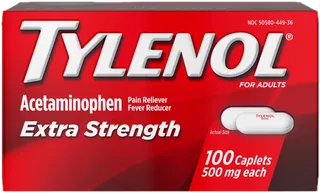
Acetaminophen 500 mg (Tylenol Extra Strength) · Kenvue
Oral non-NSAID pain reliever and fever reducer; it does not reduce inflammation. On Walmart Rollback at $10.36 for 100 caplets as of 2026-10-24.
-
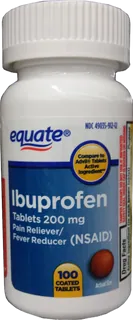
Ibuprofen 200 mg (generic) · Multiple generic manufacturers
Oral NSAID pain reliever and fever reducer; widely sold without a prescription.
-
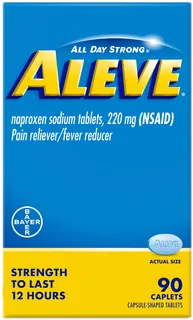
Naproxen sodium 220 mg (Aleve) · Bayer
Oral NSAID with labeled doses spaced every 8 to 12 hours. On Walmart Rollback at $10.97 for 90 caplets as of 2026-10-24.
-
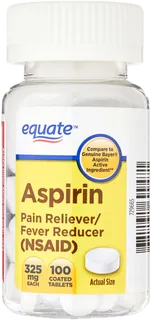
Aspirin 325 mg (generic) · Multiple generic manufacturers
Oral NSAID pain reliever and fever reducer; its label includes a Reye syndrome warning for some children and teens.
-
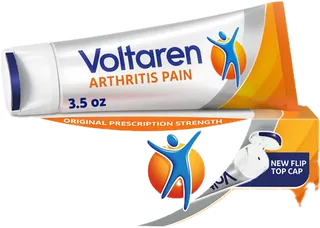
Diclofenac sodium topical gel 1% (Voltaren Arthritis Pain) · Haleon
Topical NSAID labeled for temporary relief of arthritis pain in specified joints; not for immediate relief.
-
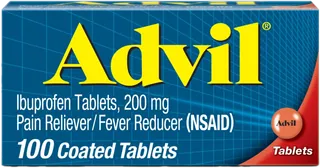
Ibuprofen 200 mg (Advil) · Haleon
Name-brand ibuprofen NSAID for minor aches, pain and fever; same active ingredient and dose as store-brand ibuprofen, usually at a higher price.
-
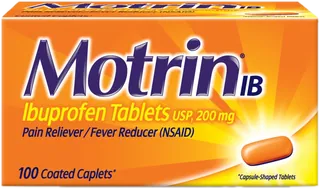
Ibuprofen 200 mg (Motrin IB) · Kenvue
Name-brand ibuprofen NSAID, the other big brand next to Advil; same 200 mg dose and label as the generic.
-
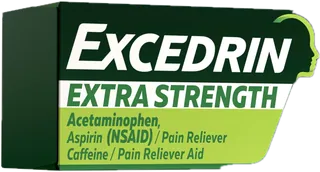
Acetaminophen, aspirin and caffeine (Excedrin Extra Strength) · Haleon
Combination product: acetaminophen plus aspirin (an NSAID) plus caffeine. Carries both the liver and the stomach-bleeding warnings, and about as much caffeine as a cup of coffee per dose.
-
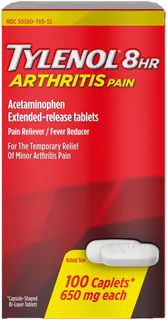
Acetaminophen 650 mg extended-release (Tylenol 8 HR Arthritis Pain) · Kenvue
Extended-release acetaminophen taken every 8 hours for minor arthritis pain; not an anti-inflammatory, adults only, and swallowed whole.
-
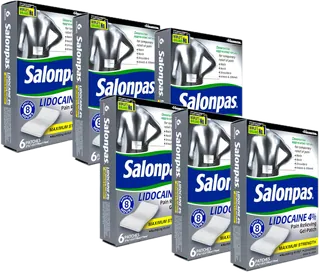
Lidocaine 4% patch (Salonpas) · Hisamitsu
Numbing (topical anesthetic) patch for localized pain; not an NSAID and not a fever reducer, with no stomach, liver or kidney warnings of the oral products. Sold in small counts, so price per patch is higher.
-
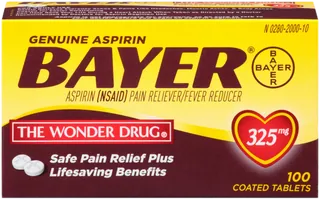
Aspirin 325 mg (Bayer Genuine Aspirin) · Bayer
Name-brand aspirin NSAID; same 325 mg dose as generic aspirin. Not for children or teens recovering from chickenpox or flu-like illness (Reye syndrome).
Suggest a change
Related comparisons
-
 Migraine treatments
Compare migraine treatments sold in the US: over-the-counter pain relievers, triptans, newer gepants, CGRP antibody injections, Botox, older preventive pills, and FDA-cleared nerve-stimulation devices. The main choices are whether you need to stop attacks, prevent them, or both; how you can take the treatment; what your heart health and other conditions allow; and what it will cost with your coverage.
-
 Heating pads
Electric heating pads from Sunbeam, Pure Enrichment, Thermophore, Comfytemp, RENPHO and Sharper Image, compared on size and shape, how hot they get, the shutoff timer, moist heat, weight, cordless running, washing, warranty and price. The choice runs from $26 basic pads to weighted, massaging, far-infrared and automatic moist-heat models.
-
 Massage chairs
Compare in-stock and orderable massage chairs by their massage track, air compression, heat, programs, fit and footprint. A product page may describe its current sale price; verify price, delivery and availability before ordering. Recommended height is shown only where the maker states it.
-
 Massage guns
Percussion massage guns for sore muscles, warm-ups, and everyday tightness. Columns run from pocket minis to pro models you can buy new in the US. The rows that change how a gun feels are stroke depth, how hard you can press before the motor stalls, weight, battery, noise, and which heads and therapies are actually in the box.
-
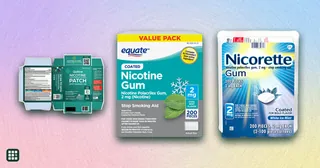 Smoking cessation aids
Compare three nicotine replacement forms and two prescription medicines by label directions, treatment length, and selected cautions. The right strength and plan depend on smoking history and health conditions; use the exact package directions or prescriber instructions.
-
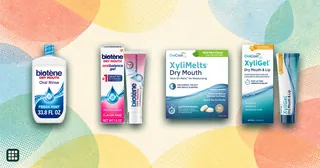 Dry mouth products (xylitol lozenges, sprays, rinses)
Dry mouth (xerostomia) can come from medications, medical conditions, aging or sleeping with your mouth open, and it makes the mouth sticky, uncomfortable and more prone to cavities and bad breath. This grid compares 14 over-the-counter dry mouth products you can buy in the US: rinses, sprays, gels, xylitol lozenges and mints, gum and adhering discs. The real choice is how you want to use it (at home, on the go, or overnight), how long it lasts, whether it has fluoride or xylitol, and what it costs per package.