



Medications and treatments
OTC medicines and home treatments compared: reflux, dry mouth, migraine and minoxidil.
These comparisons cover over-the-counter medicines and home-use treatments people compare before talking with a clinician or pharmacist: heartburn and reflux options, dry mouth products, migraine treatments, and topical minoxidil for hair loss.
They are not a substitute for medical advice. Use them to understand what each product type is for, how you take it, what the label warns about, and what it costs, then ask a professional if your symptoms are new, severe or long-lasting.
Where to start
- Heartburn and reflux: Acid reflux treatments
- Dry mouth: Dry mouth products
- Migraines: Migraine treatments
- Hair loss (OTC): Topical minoxidil products
-
 Acid reflux treatments
5 products · Updated Nov 15, 2026
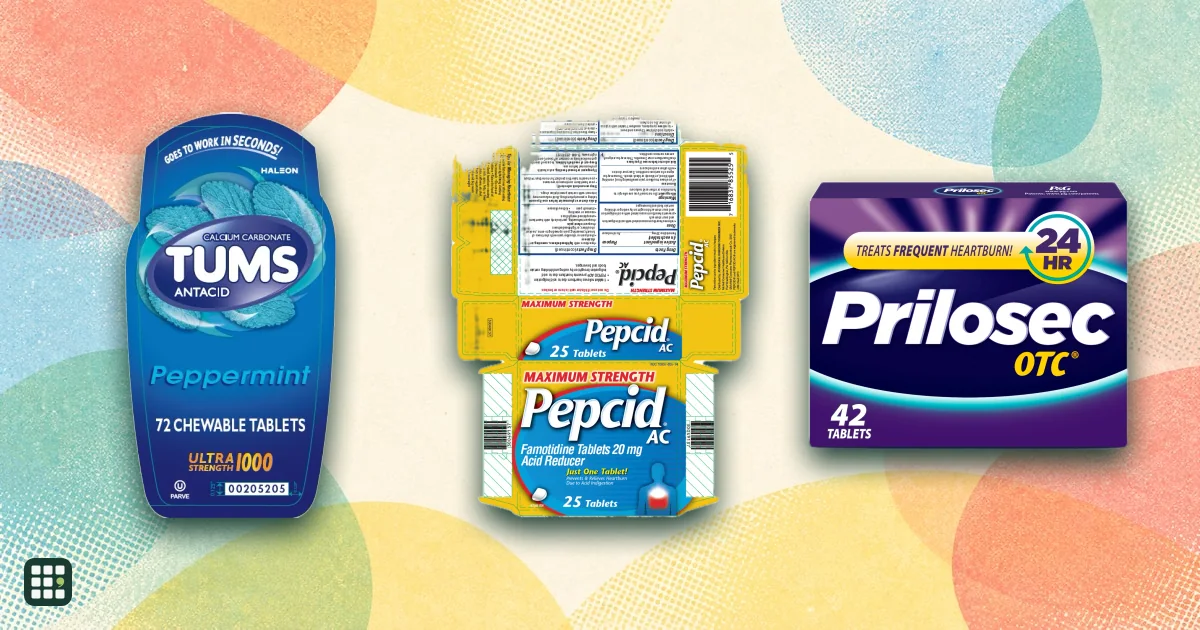
Compare common OTC options for heartburn by cost per tablet, label use, daily routine, course limits, and selected warnings. Calcium carbonate is an antacid used as symptoms occur; famotidine is an H2 acid reducer; OTC proton pump inhibitors are labeled for frequent heartburn and may take 1 to 4 days for full effect. These labels do not replace a clinician's assessment of persistent or severe symptoms.
-
 Dry mouth products (xylitol lozenges, sprays, rinses)
14 products · Updated Nov 15, 2026
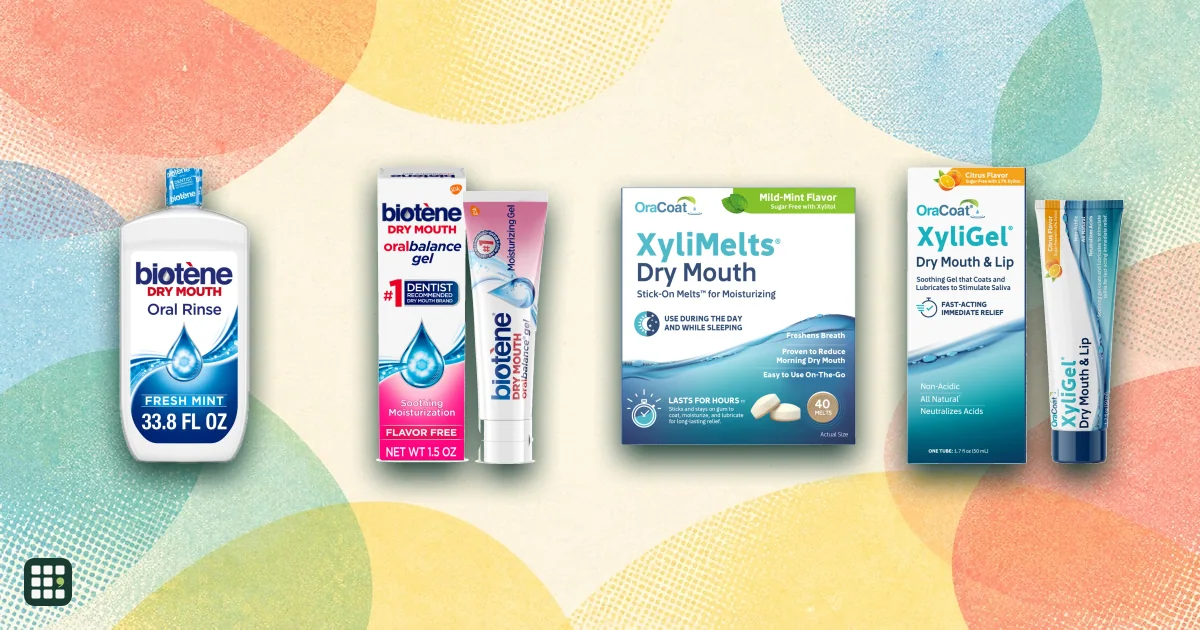
Dry mouth (xerostomia) can come from medications, medical conditions, aging or sleeping with your mouth open, and it makes the mouth sticky, uncomfortable and more prone to cavities and bad breath. This grid compares 14 over-the-counter dry mouth products you can buy in the US: rinses, sprays, gels, xylitol lozenges and mints, gum and adhering discs. The real choice is how you want to use it (at home, on the go, or overnight), how long it lasts, whether it has fluoride or xylitol, and what it costs per package.
-
 Migraine treatments
22 products · Updated Nov 12, 2026
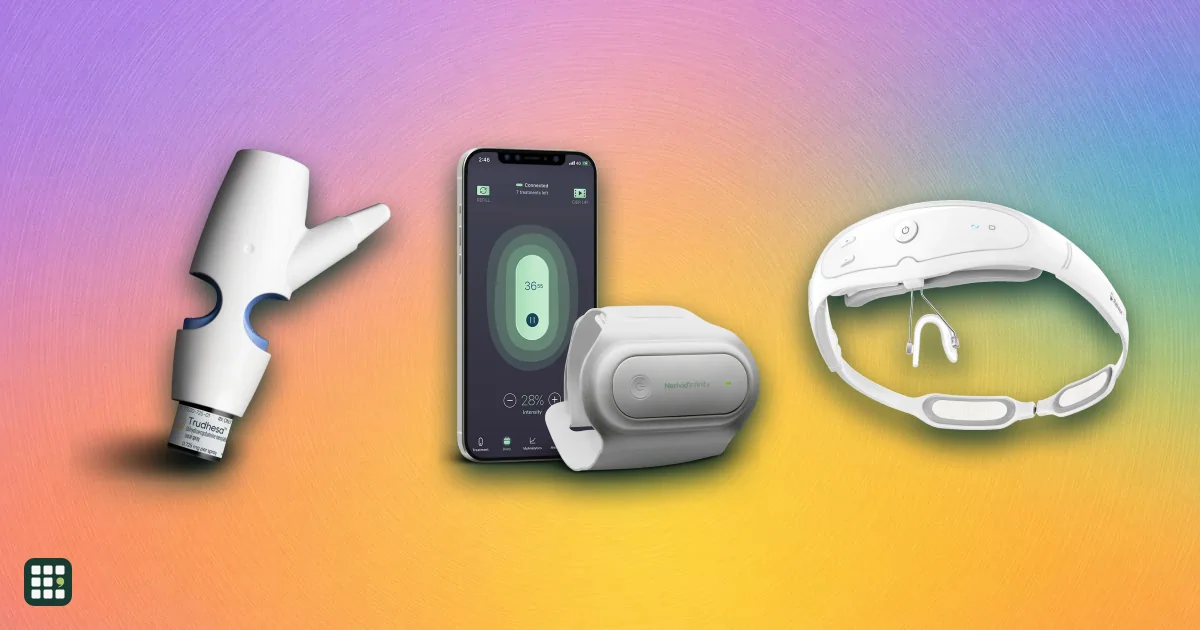
Compare migraine treatments sold in the US: over-the-counter pain relievers, triptans, newer gepants, CGRP antibody injections, Botox, older preventive pills, and FDA-cleared nerve-stimulation devices. The main choices are whether you need to stop attacks, prevent them, or both; how you can take the treatment; what your heart health and other conditions allow; and what it will cost with your coverage.
-
 Pain relievers
11 products · Updated Nov 12, 2026
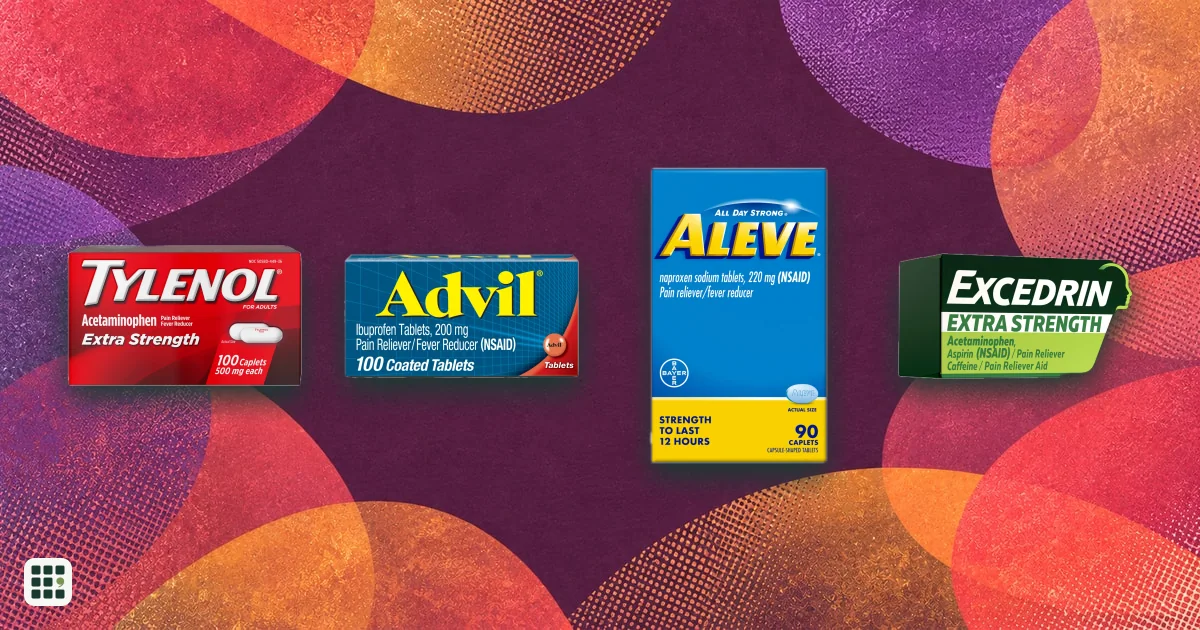
Compare common OTC pain relievers, from acetaminophen (Tylenol), ibuprofen (Advil, Motrin), naproxen (Aleve) and aspirin (Bayer) to the Excedrin combination, diclofenac gel and a lidocaine patch. See onset, dosing interval, daily maximum, age limits and who should avoid each one (stomach, liver, kidney, blood thinners, pregnancy). Acetaminophen is not an anti-inflammatory; the NSAIDs are.
-
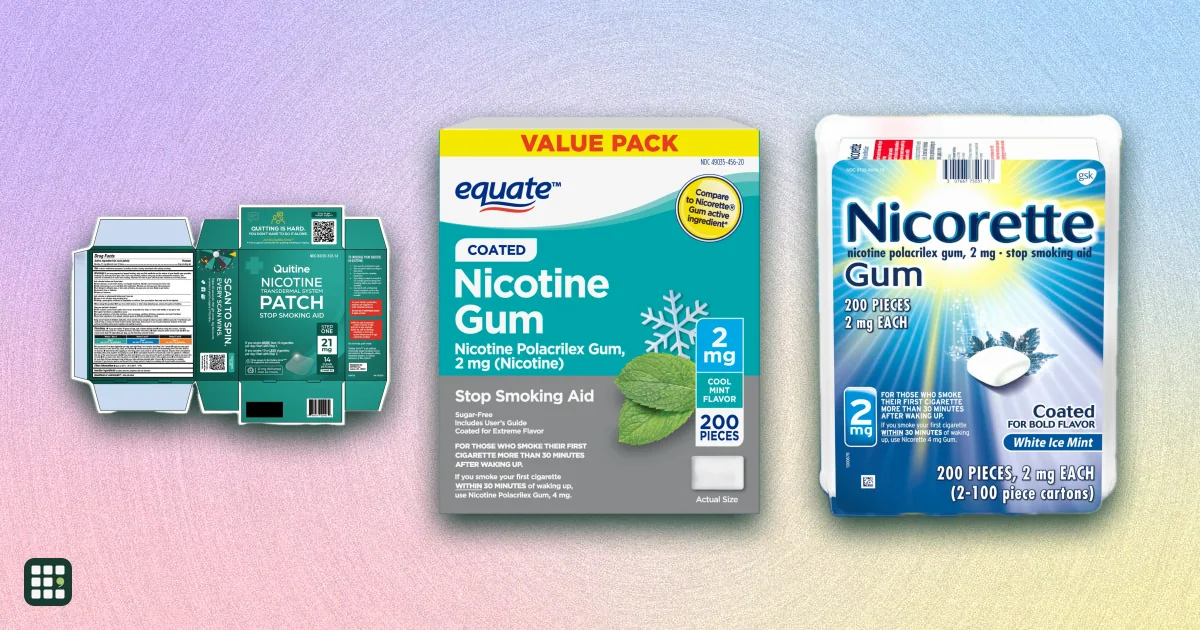 Smoking cessation aids
11 products · Updated Nov 16, 2026
Compare three nicotine replacement forms and two prescription medicines by label directions, treatment length, and selected cautions. The right strength and plan depend on smoking history and health conditions; use the exact package directions or prescriber instructions.
-
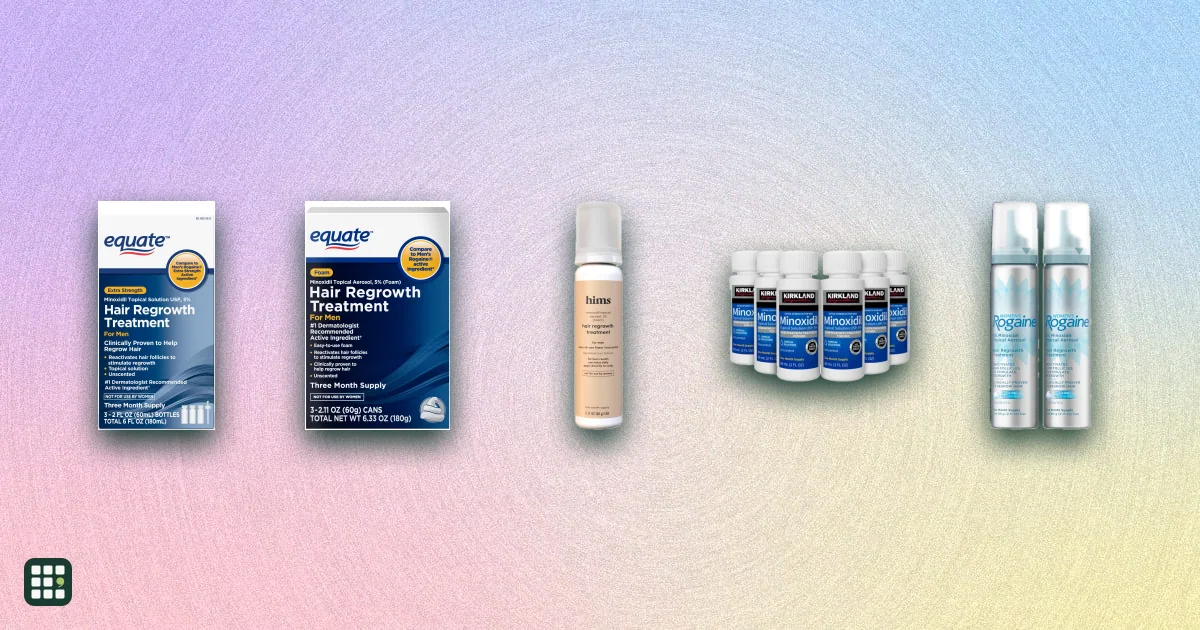 Topical minoxidil products
14 products · Updated Nov 13, 2026
Compare OTC topical minoxidil foams, liquids, and Sons UK spray: strength, dose, propylene glycol, and per-container and per-100 mL pricing in USD or GBP.