




Biological age tests
Compare six direct-to-consumer biological-age tests by cost, sample collection, measurement method, results, and turnaround. Each uses a different proxy for aging, so the reported numbers are not interchangeable and a result should not guide medical treatment.
Last updated
How to choose
Start with what is measured and how you collect the sample. DNA-methylation tests use cheek cells, saliva, or blood; GlycanAge measures immune-related IgG glycans; Blueprint and NOVOS use blood-based methylation clocks. Different clocks can give different ages from the same person.
Compare the reports
Some tests return one age estimate, while others add a pace-of-aging score or system-specific estimates. Check how long results take and whether interpretation or repeat tests cost extra. A single score is only one model-based estimate and may vary between tests.
Use results cautiously
Consumer biological-age estimates are wellness information, not diagnoses. A 2025 review notes that epigenetic clocks developed from population data can be difficult to interpret for an individual. Do not use a score to change screening, medication, or treatment; discuss health concerns with a qualified clinician.
Review of limits of epigenetic clocks as personal biomarkers
Answer
Browse the table. Filter to what matters.
Use the filters below, then sign in if you want to shortlist and decide with friends.
Sign in to vote, hide services and features, and reorder.
Verified: hover a cell and click its green dot for the source Estimate: no cited source Not stated: the company doesn't publish it
| Feature | ⠿ | ⠿ | ⠿ | ⠿ | ⠿ | ⠿ |
|---|---|---|---|---|---|---|
|
⠿
Single test price USD
|
$325
|
|||||
|
⠿
Sample collection
|
At-home blood sample
|
|||||
|
⠿
Measurement method
|
DNA methylation clock
|
|||||
|
⠿
Reported outputs
|
Biological age, speed of aging, 11 organ-system estimates
|
|||||
|
⠿
Results turnaround
|
4–6 weeks
|






Why these features matter
-
Single test price USD
Up-front cost helps compare tests that use different methods.
-
Sample collection
Collection comfort and logistics can determine which test someone will complete.
-
Measurement method
Different biological signals can yield different results; method helps explain why these tests are not interchangeable.
-
Reported outputs
A single age score is different from a pace-of-aging estimate or system breakdown.
-
Results turnaround
Turnaround matters when comparing a baseline test or planned follow-up.
About the services
-
TallyAge test · Tally Health
A cheek-swab methylation test that returns a single epigenetic-age number. A single test is available without a membership; the company describes added action plans and repeated tests as membership benefits.
-
TruAge · TruDiagnostic
An at-home finger-prick test with a broad DNA-methylation report, pace-of-aging score, and multiple system-age outputs.
-
Index · Elysium Health
A saliva-based methylation test that reports an overall estimate, cumulative pace, and nine system-age scores.
-
NOVOS Age · NOVOS
A finger-prick blood test combining epigenetic and biomarker methods, with overall, pace, organ-system, and telomere outputs.
-
GlycanAge · GlycanAge
A finger-prick blood test focused on IgG glycan patterns related to immune activity and inflammation, with an interpretation call.
-
Speed of Aging · Blueprint · No longer sold
A blood-based DNA-methylation clock with an aging-speed result and estimates for 11 organ systems.
Suggest a change
Related comparisons
-
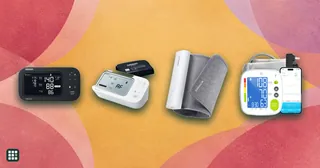 Blood pressure monitors
A home blood pressure monitor is useful only when its cuff fits and its readings are taken consistently. Compare validated models by cuff range, AFib screening, memory and averaging, app support, and price; wrist devices need careful positioning at heart level.
-
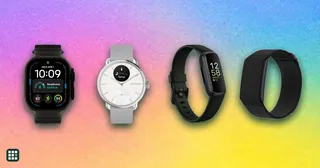 Wearable health technology
 now runs from everyday smartwatches and rings to prescription glucose sensors and medical-grade patches. This grid puts them side by side so you can see what each one actually measures, which functions are FDA cleared, what it costs up front and every month, and how long it lasts between charges or replacements. The real trade-offs: breadth versus medical depth, a screen versus discretion, and a one-off price versus memberships or disposable sensors.
-
 LED face masks
Compare 25 LED face masks from 16 makers, from $250 budget masks to $1,700 professional ones. The big choices are which lights you need (red and near-infrared for wrinkles and firmness, blue for acne), whether you want a soft flexible mask or a rigid shell, how long each session takes (3 to 20 minutes), and how much a long return window matters, since results take 4 to 12 weeks to show.
-
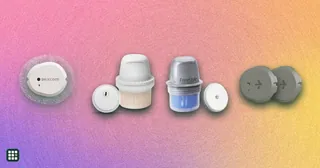 Continuous glucose monitors
 (CGMs) track glucose in fluid just under the skin and send readings to a phone, receiver, or connected insulin system. The choice depends on who the device is cleared for, how it displays and alerts, sensor wear time, pump compatibility, and recurring cost. OTC wellness sensors have narrower uses than prescription diabetes systems.
-
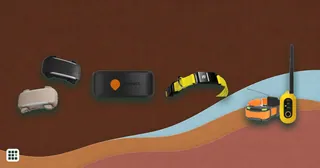 Pet GPS trackers
Compare pet GPS trackers by actual coverage method, subscription cost, escape alerts, battery, weight, water protection, health features, and whether a phone or handheld is needed. Cellular trackers can locate pets over long distances where a supported network is available; radio systems can work off-grid but require compatible equipment and are affected by terrain. Confirm fit for the pet’s size and review the service plan before buying.
-
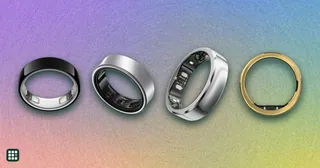 Smart rings
 track sleep, recovery, and daily health signals in a screen-free form. Compare the hardware price and any membership with battery life, phone requirements, sizing, and the health features each maker actually offers. These are wellness tools: a ring’s alert or estimate is not a diagnosis.