



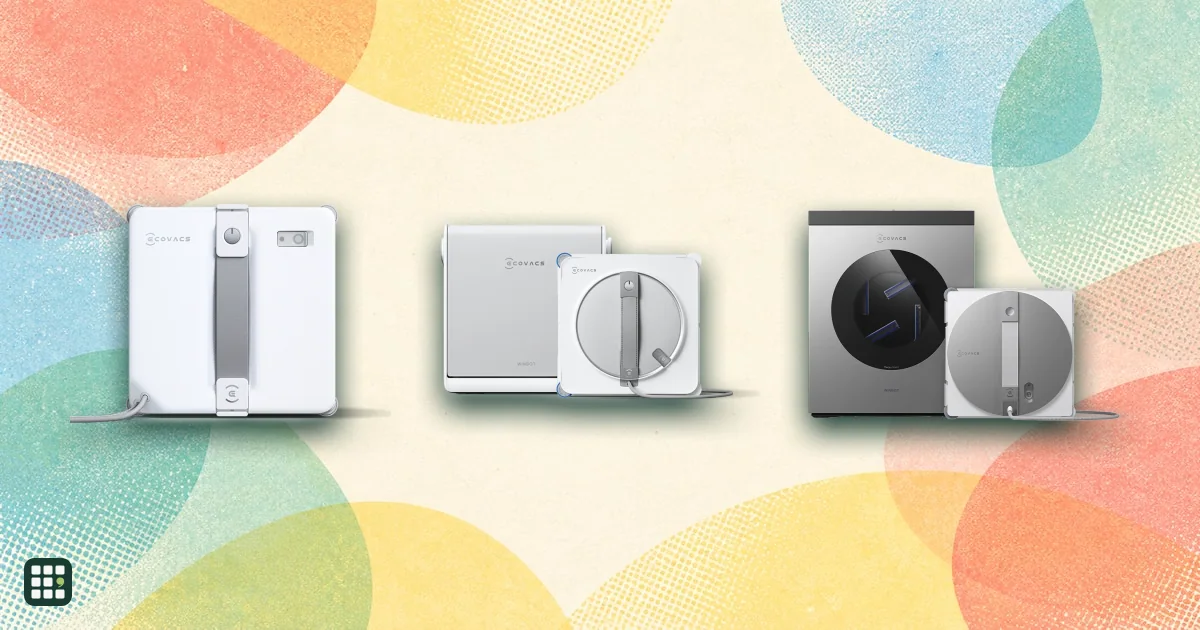
Robot window cleaners
Robot window cleaners stick to glass with suction and wipe it in a planned pattern while you do something else. This grid compares the Ecovacs Winbot lineup and HOBOT robots sold in the US. The real choices are safety (rope and backup battery for outside panes), whether you need cordless cleaning or a station, built-in spray, frameless-glass support, and how much you want to spend.
Last updated
How to choose
1. Start with where the glass is
- Outside panes and high windows: insist on a safety rope long enough to reach an inside anchor and a backup battery that holds the robot on the glass if power is lost.
- Balconies, skylights and windows far from an outlet: look for cordless cleaning; Ecovacs Omni models run off a charged station.
- Shower doors, glass railings and frameless glass: check the Frameless glass row; frame-only robots can drive off the edge.
- Small panes and mirrors: a compact robot (Winbot mini or mini 2) fits where full-size ones cannot; check the minimum window size.
2. Decide how much convenience to pay for
A station stores the cord and rope and can power the robot cordless, but adds $100 to $200. Built-in spray saves pre-spraying the glass. Phone apps add modes; a remote helps when the robot is outside and out of reach.
3. Compare suction and speed with care
Suction and minutes per square meter come from the makers and are not tested independently. Treat small differences as noise; large ones (for example 2,800 Pa against 6,000 Pa) are meaningful on dirty or textured glass.
4. Know the limits
- Robots clean flat glass well but leave a thin strip at frames and corners, and heavily soiled windows still need a hand wash first.
- They are loud (60 to 70 dB) and need a fresh pad for very dirty glass.
- Never run one on an outside pane without the safety rope tied to something solid.
5. Count the full cost
Replacement pads and cleaning fluid are ongoing costs. Ecovacs often discounts older models (W2 and W2S) once newer ones launch, so check the price before buying the newest model.
Answer
Browse the table. Filter to what matters.
Use the filters below, then sign in if you want to shortlist and decide with friends.
Sign in to vote, hide products and features, and reorder.
Verified: hover a cell and click its green dot for the source Estimate: no cited source Not stated: the maker doesn't publish it
| Feature | ⠿ | ⠿ | ⠿ | ⠿ | ⠿ | ⠿ | ⠿ | ⠿ | ⠿ | ⠿ | ⠿ | ⠿ |
|---|---|---|---|---|---|---|---|---|---|---|---|---|
|
⠿
Price
|
||||||||||||
|
⠿
Safety rope length
|
||||||||||||
|
⠿
Backup battery
|
||||||||||||
|
⠿
Backup battery runtime
|
||||||||||||
|
⠿
Cordless cleaning
|
|
|
|
|
|
|
||||||
|
⠿
Suction power
|
||||||||||||
|
⠿
Cleaning method
|
||||||||||||
|
⠿
Spray system
|
||||||||||||
|
⠿
Water tank
|
||||||||||||
|
⠿
Frameless glass
|
|
|||||||||||
|
⠿
Edge detection
|
||||||||||||
|
⠿
Navigation
|
||||||||||||
|
⠿
Cleaning speed
|
||||||||||||
|
⠿
Noise level
|
||||||||||||
|
⠿
App control
|
||||||||||||
|
⠿
Remote control
|
|
|
|
|||||||||
|
⠿
Power cord length
|
||||||||||||
|
⠿
Weight
|
||||||||||||
|
⠿
Base station
|
Omni station with built-in battery
|
Power adapter only
|
Power adapter only
|
Power adapter only
|
||||||||
|
⠿
Cleaning pads included
|
||||||||||||
|
⠿
Minimum window size
|
||||||||||||
|
⠿
Warranty
|
1 year limited
|
1 year limited
|
Why these features matter
-
Price ($)
Prices run from under $200 to $600; most of the extra money buys a station, cordless cleaning and stronger suction.
-
Safety rope length (ft)
The rope catches the robot if it falls off an outside window; it must reach from the robot to a solid anchor inside.
-
Backup battery
A power cut or tripped cord is the main way robots fall; a backup battery keeps it on the glass and alarms.
-
Backup battery runtime (min)
Longer hold time gives you more time to reach a robot stuck on an outside pane.
-
Cordless cleaning
Cordless cleaning helps on balconies, skylights and windows far from an outlet.
-
Suction power (Pa)
More suction holds better on textured or dirty glass and gives firmer scrubbing; marketing figures are not tested independently.
-
Cleaning method
Pad design decides how close to the frame it cleans and how well it handles stubborn dirt.
-
Spray system
Built-in spray means no hand spraying first; ultrasonic mist uses less water and streaks less.
-
Water tank (mL)
A bigger tank covers more glass before refilling.
-
Frameless glass
Frame-only robots can drive off the edge of frameless glass.
-
Edge detection
Edge sensors let it clean frameless glass safely; bump detection needs a frame.
-
Navigation
Smarter planning covers the pane in fewer passes with fewer missed strips.
-
Cleaning speed (min)
Faster robots finish big picture windows sooner; real time also depends on how dirty the glass is.
-
Noise level (dB)
Suction motors are loud; lower is nicer indoors.
-
App control
The app adds modes and remote start; most robots also work with a button or remote.
-
Remote control
A remote lets you steer or stop the robot on an outside pane you cannot reach.
-
Power cord length (ft)
Corded robots need the cord to reach the far corner of the window from the outlet.
-
Weight (lb)
Lighter robots are easier to place on high glass; heavier ones need stronger suction.
-
Base station
A station stores the cord and rope and can power the robot cordless; it costs more and takes space.
-
Cleaning pads included
Spare pads let you swap dirty ones mid-job; replacements are an ongoing cost.
-
Minimum window size
Small panes and divided-light windows can be too small for larger robots.
-
Warranty
Robots that fall or overheat need warranty support; longer cover is better.
About the products
-
Winbot W3 Omni · ECOVACS
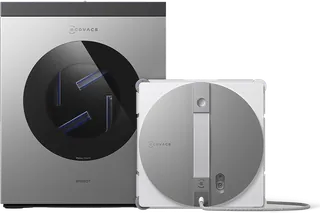
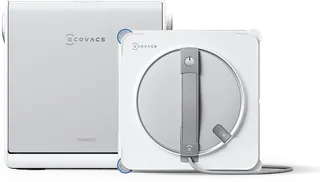
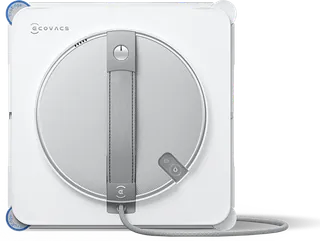
Ecovacs' 2025 flagship: square two-pad robot with a station that holds water, the cord and the rope, and runs on its battery when there is no outlet nearby. Highest price in the lineup.
-
Winbot W2S Pro Omni · ECOVACS
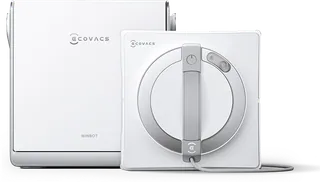
Top W2S model with the Omni station and the strongest suction in the W2S range; cordless cleaning on a charged station. Expensive for what it adds over the W2S Omni.
-
Winbot W2S Pro · ECOVACS
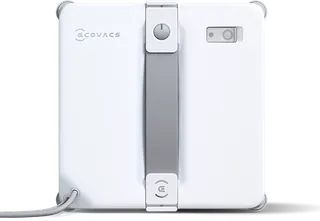
W2S Pro robot without the Omni station: stronger suction and dual-side spray, but it needs the plug-in adapter or its battery.
-
Winbot W2S Omni · ECOVACS
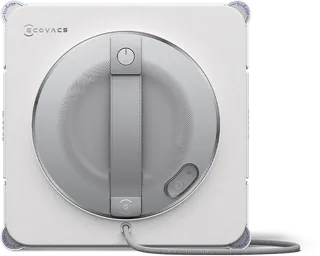
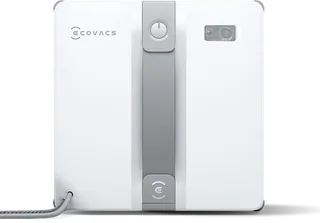
Mid-priced W2S robot with the Omni station, so it can clean cordless for up to 110 minutes. A good balance of price and convenience.
-
Winbot W2 Pro Omni · ECOVACS · Superseded
Previous-generation flagship with the Omni station and battery-powered cleaning; still sold new and often discounted now that the W2S line is out.
-
Winbot W2 Pro · ECOVACS · No longer sold
W2 Pro robot without the station. Shown as sold out on the Ecovacs US store.
-
Winbot W1 Pro · ECOVACS
Older square Winbot with dual-side spray; listed on the Ecovacs US store without a price.
-
Winbot W2S · ECOVACS
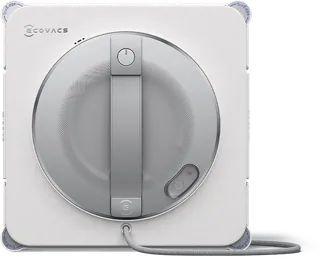
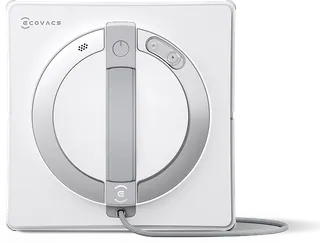
Base W2S robot: same cleaning as the W2S Omni with cordless or wired use, without the Omni station.
-
Winbot Mini 2 · ECOVACS
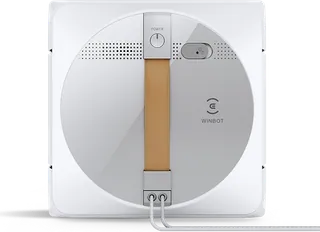
The smallest current Winbot, a compact square robot for smaller panes, mirrors and tight frames; cheapest Ecovacs model and slower than the full-size W2S and W3.
-
Winbot Mini · ECOVACS · Superseded
Compact square Winbot for small windows and mirrors; superseded by the mini 2 but still sold.
-
HOBOT-2S · HOBOT
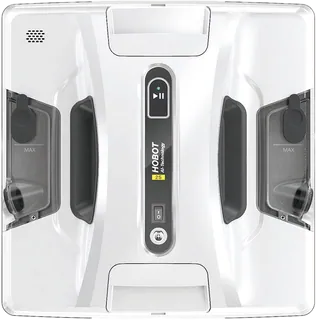
Square robot with two ultrasonic water-mist nozzles and edge sensors for frameless glass, from the Taiwanese specialist HOBOT. The US store lists $349 as its regular price.
-
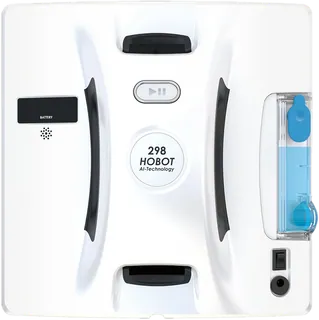
HOBOT-298 · HOBOT
Older budget HOBOT with an ultrasonic spray nozzle; cheaper than the 2S but frame-only. The US store lists $249 as its regular price.
Suggest a change
Related comparisons
-
 Robot vacuums
Compare popular robot vacuums by advertised suction, mop design, carpet handling, navigation, and how much work the dock takes over. Manufacturer suction ratings are not directly comparable cleaning-performance tests.
-
 Robotic pool cleaners
 scrub the floor, walls and waterline of your pool on their own, replacing a manual vacuum and a pump-driven cleaner. The decision is mostly cordless convenience versus corded reliability, how much of the pool you need cleaned (surface skimming is rare), how fine a filter you want, and how much you will pay.
-
 Humanoid home robots
Humanoid robots you can actually order for your home today, from household helpers sold on preorder to child-size companions and developer robots. Compare price, what each can really do on its own, hands, payload, battery life, safety and privacy. The big trade-off: only a few are sold to do chores, and those still lean on remote human help, while the cheaper ones are programmable platforms that walk, talk and dance but do little housework.
-
 Automatic litter boxes
Compare automatic litter boxes by cat-size limits, cycle safety, cleaning method, litter compatibility, waste capacity, refill cost, odor control, and app features. Rake systems use crystal trays; rotating and open-top systems generally sift clumps from reusable litter. Check minimum kitten weight and age before enabling automatic cycles, and keep a manual box available while a cat adjusts.
-
 Steam cleaners
 turn plain water into hot steam to loosen grease and grime and sanitize hard surfaces without chemicals. The choice is between small portable units and larger canister machines that run longer, hit higher pressure, and cost much more.
-
 Cordless window vacuums
Window vacuums are battery-powered squeegees that suck up the cleaning fluid as you wipe, so windows, mirrors and shower glass dry streak-free without drips on the sill. They also clear condensation. Kärcher is the best-known brand in the US, and this grid compares its models on run time, blade width, tank size, charging and what comes in the box.