



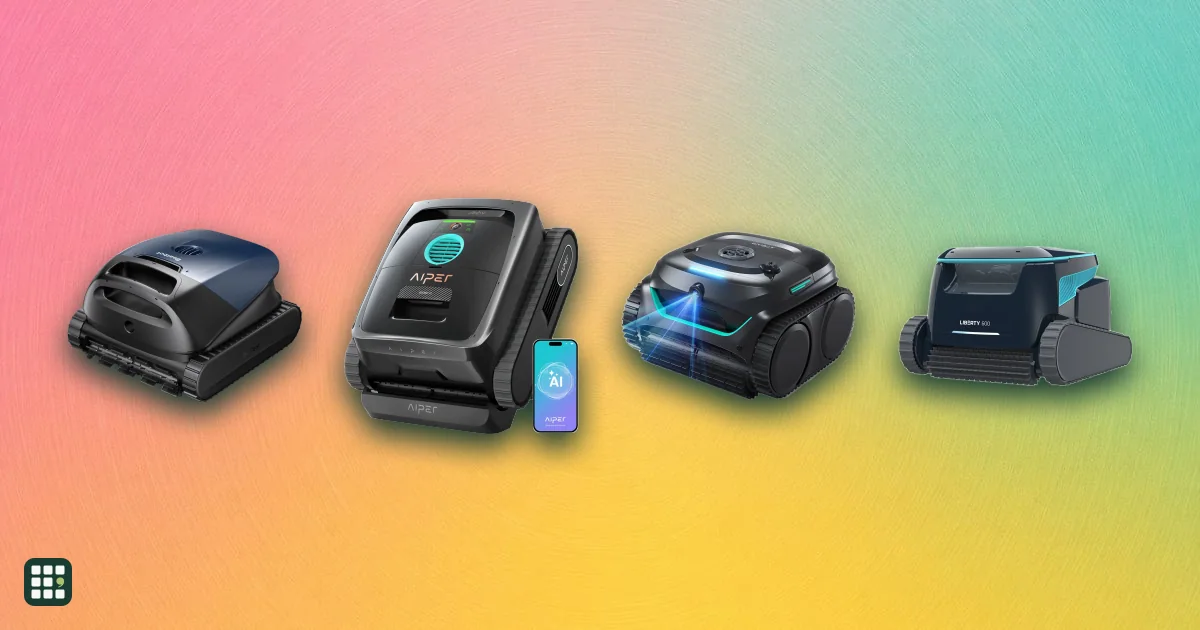
Robotic pool cleaners
Robotic pool cleaners scrub the floor, walls and waterline of your pool on their own, replacing a manual vacuum and a pump-driven cleaner. The decision is mostly cordless convenience versus corded reliability, how much of the pool you need cleaned (surface skimming is rare), how fine a filter you want, and how much you will pay.
Last updated
How to choose
Start with your pool: size, shape, depth, and what falls in it (leaves, pollen, dust).
Rule out deal-breakers
- Cordless or corded. Cordless robots are simple to set up and never tangle but need charging. Corded robots run as long as needed.
- Coverage. Check floor, walls, waterline, and the surface; few robots skim the surface.
- Pool size. Pick a robot rated above your pool size.
Compare the key features
- Filter fineness and capacity. Fine filters (3 to 10 microns) clear dust; big baskets suit leafy pools.
- Suction and runtime. Higher suction and longer runtime finish large pools in one cycle.
- Navigation. AI vision or sensors cover the pool more evenly.
Check costs
Prices are often discounted. Filters, brushes and batteries wear out, so look at warranty length and replacement part prices.
Answer
Browse the table. Filter to what matters.
Use the filters below, then sign in if you want to shortlist and decide with friends.
Sign in to vote, hide products and features, and reorder.
Verified: hover a cell and click its green dot for the source Estimate: no cited source Not stated: the maker doesn't publish it
| Feature | ⠿ | ⠿ | ⠿ | ⠿ | ⠿ | ⠿ | ⠿ | ⠿ | ⠿ | ⠿ |
|---|---|---|---|---|---|---|---|---|---|---|
|
⠿
Price
|
||||||||||
|
⠿
Power source
|
Corded, plug-in power supply
|
|||||||||
|
⠿
Battery runtime
|
Doesn't apply
|
|||||||||
|
⠿
Charge time
|
Doesn't apply
|
|||||||||
|
⠿
Cleans floor
|
||||||||||
|
⠿
Cleans walls
|
||||||||||
|
⠿
Cleans waterline
|
||||||||||
|
⠿
Cleans water surface
|
|
|
|
|
|
|||||
|
⠿
Rated pool size
|
||||||||||
|
⠿
Suction
|
||||||||||
|
⠿
Filter type
|
||||||||||
|
⠿
Filter fineness
|
||||||||||
|
⠿
Debris capacity
|
||||||||||
|
⠿
Weight
|
||||||||||
|
⠿
Navigation
|
||||||||||
|
⠿
App control
|
||||||||||
|
⠿
Auto surface return
|
||||||||||
|
⠿
Charging method
|
Plug-in charging adapter
|
Plug-in charger
|
Plug-in power supply (corded)
|
|||||||
|
⠿
Cable length
|
Doesn't apply
|
Doesn't apply
|
Doesn't apply
|
Doesn't apply
|
Doesn't apply
|
Doesn't apply
|
Doesn't apply
|
Doesn't apply
|
Doesn't apply
|
|
|
⠿
Warranty
|
||||||||||
|
⠿
Release year
|
||||||||||
|
⠿
Included caddy or cart
|
|
|
Why these features matter
-
Price ($)
Pool robots range from about $500 to over $3,000. Discounts are frequent, so check the current price before buying.
-
Power source
Cordless robots are easy to set up and never tangle, but must be charged. Corded robots run as long as needed and are common at the budget end of traditional brands.
-
Battery runtime (hr)
Runtime limits how large a pool one cycle can finish, and how often you recharge.
-
Charge time (hr)
Long charge times mean the robot is unavailable between cycles.
-
Cleans floor
Every robot cleans the floor; this checks the claim.
-
Cleans walls
Wall climbing matters for deeper pools and for biofilm and algae on walls.
-
Cleans waterline
The waterline is where oils and scum build up; many cheaper robots skip it.
-
Cleans water surface
Surface skimming catches leaves before they sink. Most robots do not do it; those that do cost more.
-
Rated pool size (sq ft)
A robot rated well below your pool size may not finish a cycle.
-
Suction (GPH)
Higher flow picks up more debris and larger debris, but also uses more battery.
-
Filter type
Fine filters capture dust and pollen; coarse baskets suit leaves.
-
Filter fineness (microns)
Lower numbers trap finer dirt and keep water clearer, but clog faster.
-
Debris capacity (L)
A bigger basket means fewer interruptions in leafy pools.
-
Weight (lb)
Heavy robots are hard to lift out of the pool, especially cordless units full of water.
-
Navigation
Smarter navigation covers the pool more evenly in less time.
-
App control
Apps allow scheduling and cycle choice without reaching the robot.
-
Auto surface return
Makes pickup easy, especially for cordless robots.
-
Charging method
Docks keep the robot easy to reach; plug-in chargers are cheaper to replace.
-
Cable length (ft)
A cable must be long enough to reach all of the pool.
-
Warranty (years)
Pool robots are expensive; longer warranties reduce risk.
-
Release year
Newer models usually have newer features, but older ones are often cheaper.
-
Included caddy or cart
A caddy makes lifting and storing a heavy robot easier.
About the products
-
AquaSense 2 Ultra · Beatbot
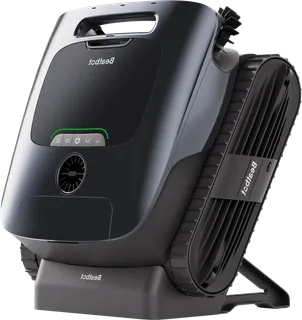
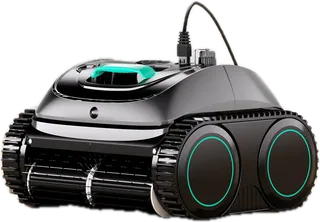
Beatbot's 5-in-1 flagship-tier cordless robot: cleans floor, walls, waterline and the water surface, with AI vision and a large battery. The most capable and the most expensive option here; shown at its regular price (often discounted).
-
Sora 70 · Beatbot
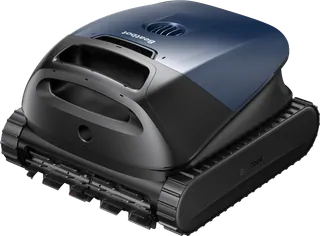
Cordless robot that also skims the water surface, with strong suction and a 3-year warranty. A step down in price from the AquaSense; the fine 3 micron filter is a separate accessory.
-
Sora 10 · Beatbot
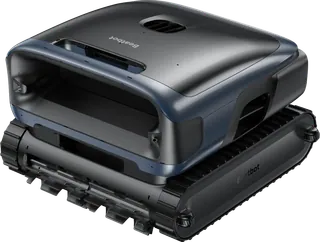
Compact, high-suction cordless robot for floor, walls and waterline. No water surface skimming. Shown at its regular price; the maker often sells it well below that.
-
Scuba X1 Pro Max · Aiper
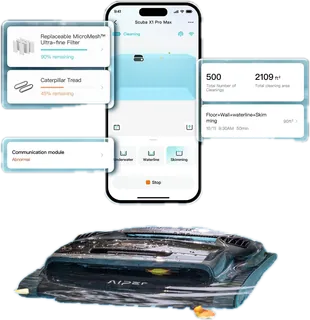
Aiper's top cordless robot: floor, walls, waterline and surface, 8,500 GPH suction and a 3 micron filter option. Price is a US retailer's regular price; check Aiper's own store.
-
Scuba V3 · Aiper
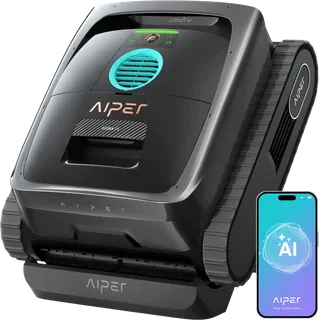
Mid-priced 2026 cordless robot with AI vision navigation and a 3 micron ultra-fine filter. Cleans floor, walls and waterline, not the surface.
-
Scuba S1 · Aiper
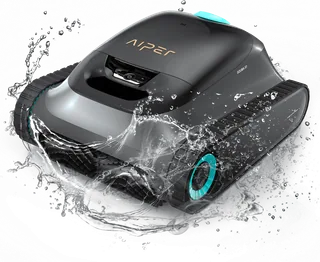
Aiper's value cordless robot (2026 upgrade) for floor, walls and waterline on pools up to about 1,600 sq ft. Specs here come largely from Aiper's EU and UK pages for the same version.
-
C2 Vision · Wybot
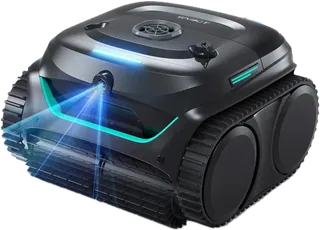
Cordless robot with an AI camera for navigation and a dual 180 micron plus 10 micron filter. Cleans floor, walls and waterline. Shown at its regular price; often discounted.
-
C1 · Wybot
Budget-friendly cordless robot (2024) for floor, walls, waterline and stairs on pools up to about 1,600 sq ft. Basic 180 micron basket.
-
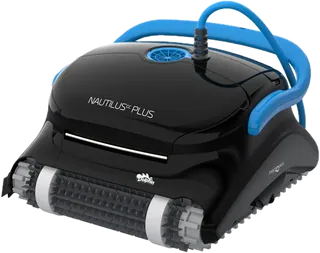
Nautilus CC Plus with Wi-Fi · Maytronics
Corded Dolphin robot with Wi-Fi app control, the one corded model here. Cleans floor and walls but not the waterline. Cells are for the US Wi-Fi version.
-
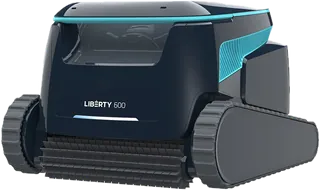
Liberty 600 · Maytronics
Premium Dolphin cordless robot with compass-assisted navigation and a 3-year warranty. The US store lists it as sold through local dealers rather than online.
Suggest a change
Related comparisons
-
 Robot vacuums
Compare popular robot vacuums by advertised suction, mop design, carpet handling, navigation, and how much work the dock takes over. Manufacturer suction ratings are not directly comparable cleaning-performance tests.
-
 Robot window cleaners
 stick to glass with suction and wipe it in a planned pattern while you do something else. This grid compares the Ecovacs Winbot lineup and HOBOT robots sold in the US. The real choices are safety (rope and backup battery for outside panes), whether you need cordless cleaning or a station, built-in spray, frameless-glass support, and how much you want to spend.
-
 Humanoid home robots
Humanoid robots you can actually order for your home today, from household helpers sold on preorder to child-size companions and developer robots. Compare price, what each can really do on its own, hands, payload, battery life, safety and privacy. The big trade-off: only a few are sold to do chores, and those still lean on remote human help, while the cheaper ones are programmable platforms that walk, talk and dance but do little housework.
-
 Electric pressure washers
 compared: corded models from Sun Joe, Greenworks, Ryobi, Kärcher, DeWalt and others, and cordless battery washers for quick jobs. The choice comes down to the pressure and flow your cleaning needs, the hose and cord reach around your home, the nozzles and attachments in the box, and how easy it is to store.
-
 Automatic litter boxes
Compare automatic litter boxes by cat-size limits, cycle safety, cleaning method, litter compatibility, waste capacity, refill cost, odor control, and app features. Rake systems use crystal trays; rotating and open-top systems generally sift clumps from reusable litter. Check minimum kitten weight and age before enabling automatic cycles, and keep a manual box available while a cat adjusts.
-
 Ceiling fans
Compare ceiling fans from budget pull-chain models to quiet smart DC fans and large-room fans: price, blade span, airflow, efficiency, motor type, lights, controls, smart home support and wet or damp ratings. The real trade-offs are cost against quietness and efficiency (AC versus DC motors), the size of fan your room needs, and where it can safely go (indoors, a bathroom, or an open porch).