




Sleeping pads
Popular sleeping pads side by side, from ultralight insulated air pads to closed-cell foam and thick self-inflating car camping mats. A pad does two jobs, comfort and keeping the cold ground from stealing your heat, and every gain in warmth, thickness or toughness costs weight, packed size or money.
Last updated
How to choose
Start with how you'll carry it
- Backpacking: weight and packed size matter most. Insulated air pads give the most warmth and thickness per ounce.
- Car camping: carry nothing far, so pick comfort: thick self-inflating pads or wide air pads sleep closest to a bed.
- Hard use or a backup: closed-cell foam can't puncture, works on rock and thorns, and adds warmth under an air pad.
Match the R-value to the coldest night
R-value measures how well a pad blocks the ground's cold, tested the same way across brands (ASTM F3340). Roughly: under 2 for warm summer nights, 2 to 4 for three-season camping, 4 to 5.5 for shoulder seasons and cold nights, and 5.5 or more for snow. R-values add up when you stack pads, so a foam pad under an air pad is a cheap winter upgrade. A warm sleeping bag can't make up for a cold pad, because the insulation under you is crushed flat.
Size it to how you sleep
- Side sleepers want about 3 in of thickness or more, so hips don't bottom out.
- Restless or broad sleepers should look for a 25 in wide size; 20 in is standard and narrow.
- Taller people (over about 6 ft) need a long size. Mummy shapes save weight; rectangular shapes give room to sprawl.
Check the details that bother people at 2 a.m.
- Noise: some insulated air pads crinkle as you move. Newer versions are quieter; read recent reviews if you share a tent.
- Inflation: a pump sack or built-in pump saves breath and keeps moisture out of the pad, which matters in freezing weather.
- Durability: thin fabrics (low denier) save weight but puncture more easily. Use a groundsheet, carry the repair kit, and clear the ground of thorns.
Count the full cost
Compare the regular size: long and wide versions cost more and weigh more. A pump sack, stuff sack or repair kit may be extra on some pads. A long warranty matters for an air pad, since valves and seams can fail years in.
Answer
Browse the table. Filter to what matters.
Use the filters below, then sign in if you want to shortlist and decide with friends.
Sign in to vote, hide products and features, and reorder.
Verified: hover a cell and click its green dot for the source Estimate: no cited source Not stated: the maker doesn't publish it
| Feature | ⠿ | ⠿ | ⠿ | ⠿ | ⠿ | ⠿ | ⠿ | ⠿ | ⠿ | ⠿ | ⠿ | ⠿ | ⠿ | ⠿ | ⠿ | ⠿ |
|---|---|---|---|---|---|---|---|---|---|---|---|---|---|---|---|---|
|
⠿
Price
|
||||||||||||||||
|
⠿
R value
|
||||||||||||||||
|
⠿
Weight
|
||||||||||||||||
|
⠿
Thickness
|
||||||||||||||||
|
⠿
Pad type
|
Self-inflating
|
Air
|
Air
|
|||||||||||||
|
⠿
Packed length
|
||||||||||||||||
|
⠿
Packed width
|
||||||||||||||||
|
⠿
Length
|
||||||||||||||||
|
⠿
Width
|
||||||||||||||||
|
⠿
Shape
|
Mummy
|
Mummy
|
Rectangular
|
Rectangular
|
Rectangular
|
Rectangular
|
||||||||||
|
⠿
Wide size
|
|
|||||||||||||||
|
⠿
Pump sack included
|
Doesn't apply
|
Doesn't apply
|
|
|||||||||||||
|
⠿
Valve
|
Doesn't apply
|
Doesn't apply
|
||||||||||||||
|
⠿
Fabric
|
||||||||||||||||
|
⠿
Repair kit included
|
Doesn't apply
|
Doesn't apply
|
||||||||||||||
|
⠿
Stuff sack included
|
|
|
||||||||||||||
|
⠿
Warranty
|
Lifetime
|
Lifetime
|
Why these features matter
-
Price ($)
Lighter, warmer air pads cost more; foam and self-inflating pads are cheaper and tougher but heavier or bulkier.
-
R value (R)
R-value decides how cold the ground can get before you feel it: about 2 for summer, 3-4 for three seasons, 5+ for winter. It adds to another pad's when stacked.
-
Weight (oz)
Matters most for backpackers: a few ounces add up over miles. Car campers can ignore it and favor comfort.
-
Thickness (in)
Side sleepers need about 3 in or more so hips and shoulders don't touch the ground; back sleepers do fine with less.
-
Pad type
Air pads pack smallest and are thickest but can puncture; foam can't fail but is bulky; self-inflating sits between and is often the comfiest for car camping.
-
Packed length (in)
Short packed lengths fit inside a pack; long or bulky pads ride outside it.
-
Packed width (in)
Together with packed length, shows how much pack space the pad takes.
-
Length (in)
Regular sizes fit people up to about 6 ft; taller sleepers need a long size.
-
Width (in)
20 in is standard and narrow for restless or broad sleepers; 25 in wide sizes keep elbows on the pad.
-
Shape
Mummy shapes save weight; rectangular pads give more room to sprawl and match rectangular bags.
-
Wide size
Wider pads stop arms and knees falling off at night, especially for side sleepers.
-
Pump sack included
Inflating by mouth adds moisture inside the pad (which can freeze in winter) and takes effort at altitude.
-
Valve
One-way valves and fast deflate make setup and pack-up quicker; separate inflate and deflate ports avoid losing air while topping up.
-
Fabric
Thicker fabrics (higher denier) resist punctures and abrasion; thin ones save weight but need a groundsheet and care.
-
Repair kit included
A slow leak on the trail ends a good night's sleep; a patch kit in the box means you can fix it there.
-
Stuff sack included
A sack protects the pad in your pack and keeps it compact; some ultralight pads double the sack as the pump.
-
Warranty
Air pads can fail at seams and valves; a long warranty from a maker with US repairs saves replacing an expensive pad.
About the products
-
NeoAir XLite NXT · Therm-a-Rest
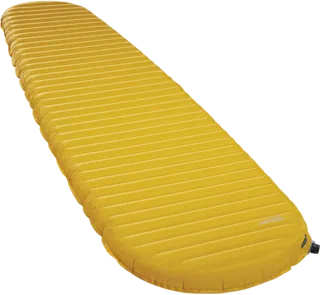
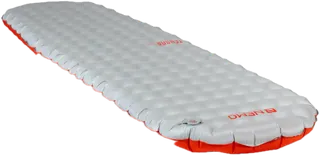
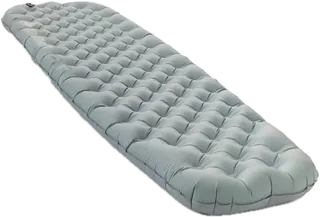
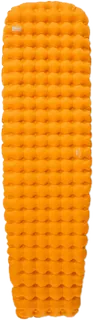
The benchmark ultralight insulated air pad: 3 in thick, R 4.5 and 13 oz in Regular, packing to about a 1-liter bottle. Quieter than the old XLite, but its narrow 20 in mummy shape and thin 30D fabric suit careful backpackers.
-
NeoAir XTherm NXT · Therm-a-Rest
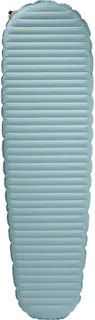
The warmest pad for its weight here: R 7.3 at 15.5 oz, with a tougher 70D bottom. For winter, snow and cold-sleepers who still count ounces; costs more and is overkill on summer trips.
-
Z Lite SOL · Therm-a-Rest
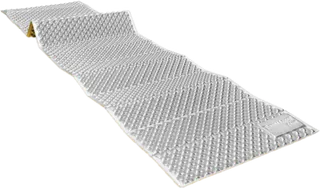
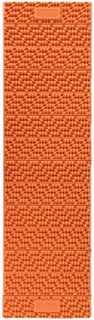
The classic folding closed-cell foam pad: cheap, light and impossible to puncture, but thin (0.75 in) and bulky on the outside of a pack. R 2 alone for summer, or under an air pad for extra winter warmth.
-
Trail Pro · Therm-a-Rest
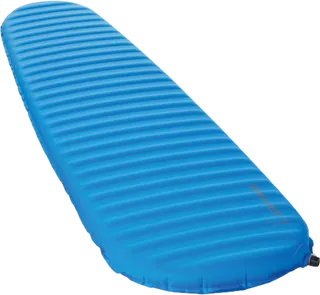
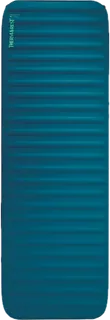
A 3 in self-inflating pad with a soft stretch-knit top and R 4.4: comfier and tougher than most air pads, but nearly 2 lb and bulky. Suits car camping, short hikes and bike touring; no pump sack included.
-
MondoKing 3D · Therm-a-Rest
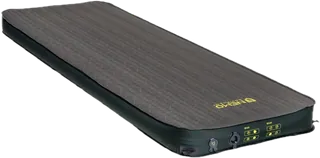
A 4.25 in self-inflating car-camping mattress with vertical sidewalls and R 7, the closest to a bed here. Its smallest size is already 25 x 77 in, at over 4 lb and the size of a sleeping bag packed.
-
NEMO Tensor All-Season · NEMO Equipment
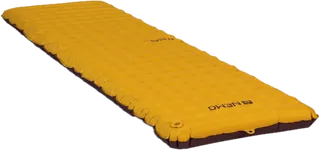
A quiet 3.5 in insulated air pad with R 5.4 at about 14 oz in Regular Mummy, for four-season backpacking. Includes NEMO's Vortex pump sack; the regular rectangular size costs $20 more.
-
NEMO Tensor Trail · NEMO Equipment
The three-season Tensor: same quiet 3.5 in build and pump sack as the All-Season, with R 2.8 for spring to fall. Not warm enough on its own for frozen ground.
-
NEMO Switchback · NEMO Equipment
A folding closed-cell foam pad, a little thicker (0.9 in) than the Z Lite SOL with the same R 2. Puncture-proof and useful as a sit pad or under an air pad; bulky and firm on its own.
-
NEMO Roamer · NEMO Equipment
A 4 in self-inflating car-camping mattress with R 7 and a stretch-knit top; Single sizes clip together for couples. About 4 lb and a large packed roll, so it is for the car, not the trail.
-
Ether Light XR Insulated · Sea to Summit
A plush, nearly 4 in insulated air pad (R 4.1) with a stuff sack that doubles as the pump. Thick and stable for side sleepers; a few ounces heavier than the lightest rivals. The Regular size was out of stock in the maker's US store when checked.
-
Camp Plus Self Inflating · Sea to Summit
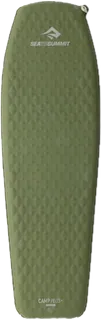
An affordable self-inflating pad with R 5.3 and recycled 75D polyester: warm and tough for car camping, paddling and hunting, but over 2 lb and bulky for backpacking. No pump sack in the box.
-
Rapide SL Insulated · Big Agnes
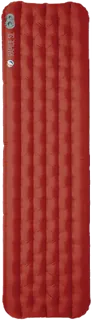
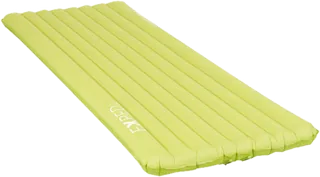
A 3.5 in insulated air pad with taller outer chambers that cradle you, R 4.8 and a pump sack included. Sold by size (20 x 72 in is the regular); a solid three-season choice priced below the premium pads.
-
Ultra 3R · Exped
A three-season air pad insulated with synthetic microfiber (R 3.2), with separate one-way inflate and deflate valves, a pump bag and soft recycled 20D fabric. Every size is the same price.
-
MegaMat · Exped
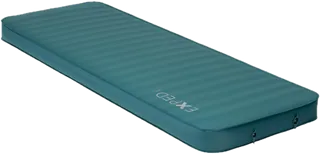
A 4 in self-inflating mattress with R 8.1, rated to -40 F, aimed at car campers and overlanders. Very warm and soft for side sleepers, but over 4.5 lb and large packed. Formerly sold as the MegaMat 10.
-
Static V Base · Klymit
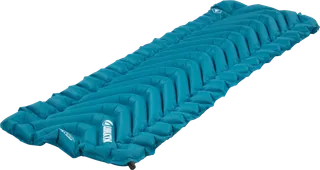
The budget air pad: under $50 with tough 75D polyester and a 23 in width, but uninsulated (R 1.3), so it is for warm nights only. Inflates by mouth in 10-15 breaths.
-
Helix Insulated Air · REI Co-op
REI's own 3 in insulated air pad, R 4.9 at 1 lb 5 oz, with separate inflate and deflate valves, pump sack and repair kit included. Sold only at REI; often discounted to members during sales.
Suggest a change
Related comparisons
-
 Sleeping bags
Popular sleeping bags side by side, from ultralight down mummies for backpacking to roomy synthetic bags for car camping. The choice is warmth for the coldest night you expect against weight, packed size and price, with down lighter and more compact and synthetic cheaper and better when wet.
-
 Camping cots
 get you off cold, lumpy, wet ground. The choice is mostly about where the cot travels: ultralight aluminum cots pack into a backpack but sit low and cost more, while steel car-camping cots are cheap, tall and roomy but weigh 20 to 30 lb. Tent cots and bunk cots trade even more bulk for a built-in shelter or a second bed.
-
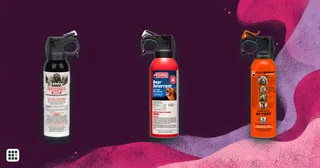 Bear spray
 is a pepper-based deterrent you carry in bear country. This grid sets the main EPA-registered US brands side by side on canister size, how far and how long they spray, and what each one includes. The real trade-off is range and spray time against weight and price.
-
 Camping chairs
Popular camping chairs side by side, from 1 lb backpacking chairs that pack smaller than a water bottle to padded recliners and rockers for the campsite. The trade-off is comfort, height and sturdiness against weight, packed size and price.
-
 Trekking poles
 take load off your knees on descents and add stability on rough or wet trails. This grid compares popular carbon and aluminum poles across price, weight per pair, shaft material, folding or telescoping design, lock type, grip, length range and warranty, so you can see the real trade-offs between a light, packable carbon pole and a cheaper, tougher aluminum one.
-
 Camping hammocks
 trade a flat ground bed for lighter weight, comfort on rough terrain, and a faster setup between two trees. The real decisions are single or double width, how much weight you carry, whether bug netting, a rainfly and straps come in the box, and what load the fabric is rated for.