



Smart speakers
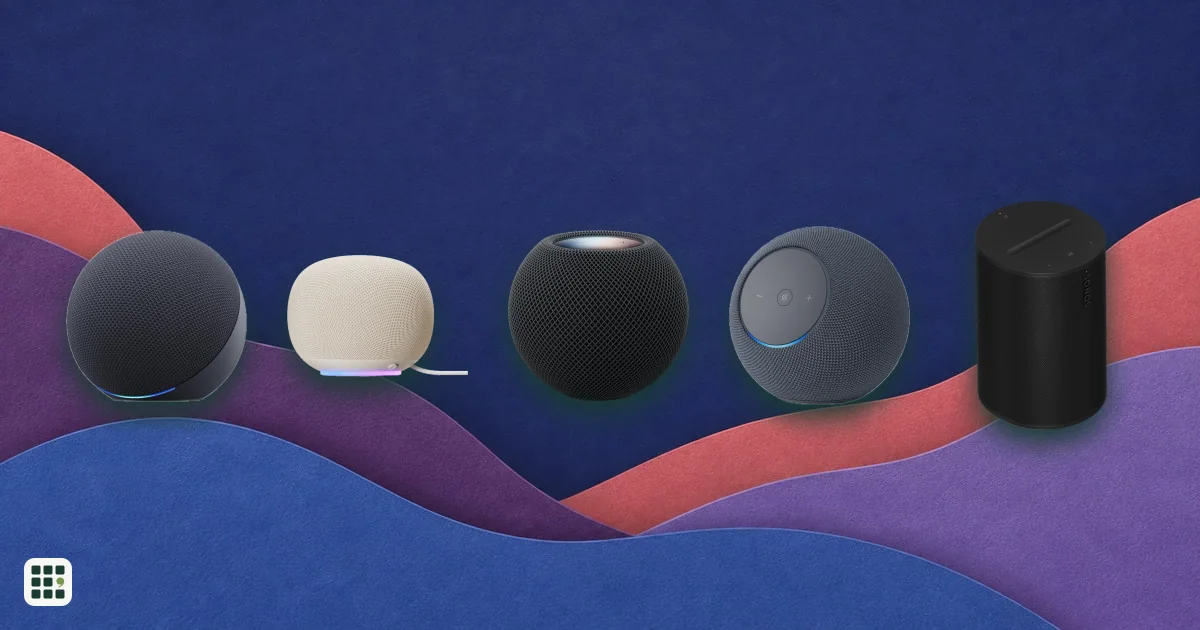
Compare smart speakers from Amazon (Echo), Google, Apple (HomePod) and Sonos sold in the US, from about $40 to $500. The first choice is the voice assistant, since it ties you to Alexa, Google or Apple for music and smart home control. After that the trade-offs are sound (driver count, woofer size, Dolby Atmos), smart home hub radios (Matter, Thread, Zigbee), and privacy controls such as a hardware mic switch.
Last updated
How to choose
1. Pick the assistant first
The assistant decides which phones, music services and smart home gear work best. Alexa (Amazon Echo, and Sonos) has the widest smart home support. Gemini for Home (Google Home Speaker) suits Android, YouTube Music and Google Home users. Siri (HomePod) works only with an iPhone or iPad for setup and suits Apple Music and Apple Home. Sonos lets you use Alexa or its own offline Sonos Voice Control for music. Newer AI assistants such as Alexa+ and Gemini for Home may need a subscription for some features, so check before you buy.
2. Decide how much sound you need
Small speakers with one driver are fine for voice, timers and podcasts. For music, look for more active drivers and a bigger woofer, which give fuller bass. Dolby Atmos spatial audio needs a larger speaker and music mixed for it. Two of the same speaker in a stereo pair often sound better than one bigger speaker, and room tuning helps on shelves and in corners.
3. Check the smart home radios
If you have or plan smart home devices, check Matter controller, Thread border router and Zigbee hub. A speaker with all three can replace a separate hub for bulbs, plugs, locks and sensors. Only one Thread border router is needed per home, but more make the network sturdier.
4. Privacy and controls
A physical mic off switch is the surest way to stop listening. Some speakers now add presence sensing or, on the Echo Studio with Home Camera, a camera; turn off what you do not want.
5. Connections
AirPlay suits iPhone users, Google Cast suits Android and Chrome, and Bluetooth lets any guest play music. An aux input lets you plug in a turntable or TV.
6. Watch for older models
Makers replaced several speakers in 2025 and 2026 (Google ended the Nest Audio and Nest Mini; Apple replaced the original HomePod mini). Older models are often discounted and still work, but they get fewer new assistant features. Retired models are hidden by default; use Show retired to compare them.
Answer
Browse the table. Filter to what matters.
Use the filters below, then sign in if you want to shortlist and decide with friends.
Sign in to vote, hide products and features, and reorder.
Verified: hover a cell and click its green dot for the source Estimate: no cited source
| Feature | ⠿ | ⠿ | ⠿ | ⠿ | ⠿ | ⠿ | ⠿ | ⠿ | ⠿ | ⠿ | ⠿ | ⠿ | ⠿ | ⠿ |
|---|---|---|---|---|---|---|---|---|---|---|---|---|---|---|
|
⠿
Price
|
$129
|
$39.99
|
$49.99
|
|||||||||||
|
⠿
Voice assistant
|
Gemini for Home
|
|||||||||||||
|
⠿
Active drivers
|
||||||||||||||
|
⠿
Woofer size
|
2.28 in
|
2.95 in
|
1.57 in
|
2 in
|
2 in
|
4.75 in
|
5.25 in
|
|||||||
|
⠿
Dolby Atmos
|
|
|
|
|
|
|
|
|
||||||
|
⠿
Stereo pairing
|
|
|
|
|
|
|
||||||||
|
⠿
Room tuning
|
|
|
|
|
|
|
|
|||||||
|
⠿
Matter controller
|
|
|
|
|
|
|
|
|
||||||
|
⠿
Thread border router
|
|
|
|
|
|
|
|
|||||||
|
⠿
Zigbee hub
|
|
|
|
|
|
|
|
|
|
|
|
|
||
|
⠿
Mic off switch
|
|
|
|
|
|
|||||||||
|
⠿
Temperature sensor
|
|
|
|
|
|
|
|
|
|
|||||
|
⠿
Bluetooth streaming
|
|
|
|
|
|
|
|
|
|
|
||||
|
⠿
AirPlay
|
|
|
|
|
|
|
|
|
|
|||||
|
⠿
Google Cast
|
|
|
|
|
|
|
|
|
|
|
|
|||
|
⠿
Aux input
|
|
|
|
|
|
|
|
|
|
|
|
|
||
|
⠿
WiFi generation
|
6E
|
5 (802.11ac)
|
6E
|
6E
|
||||||||||
|
⠿
Weight
|
||||||||||||||
|
⠿
Height
|
3.6 in
|
|||||||||||||
|
⠿
Release year
|
2025
|
2025
|
Why these features matter
-
Price ($)
Smart speakers run from about $40 to $450; the cheap ones are for voice control and casual listening, the expensive ones for music.
-
Voice assistant
The assistant decides which phone, smart home devices and music services work best; it is hard to switch later.
-
Active drivers
More drivers usually means fuller, more room-filling sound and true stereo from one box.
-
Woofer size (in)
A bigger woofer gives deeper bass; small speakers sound thin with music.
-
Dolby Atmos
Spatial audio spreads music around and above you; it matters only for music services that offer Atmos mixes.
-
Stereo pairing
Two paired speakers give real stereo, often a cheaper route to good sound than one big speaker.
-
Room tuning
Auto tuning keeps bass from booming in corners and helps on shelves and in odd rooms.
-
Matter controller
Matter devices work across Alexa, Google and Apple; a controller lets you add them without another hub.
-
Thread border router
Thread sensors, locks and bulbs need a border router to connect to your network; this speaker can be it.
-
Zigbee hub
Lets you pair many low-cost Zigbee bulbs, plugs and sensors without a separate hub.
-
Mic off switch
A hardware mute is the surest way to know the speaker is not listening.
-
Temperature sensor
Lets routines turn on a fan or heat when a room gets too warm or cold, without buying a sensor.
-
Bluetooth streaming
Bluetooth lets guests and any app play music without the maker's app or Wi-Fi casting.
-
AirPlay
AirPlay makes it easy to stream from an iPhone, iPad or Mac, and to group speakers.
-
Google Cast
Cast lets you stream from many Android and web apps and group with other Cast speakers.
-
Aux input
A wired input connects a turntable, TV or computer.
-
WiFi generation
Newer Wi-Fi is more reliable on crowded networks; it matters little for music alone.
-
Weight (lb)
Heavier speakers usually have bigger drivers; light ones are easier to move room to room.
-
Height (in)
Check it fits the shelf or nightstand where it will live.
-
Release year
Newer models get assistant and software updates longer.
About the products
-
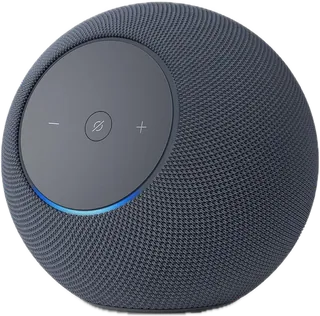
Google Home Speaker · Google
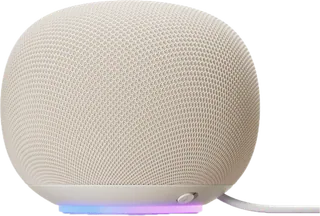
Google's 2026 speaker built for Gemini for Home, with a Thread border router and Matter hub. One full-range driver, so it is better for voice and casual listening than music.
-
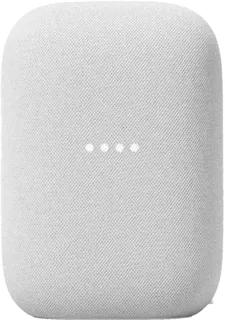
Nest Audio · Google · Discontinued Jun 2026
Google's music speaker from 2020 with a woofer and tweeter. Google ended production in 2026, so buy only at a discount; it has no Thread radio.
-
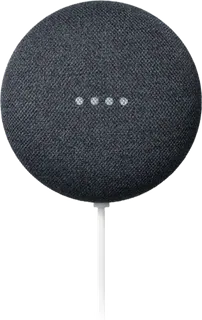
Nest Mini (2nd gen) · Google · Discontinued Jun 2026
Google's tiny, cheap voice speaker from 2019, now discontinued. Fine for timers and voice control, thin for music.
-
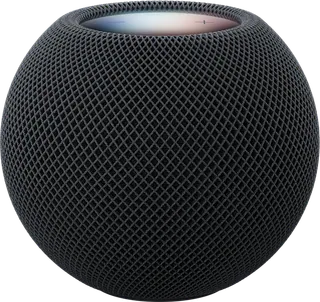
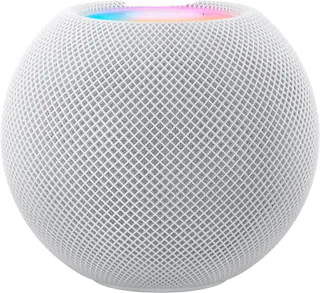
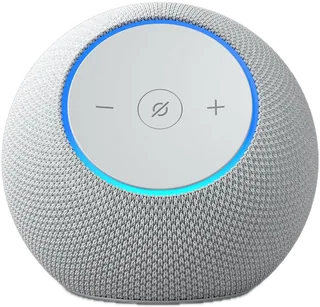
HomePod mini 2 · Apple
Apple's 2026 compact speaker with Siri, a Thread border router, Wi-Fi 6E and a temperature sensor. Needs an iPhone or iPad; no Bluetooth streaming or Google Cast.
-
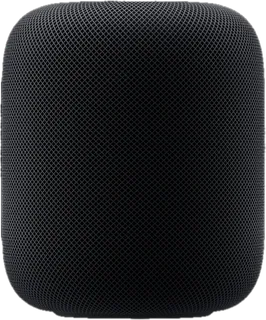
HomePod (2nd generation) · Apple
Apple's big HomePod with a 4-inch woofer, five tweeters, room sensing and Dolby Atmos. The best sound for Apple Music users, but expensive and Apple-only.
-
HomePod mini · Apple · Superseded Oct 2026
The original 2020 HomePod mini, replaced by HomePod mini 2 in 2026. Still a capable Siri speaker and Thread border router if found discounted.
-
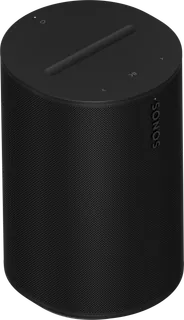
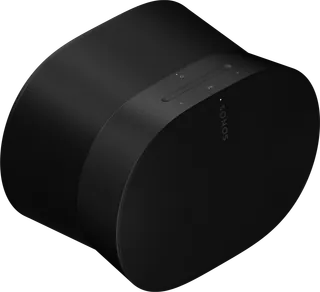
Era 100 · Sonos
Sonos's compact music speaker with three drivers, Trueplay tuning, Bluetooth, AirPlay and aux input. Works with Alexa or Sonos Voice Control; no smart home hub.
-
Era 300 · Sonos
Sonos's spatial audio speaker with six drivers and Dolby Atmos music. The priciest here, built for music first; Alexa or Sonos Voice Control.
-
Echo Dot Max · Amazon
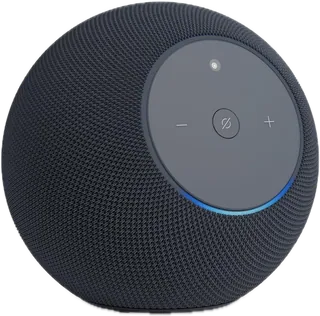
A 2025 Echo Dot with a woofer and tweeter, room adaptation, and a full smart home hub (Zigbee, Matter, Thread). Good sound for its size; designed for Alexa+.
-
Echo Studio (2025) · Amazon
Amazon's compact premium Echo with four drivers, Dolby Atmos and a Zigbee, Matter and Thread hub. Strong sound for the price for Alexa homes.
-
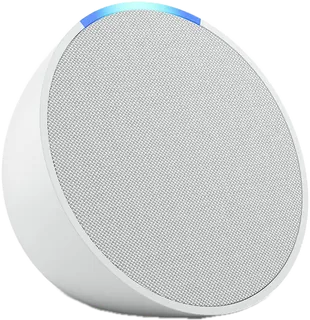
Echo Pop · Amazon
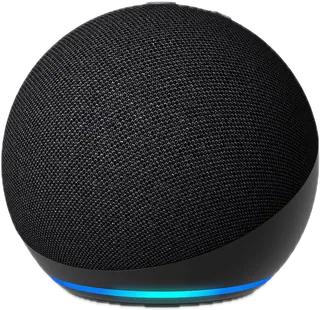
Amazon's cheapest Echo: a small, front-facing speaker for voice control and casual listening, with eero Wi-Fi extending. Thin bass and no Zigbee or Thread hub.
-
Echo Dot (5th Gen) · Amazon · Superseded Oct 2026
The 2022 Echo Dot, replaced by a new Echo Dot in October 2026. Often discounted; a basic Alexa speaker with a temperature sensor.
-
Echo Dot (2026) · Amazon
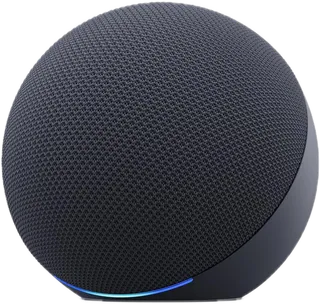
The October 2026 Echo Dot adds a built-in Zigbee, Matter and Thread hub, presence and temperature sensing, and Amazon's AZ3 chip for Alexa+.
-
Echo Studio with Home Camera · Amazon
The 2025 Echo Studio's sound plus a built-in camera so Alexa+ can see the room; a light shows when the camera is in use. Skip it if you do not want a camera.
Suggest a change
Related comparisons
-
 Streaming devices
 (sticks and boxes) add Netflix, YouTube, Disney+ and other apps to any TV with an HDMI port, or replace a slow smart-TV interface. This grid compares current Roku, Amazon Fire TV, Google TV, Apple TV, onn. and Nvidia Shield players sold in the US on price, platform, 4K and HDR support (Dolby Vision, HDR10+), Dolby Atmos, Wi-Fi and Ethernet, remote features, home-screen ads and casting. The real trade-offs are which platform and assistant you want to live with, how much you mind ads, and whether your TV and sound system can use premium formats.
-
 Smart TVs
Compare current smart TVs by picture technology, HDR, brightness, reflections, motion, gaming, streaming platform, ports, audio, connectivity, power, warranty, and price. Panel technology and processing affect picture quality, while room lighting, viewing angle, gaming inputs, and built-in apps can matter just as much.
-
 Smart displays
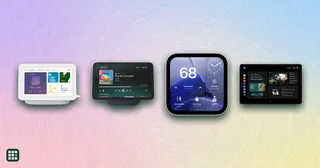
 put a voice assistant behind a touchscreen: a kitchen hub for recipes, calendars and video calls, a wall panel for the smart home, or a bedside clock. This grid compares every Amazon Echo Show, Echo Hub and Echo screen clock sold in the US with Google's Nest Hub and Apple's new HomeView. The real choices are which assistant (Alexa+, Gemini or Siri) fits your phone and smart home, how big a screen you need, and whether you want a camera at all.
-
 Video doorbells
Compare 30 current video doorbells across battery, wired, and Power over Ethernet installations. Rows cover recording location, subscription costs, wiring, package view, chimes, privacy, and installation requirements. Confirm transformer and chime compatibility before ordering.
-
 Security cameras
Home security cameras let you check on your home from your phone, get alerts when someone arrives, and keep video of what happened. This grid compares current indoor and outdoor cameras from Ring, Blink, Arlo, Google Nest, Wyze, eufy, TP-Link Tapo and Reolink on price, power, resolution, field of view, night vision, local storage, subscription cost and smart-home support. The real trade-offs are monthly fees against local storage, battery convenience against wired reliability, and cheap hardware against privacy and polish.
-
 Gaming routers
 add game-traffic priority, multi-gig ports, and often a 6 GHz band to ordinary Wi-Fi. This grid compares ASUS ROG and TUF and TP-Link Archer models on price, Wi-Fi generation, ports, gaming features, and mesh and security terms, so you can see what the extra money actually buys.