



Sugar substitutes
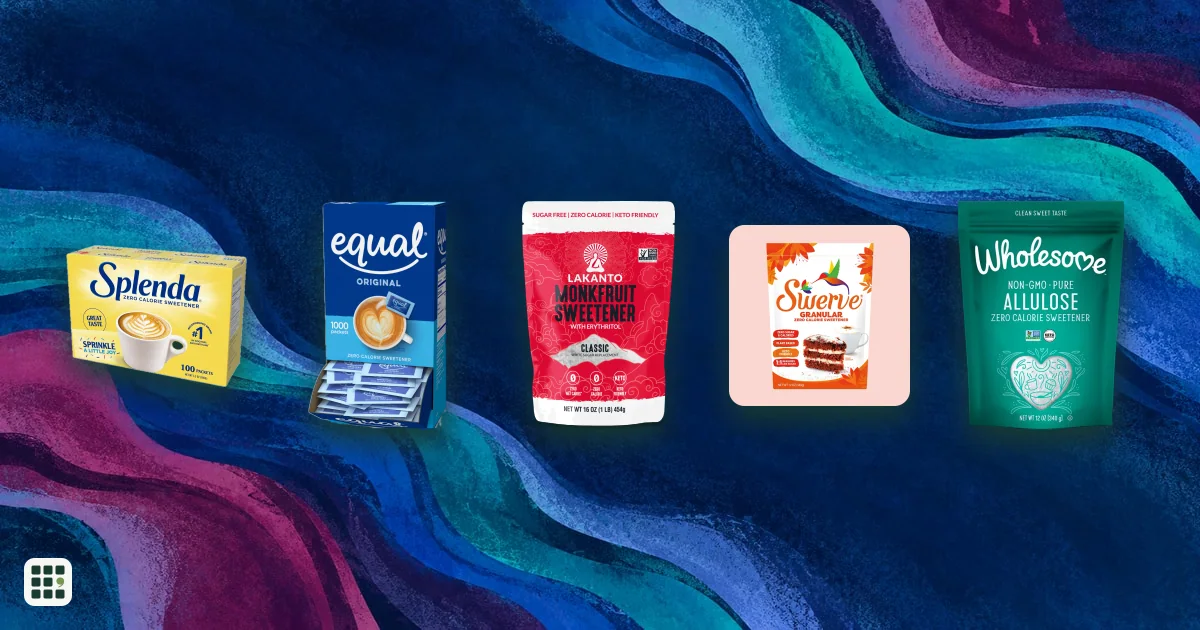
Sugar substitutes range from sucralose and aspartame packets to erythritol, monk fruit, stevia and allulose blends. This grid compares eight popular US brands on what they contain, how they measure against sugar, and what makers say about baking.
Last updated
How to choose
Start with why you want a substitute: cutting calories, avoiding blood sugar spikes, following keto, or baking.
Check the ingredients first
- Bulking agents. Packets such as Splenda and Equal are mostly dextrose and maltodextrin, which add a small amount of carbohydrate. Erythritol and allulose blends use sugar alcohols or a rare sugar instead.
- Ingredients you want to avoid. Each ingredient has its own row (sucralose, aspartame, erythritol, stevia, monk fruit), so rule out what you dislike before comparing anything else.
Match it to how you use it
- For coffee and tea, sweetness per packet and the form matter most.
- For baking, look for a product that measures like sugar and whether the maker says it browns, and remember that intense sweeteners do not add the bulk of sugar.
Before you buy
Read the label on the exact pack you buy: blends are reformulated, and a brand often sells several products with different ingredients. If you have diabetes or another condition, ask your clinician which sweeteners suit you.
Answer
Browse the table. Filter to what matters.
Use the filters below, then sign in if you want to shortlist and decide with friends.
Sign in to vote, hide products and features, and reorder.
Verified: hover a cell and click its green dot for the source Estimate: no cited source
| Feature | ⠿ | ⠿ | ⠿ | ⠿ | ⠿ | ⠿ | ⠿ | ⠿ | ⠿ | ⠿ | ⠿ |
|---|---|---|---|---|---|---|---|---|---|---|---|
|
⠿
Sweetening ingredients
|
|||||||||||
|
⠿
Sweetness vs sugar
|
|||||||||||
|
⠿
Sucralose
|
|||||||||||
|
⠿
Aspartame
|
|||||||||||
|
⠿
Erythritol
|
|||||||||||
|
⠿
Stevia extract
|
|||||||||||
|
⠿
Monk fruit extract
|
|||||||||||
|
⠿
Maltodextrin or dextrose
|
|||||||||||
|
⠿
Baking guidance
|
Packet conversion chart; cup-for-cup baking is the Sweet Complete line
|
Packet conversion chart; cup-for-cup baking is the Sweet Complete line
|
Packet conversion chart; not for recipes where sugar is an ingredient
|
Packet conversion chart; not for recipes where sugar is an ingredient
|
|||||||
|
⠿
Forms sold
|
|||||||||||
|
⠿
Gluten free
|
|||||||||||
|
⠿
Allulose
|
|||||||||||
|
⠿
Saccharin
|
|||||||||||
|
⠿
Acesulfame potassium
|
Why these features matter
-
Sweetening ingredients
Everything else follows from the ingredient list, and blends differ widely between brands.
-
Sweetness vs sugar
Tells you how much to use; a 1:1 measure is easier to bake with.
- 1 packet = 2 tsp sugar
- : Each packet sweetens a cup of coffee like two teaspoons of sugar. Easy for drinks; packets do not replace sugar cup for cup in recipes.
- Measures like sugar
- : Use the same volume as sugar, which makes swapping into recipes simple.
-
Sucralose
Some buyers avoid sucralose; others prefer it for heat stability and zero calories.
-
Aspartame
Avoided by people with phenylketonuria and by buyers who dislike it; it also loses sweetness with heat.
-
Erythritol
A sugar alcohol that adds bulk for baking but that some buyers avoid or find cooling or upsetting to digest.
-
Stevia extract
A plant-derived sweetener some buyers prefer, though some notice an aftertaste.
-
Monk fruit extract
A fruit-derived sweetener often chosen as a natural option.
-
Maltodextrin or dextrose
These carbohydrate fillers add a little sugar-like carbohydrate and matter to strict low-carb or diabetic diets.
-
Baking guidance
Intense sweeteners lack sugar's bulk and browning, so makers' own advice shows how far you can swap.
-
Forms sold
Packets suit drinks and travel; bulk granulated suits baking.
-
Gluten free
Important for celiac disease and gluten sensitivity.
-
Allulose
Allulose is a rare sugar that bakes and browns like sugar; some buyers seek it out, others watch for digestive effects.
-
Saccharin
Saccharin is the oldest artificial sweetener; some buyers avoid it for its aftertaste or reputation.
-
Acesulfame potassium
Ace-K is often blended with aspartame; some buyers avoid it.
About the products
-
Splenda Sweetener Packets · Splenda
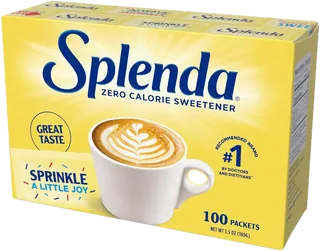
Sucralose packets bulked with dextrose and maltodextrin. A familiar zero-calorie pick for coffee and tea; the maker advises against direct substitution where sugar is a recipe ingredient.
-
Truvia Original Monk Fruit Packets · Truvia
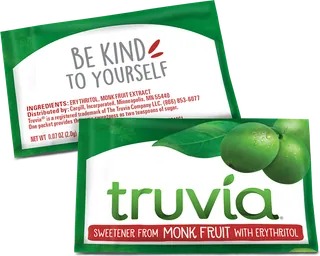
Erythritol with monk fruit extract in packets. Truvia also sells a stevia version with different ingredients.
-
Equal Original · Equal
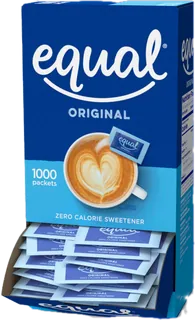
Aspartame and acesulfame potassium packets. Maker says it lacks sugar's bulk and browning, so it suits drinks and recipes where other ingredients give bulk.
-
Sweet'N Low Packets · Sweet'N Low
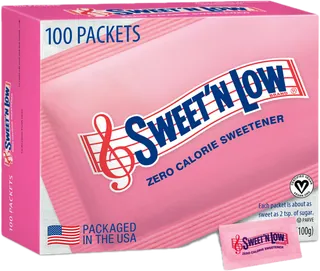
Saccharin-based packets, also sold as bulk and liquid. The maker says it keeps its sweetness when heated.
-
Lakanto Classic Monkfruit Sweetener · Lakanto
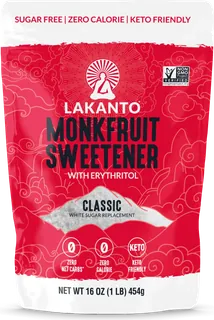
Erythritol with monk fruit extract that measures 1:1 like sugar, aimed at keto baking.
-
Swerve Granular · Swerve
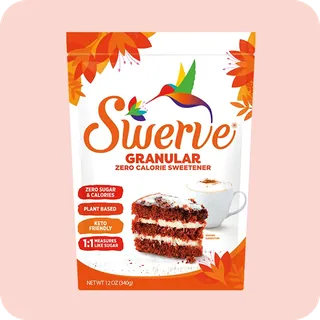
Erythritol and allulose blend that measures like sugar; the maker says it browns and caramelizes.
-
Wholesome Allulose Granulated · Wholesome Sweeteners
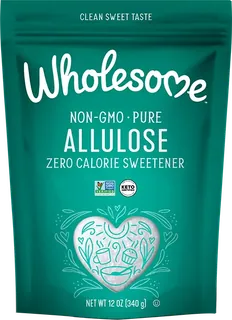
Single-ingredient allulose. About 1 1/3 cups replace 1 cup of sugar, so it is less sweet by volume.
-
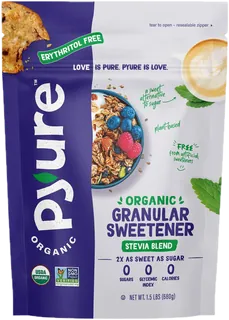
Organic Granular Stevia Allulose Blend · Pyure
Organic allulose with stevia leaf extract, erythritol free, about twice as sweet as table sugar.
-
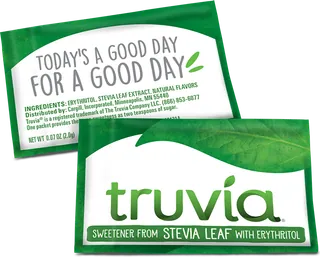
Truvia Stevia Leaf Packets · Truvia
The original Truvia: erythritol with stevia leaf extract in packets. Truvia also sells a monk fruit version with different ingredients.
-
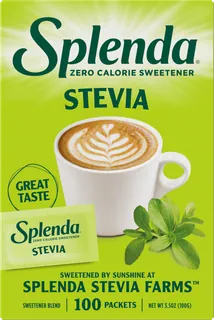
Splenda Stevia Sweetener Packets · Splenda
Stevia extract on a dextrose carrier in packets, for people who want a stevia-based Splenda instead of the sucralose original.
-
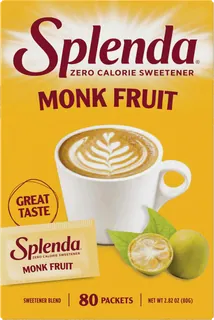
Splenda Monk Fruit Sweetener Packets · Splenda
Monk fruit extract on a dextrose carrier in packets, for coffee, tea and cereal. Sold in 80 count boxes.
Suggest a change
Related comparisons
-
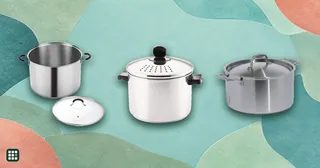 Stock pots
A stockpot is the tall, lidded pot for broth, pasta, soup, chili, corn and big-batch cooking. The choices that matter: how big a pot you need, whether a thick base or fully clad sides stop scorching, whether it works on induction, how heavy it gets when full, and extras like a straining lid or pasta insert. Prices run from about $30 for a thin disc-bottom pot to several hundred for 5-ply clad steel.
-
 Holiday pies
Compare classic and creative holiday pies by filling, flavor, texture, crust, recipe timing and storage. Images are AI-generated illustrations.
-
 Pizza stones and steels
Compare pizza stones and baking steels for your home oven or grill. Check how much space each needs, how long the maker recommends preheating, and whether a glazed stone, thin perforated steel or heavier plate suits the pizza you bake.
-
 Kitchen shears
 do the jobs a knife does badly: snipping herbs, cutting up a chicken, opening packaging, and trimming string or fish fins. This grid compares eight pairs from Zwilling, Henckels, Wüsthof, Victorinox and Kai on price, whether the blades come apart, dishwasher use, built-in openers, and where they are made.
-
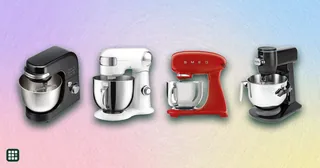 Stand mixers
Compare stand mixers by bowl size, dough capacity, design, attachments, and price, from compact tilt-head models to bowl-lift, spiral, and commercial machines.
-
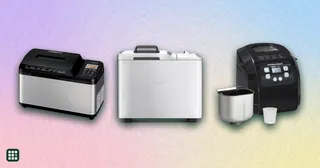 Bread machines
A bread machine mixes, kneads, rises and bakes a loaf from your ingredients. This grid compares bread makers from Zojirushi, Breville, Hamilton Beach, Panasonic, Cuisinart, KitchenArm, Elite Gourmet, KBS and Amazon Basics by loaf size, programs, dispensers, diet settings and price.