



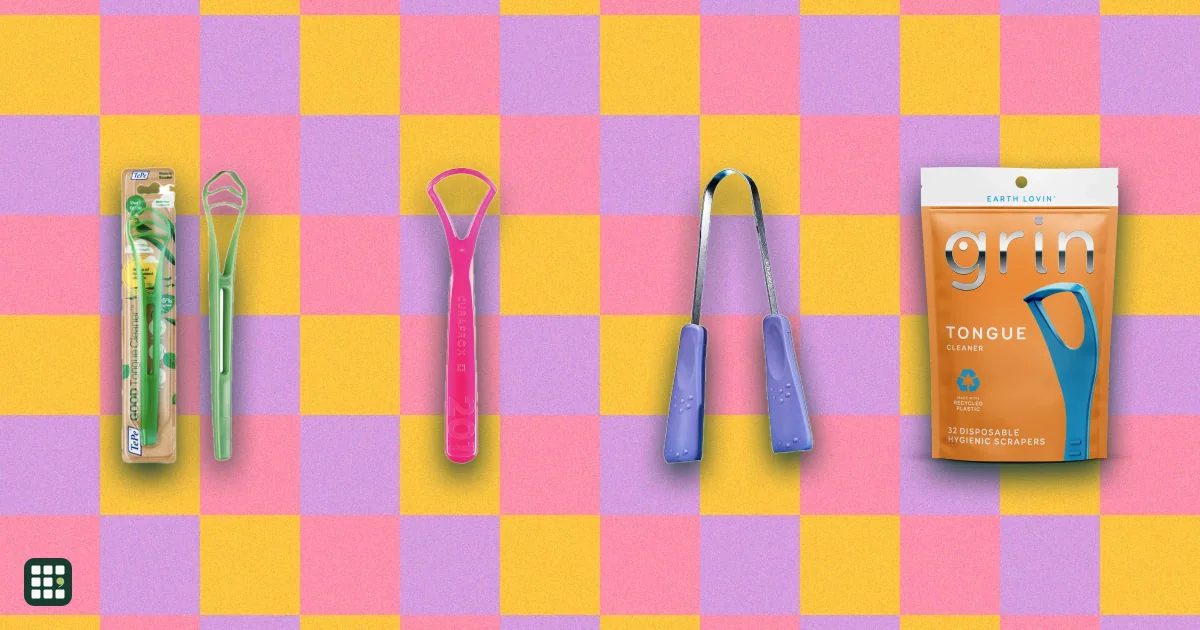
Tongue scrapers and cleaners
A tongue scraper removes the coating of bacteria and debris from the tongue, which dentists link to much of everyday bad breath. This grid compares seven widely sold US options: stainless steel scrapers, a plastic double-bladed scraper, a bristle-and-scraper combination, and a disposable scraper. The real trade-offs are material and hygiene (steel versus plastic versus disposable), how comfortable the shape is for people with a strong gag reflex, and the cost per scraper.
Last updated
How to choose
Any scraper used gently and daily does the job, so choose on comfort, material and cost. Scrape from the back of the tongue forward, rinse after each pass, and stop if it hurts.
Pick the material
- Stainless steel: reusable for years, easy to rinse or put in a dishwasher if the maker says so, and the usual pick for daily use.
- Plastic: lighter and cheaper; check how often the maker says to replace it.
- Disposable: hygienic and travel-friendly, but you keep buying them.
Think about comfort
If you gag easily, look for a narrow, curved or anatomically shaped head and a design that reaches the back of the tongue without pushing hard. Bristle-and-scraper combinations feel gentler to some people, others prefer a flat blade.
Compare the real cost
Compare the Price per piece row, not the pack price. A single steel scraper that lasts for years is usually the cheapest over time; disposables cost the most per use.
Before you buy
- Treat bad-breath and bacteria-removal percentages as the makers' own claims.
- Persistent bad breath can come from teeth, gums or health problems, so see a dentist if scraping does not help.
- Children should be supervised.
Answer
Browse the table. Filter to what matters.
Use the filters below, then sign in if you want to shortlist and decide with friends.
Sign in to vote, hide products and features, and reorder.
Verified: hover a cell and click its green dot for the source Estimate: no cited source Not stated: the maker doesn't publish it
| Feature | ⠿ | ⠿ | ⠿ | ⠿ | ⠿ | ⠿ | ⠿ |
|---|---|---|---|---|---|---|---|
|
⠿
Price
|
|||||||
|
⠿
Pack size
|
1 pieces
|
||||||
|
⠿
Price per piece
|
$5.34
|
$5.99
|
$8
|
$11
|
$4.995
|
$5
|
|
|
⠿
Type
|
|||||||
|
⠿
Material
|
|||||||
|
⠿
Reusable
|
|
|
|||||
|
⠿
Cleaning edge design
|

Why these features matter
-
Price ($)
The upfront cost; compare Price per piece for value.
-
Pack size (pieces)
More pieces cost more up front but lower the cost per scraper.
-
Price per piece ($)
The fairest way to compare a single steel scraper with a disposable pack.
-
Type
Blades scrape, bristles loosen debris; some people prefer one or the other.
-
Material
Steel lasts and rinses clean; plastic is cheaper but wears out.
-
Reusable
Reusable scrapers cost less over time and create less waste.
-
Cleaning edge design
The edge shape affects how thoroughly and comfortably it cleans.
About the products
-
Orabrush Tongue Cleaner · DenTek
A two-in-one tool: ultra-soft micro-pointed bristles loosen bacteria and a scraper on the back removes it. Plastic, to be replaced every 3 to 4 months.
-
Tongue Cleaner · TePe
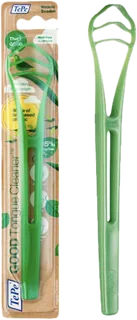
A dishwasher-safe cleaner with three slightly raised blades that TePe says remove bacteria in one stroke, shaped to the tongue to reduce gagging. Ships in assorted colors.
-
Double-Bladed Tongue Scraper · Curaprox
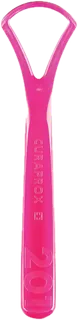
A Swiss-brand scraper with one smooth and one serrated blade, shaped to reduce nausea. Sold singly.
-
Stainless Steel Tongue Cleaner · DrTung's
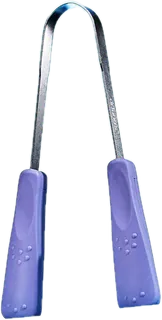
A pre-curved, U-shaped medical grade stainless steel scraper used with both hands, with a free fabric storage pouch. The priciest single scraper here, but built to last.
-
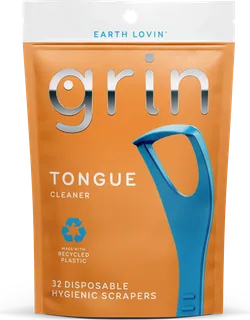
Disposable Tongue Cleaner (32 ct) · Grin Oral Care
A disposable recycled-plastic scraper with a fold-back pick, used once or a few times and thrown away. Cheapest to start, costliest over time.
-
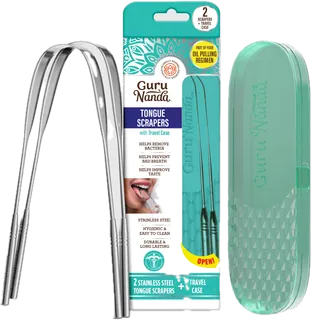
U-Shaped Stainless Steel Tongue Scraper (2 pack) · GuruNanda
A two-pack of U-shaped stainless steel scrapers, dishwasher-safe, with a travel case, at a low price per scraper.
-
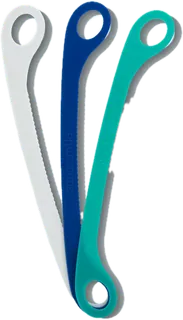
Ripple Edge Tongue Cleaner (3 pack) · Supersmile
A three-pack of reusable bendable scrapers with a rippled edge, used bent into an inverted U; one for home, one for travel and a spare.
Suggest a change
Related comparisons
-
 Toothpaste tablets and zero-waste oral care
Toothpaste tablets swap the tube for a small dry tablet: you chew one, brush with a wet toothbrush, and it foams into paste. They suit travel, plastic-free routines and people who dislike tubes, but they differ on the things that matter for teeth: some contain fluoride, others use nano-hydroxyapatite; some ship in compostable pouches with a refillable jar; and monthly cost varies a lot. This grid compares the main tablets sold to US buyers with the ingredients, packaging and prices the makers publish.
-
 Teeth whitening toothpastes
Whitening toothpastes remove surface stains with polishing abrasives, baking soda, or a peroxide, and a few add ingredients such as hydroxyapatite or a purple color corrector. None changes the natural color of teeth the way strips or in-office whitening can. This grid compares them on price per ounce, whitening method, peroxide, fluoride, sensitivity, SLS, and the American Dental Association Seal.
-
 Toothpastes for sensitive teeth
Sensitivity toothpastes are for teeth that ache from cold, heat, sweets, or touch. Most work by building up protection over a few weeks of twice-daily brushing, using 5% potassium nitrate, stannous fluoride, or hydroxyapatite. This grid compares them on price per ounce, the active ingredient, fluoride, gum protection, whitening claims, SLS, and the American Dental Association Seal. If sensitivity is severe or lasts more than a few weeks, see a dentist.
-
 Retainer and denture cleaners
Retainers, aligners, night guards and dentures collect plaque, stain and odor-causing bacteria and need cleaning every day. This grid compares 9 cleaners you can buy in the US: effervescent tablets from Polident, Efferdent, Equate and M3 Naturals; a no-soak foam; and ultrasonic cleaners from GuruNanda and Zima. The decision comes down to what you are cleaning, how much time you have, cost per use, and whether you want to buy a device once or tablets again and again.
-
 Teeth whitening strips
 are thin, gel-coated strips you wear for 30 to 60 minutes a day for one to three weeks. This grid compares Crest's Whitestrips range with store-brand, peroxide-free, and dentist-brand strips on price per treatment, wear time, whitening agent, sensitivity, and the American Dental Association Seal. The main trade-off: stronger and longer courses cost more and are more likely to cause temporary sensitivity, while gentler or peroxide-free strips are slower.
-
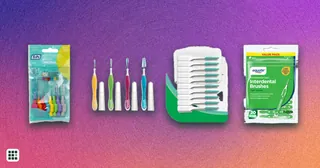 Interdental brushes
 clean the gaps between teeth where a toothbrush cannot reach, and many dentists suggest them for gum care, braces, bridges and implants. This grid compares ten widely sold US options, from TePe and Curaprox wire brushes to GUM, DenTek and Equate drugstore brushes and soft rubber picks. The real trade-offs are fit (a brush that is too big hurts and one that is too small does little), price per brush, and whether you want a reusable wire brush or a disposable rubber pick.