



Water flossers (oral irrigators)
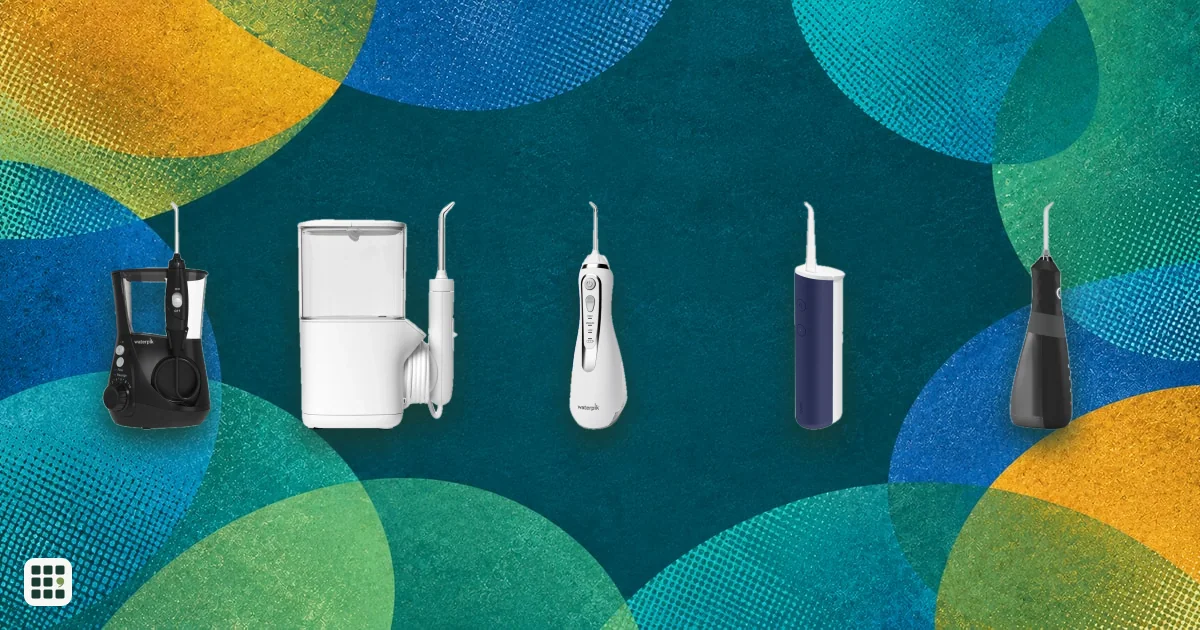
A water flosser (oral irrigator) cleans between teeth and along the gumline with a pulsing stream of water. It is an alternative or addition to string floss, especially if you have braces, implants, crowns or bridges, or find string floss hard to use. This grid compares countertop and cordless water flossers by price, tank size, battery life, pressure settings, included tips and warranty. The main trade-off is power and tank size against portability: countertop models hold 15 to 22 ounces and last a full session, while cordless handhelds are small enough to travel but need refilling.
Last updated
How to choose
Start with where you will use it. A countertop flosser sits at the sink on a plugged-in base with a large tank; it is the best fit for daily home use, shared bathrooms and anyone who wants to floss every tooth in one fill. A cordless handheld has a small built-in tank, charges by USB or runs on batteries, and fits a tiny bathroom, a gym bag or the shower.
What to compare
- Flossing time per fill. A full mouth takes about 45 to 90 seconds. Cordless tanks of 30 to 45 seconds mean a mid-session refill; 60 seconds or more covers it.
- Pressure settings. Start on the lowest setting and work up. More settings help sensitive gums and braces; most people use one or two.
- Tips in the box. If you have braces, look for an orthodontic tip; for implants, crowns and bridges, a Plaque Seeker, implant or perio tip. Otherwise you will buy them separately, and every tip wears out in 3 to 6 months.
- Power and charging. Rechargeable units need charging every few weeks; AA models need new batteries; corded units need an outlet. USB-C is the easiest to replace.
- Counter space and noise. Check base width and depth. Noise claims are the maker's own and not measured, so read reviews if sound matters.
Costs and claims
The sticker price is only part of it: replacement tips (about $7 to $15 for a set, or a subscription from some makers), batteries for AA units, and the warranty length all add up. The ADA Seal of Acceptance means the maker submitted safety and effectiveness data to the American Dental Association; models without it may still work. A water flosser does not replace brushing, and it is not proven to replace string floss for everyone. If you have gum disease, implants or braces, ask your dentist which one to use. Check that the exact model has the tank, tips and charging you expect before you buy; Waterpik sells many near-identical models in different bundles and colors.
Answer
Browse the table. Filter to what matters.
Use the filters below, then sign in if you want to shortlist and decide with friends.
Sign in to vote, hide products and features, and reorder.
Verified: hover a cell and click its green dot for the source Estimate: no cited source Not stated: the maker doesn't publish it
| Feature | ⠿ | ⠿ | ⠿ | ⠿ | ⠿ | ⠿ | ⠿ | ⠿ | ⠿ | ⠿ | ⠿ | ⠿ | ⠿ | ⠿ |
|---|---|---|---|---|---|---|---|---|---|---|---|---|---|---|
|
⠿
Price
|
||||||||||||||
|
⠿
Style
|
||||||||||||||
|
⠿
Power source
|
Corded electric
|
|||||||||||||
|
⠿
Battery life per charge
|
Doesn't apply
|
Doesn't apply
|
Doesn't apply
|
Doesn't apply
|
Doesn't apply
|
Doesn't apply
|
||||||||
|
⠿
Charging connection
|
Doesn't apply
|
Doesn't apply
|
Doesn't apply
|
Doesn't apply
|
Doesn't apply
|
Doesn't apply
|
||||||||
|
⠿
Reservoir capacity
|
||||||||||||||
|
⠿
Flossing time per fill
|
||||||||||||||
|
⠿
Pressure settings
|
||||||||||||||
|
⠿
Pulses per minute
|
||||||||||||||
|
⠿
Included tips
|
||||||||||||||
|
⠿
Orthodontic tip included
|
||||||||||||||
|
⠿
Implant or perio tip included
|
||||||||||||||
|
⠿
360 degree rotating tip
|
||||||||||||||
|
⠿
Timer or pacer
|
|
|
|
|
|
|
|
|
|
|||||
|
⠿
Massage mode
|
|
|
|
|
|
|
|
|
||||||
|
⠿
Smart controls
|
|
|
|
|
|
|
|
|
|
|||||
|
⠿
Waterproof or shower safe
|
Doesn't apply
|
Doesn't apply
|
|
Doesn't apply
|
Doesn't apply
|
|||||||||
|
⠿
Travel bag included
|
|
|||||||||||||
|
⠿
Quiet design
|
None claimed
|
None claimed
|
None claimed
|
None claimed
|
None claimed
|
None claimed
|
||||||||
|
⠿
Global voltage
|
||||||||||||||
|
⠿
Height
|
||||||||||||||
|
⠿
Base width
|
||||||||||||||
|
⠿
Base depth
|
||||||||||||||
|
⠿
Weight
|
||||||||||||||
|
⠿
Warranty
|
||||||||||||||
|
⠿
ADA Seal of Acceptance
|
|
|
|
Why these features matter
-
Price ($)
Water flossers run from about $30 to $150. Past about $80 you mostly pay for a bigger tank, a timer and display, or a nicer build, not cleaner teeth.
-
Style
Countertop models have big tanks and strong pressure but need counter space and an outlet. Cordless handhelds travel and fit tiny bathrooms but have small tanks and need refilling mid-session.
-
Power source
Rechargeable units need charging every few weeks; AA models need no charging but use batteries; corded models never run out but need a nearby outlet.
-
Battery life per charge (days)
Longer battery life means less charging and a flosser that is ready after a trip. Maker run times assume daily use at low pressure, so real life is shorter.
-
Charging connection
USB-C charges from any modern phone charger. Proprietary or magnetic cables can be lost, and older 2-prong cables are harder to replace.
-
Reservoir capacity (mL)
A bigger tank means fewer interruptions. A full-mouth session needs roughly 45 to 90 seconds of water, which small cordless tanks only barely hold.
-
Flossing time per fill (sec)
This is the practical tank size. At 30 to 45 seconds you will refill mid-session; 60 to 90 seconds covers a full mouth.
-
Pressure settings (settings)
More settings help if you have sensitive gums or braces and want to work up. Most people settle on one or two, so more is not always better.
-
Pulses per minute (pulses/min)
Pulsing is what dislodges plaque. Higher is not automatically better, since pressure and tip design matter too, but it is the one pump spec makers publish.
-
Included tips (tips)
Tips wear out every 3 to 6 months, and shared units need one per person. More tips means more specialty options out of the box.
-
Orthodontic tip included
If you have braces, this tip is what reaches around brackets and wires. Otherwise you will buy one separately.
-
Implant or perio tip included
Implants, crowns and bridges trap plaque the brush misses. The right tip matters more than raw pressure for them.
-
360 degree rotating tip
A swivel tip makes the back teeth much easier to reach and cuts water splash.
-
Timer or pacer
A pacer tells you to switch areas every 30 seconds, which helps you spend even time on each side.
-
Massage mode
A gentle massage mode is optional comfort for sensitive gums; it does not change cleaning ability.
-
Smart controls
A display and saved profiles help shared units. Single users rarely need them.
-
Waterproof or shower safe
A shower-safe flosser means no splashing across the sink and no mess. You still fill it with warm water first.
-
Travel bag included
If you plan to carry it, a bag keeps the tip clean. Otherwise it costs a few dollars separately.
-
Quiet design
Water flossers are louder than a toothbrush. A quiet pump matters in a shared bathroom or early mornings, but claims are not measured.
-
Global voltage
Matters only if you travel abroad or move. A North America-only unit will not work, or will burn out, on 220-240V outlets.
-
Height (in)
Matters for under-cabinet clearance with countertop models and for packing with cordless ones.
-
Base width (in)
Together with depth, this is the counter space the unit needs.
-
Base depth (in)
Together with width, this is the counter space the unit needs.
-
Weight (lb)
A lighter unit is easier to hold and carry. For countertop models it barely matters.
-
Warranty (months)
Pumps and batteries are the parts that fail. A 3-year warranty is a real signal of confidence compared with 1 year.
-
ADA Seal of Acceptance
The seal means the maker submitted safety and plaque or gingivitis data to the ADA. Products without it may still work; the maker just did not submit it.
About the products
-
Aquarius · Waterpik
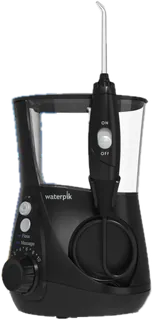
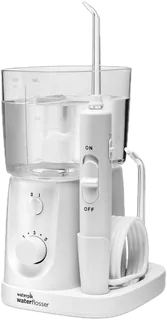
A long-time dentist-recommended countertop model with a 22 oz reservoir, 10 pressure settings, a timer and a Hydro-Pulse massage mode. Corded and North America voltage only, so it stays home.
-
Promax · Waterpik
Waterpik's top countertop model: LCD display, two user profiles, SmartAdvance mode and a quiet pump, with global voltage for travel. The priciest water flosser here.
-
ION · Waterpik
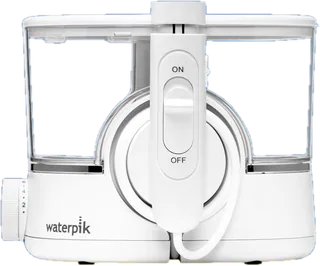
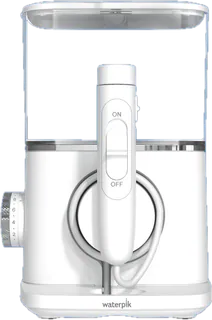
A rechargeable, cordless-power countertop flosser with a 22 oz reservoir, 10 settings and USB-C charging, so there is no cord to the wall. Quiet-pulse pump and magnetic handle cradle.
-
Evolution · Waterpik
A slim corded countertop flosser with 10 pressure settings, a magnetic handle cradle and global voltage, at a mid price. No timer or massage mode.
-
Nano Plus · Waterpik
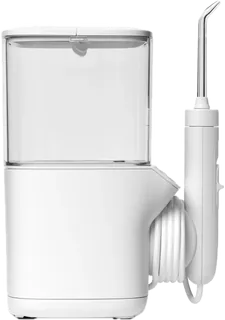
The cheapest Waterpik countertop unit: a compact, uncovered 15 oz reservoir, 5 pressure settings and 4 tips. North America voltage only.
-
Cordless Advanced 2.0 · Waterpik
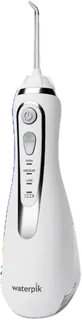
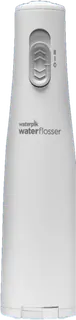
A waterproof, shower-safe cordless flosser with magnetic USB charging, a travel bag and travel plug, and a 360 degree rotating tip. Smaller 7 oz tank than countertop models.
-
Cordless Gem 5100 · Waterpik
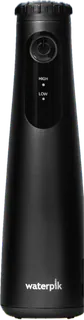
A cordless flosser with EasySpin 360-degree tip rotation, up to 9 weeks per charge, USB-C charging, a travel mode that stops it switching on in a bag, and a travel bag.
-
Cordless Plus 5000 · Waterpik
The same pump and 7 oz tank as the Gem 5100 without the travel bag. A mid-priced cordless unit with EasySpin tip and up to 9 weeks of battery.
-
Cordless 1200 · Waterpik
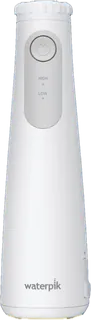
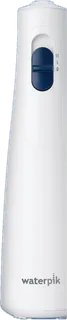
A budget cordless flosser with a rechargeable lithium-ion battery (up to 6 weeks), 2 pressure settings and a 6 oz tank. One-year warranty.
-
Cordless Express · Waterpik
A battery-operated cordless flosser that runs on 3 AA batteries, with no charging, a 5 oz tank and 30 seconds per fill. The cheapest Waterpik and good for occasional travel.
-
Rechargeable Cordless Water Flosser · quip
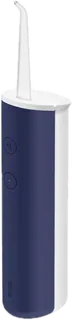
A slim cordless flosser with a magnetic 360-degree tip, gentle and deep-clean pressure modes, 60 seconds per fill and up to 8 weeks per charge. Plastic Midnight Blue version; the metal versions cost more. List price is $55; quip often runs 40 percent off.
-
Water Flosser Advanced · Oral-B
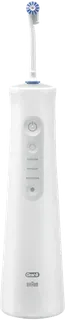
Oral-B's cordless flosser, which adds air microbubbles to the water (Oxyjet) and has 3 intensity modes and 3 stream types. Oral-B publishes few specs, so tank size and battery life are not stated. Oral-B does not sell it directly, so the price is Walmart's.
-
Water Flosser · BURST Oral Care
A compact cordless flosser with three modes (Standard, Turbo, Pulse), a 360 degree rotating tip, shower-ready sealed design and up to 80 days per charge. Ships with a travel bag and one classic tip; ortho and perio tips are sold separately.
-
HF-9 · h2ofloss
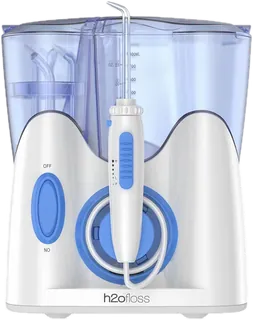
A budget countertop flosser sold direct by its maker with an 800 mL tank, 13 nozzles and 1,200 pulses a minute. The maker shows a struck-through $83.80 price and sells at $43.90, so treat the sale price as its normal price. Few specs are published.
Suggest a change
Related comparisons
-
 Toothpaste tablets and zero-waste oral care
Toothpaste tablets swap the tube for a small dry tablet: you chew one, brush with a wet toothbrush, and it foams into paste. They suit travel, plastic-free routines and people who dislike tubes, but they differ on the things that matter for teeth: some contain fluoride, others use nano-hydroxyapatite; some ship in compostable pouches with a refillable jar; and monthly cost varies a lot. This grid compares the main tablets sold to US buyers with the ingredients, packaging and prices the makers publish.
-
 Teeth whitening toothpastes
Whitening toothpastes remove surface stains with polishing abrasives, baking soda, or a peroxide, and a few add ingredients such as hydroxyapatite or a purple color corrector. None changes the natural color of teeth the way strips or in-office whitening can. This grid compares them on price per ounce, whitening method, peroxide, fluoride, sensitivity, SLS, and the American Dental Association Seal.
-
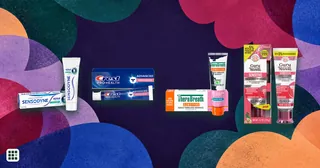 Toothpastes for sensitive teeth
Sensitivity toothpastes are for teeth that ache from cold, heat, sweets, or touch. Most work by building up protection over a few weeks of twice-daily brushing, using 5% potassium nitrate, stannous fluoride, or hydroxyapatite. This grid compares them on price per ounce, the active ingredient, fluoride, gum protection, whitening claims, SLS, and the American Dental Association Seal. If sensitivity is severe or lasts more than a few weeks, see a dentist.
-
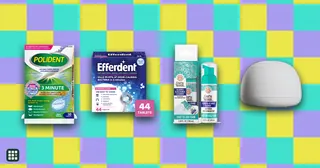 Retainer and denture cleaners
Retainers, aligners, night guards and dentures collect plaque, stain and odor-causing bacteria and need cleaning every day. This grid compares 9 cleaners you can buy in the US: effervescent tablets from Polident, Efferdent, Equate and M3 Naturals; a no-soak foam; and ultrasonic cleaners from GuruNanda and Zima. The decision comes down to what you are cleaning, how much time you have, cost per use, and whether you want to buy a device once or tablets again and again.
-
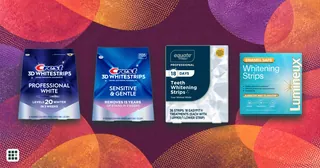 Teeth whitening strips
 are thin, gel-coated strips you wear for 30 to 60 minutes a day for one to three weeks. This grid compares Crest's Whitestrips range with store-brand, peroxide-free, and dentist-brand strips on price per treatment, wear time, whitening agent, sensitivity, and the American Dental Association Seal. The main trade-off: stronger and longer courses cost more and are more likely to cause temporary sensitivity, while gentler or peroxide-free strips are slower.
-
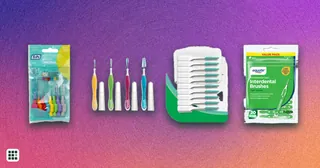 Interdental brushes
 clean the gaps between teeth where a toothbrush cannot reach, and many dentists suggest them for gum care, braces, bridges and implants. This grid compares ten widely sold US options, from TePe and Curaprox wire brushes to GUM, DenTek and Equate drugstore brushes and soft rubber picks. The real trade-offs are fit (a brush that is too big hurts and one that is too small does little), price per brush, and whether you want a reusable wire brush or a disposable rubber pick.