



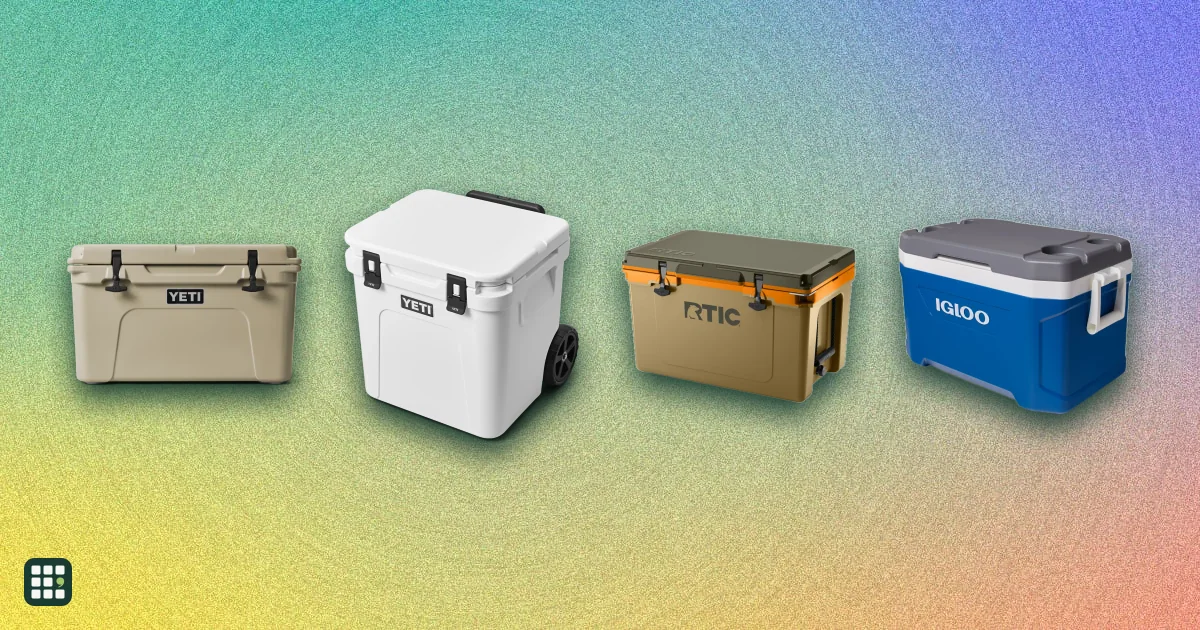
Camping coolers
Camping coolers keep food and drinks cold for a day trip or a week in the backcountry. The main trade-offs are capacity, how long they hold ice, how heavy they are to carry, and price: premium rotomolded coolers hold ice for days but are heavy and expensive, while soft and basic hard coolers are lighter and cheaper. This grid compares popular current coolers on those trade-offs and the details that matter in camp.
Last updated
How to choose
Size it to your trips
- Day trips and picnics: 20 to 35 quarts, or a soft cooler you can carry on a shoulder.
- Weekend camping: 45 to 65 quarts for two to four people.
- Long trips or big groups: 65 quarts and up. Consider wheels.
Remember you need about two parts ice to one part contents for the longest retention, so a cooler holds less food than its quarts suggest.
Decide how long it must keep ice
Rotomolded coolers with thick foam and gasket seals can keep ice for several days and survive being dropped, sat on or strapped in a boat. Standard hard coolers keep ice for a day or two and cost much less. Soft coolers are best for a day or two and are easiest to carry.
Think about carrying it
Check the empty weight: a large rotomolded cooler can weigh 30 lb before you add 20 lb of ice. If you'll walk any distance, look at wheels, handle design, or a smaller cooler you can fill twice.
Check the camp details
- A drain plug for meltwater.
- Durable latches and a gasket seal.
- Bear-resistant certification if you camp where it's required.
- Tie-down points for trucks and boats, and a dry basket to keep food out of the water.
Judge the claims
Ice retention figures are the makers' own tests under different conditions. Pre-chill the cooler, use block ice, keep it in the shade and open it as little as possible to get close to them.
Answer
Browse the table. Filter to what matters.
Use the filters below, then sign in if you want to shortlist and decide with friends.
Sign in to vote, hide products and features, and reorder.
Verified: hover a cell and click its green dot for the source Estimate: no cited source Not stated: the maker doesn't publish it
| Feature | ⠿ | ⠿ | ⠿ | ⠿ | ⠿ | ⠿ | ⠿ | ⠿ | ⠿ | ⠿ | ⠿ | ⠿ | ⠿ | ⠿ | ⠿ | ⠿ |
|---|---|---|---|---|---|---|---|---|---|---|---|---|---|---|---|---|
|
⠿
Price
|
||||||||||||||||
|
⠿
Capacity
|
||||||||||||||||
|
⠿
Cooler type
|
Hard, standard (blow-molded)
|
Hard, standard (injection-molded)
|
Hard, thick-walled
|
Hard, rotomolded
|
Hard, rotomolded
|
Hard, standard
|
||||||||||
|
⠿
Empty weight
|
||||||||||||||||
|
⠿
Ice retention
|
||||||||||||||||
|
⠿
Insulation
|
||||||||||||||||
|
⠿
Drain plug
|
|
|
|
|||||||||||||
|
⠿
Wheels
|
|
|
|
|
|
|
|
|
|
|
||||||
|
⠿
Bear resistant
|
||||||||||||||||
|
⠿
Latches
|
None (friction-fit lid)
|
Zipper
|
T-latches
|
|||||||||||||
|
⠿
Gasket seal
|
|
|
||||||||||||||
|
⠿
Can capacity
|
||||||||||||||||
|
⠿
Dry basket
|
|
|
|
|
|
|
|
|
|
|
|
|||||
|
⠿
Tie down points
|
|
|
|
Doesn't apply
|
|
|
||||||||||
|
⠿
Warranty
|
3 years
|
5 years
|
3 years
|
Why these features matter
-
Price ($)
Coolers run from about $40 for a basic foam model to $400+ for a premium rotomolded one. Paying more mostly buys longer ice retention and toughness.
-
Capacity (qt)
Pick by trip length and group size: 20 to 35 qt for day trips, 45 to 65 qt for weekends, 70+ qt for long trips or families.
-
Cooler type
Rotomolded coolers hold ice longest and survive rough use but are heavy and pricey. Soft coolers are light and easy to carry for day trips. Basic hard coolers are cheap but keep ice for less time.
-
Empty weight (lb)
Premium coolers weigh 20 to 30 lb empty before ice and food. If you carry it far, weight matters as much as capacity.
-
Ice retention (days)
A rough guide only: makers test differently. Real retention depends on pre-chilling, ice-to-contents ratio, shade and how often you open it.
-
Insulation
Thicker, denser foam keeps ice longer but adds weight and reduces interior space.
-
Drain plug
A drain lets you empty meltwater without tipping a heavy cooler. Leak-proof threaded plugs are best.
-
Wheels
Wheels make a full large cooler manageable over pavement and short trails, but add weight and cost.
-
Bear resistant
Required for food storage in some bear-country campgrounds. Certification usually requires adding locks.
-
Latches
Rubber T-latches seal tightly and are durable; plastic snaps can break. Soft coolers rely on zippers, which need care.
-
Gasket seal
A gasket keeps cold air in and stops leaks when the cooler tips.
-
Can capacity (cans)
A quick way to compare usable space across brands that measure quarts differently.
-
Dry basket
Keeps sandwiches and produce out of the meltwater.
-
Tie down points
Matters for truck beds, boats and rafts, where a loose cooler slides or flips.
-
Warranty (years)
Rotomolded coolers often carry 5-year or longer warranties; budget coolers 1 year or less.
About the products
-
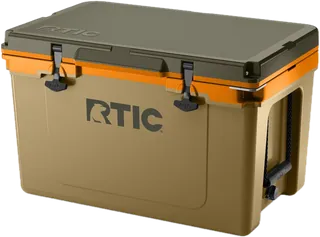
52 QT Ultra-Light · RTIC
Injection-molded cooler that's about 30% lighter than rotomolded rivals (21 lb empty) with up to 3 in of foam and a claimed 7 days of ice. A good value pick for car camping; basket sold separately.
-
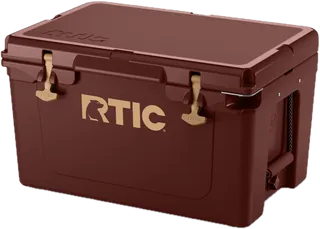
45 QT Ultra-Tough · RTIC
RTIC's rotomolded cooler with 2.8 in of foam, silicone T-latches, gasket and dual drain, claiming up to 5 days of ice. Tough but heavy at about 30 lb empty.
-
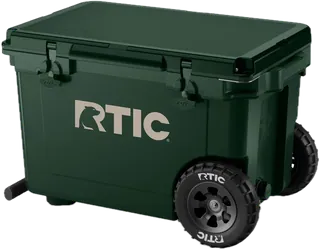
52 QT Ultra-Light Wheeled · RTIC
Lightweight wheeled cooler with puncture-resistant all-terrain wheels, 2.5 in of foam and tie-down slots; about 30 lb empty. Holds 78 cans without ice.
-
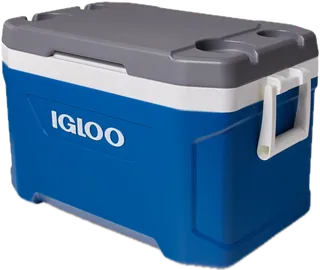
Latitude 52 · Igloo
Classic budget cooler at about $80 and under 12 lb empty, holding 76 cans. Ice lasts a day or two rather than days; fine for picnics and short car trips.
-
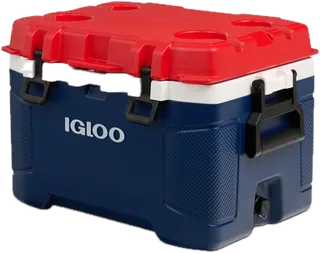
Trailmate 50 · Igloo
Rugged mid-priced hard cooler with 1.5 in insulated walls, a lockable lid, drain plug and Sure-Lock latches. Holds 81 cans.
-
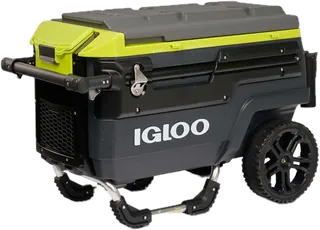
Trailmate Journey 70 · Igloo
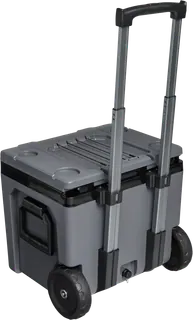
Large wheeled cooler with big all-terrain wheels, telescoping handle and dry storage. Heavy at about 35 lb empty; holds 112 cans.
-
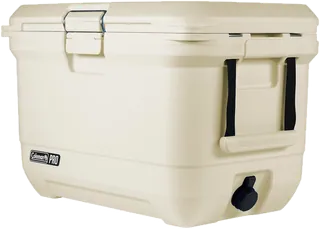
Coleman Pro 45-Quart Hard Cooler · Coleman
Coleman's premium hard cooler with up to 2 in walls, a stainless latch, tie-down straps, oversized drain and a 10-year warranty, claiming up to 4 days of ice.
-
Flex 'N Go 62-Quart Wheeled · Coleman
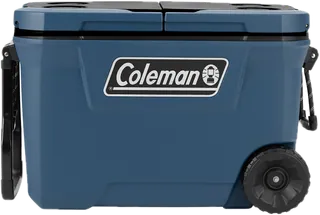
Affordable 62-quart wheeled cooler with all-terrain wheels and a butterfly lid you can open while sitting on it. Light for its size at about 15 lb; claims over 4 days of ice.
-
Coleman Pro 24-Can Soft Cooler · Coleman
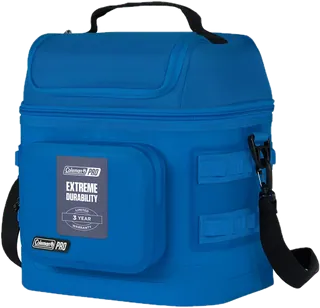
Light 2.7 lb soft cooler with a padded strap for day trips, keeping things cold for up to 35 hours. No drain.
-
Pelican 30QT Elite Cooler · Pelican
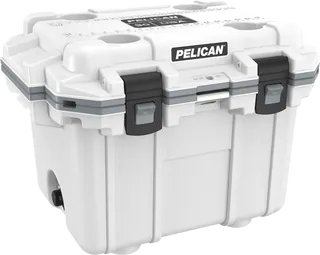
Premium rotomolded cooler with 2.1 in of foam, freezer-grade seal, Press and Pull latches, a lock hasp and a lifetime guarantee. Heavy and expensive for its size.
-
Pelican 50QT Elite Cooler · Pelican
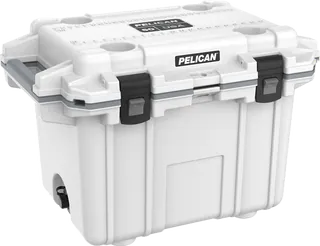
Larger Pelican Elite with 2 in of polyurethane foam, threaded drain and a lifetime guarantee; about 32 lb empty.
-
Cold For Days Wheeled 50 QT · Stanley
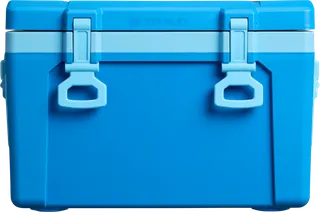
Wheeled 50-quart cooler with double-wall foam, telescoping handle and a bungee lid, claiming 4 days of cold. Pricey for its type at $350.
-
Stanley Easy Carry 24 QT · Stanley
Mid-sized hard cooler with a removable shoulder strap, gasket, leakproof drain and a claimed 4 days of cold; about 9.5 lb empty.
-
Tundra 45 · YETI
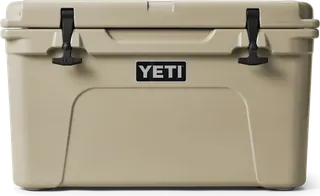
The rotomolded cooler the category is measured against: thick pressure-injected walls, a freezer gasket, tie-down slots and IGBC bear-resistant certification (with padlocks). Holds about 33 L, so less than its name suggests, and costs $325.
-
Roadie 48 Wheeled Cooler · YETI
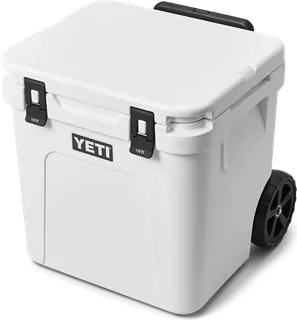
A compact wheeled hard cooler with a telescoping handle, NeverFlat wheels, a BestDam drain plug, tie-down slots, and an included dry goods basket.
-
Hopper M20 Backpack Soft Cooler · YETI
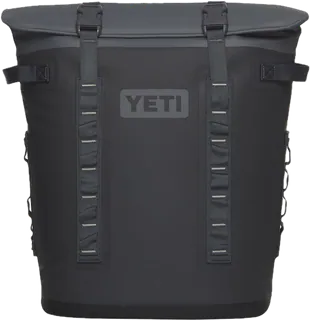
A soft backpack cooler with MagShield magnetic access, ColdCell closed-cell foam, and capacity for 36 cans or 22 lb of ice.
Suggest a change
Related comparisons
-
 Camping hammocks
 trade a flat ground bed for lighter weight, comfort on rough terrain, and a faster setup between two trees. The real decisions are single or double width, how much weight you carry, whether bug netting, a rainfly and straps come in the box, and what load the fabric is rated for.
-
 Camping tarps and shelters
A tarp or open shelter keeps rain and sun off without the weight and bulk of a tent, or adds a dry kitchen and living room next to one. The choice is mostly about where you'll carry it: ultralight tarps and pyramids weigh a pound or less but need trekking poles or trees and some pitching skill, while canopies and vehicle tarps stand on their own poles and weigh 8 to 12 lb.
-
 Tents
Popular camping tents side by side, from ultralight trekking-pole shelters to roomy family cabins. The choice comes down to how far you carry it: every pound saved costs money and some durability, while car camping tents trade weight for space, standing height and easy setup. Weather, ground and how many people (and dogs) share it decide the rest.
-
 Backpacking water filters
Portable water filters and purifiers for backpacking and hiking, from 2 oz squeeze filters to pumps, gravity bags and press bottles. The main choices are whether you need virus protection, how fast and how often you filter, and how much weight and fuss you will carry.
-
 Satellite messengers
 let you send an SOS, check in, and text family from places with no cell signal. They differ in the satellite network they use, whether you can type without your phone, whether anyone can reply, and above all in the monthly plan you keep paying after you buy the device.
-
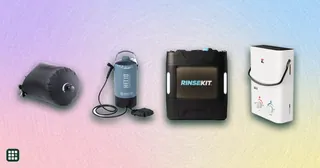 Portable camping showers
A portable shower can be anything from a 4 oz solar bag to a propane heater that gives endless hot water. The choice comes down to how you'll heat the water (the sun, a propane burner, a 12V element, or filling with warm water yourself), how you'll pressurize it (gravity, a foot pump, or a battery pump), and how much weight and money you want to carry.