



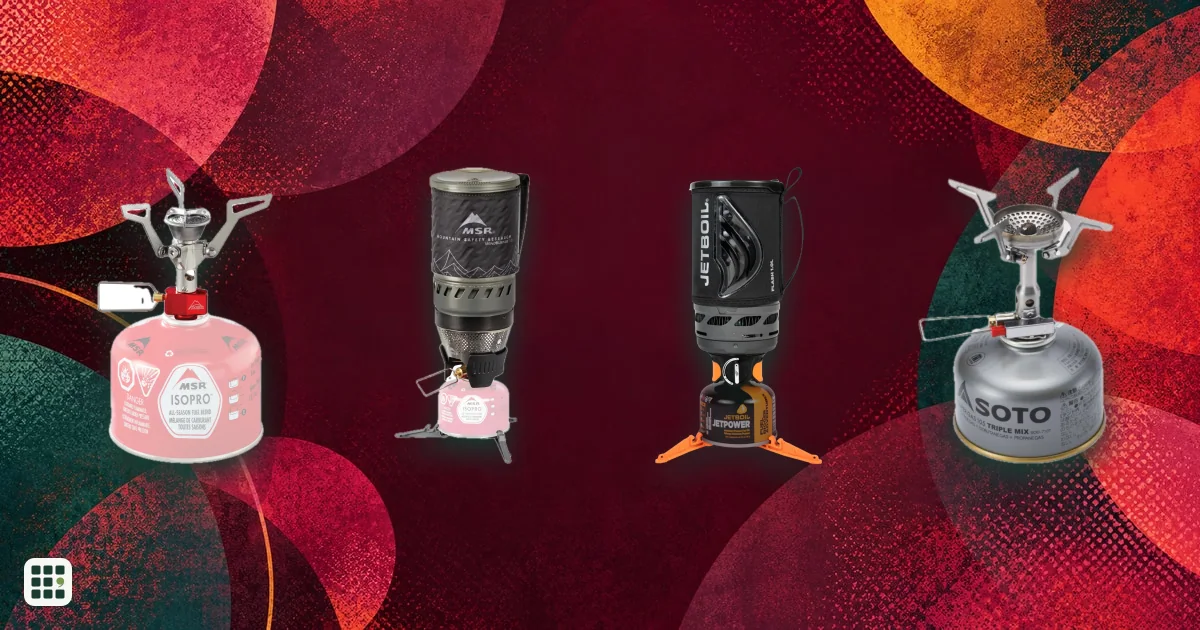
Camping stoves
Camping stoves for backpacking range from 3-ounce burners that screw onto a gas canister to integrated systems and liquid-fuel stoves for cold or remote trips. The choice comes down to how far you carry it, what you cook (boiling water or real meals), the fuel you can get, and how the stove copes with wind and cold.
Last updated
How to choose
Start with how you camp. If you carry everything on your back, weight and packed size matter most; if you drive to the site, they hardly matter and cooking comfort wins.
1. Pick the stove type
- Canister top-mount stoves (PocketRocket 2, Amicus) are the lightest and simplest, and fine for boiling water and simple meals.
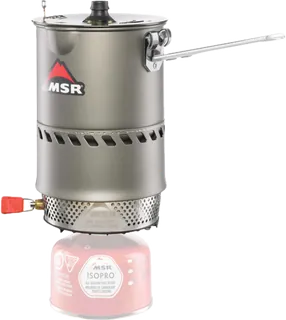
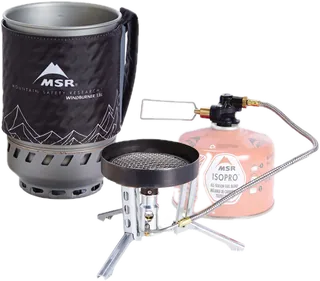
- Integrated systems (WindBurner, Reactor) pair a burner with a locking pot. They boil fast and hold up in wind, but weigh much more and only work well with their own pot.
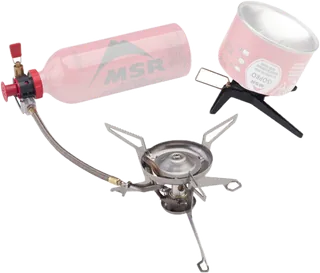
- Liquid and multi-fuel stoves (WhisperLite Universal) cost more effort (priming, cleaning) but burn white gas or other fuel and work well in deep cold and abroad.
2. Check the fuel you can get
Isobutane-propane canisters are easy in the US but scarce in many other countries and weaker in the cold. Liquid fuel can be found almost anywhere.
3. Decide how much wind and cold matter
Open top-mount burners lose a lot of heat in wind. Look at the wind protection row, and at the pressure regulator row if you camp in cold weather: regulated stoves keep their output as the canister cools.
4. Think about what you cook
If you only boil water for freeze-dried meals, simmer control barely matters. If you cook real meals, look for fine flame control and pot supports that fit your pan.
5. Read the numbers carefully
Boil times and burn times are the makers' own figures, tested in still air with specific fuel and pots, so compare them within a row rather than trusting them as promises. Also remember fuel is extra, and that the canister, pot and igniter add weight and cost.
Answer
Browse the table. Filter to what matters.
Use the filters below, then sign in if you want to shortlist and decide with friends.
Sign in to vote, hide products and features, and reorder.
Verified: hover a cell and click its green dot for the source Estimate: no cited source Not stated: the maker doesn't publish it
| Feature | ⠿ | ⠿ | ⠿ | ⠿ | ⠿ | ⠿ | ⠿ | ⠿ | ⠿ | ⠿ |
|---|---|---|---|---|---|---|---|---|---|---|
|
⠿
Price
|
||||||||||
|
⠿
Stove type
|
||||||||||
|
⠿
Fuel
|
Isobutane-propane canister (threaded)
|
Isobutane-propane canister (threaded)
|
Isobutane-propane canister (threaded)
|
|||||||
|
⠿
Burners
|
1 burners
|
1 burners
|
1 burners
|
1 burners
|
1 burners
|
1 burners
|
1 burners
|
1 burners
|
1 burners
|
|
|
⠿
Heat output
|
||||||||||
|
⠿
Boil time
|
||||||||||
|
⠿
Weight
|
||||||||||
|
⠿
Packed size
|
||||||||||
|
⠿
Wind protection
|
||||||||||
|
⠿
Simmer control
|
||||||||||
|
⠿
Ignition
|
Manual: match or lighter
|
Manual: match or lighter
|
Manual: match or lighter
|
Manual: match or lighter (priming on liquid fuel)
|
Manual: match or lighter
|
Manual: match or lighter
|
||||
|
⠿
Pressure regulator
|
|
Doesn't apply
|
|
|
||||||
|
⠿
Pot support
|
Folding pot supports; max pot size not stated
|
|||||||||
|
⠿
Included cookware
|
None
|
None; 4Flex pot support only
|
None
|
|||||||
|
⠿
Burn time
|
||||||||||
|
⠿
Warranty
|
3 years, limited
|
Why these features matter
-
Price ($)
Backpacking burners start under $50 while integrated systems and two-burner camp stoves run $100 to $300. The cheapest stove is not the cheapest to run if it wastes fuel in wind.
-
Stove type
Type decides weight, wind performance and what you can cook. Top-mount canister stoves are lightest; integrated systems boil fastest in wind; two-burner propane stoves are for car camping and real meals; liquid fuel works best in cold and abroad.
-
Fuel
Canisters are clean and simple but hard to find abroad and weak in the cold. Propane cylinders are everywhere in the US. Liquid fuel and wood can be found almost anywhere, at the cost of priming or soot.
-
Burners (burners)
Two burners let you cook a main and a side, or boil water while frying. Backpackers rarely need more than one.
-
Heat output (BTU/h)
More BTUs boil faster and handle big pots, but burn fuel faster. Above about 10,000 BTU, wind protection and simmer control matter more than raw output.
-
Boil time (min)
Boil time is a quick proxy for efficiency and wind resistance, but makers test in still air. Integrated systems hold their numbers in wind; open burners often don't.
-
Weight (oz)
Every ounce counts on a long trail; for car camping, weight barely matters.
-
Packed size
Small stoves nest inside a pot; two-burner stoves need trunk space.
-
Wind protection
Wind is the main reason real-world boil times and fuel use are worse than the box says. Open top-mount burners lose the most heat.
-
Simmer control
If you cook more than boil-in-bag meals, a stove that can hold a low flame without going out matters more than peak BTUs.
-
Ignition
Piezo igniters are convenient but are a common failure point, especially when wet or at altitude; carry a lighter anyway.
-
Pressure regulator
Regulated stoves keep boiling fast in cold weather and with a half-empty canister; unregulated ones slow down noticeably.
-
Pot support
Small pot supports tip with wide pans. Integrated systems often only work well with their own pot.
-
Included cookware
An included pot saves money and is matched to the burner, but it may be too small for group cooking.
-
Burn time (hr)
Tells you how much fuel to carry for a trip. Compare only like for like: per canister or cylinder, and how many burners running.
-
Warranty (years)
Stoves have valves, seals and igniters that wear. A long warranty and available spare parts matter for gear you'll use for years.
About the products
-
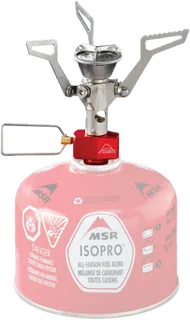
PocketRocket 2 · MSR
Ultralight canister stove for backpackers who mostly boil water; folds tiny and simmers, but has no wind shield beyond a clip, no regulator and no igniter.
-
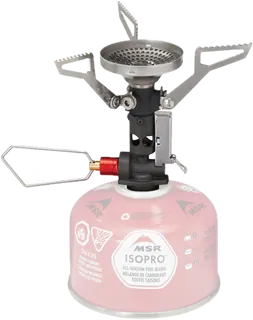
PocketRocket Deluxe · MSR
Ultralight canister stove with a pressure regulator, push-button igniter and broad burner for better simmering and cold-weather boils; a little pricier than the PocketRocket 2.
-
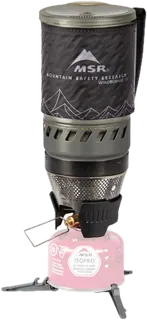
WindBurner Personal Stove System · MSR
Windproof one-person integrated system with a radiant burner, regulator and lock-on 1 L pot; boils reliably in wind but only works with WindBurner pots.
-
Reactor 1.0L Stove System · MSR
Fast, fuel-efficient integrated system with a fully enclosed radiant burner for wind and cold; expensive and limited to Reactor pots.
-
WhisperLite Universal · MSR
Hybrid stove that runs on canisters, white gas, kerosene or unleaded fuel; heavier and needs priming on liquid fuel, but works in the cold and almost anywhere in the world.
-
WindMaster · SOTO
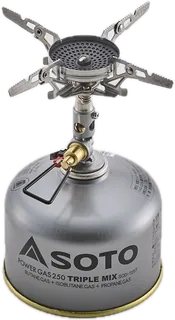
Upright canister stove built around a concave burner head for wind; the 4Flex supports suit large pots. Trade-off: the 4Flex kit brings it to 3.0 oz and the canister is not included.
-
Amicus Stove with Igniter · SOTO
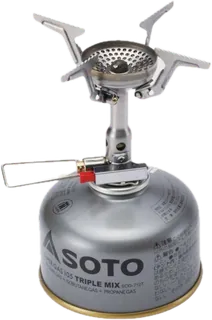
Lower-priced SOTO canister stove with an optional built-in igniter. Trade-off: the maker page gives no regulator, pot size or boil time.
-
WindBurner Duo Stove System · MSR
Windproof two-person integrated system with a remote-canister radiant burner, regulator and 1.8 L pot; more stable than the Personal system and fits other WindBurner pots, but heavy at 21 oz and only works with WindBurner cookware. It was out of stock at MSR when checked.
-
Essential Trail Stove · Primus
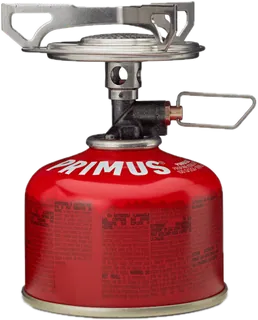
Affordable, low-profile canister burner with wind-blocking pot supports and precise flame control. Fuel canister and cookware are separate.
-
Flash 1.0L Fast Boil System · Jetboil
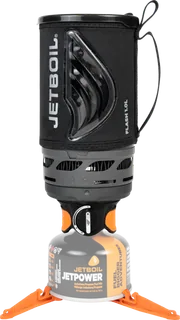
All-in-one 1 L canister system for rapidly boiling water for coffee and dehydrated meals. Its lock-on cup, color-changing heat indicator and turn-and-click ignition suit one or two backpackers; the fuel canister is sold separately and the fast-boil system is not designed for simmering or cooking directly in the cup.
Suggest a change
Related comparisons
-
 Camping cookware sets
Camping and backpacking cook sets side by side, from 100 g titanium pots for one to stainless and nonstick sets that cook full meals for a group. The choice comes down to how many people you feed, how much real cooking you do, and how much weight you will carry.
-
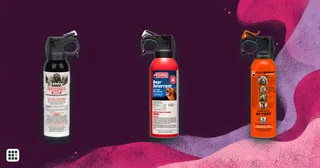 Bear spray
 is a pepper-based deterrent you carry in bear country. This grid sets the main EPA-registered US brands side by side on canister size, how far and how long they spray, and what each one includes. The real trade-off is range and spray time against weight and price.
-
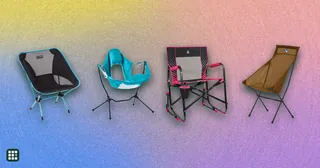 Camping chairs
Popular camping chairs side by side, from 1 lb backpacking chairs that pack smaller than a water bottle to padded recliners and rockers for the campsite. The trade-off is comfort, height and sturdiness against weight, packed size and price.
-
 Sleeping bags
Popular sleeping bags side by side, from ultralight down mummies for backpacking to roomy synthetic bags for car camping. The choice is warmth for the coldest night you expect against weight, packed size and price, with down lighter and more compact and synthetic cheaper and better when wet.
-
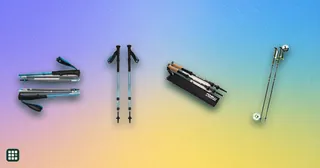 Trekking poles
 take load off your knees on descents and add stability on rough or wet trails. This grid compares popular carbon and aluminum poles across price, weight per pair, shaft material, folding or telescoping design, lock type, grip, length range and warranty, so you can see the real trade-offs between a light, packable carbon pole and a cheaper, tougher aluminum one.
-
 Camping hammocks
 trade a flat ground bed for lighter weight, comfort on rough terrain, and a faster setup between two trees. The real decisions are single or double width, how much weight you carry, whether bug netting, a rainfly and straps come in the box, and what load the fabric is rated for.